Description
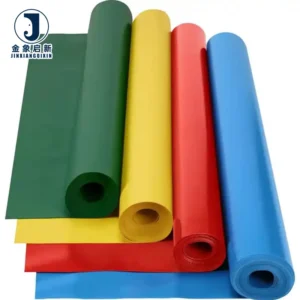
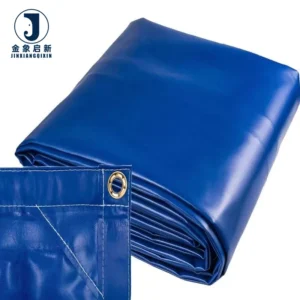
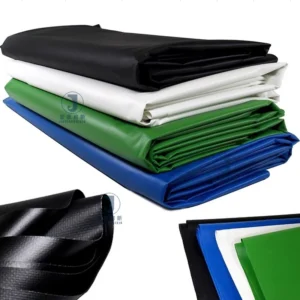
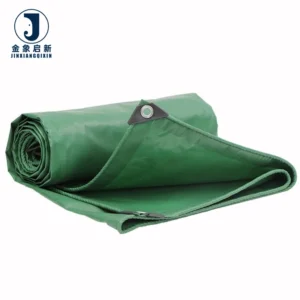
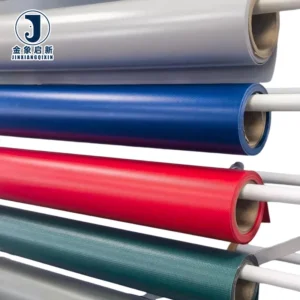
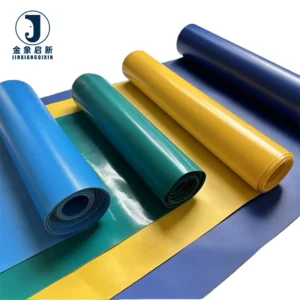
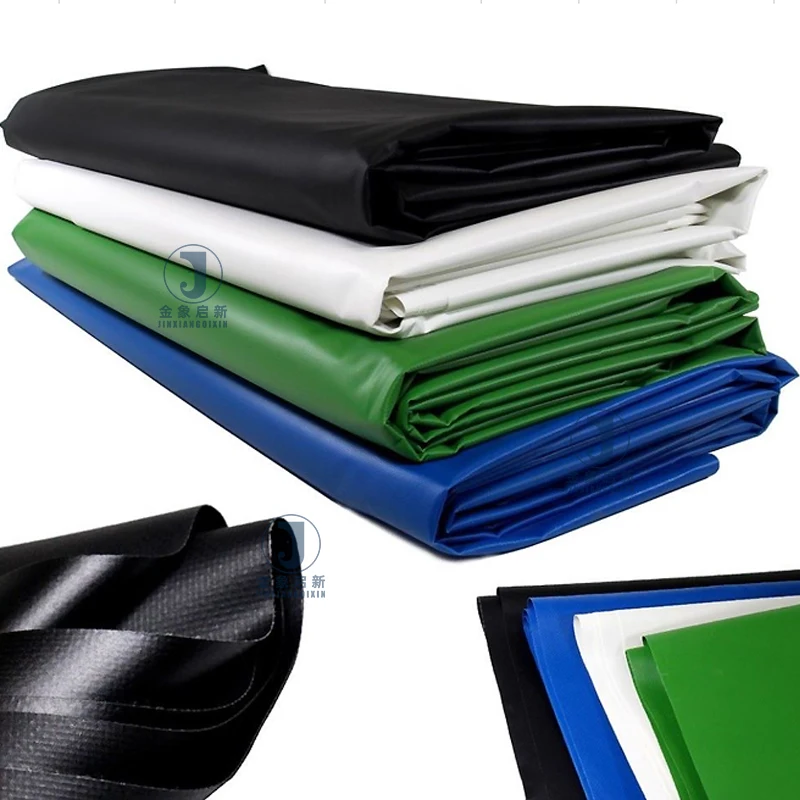
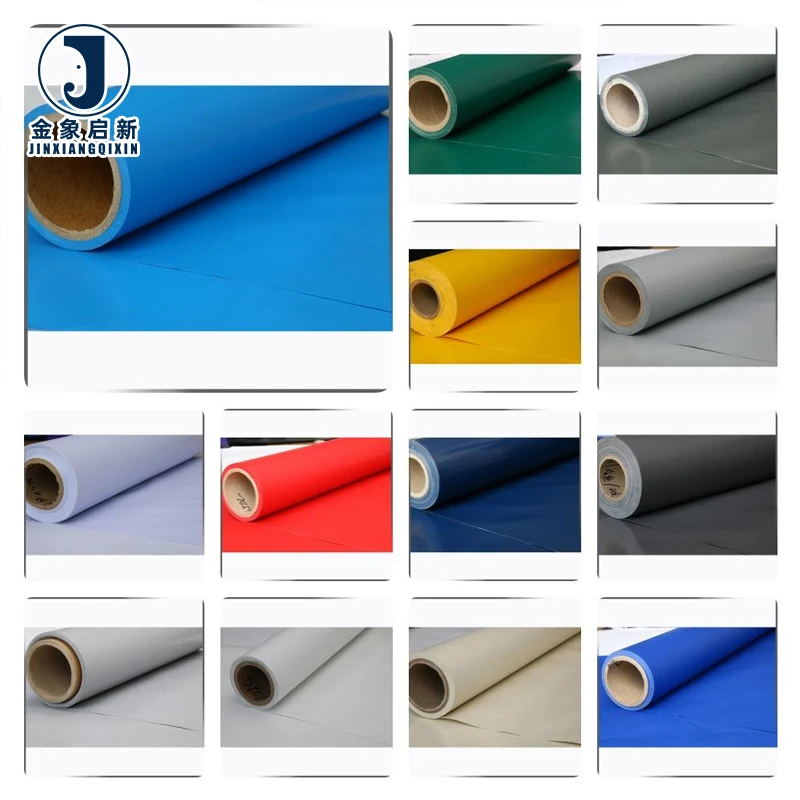
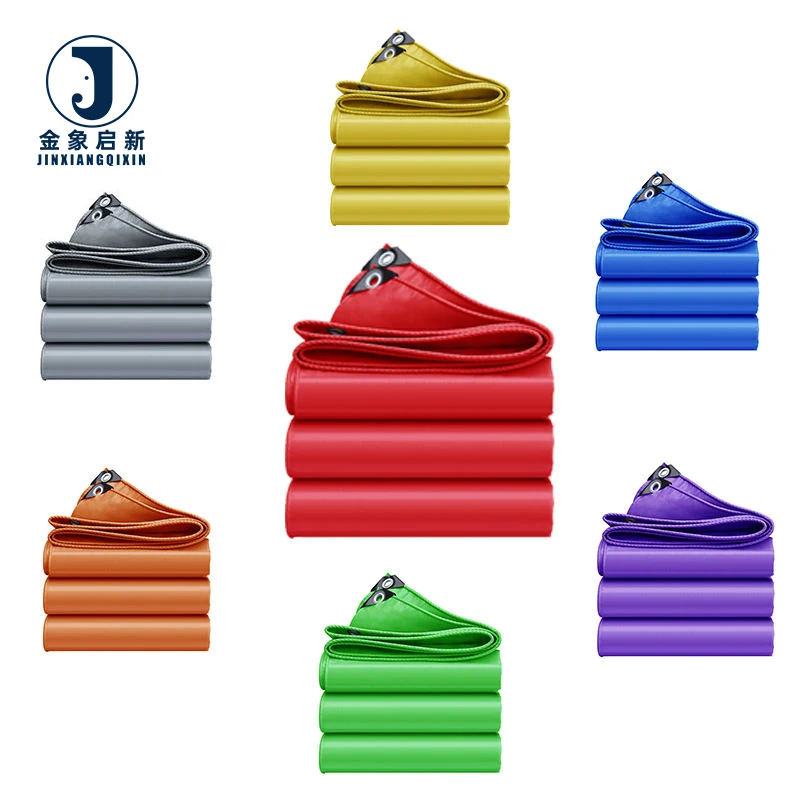
Roll-to-Roll Consistency — Every PVC coated tarpaulin roll in your container is matched for colour, coating weight, and GSM through a batch-controlled production process.
Technical Specifications
| Parameter | Value |
|---|---|
| Product Type | PVC Coated Tarpaulin |
| Base Fabric | 100% high tenacity polyester yarns |
| Coating Material | PVC |
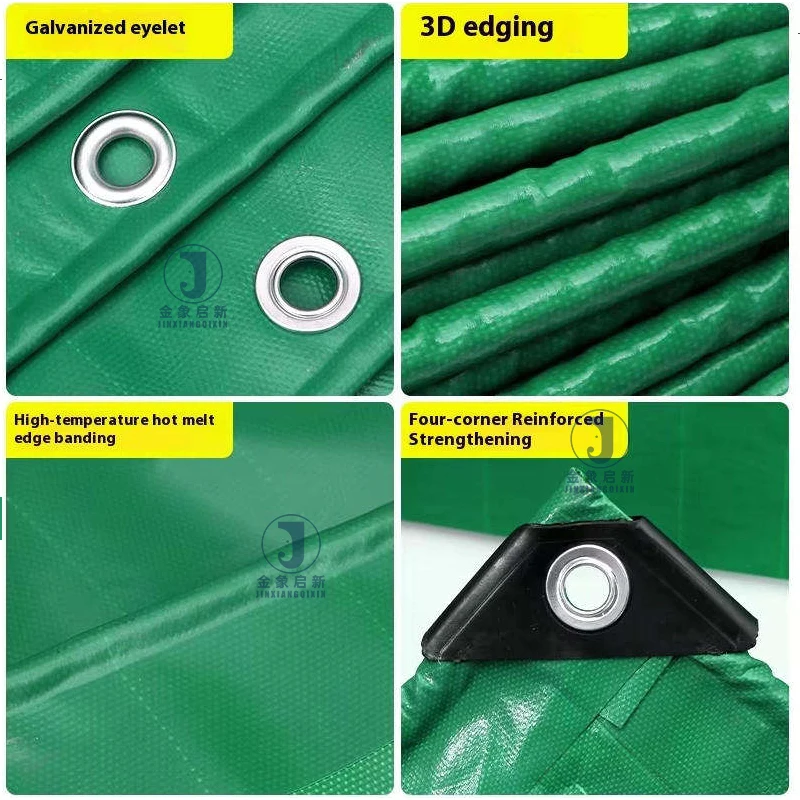
| Coating Method | Laminated technology & Hot-melt Coating technology |
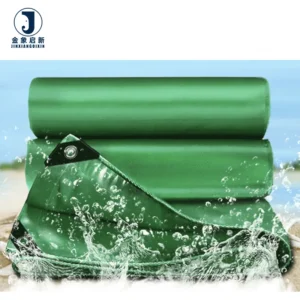
| Waterproof | Yes |
| Color Fastness | Best grade (grade not stated in source) |
| Outdoor Weather Resistance | 3–5 years (source value — verify against manufacturer catalog) |
| Cold Crack Resistance | Yes (test basis not stated in source) |
| Tearing Strength for Welding | Outstanding (test standard not stated in source) |
| Flame Retardant | Available (grade not stated in source) |
| Anti-Static | Available (standard not stated in source) |
| Anti-Cold | Available (test basis not stated in source) |
| Anti-Mildew | Available |
| Standards | ISO, CE |
Application Suitability
| Application | Exposure & Requirement |
|---|---|
| Industrial tarpaulin rolls for distributors | Stacked in warehouse then cut to order — requires roll-to-roll GSM and colour consistency |
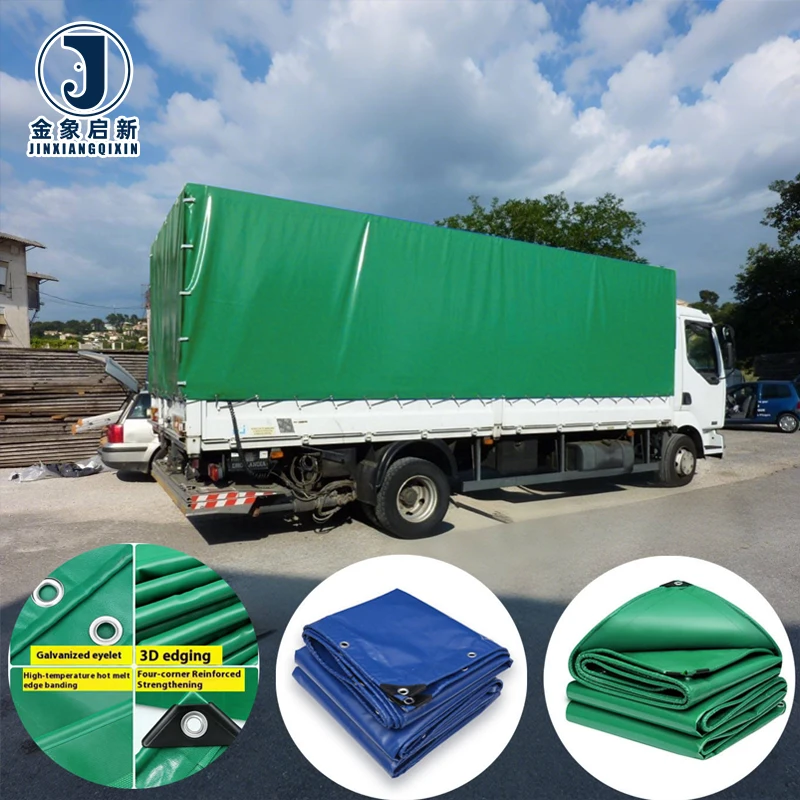
| Truck cover fabrication from roll stock | Constant flexing at side curtains, road abrasion, UV exposure, welded seams under tension |
| Tent and awning panel production | Long uninterrupted runs on cutting tables — demands consistent width and coating adhesion per roll |
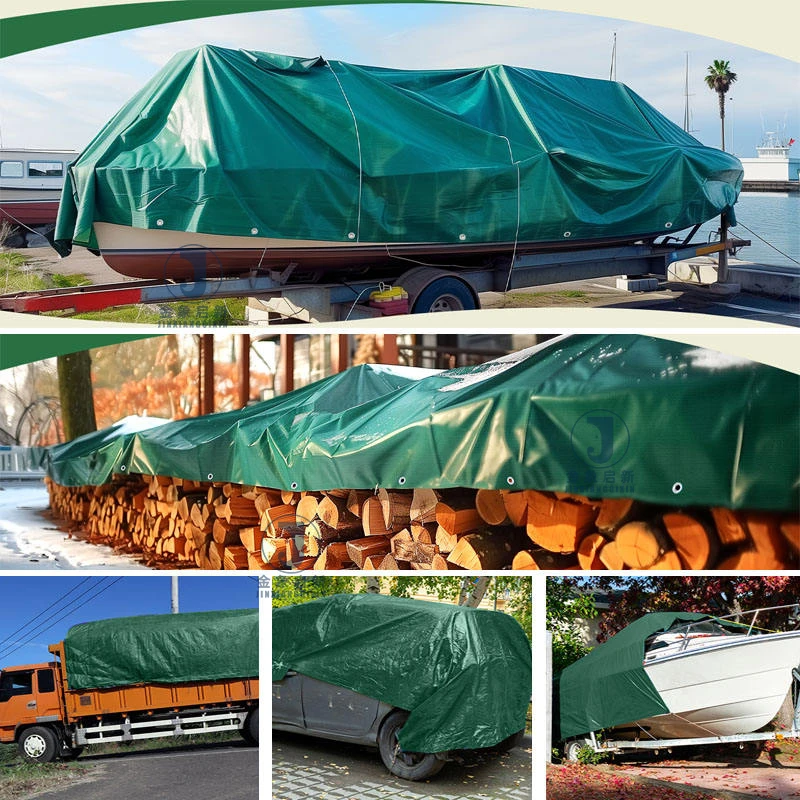
| Water-resistant covers for equipment storage | Prolonged outdoor contact with rain and humidity, mildew risk in tropical storage |
| Coated pattern fabric for branding | Printed or heat-transferred logos requiring stable surface and colour background |
Why Roll Buyers Lose Money on Inconsistent Coating Weight
The quoted GSM is only useful if every roll in the shipment actually matches it.
When purchasing PVC Coated Tarpaulin Roll wholesale, the most common dispute is material that arrives lighter than the specification sheet stated. A distributor who sells to fabricators cannot afford to have one roll in a batch test 10% below the quoted weight — that roll produces covers that fail early, and the complaint lands on the distributor, not the mill. Batch-level verification before the container is sealed is the difference between reliable roll stock and a claims process. [NEED_CITE: tensile and tear test methods for coated fabrics per ISO 1421]
How Hot-Melt and Laminated Coating Methods Affect Roll Performance
The coating method defines how well the PVC layer bonds to the polyester base fabric. Laminated technology bonds pre-formed PVC films to the woven substrate under heat and pressure, producing a smooth surface suited to printing and consistent visual appearance across long roll runs. Hot-melt coating applies molten PVC directly into the weave, filling the gaps between yarns and creating a thicker bond line that resists delamination when the fabric is cut and heat-welded into finished covers. For PVC Coated Tarpaulin Roll wholesale buyers who fabricate in-house, the choice between laminated and hot-melt directly affects weld strength and edge behaviour on the cutting table.
What Coating Adhesion Means for Fabrication Yield
When a fabricator heat-welds two panels together, the seam strength depends on the coating’s ability to fuse without separating from the base yarns. Rolls produced with weak coating adhesion will delaminate at the weld line before the fabric itself reaches its tear limit. This is particularly visible in truck side curtain applications where the fabric flexes continuously and the weld is under cyclic stress. Hot-melt coated rolls typically show stronger peel resistance at the bond interface because the PVC penetrates the weave rather than sitting on top of it. [NEED_CITE: peel strength test methods for coated textile fabrics]
How Base Fabric and Coating Together Define Real Strength
The tearing strength of a PVC coated tarpaulin roll is not determined by GSM alone. A high-tenacity polyester base fabric provides the structural skeleton — the denier of the yarns and the warp-weft density control how far a tear propagates once the fabric is punctured. The PVC coating adds weight and surface protection but does not proportionally increase tear resistance. This is why two rolls with identical GSM can behave very differently on the fabrication floor: one tears cleanly along the weave, the other resists propagation because the yarn count is higher. For buyers comparing PVC coated tarpaulin roll options, the base fabric specification matters as much as the stated weight. Surface finish also plays a role — a glossy surface sheds water and dirt more readily, while a matte surface offers better grip during handling and printing adhesion for branding. The available anti-mildew treatment protects rolls stored in humid warehouses before fabrication begins. [NEED_CITE: DIN 4102 fire classification for building materials]
The Hidden Cost of Ordering Roll Stock Without Batch Matching
Colour variation between rolls in the same container is one of the most visible quality failures in tarpaulin distribution. When a fabricator cuts panels from two different rolls and welds them side by side, even a slight shade difference becomes obvious once the cover is installed outdoors in direct light. For tent and awning manufacturers running production lines, a single mismatched roll can halt the cutting table while operators sort through inventory to find a matching batch. The cost is not just the wasted material — it is the delayed shipment, the rework labour, and the credibility damage with the end customer. Rolls that are not verified for GSM consistency also create problems downstream: a fabricator who designs a truck cover around a stated weight and then receives lighter material builds a product that underperforms in the field. [NEED_CITE: colour fastness testing standards for coated fabrics]
Why Wholesale Roll Buyers Source from Jinxiang
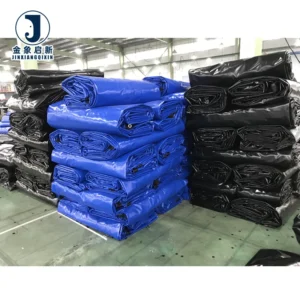
Three full production lines and 36 sets of professional equipment allow container-volume orders to be completed within a single production run, reducing batch variation.
Dedicated QA/QC at every production stage means each roll is inspected for GSM, coating weight, and colour match before it leaves the line — not sampled after the container is packed.
A 10-person R&D team handles custom width, colour matching, and surface treatment specifications, developing samples within days for buyers who need to confirm the roll before committing to volume.
Laminated and hot-melt coating processes are both available on-site, giving buyers the flexibility to specify the coating method that matches their fabrication process without sourcing from two different mills.
ISO and CE certified production with full documentation per shipment — material specification sheets, test reports for applicable treatments, and roll-by-roll packing lists that match the container loading plan.
Documentation & Verification
- Material specification sheet stating GSM, base fabric denier, coating method, and colour reference per batch
- Pre-shipment inspection record with individual roll weight verification against quoted GSM
- Test reports for flame retardant, anti-static, or UV treatment where applicable to the ordered grade
- Roll packing list detailing dimensions, weight, and roll count aligned with container loading plan
- Certificate of origin and customs documentation included with every international dispatch
Fabrication, Handling & Storage
- Heat-weld seams at temperatures suited to laminated or hot-melt PVC coating to achieve full fusion without delamination
- Store rolls upright on pallets in a dry warehouse to prevent flat-spot deformation on the coating surface
- Allow cold-stored rolls to reach ambient temperature before unrolling to avoid cracking the PVC layer
- Plan cutting layouts around the roll width to minimise offcut waste and reduce the number of welded joints
- Clean glossy-finish rolls with mild detergent only to preserve the surface coating and colour fastness
What to Include in Your Roll Stock Inquiry
To receive an accurate specification and quotation, provide the application the rolls will be fabricated into, the target market and any regulatory requirements such as fire classification, and the annual volume with preferred roll width and length. If you require colour matching to a specific reference or printed branding on the roll surface, include the Pantone or RAL code and the print repeat dimensions. Specify which treatments — flame retardant, anti-static, anti-cold, or anti-mildew — your end use demands so the correct grade is quoted. Samples are available for cutting and weld testing before you commit to a production order.
Frequently Asked Questions
Q: How is GSM verified on each roll before shipment?
A: Every roll is weighed and measured during the pre-shipment inspection. The actual GSM is recorded against the quoted value and documented on the packing list. Rolls that fall outside the agreed tolerance are replaced before the container is sealed, ensuring the PVC Coated Tarpaulin Roll wholesale order arrives with consistent weight across every roll.
Q: What width and roll length options are available for bulk orders?
A: Standard widths are available from stock, and custom widths can be produced to match your cutting table layout. Roll length is specified per order based on your fabrication requirements and container loading efficiency. The R&D team can develop a sample roll at your requested dimensions for approval before the full production run begins.
Q: How is batch-to-batch colour consistency maintained across a container load?
A: Rolls for a single order are produced in one continuous run using the same coating batch. Colour is checked roll-to-roll against the reference standard before packing. If a multi-batch production is unavoidable, rolls are grouped by shade and clearly marked so fabricators can plan panel matching during cutting.
Q: What treatments are available and how are they documented per roll?
A: Flame retardant, anti-static, anti-cold, and anti-mildew treatments are available depending on the end use. Each treatment is documented with a test report where the applicable standard has been confirmed at inquiry. Buyers should specify the grade or standard required by their market so the correct treatment level is applied and verified.
Q: What is the minimum order quantity for custom widths or colours?
A: Minimum quantities for custom specifications depend on the width, colour, and treatment combination requested. Custom colours typically require a production run large enough to ensure batch consistency. Contact the sales team with your required specification and annual volume to receive a quotation with the applicable minimum and lead time.