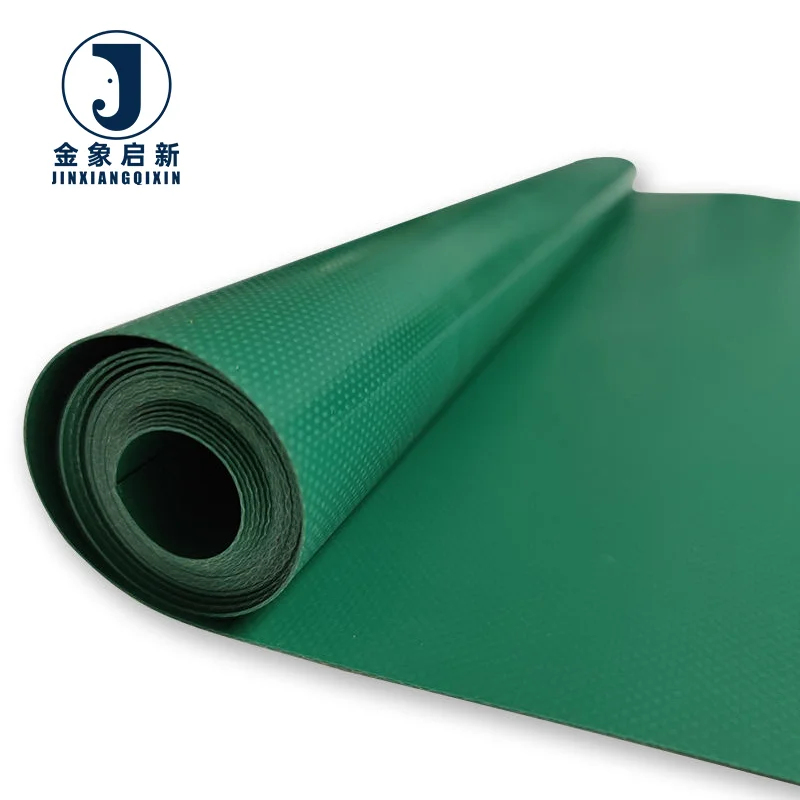
Description
Bulk Roll Consistency — every roll verified against the stated GSM before dispatch, eliminating weight drift across a container load.
Technical Specifications
| Parameter | Value |
|---|---|
| Product Type | PVC Knife Coated Tarpaulin |
| Weight | 650 GSM |
| Coating Method | Knife Coated |
| Coating Material | PVC |
| Base Fabric Denier | 1000D |
| Total Thickness | 0.70–1.0 mm |
| Tensile Strength (Warp/Weft) | 2000–2500 / 1800–2200 N/5cm (test basis not stated in source) |
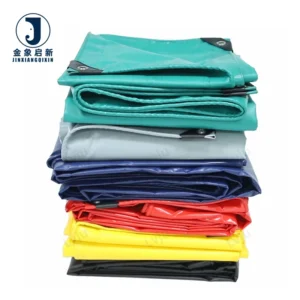
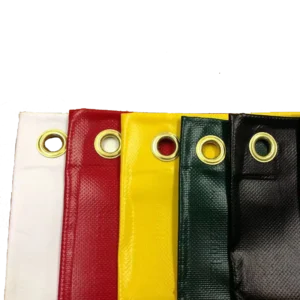
| Color | Black |
| Key Features | Waterproof, mildew proof, anti-aging, tear resistant, UV treatment available (test basis not stated in source) |
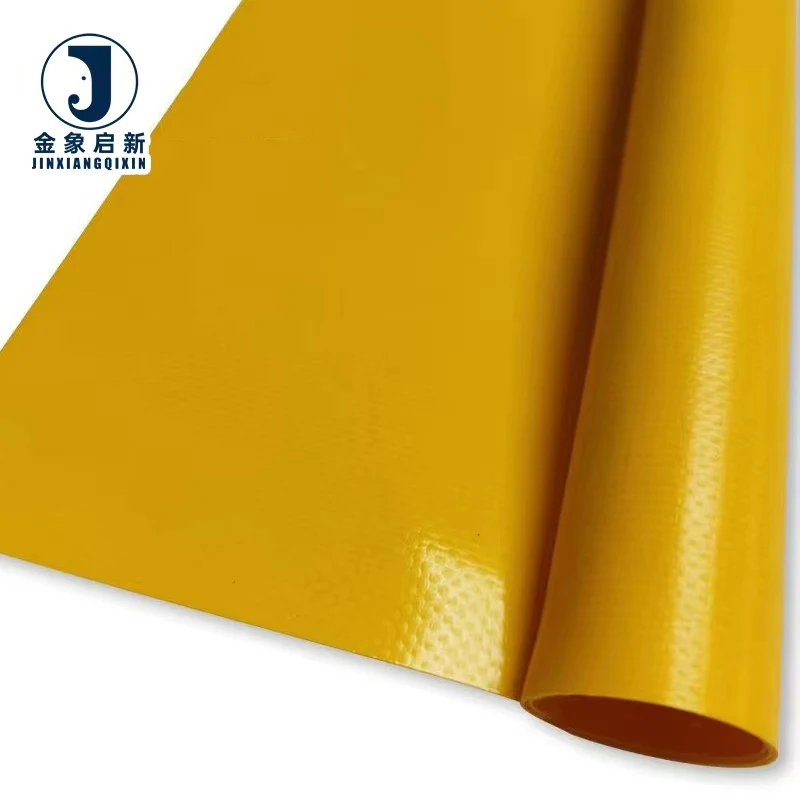
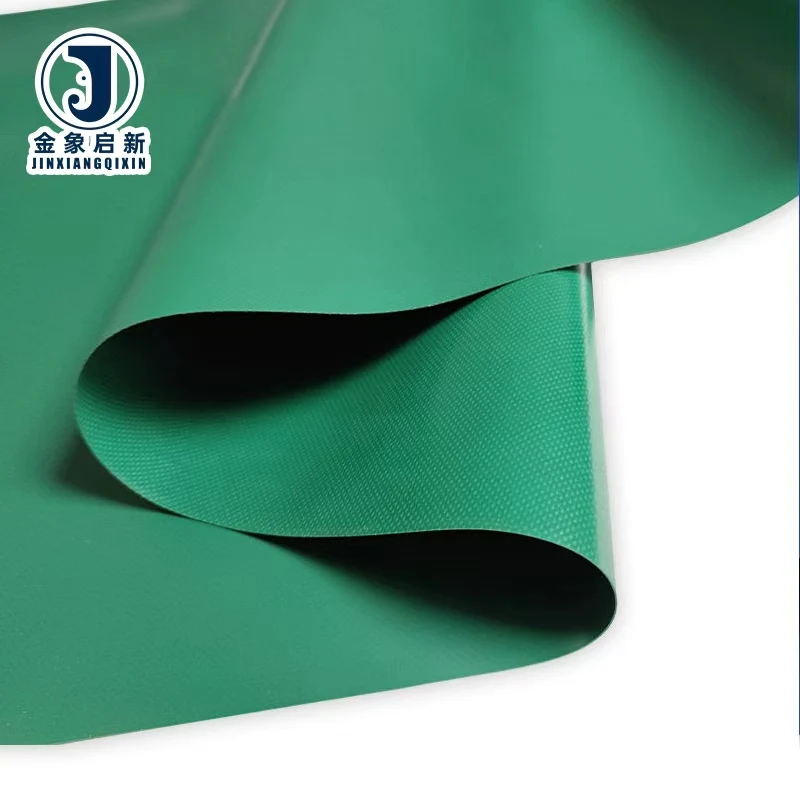
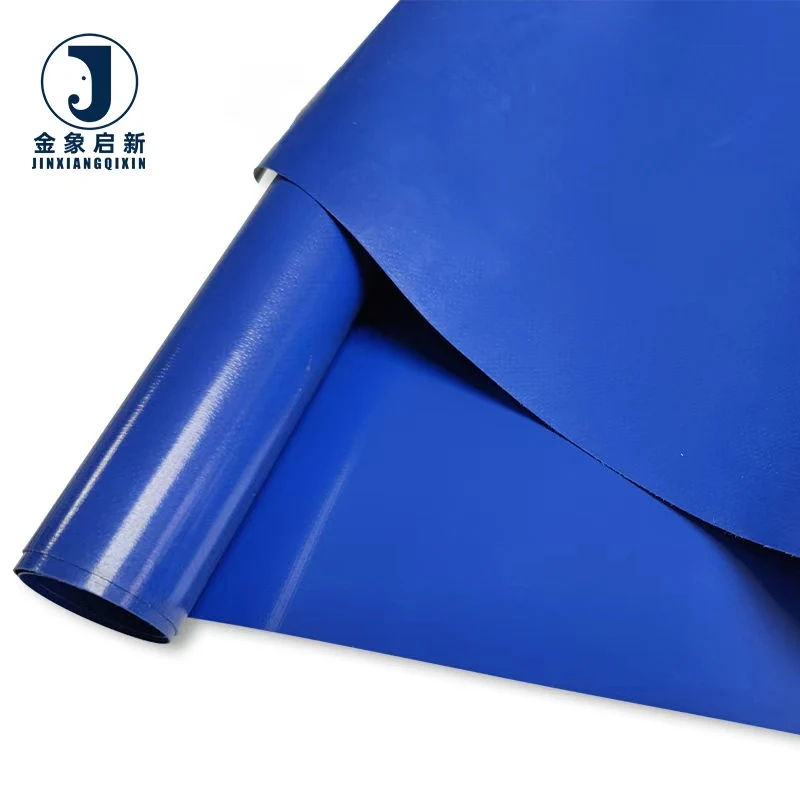
| Surface Finish | Glossy or matte |
| Certifications | ISO, CE |
Application Suitability
| Application | Exposure & Requirement |
|---|---|
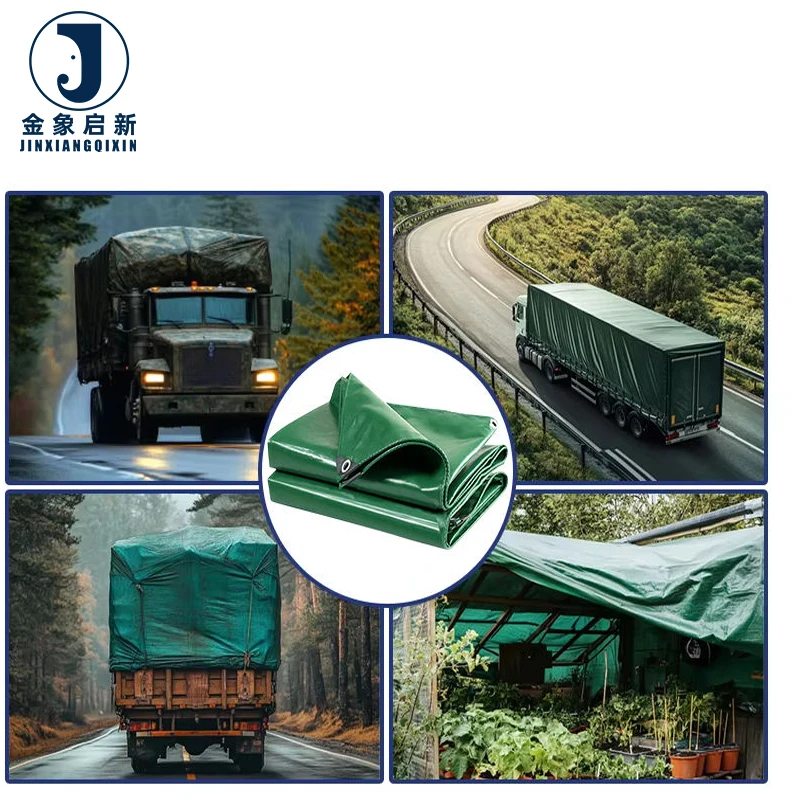
| Truck and trailer side curtain | Constant flexing at load points, road spray, UV exposure, tie-down abrasion |
| Construction equipment cover | Sun and rain exposure, wind uplift, puncture risk from sharp edges |
| Agricultural machinery cover | UV and moisture exposure, dust, field chemicals |
| Outdoor industrial storage | Permanent outdoor placement, water pooling, temperature cycling |
| Large material pile cover | Abrasion from bulk material, wind-driven rain, UV degradation |
Why GSM and Base Fabric Density Must Be Evaluated Together
A 650GSM PVC knife coated tarpaulin roll only delivers its rated strength when the coating weight and the base fabric denier are both verified independently.
Buyers frequently see GSM stated on the quotation and then receive rolls that measure lighter on arrival. The coating accounts for a significant share of total weight, and a shortfall there rarely shows in a visual inspection but directly reduces tear and tensile performance. [NEED_CITE: ISO 1421 tensile and tear test methods for coated fabrics]. A heavy-grade coated roll with verified base fabric density and measured coating weight behaves very differently under load flex than one where only the total GSM is checked. This is why pre-shipment inspection must cover both components separately rather than relying on a single scale reading.
Roll-to-Roll Colour and Weight Matching in Bulk Orders
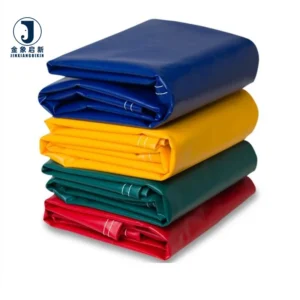
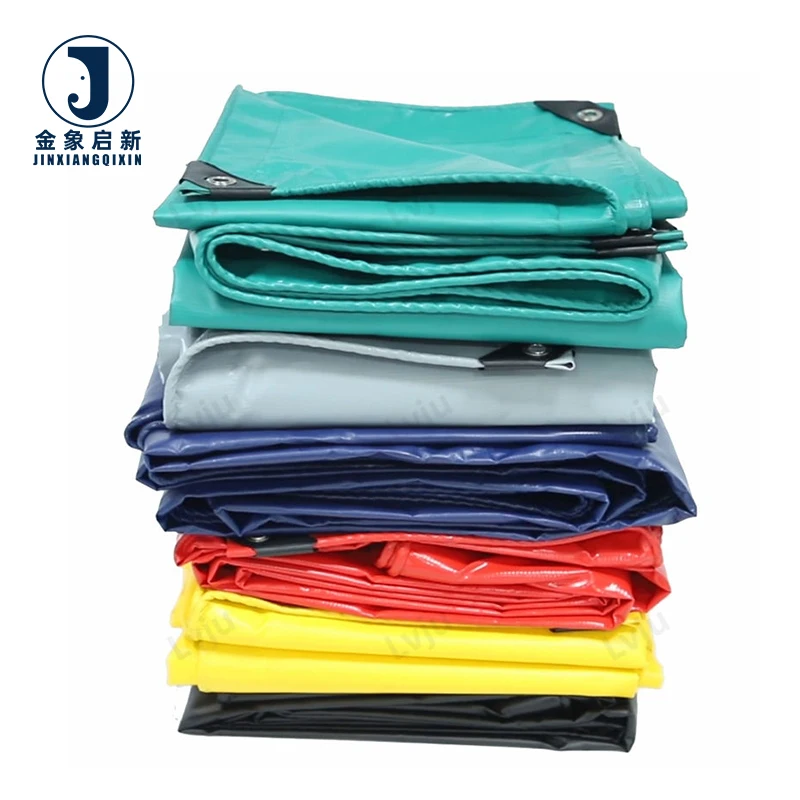
When a distributor or fabricator orders multiple rolls of 650GSM PVC knife coated tarpaulin roll stock for a single project, any weight variation between rolls becomes visible the moment panels are installed side by side. Our production runs maintain coating weight consistency across the entire batch through controlled knife gap settings and inline measurement. Colour formulation is matched at the compounding stage so that every roll in the same order carries the same shade code, removing the rework cost of replacing mismatched panels after installation.
Container Loading and Custom Roll Width
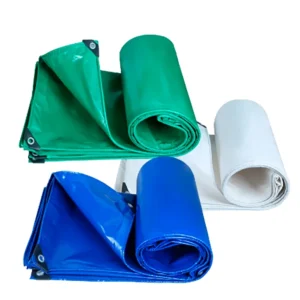
Fabricators buying PVC knife coated tarpaulin roll stock by the container need widths that align with their cutting patterns to minimise offcut waste. [NEED_CITE: material utilisation rates in coated fabric cutting operations]. We offer custom roll widths and lengths so that each roll fits the intended panel dimensions without unnecessary trimming. A container loading plan by roll count and weight is supplied before dispatch, allowing the buyer to confirm that the full payload is used efficiently and that every roll is accounted for in the packing list.
How Coating Method and Base Fabric Drive Real-World Performance
Knife coating deposits a measured layer of PVC compound onto a moving base fabric, allowing the compound to penetrate the weave before curing. This penetration creates a mechanical bond that gives knife coated fabric higher peel strength than laminated alternatives, which rely on an adhesive layer between two pre-formed films. The 1000D base fabric in this grade provides the structural backbone; the warp and weft yarns carry the tensile load while the coating protects against moisture and abrasion. Together, the denier and coating weight determine how the material handles a concentrated point load, such as a tie-down strap pulling against a flexing trailer side. The total thickness range of 0.70 to 1.0 mm reflects the coating build, which also influences low-temperature flexibility and high-frequency welding behaviour. A thicker coating layer generally welds more predictably because there is more compound available to flow at the weld interface, but it also adds stiffness that affects how the fabric drapes over irregular loads. Surface finish — glossy or matte — changes how easily dirt releases from the face and how well printed branding adheres during fabrication.
The Cost of Overlooking Coating Weight Verification
A roll that arrives underweight rarely fails on the first day; it fails at the flex point where the load shifts most, weeks into service. By that stage the tarpaulin has been cut, welded, and installed, so the replacement cost includes labour, downtime, and freight — far beyond the material price difference. Colour drift between rolls in the same order creates a different problem: visible panel mismatch on a finished truck or structure, forcing partial replacement of an otherwise serviceable installation. [NEED_CITE: common causes of premature coated fabric failure at welded seams]. These are not hypothetical risks; they account for a significant share of warranty claims in the coated fabric supply chain.
Why Source This Grade from Jinxiang
Our three full production lines and 36 sets of professional equipment support bulk roll output with on-time delivery schedules that fabricators can plan around. A dedicated QA/QC team inspects every roll before shipment, recording verified GSM and coating weight on the pre-shipment inspection record so you receive documented proof, not just a quotation claim. The 10-person R&D team develops custom width and colour samples within days, allowing you to approve a physical roll before committing to a full production run. Material specification sheets ship with every order, stating base fabric denier, coating method, and weight so that your receiving team can verify against the documentation immediately.
Documentation & Verification
- Weight verification per roll against the stated 650 GSM before dispatch
- Material specification sheet listing 1000D base fabric and knife coating method
- Pre-shipment inspection record with measured coating weight per roll
- Roll packing list with container loading plan by roll count and weight
- Certificate of origin and customs documentation for international shipments
- UV and flame-retardant test reports where applicable treatments are specified
Fabrication, Handling & Storage
- Weld temperature and dwell time must suit the 0.70–1.0 mm coating thickness for consistent seam strength
- Allow 650 GSM rolls to acclimatise to workshop temperature before unrolling to prevent crease marks
- Store rolls horizontally on racking to avoid flat-spotting the PVC coating under prolonged pressure
- Use compatible PVC-based adhesives for patch repairs to maintain coating bond integrity
- Matte finish surfaces accept screen-printed branding with better ink adhesion than glossy faces
- Plan cutting layouts around the supplied roll width to minimise offcuts from this heavy-duty grade
Requesting a Quote That Matches Your Project
Tell us the end-use application and the environmental conditions the fabric will face, including UV exposure and any fire classification required in your market. Confirm the roll width and length that suit your cutting patterns, along with the annual volume so we can plan production slots accordingly. If you need finished panels rather than roll stock, provide the cut dimensions and any edge reinforcement or eyelet requirements for a complete quotation.
Frequently Asked Questions
Q: How is the 650GSM weight verified before shipment?
A: Every roll is weighed and the coating weight is measured during our pre-shipment inspection. The results are recorded on an inspection report that ships with your order. This two-step check separates base fabric weight from coating weight, confirming the total 650 GSM and catching any shortfall before the rolls leave the facility.
Q: What is the difference between knife coated and laminated PVC tarpaulin?
A: Knife coating applies liquid PVC directly into the base fabric weave, creating a mechanical bond with higher peel strength. Laminated PVC joins two pre-formed film layers to the fabric with an adhesive. Knife coated fabric generally performs better under repeated flexing and high-frequency welding, which matters for truck curtains and structural covers.
Q: Can you supply custom roll widths for efficient container loading?
A: Yes. We produce custom widths and lengths to match your cutting patterns and container capacity. A loading plan detailing roll count, dimensions, and total weight is provided before dispatch so you can verify utilisation and confirm the order fills the container efficiently without excess dead weight.
Q: How do you ensure colour consistency across multiple rolls in one order?
A: Colour is formulated at the compounding stage using matched shade codes for the entire batch. Rolls from the same production run are inspected side by side before packing. If a drift is detected, the affected rolls are pulled and reprocessed, so every roll in your container arrives in the same shade.
Q: What documentation ships with each roll order?
A: Each dispatch includes a material specification sheet stating base fabric denier, coating method, and GSM, a pre-shipment inspection record, a roll packing list, and a certificate of origin. Where UV or flame-retardant treatments are specified, the corresponding test reports are included as well.