Description
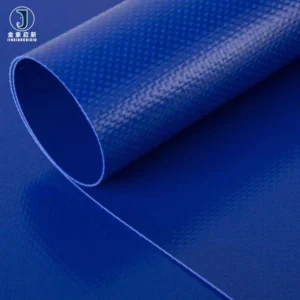
Proven Coating Control — nearly 30 years of focused PVC coating process mastery ensures every roll of 610g Blackout Coated PVC Tarpaulin meets the stated weight and adhesion standards before it leaves the line.
Technical Specifications
| Parameter | Value |
|---|---|
| Product Type | PVC Tarpaulin |
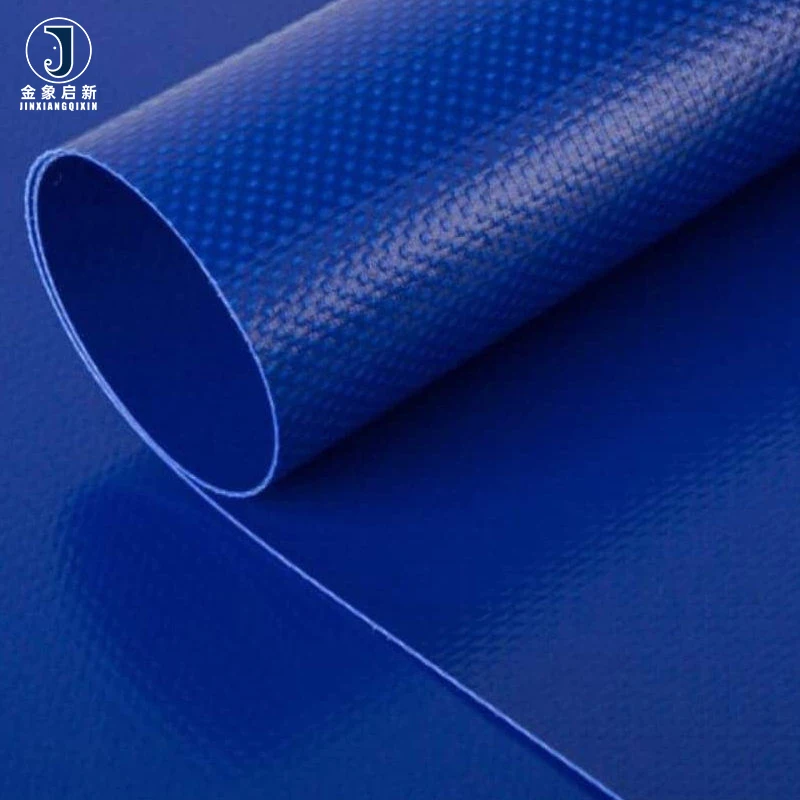
| Material | PVC + High-strength polyester mesh fabric |
| Coating Technology | Laminated & Hot-melt Coating |
| Weight Options | 350gsm / 420gsm / 500gsm / 550gsm / 600gsm / 750gsm |
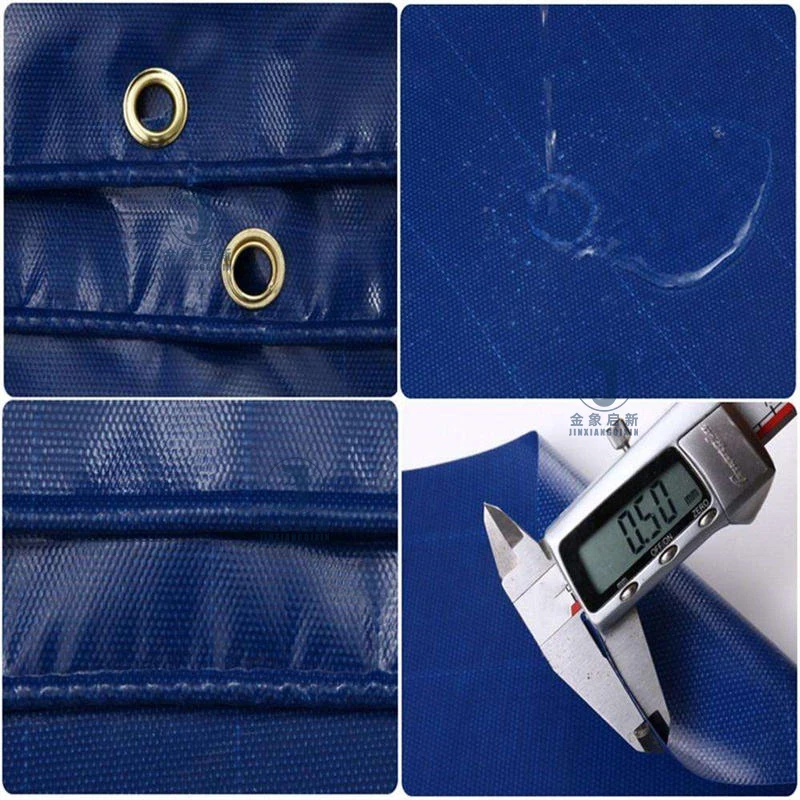
| Total Thickness | 0.32mm / 0.35mm / 0.4mm / 0.45mm / 0.5mm / 0.65mm |
| Roll Size | 2m × 75m / 2.1m × 50m |
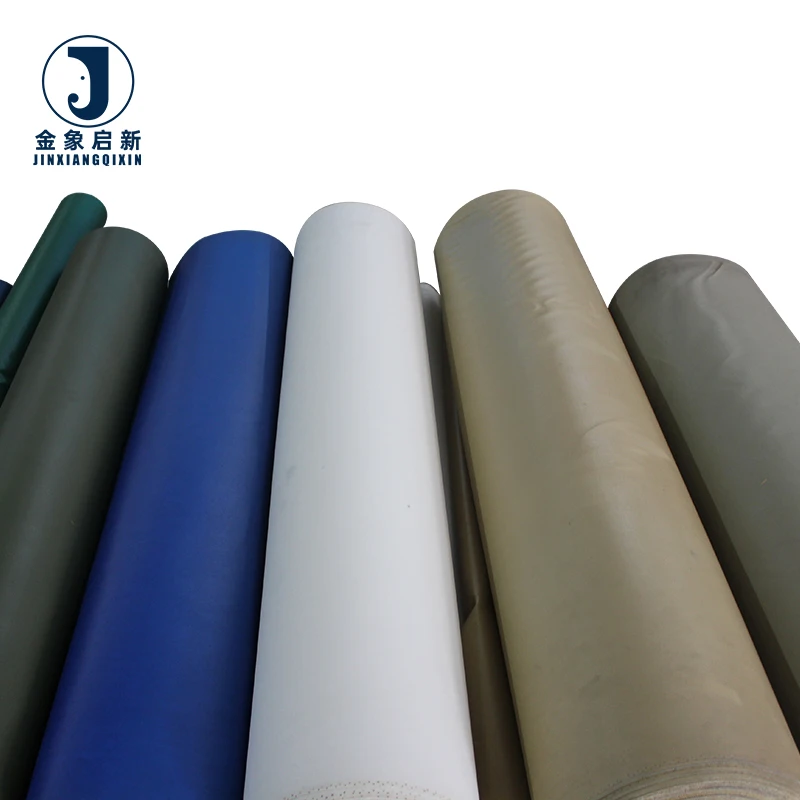
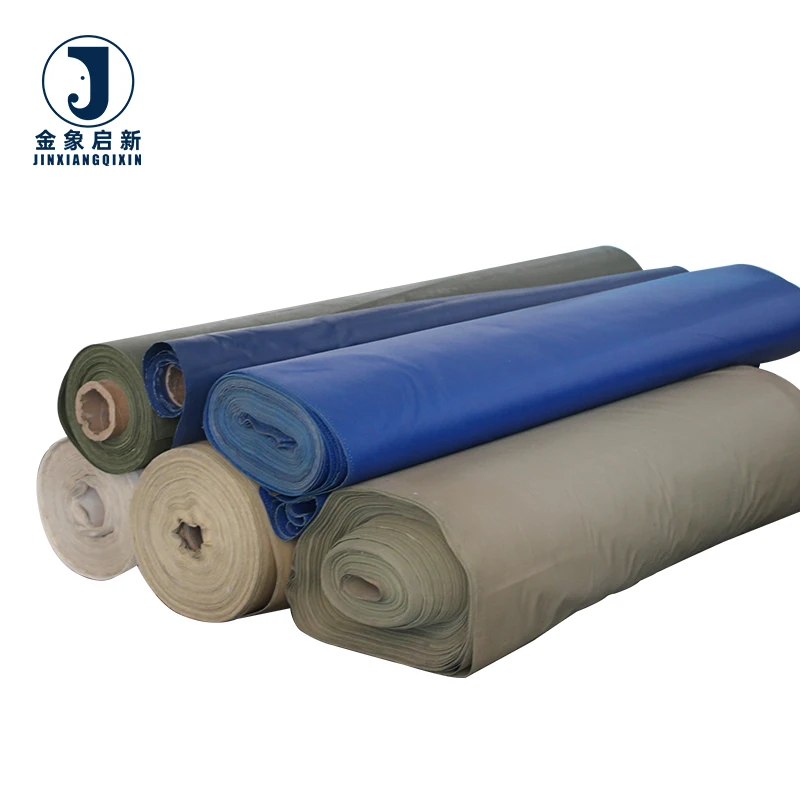
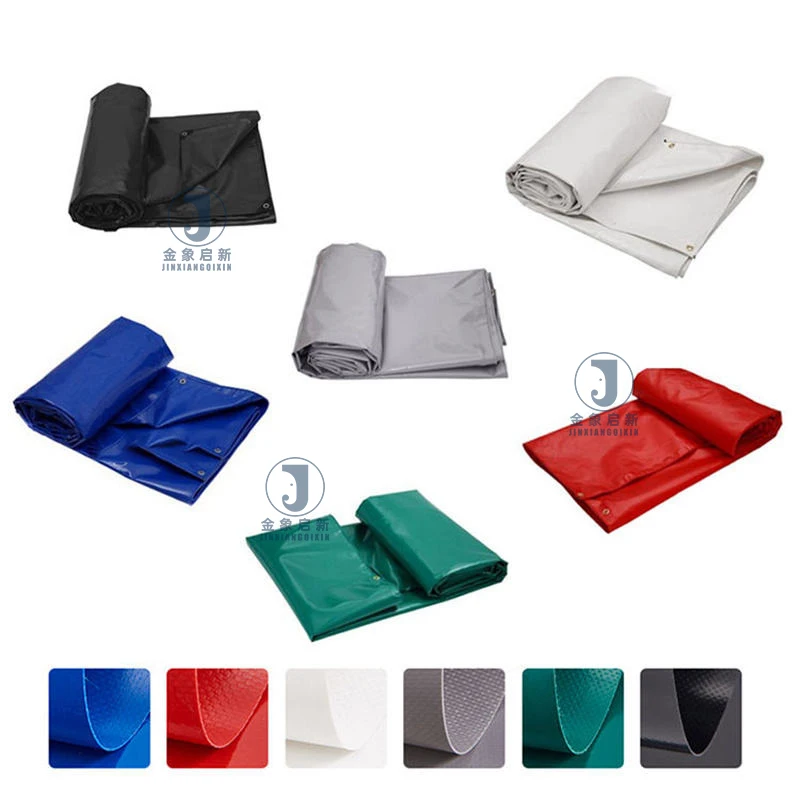
| Color Options | Blue, Red, Yellow, Light Blue, Grey (custom colors available) |
| Key Features | Cold crack resistance, anti-mildew, waterproof, UV resistant |
| Special Treatments | Flame retardant, anti-static, anti-cold, anti-mildew, 3P (grade not stated — confirm required standard) |
| Service Life | 3–7 years under normal conditions (source value — verify against specific application) |
Application Suitability
| Application | Exposure & Requirement |
|---|---|
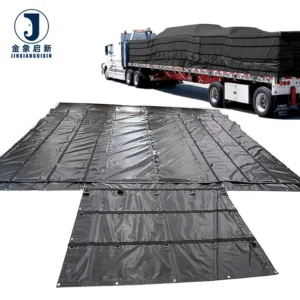
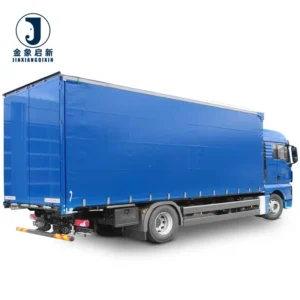
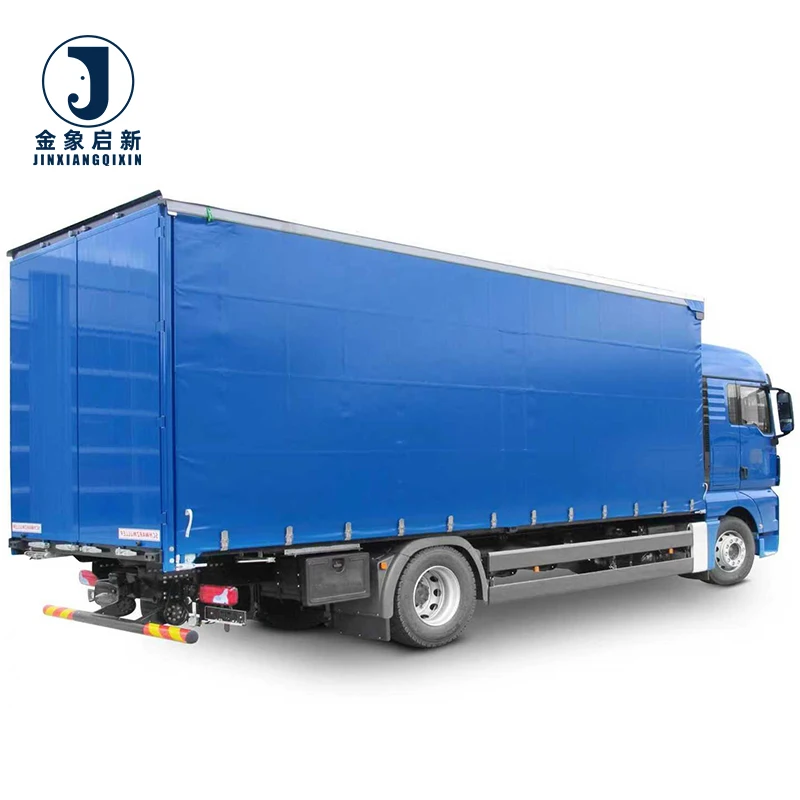
| Truck side curtains and awnings | Constant flexing at load points, road debris abrasion, sustained UV and weather exposure |
| Construction site enclosures | Wind load on large panels, scaffold contact abrasion, prolonged sun and rain exposure |
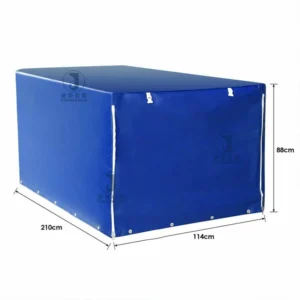
| Equipment and machinery covers | Outdoor storage conditions, dust and moisture ingress, repeated handling and folding |
| Agricultural stock covers | UV degradation from field exposure, moisture and organic contact, seasonal deployment cycles |
| Marine and offshore maintenance wraps | Salt spray corrosion, high wind tension, wet surface handling during installation |
What Roll-to-Roll Consistency Actually Costs You When It Is Missing
Batch variation in weight and colour across rolls is the most common reason wholesale PVC tarpaulin orders fail at the warehouse, not on the road.
When a distributor receives a container of PVC Coated Tarpaulin Roll wholesale stock and the third roll weighs noticeably less than the first, the entire shipment credibility drops. Fabricators who cut side curtains from inconsistent rolls face customer complaints about panels that sag or stretch unevenly. Colour shifts between rolls in the same order become visible the moment two panels hang next to each other on a trailer. These are not cosmetic issues — they are specification failures that trigger returns and erode resale margins across the distribution chain. [NEED_CITE:]
Coating Adhesion and Its Role in Welded Seam Integrity
The bond between the PVC coating and the polyester base fabric determines whether a welded seam holds through years of flexing or delaminates at the first stress point. Laminated and hot-melt coating technologies both address this, but through different mechanisms — lamination bonds pre-formed PVC films to the mesh under heat and pressure, while hot-melt coating applies molten PVC directly into the weave structure. For truck cover fabricators, this distinction matters because the welding process reheats the coating at the seam, and the original adhesion method influences how consistently the seam bonds. A PVC tarpaulin aftermarket supplier selecting roll stock must match the coating technology to their welding equipment settings.
Standard Roll Widths and Their Impact on Cutting Waste
Stock roll widths of 2m and 2.1m cover the majority of truck curtain and industrial cover panel dimensions without excessive off-cuts. The 75m and 50m roll lengths allow fabricators to plan continuous cuts across multiple panels, reducing the number of horizontal welds that become potential failure points. When a fabricator orders PVC Coated Tarpaulin Roll wholesale stock in these standard dimensions, container loading efficiency improves because roll diameter and weight remain predictable. Custom widths are available for specialised applications, though they require sample development and carry different minimum order parameters than stock inventory. [NEED_CITE:]
How Base Fabric and Coating Weight Interact to Define Real Performance
GSM alone does not tell you how a coated fabric will perform under tension. The total weight is a sum of the polyester base fabric denier, the weave density, and the PVC coating applied to both sides. A 550gsm roll with a heavy base fabric and thin coating will tear differently than a 550gsm roll with a light base and thick coating — the first resists tear propagation through yarn strength, the second through coating thickness. Hot-melt coating penetrates the weave more deeply than lamination, which affects peel strength at welded seams. The stated thickness range of 0.32mm to 0.65mm across the weight options correlates with both base fabric density and coating build, and fabricators should request the base fabric specification alongside the total GSM to understand the balance between tensile strength and flexibility for their specific cutting and welding processes.
The Hidden Cost of Specifying on Price Per Kilogram Alone
When buyers evaluate PVC tarpaulin roll stock purely on cost per kilogram, they often receive material where the coating weight has been reduced and the base fabric carries more of the total GSM. The result is a fabric that meets the quoted weight on a scale but behaves differently under welding — thinner coating layers do not flow consistently during heat sealing, producing seams that fail before the fabric body does. Colour inconsistency across rolls in the same batch compounds this problem for distributors who resell to fabricators. A roll that looks correct in the warehouse but welds poorly on the shop floor destroys margin through rework and customer claims that no amount of upfront savings can offset. [NEED_CITE:]
Why Sourcing Roll Stock Through This Facility Works
Three full production lines with 36 sets of professional equipment provide the capacity to fulfil container-volume PVC tarpaulin orders without splitting batches across different machines, which is the primary cause of roll-to-roll variation. A 10-person R&D team develops custom colour and width samples within days rather than weeks, allowing distributors to confirm specifications before committing to full production runs. Dedicated QA/QC inspection at every production stage, with 100% pre-shipment checking, means the roll packing list matches what actually arrives in the container. ISO and CE certified processes provide the documentation framework that importers need for customs clearance in regulated markets. The focus on coated fabric for nearly 30 years means process parameters for each GSM grade are established, not experimental.
Documentation & Verification
- Material specification sheet stating GSM, base fabric construction, and coating type per roll grade
- Pre-shipment inspection record confirming actual coated weight against stated specification
- Roll packing list detailing roll count, dimensions, and net weight for container planning
- Certificate of origin supporting customs documentation for import markets
- Colour reference samples retained per production batch for future reorder matching
Fabrication, Handling & Storage
- Hot-melt coated rolls weld at standard PVC frequencies — test seam peel strength before full production runs
- Store rolls horizontally on pallets to prevent edge compression marks on the coating surface
- Allow cold-weather rolls to reach ambient temperature before unrolling to avoid coating crack stress
- Use rotary blade cutters on 0.45mm and above thickness grades to prevent base fabric yarn pull
- Clean welded seams with mild solvent only — aggressive cleaners can soften the PVC coating bond
- Plan panel layouts to place horizontal welds away from the highest flex zones on truck curtains
What to Include in Your Enquiry
To match you with the correct roll grade and coating technology, specify the end-use application and the exposure conditions the finished product will face — truck side curtains, static equipment covers, and construction enclosures each demand different weight and treatment combinations. State your required roll width, target GSM range, and whether you need stock colours or custom colour matching. If your market requires flame retardant or anti-static certification, name the standard your customers expect so the correct treatment grade can be quoted from the outset.
Frequently Asked Questions
Q: How is GSM verified per roll before shipment?
A: Each roll undergoes a pre-shipment weight check against the stated GSM specification. The inspection record documenting actual measured weight accompanies the dispatch paperwork, so you can verify on arrival that the material received matches what was quoted. This eliminates the common problem of rolls arriving lighter than agreed.
Q: How do you control colour consistency across rolls in the same order?
A: Production runs for a single order are kept on the same coating line with consistent formulation batches. Retained colour reference samples from each production run allow visual comparison during inspection. Rolls are checked side by side before packing so that any visible variation is caught before the container is loaded.
Q: What roll widths and lengths are in stock versus custom?
A: Standard stock rolls are 2m × 75m and 2.1m × 50m across the available GSM range. Custom widths and lengths are produced to order with sample development available for approval before full production. Custom orders carry different lead times and minimum quantities than stock roll purchases.
Q: How are rolls packed and loaded for container shipping?
A: Rolls are packed horizontally on pallets with protective wrapping to prevent transit damage and edge compression. The roll packing list provides exact roll count, dimensions, and container weight calculations so you can plan loading efficiently. Standard roll diameters are consistent across the same GSM grade for predictable stacking.