Description
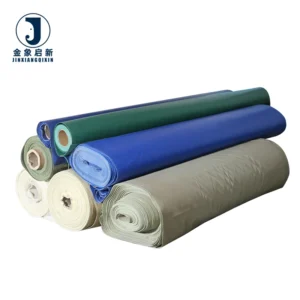
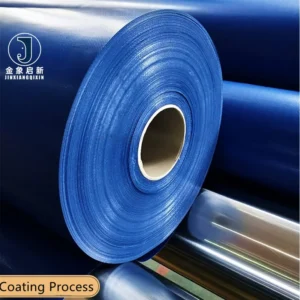
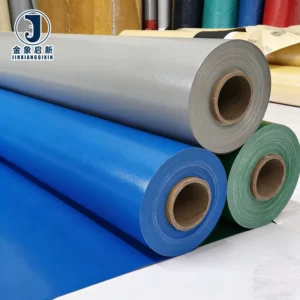
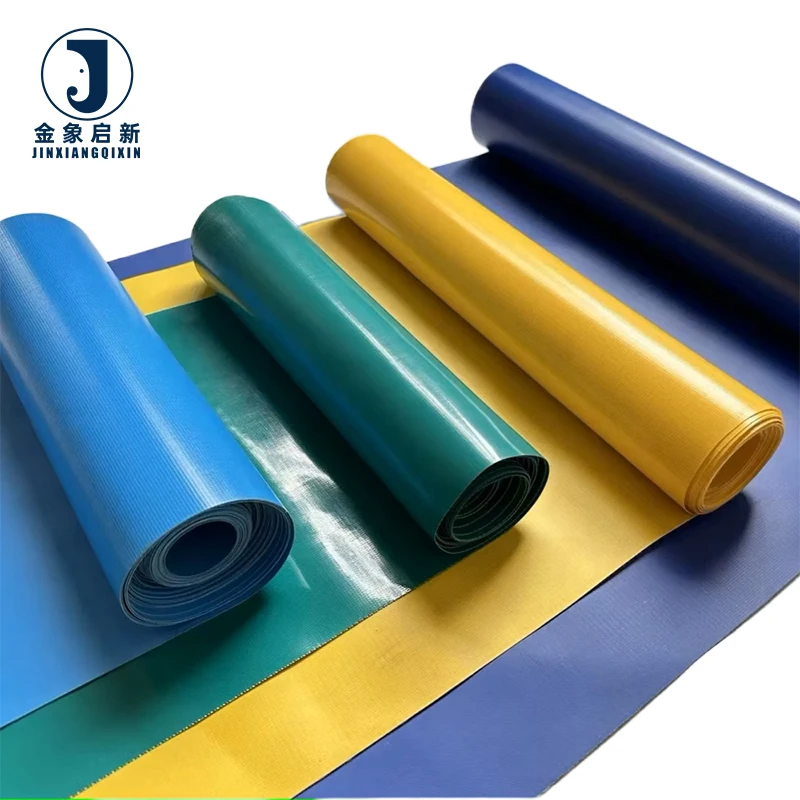
Coated Fabric Consistency — three full production lines and 36 sets of equipment support batch-to-batch roll uniformity in coating weight, colour and surface finish for wholesale buyers.
Technical Specifications
| Parameter | Value |
|---|---|
| Product Type | PVC Coated Tarpaulin |
| Material | PVC Coated Fabric |
| Weight Range | 250gsm-1500gsm (confirm the grade for this item) |
| Base Fabric Denier Options | 200DX300D, 500DX500D, 840DX840D, 1000DX1000D |
| Coating Material | PVC |
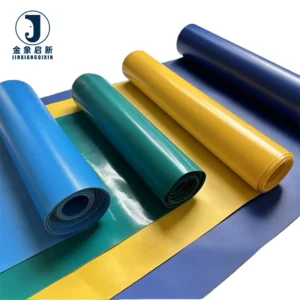
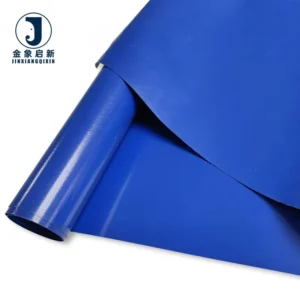
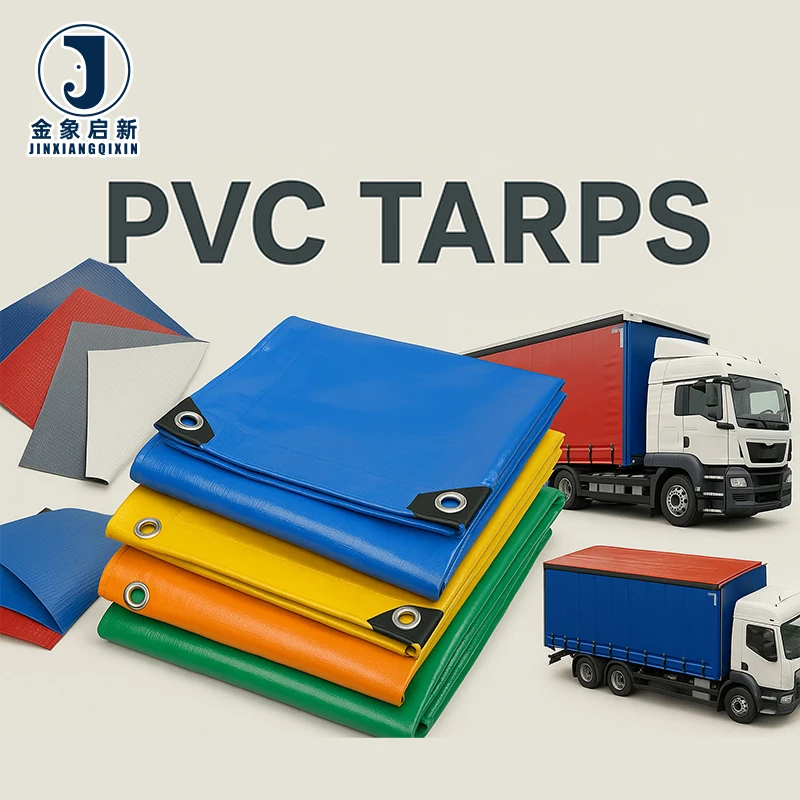
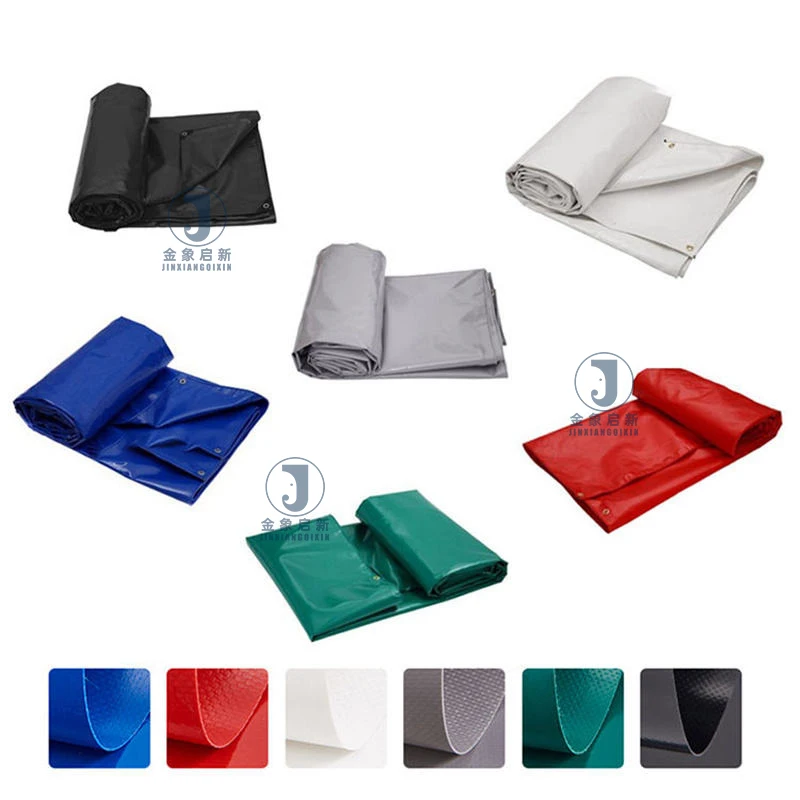
| Color Options | Blue, Yellow, Black, Green, White, or Custom |
| Surface Finish | Glossy or Matte |
| Temperature Range | -15°C to 70°C |
| Treatment Options | Waterproof, UV, Flame Retardant, Anti-Fungal |
| Flame Retardant Grade | Grade not stated — confirm the grade required for your market |
| UV Treatment | Customized — test basis not stated in source |
| Working Life | 3-10 years depending on usage environment |
| OEM/ODM | Accepted |
| Standards | ISO, CE |
Application Suitability
| Application | Exposure & Requirement |
|---|---|
| Tarpaulin distribution and import | Consistent roll weight and colour across container loads for resale to fabricators and end users |
| Tent and awning manufacturing | Uniform surface finish for heat-welded seams and clean visual appearance on assembled structures |
| Inflatable structure fabrication | Reliable coating adhesion to hold air pressure without delamination at stress points |
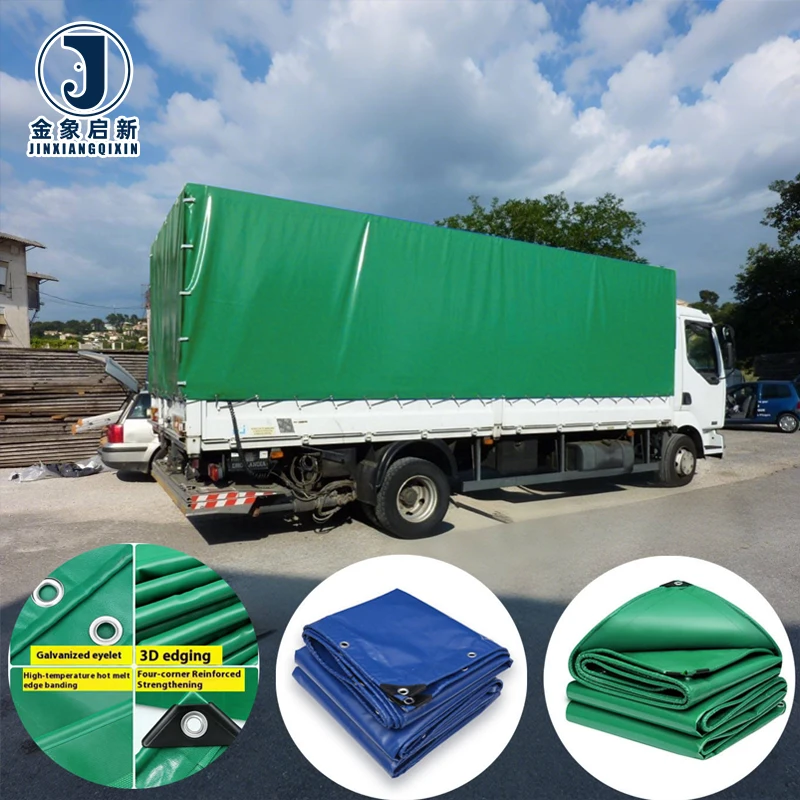
| Truck and trailer side curtains | Repeated flexing at hinge points, road debris abrasion, continuous weather exposure |
| Construction site covers | Prolonged outdoor exposure, wind load, equipment contact and ground moisture |
| Equipment protection wraps | Dust ingress prevention, moisture barrier, UV exposure during yard storage |
Why GSM on the Quote Does Not Guarantee GSM on the Roll
Verified coating weight per roll, not just a number on the invoice.
Tarpaulin buyers frequently face a gap between what the quotation states and what the scale shows when rolls arrive on site. A PVC coated tarpaulin roll wholesale order can list a specific GSM, yet the delivered material measures lighter once unwrapped. The missing grams typically come from thinner coating layers or a lighter base fabric substituted during production. This discrepancy stays hidden until the fabric is cut, welded and installed — at which point the material underperforms under load or degrades faster than expected. Wholesale importers carrying inventory across multiple clients face compounding risk when one batch tests lighter than the last [NEED_CITE: common field verification methods for coated fabric weight per ISO 3801].
Batch Uniformity Across the Container Load
When buying PVC coated tarpaulin roll stock in volume, the entire container must read as one consistent supply. Coating weight variation between rolls in the same order means fabricators calibrate welding machines for one roll, then find the next roll melts differently at the seam. Our production lines maintain coating thickness within the same batch run, so rolls pulled from different positions in the container behave identically on the fabrication table. Distributors restocking multiple clients from one shipment need this predictability to avoid field complaints tied to inconsistent material behaviour.
Colour Matching That Holds From First Roll to Last
Colour variation between rolls within a single order becomes visible the moment two panels hang side by side on a truck curtain or a tent structure. This is a recurring problem in PVC coated tarpaulin roll wholesale procurement where one shipment can carry slightly different dye lots. Each production batch references a controlled colour standard, and rolls within one order are produced in sequence to keep hue and saturation aligned. Glossy and matte finish options are held to the same surface consistency, so a distributor cutting panels from different rolls will not see a sheen mismatch once the material is installed [NEED_CITE: colour fastness and batch matching standards for coated technical textiles].
How Denier, Weave and Coating Weight Interact
The tensile and tear performance of a PVC coated tarpaulin roll depends on the relationship between base fabric denier and the coating applied to it. A 1000DX1000D base fabric provides a dense yarn structure that resists tear propagation across the warp and weft, while a lighter 200DX300D construction suits applications where flexibility and lower roll weight are priorities. The PVC coating adds abrasion protection and waterproofing but does not replace the structural contribution of the base yarns. This is why a heavier GSM on a low-denier base can still tear more easily than a mid-weight coating on a high-denier weave — the coating fills the gaps between yarns but cannot compensate for sparse yarn density under point-load stress. Buyers specifying material for fabrication should match the denier to the mechanical demand of the end product, not select on GSM alone. Temperature range from -15°C to 70°C defines the operational envelope: below the lower bound the PVC stiffens and becomes vulnerable to cracking at fold lines, while above the upper bound the coating softens and may mark under contact pressure.
The Hidden Cost of Specifying on Price Per Kilogram Alone
When procurement focuses exclusively on cost per kilogram, the supplier has incentive to deliver the lightest material that still passes visual inspection. Rolls arrive looking correct, but the reduced coating weight means less UV protection, weaker weld seams and a shorter interval before the fabric shows wear at high-stress points. For a PVC coated tarpaulin roll wholesale buyer supplying fabricators, this translates into warranty claims from end users who expected a heavier-duty product. Fabricators also report that underweight coating leads to inconsistent heat-weld behaviour — the seam fails before the fabric does, exactly where the load flexes most during transport or wind loading [NEED_CITE: weld strength versus base fabric strength in coated textile assemblies].
Why Fabricators and Distributors Source Roll Stock Here
Production capacity across three full lines and 36 sets of professional equipment means roll orders are fulfilled without splitting batches across different machines, preserving coating consistency. The 10-person R&D team develops samples within days when a distributor needs to confirm colour, finish or width before committing a container order. Every roll passes a dedicated QA/QC checkpoint with inspection before shipment, so the packing list matches what actually goes into the container. Custom widths and colours are available with defined lead times, removing the constraint of accepting only stock dimensions. ISO and CE certification supports import documentation across markets in North America, Europe and Asia without requiring the buyer to arrange independent testing.
Documentation & Verification
- Material specification sheet listing GSM, base fabric denier and coating type for each roll batch
- Pre-shipment inspection record confirming actual coating weight against the quoted specification
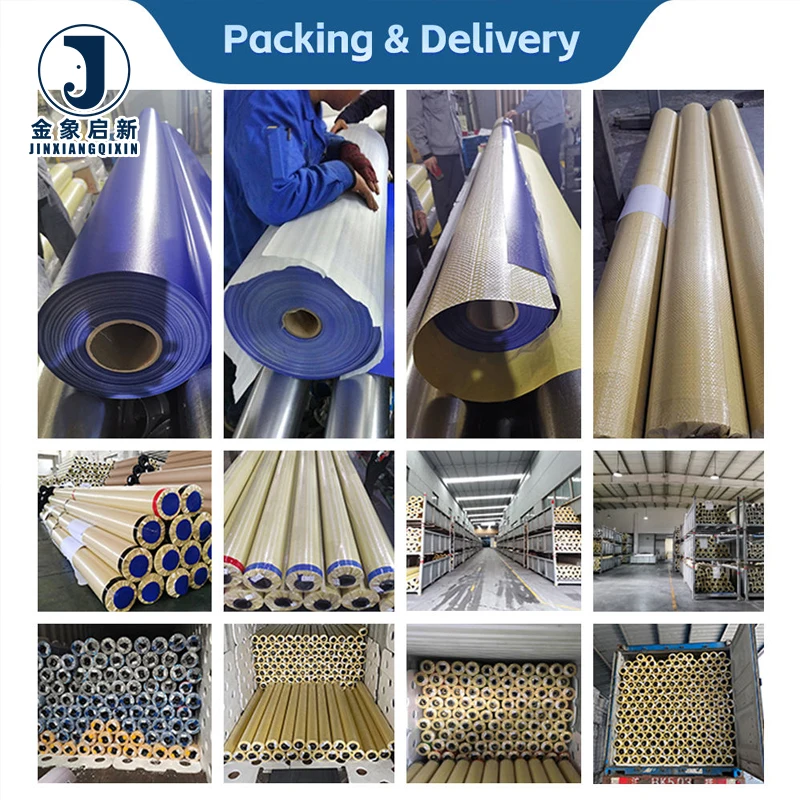
- Roll packing list with individual roll count, net weight and container loading plan
- Batch colour reference card included to verify roll-to-roll consistency on receipt
- UV and flame retardant test documentation available — confirm the grade required for your market
- Certificate of origin and customs documentation prepared per destination country requirements
Fabrication, Handling & Storage
- Heat-weld temperature settings should be adjusted to the specific GSM and finish — glossy and matte surfaces respond differently to hot-air welding
- Store PVC coated tarpaulin rolls upright on pallets to prevent flat-spot deformation on the coating surface
- Allow cold-stored rolls to acclimatise before unrolling to avoid cracking the PVC layer below its rated temperature range
- Cut panels with allowance for seam overlap based on the denier — heavier base fabrics require wider weld zones
- Clean with mild detergent only; solvent-based cleaners can degrade the anti-fungal treatment on the coating surface
- Repair field damage with compatible PVC patches heat-welded over the affected area, matching the coating weight
Requesting a Quotation That Matches Your Requirement
To receive an accurate specification, share the target GSM, preferred denier construction, colour reference and whether the application requires glossy or matte finish. Indicate the roll width and length your fabrication line accepts, along with any UV or flame retardant treatment your market mandates. If you are consolidating multiple grades in one container, provide the quantity breakdown per grade so the loading plan can be prepared with the quotation.
Frequently Asked Questions
Q: How is GSM verified per roll and what documentation ships with the order?
A: Each roll is weighed and measured during pre-shipment inspection to confirm the actual coating weight matches the quoted specification. A material specification sheet and inspection record ship with the order, listing GSM, base fabric denier, coating type and colour reference. Buyers can request the pre-shipment inspection record before dispatch to review results independently.
Q: What is the minimum order for custom width or colour on roll stock?
A: Custom widths and colours are produced on dedicated runs with defined minimums that depend on the base fabric construction and coating weight selected. The R&D team prepares a sample roll for approval before full production begins. Contact the sales team with your required dimensions and colour reference to receive the applicable minimum and lead time for your specification.
Q: How is roll-to-roll colour consistency controlled within one shipment?
A: Rolls within a single order are produced sequentially from the same dye batch, referencing a controlled colour standard throughout the run. Glossy and matte finishes are monitored to maintain surface uniformity. A batch colour reference card ships with the order so the buyer can verify consistency when rolls are unwrapped side by side on arrival.
Q: What are the container loading options by roll count and weight?
A: Rolls are packed in carton or bale configuration and loaded based on the container size, roll diameter and net weight per roll. A detailed packing list accompanies each shipment showing roll count, individual weights and the container loading plan. This allows wholesale importers to plan warehouse receiving and allocate stock to downstream fabricators before the container arrives.
Q: Can UV or flame-retardant test reports be provided for the specific batch?
A: UV and flame-retardant treatments are available as customised options. The applicable grade and test standard depend on the destination market’s regulatory requirements. Buyers should confirm the specific grade needed — such as the fire classification required by local building codes — so the correct treatment is applied and the matching test documentation is included with the shipment.