Description
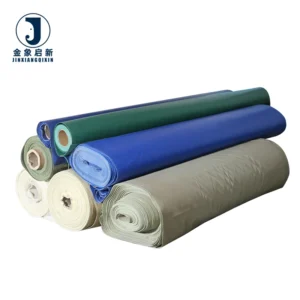
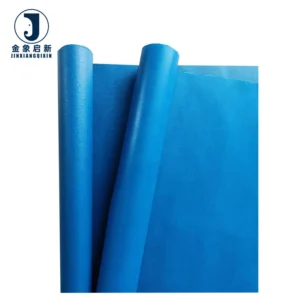
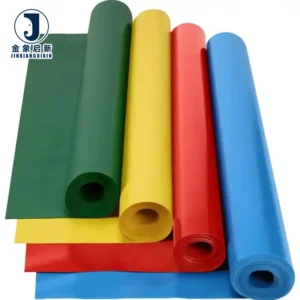
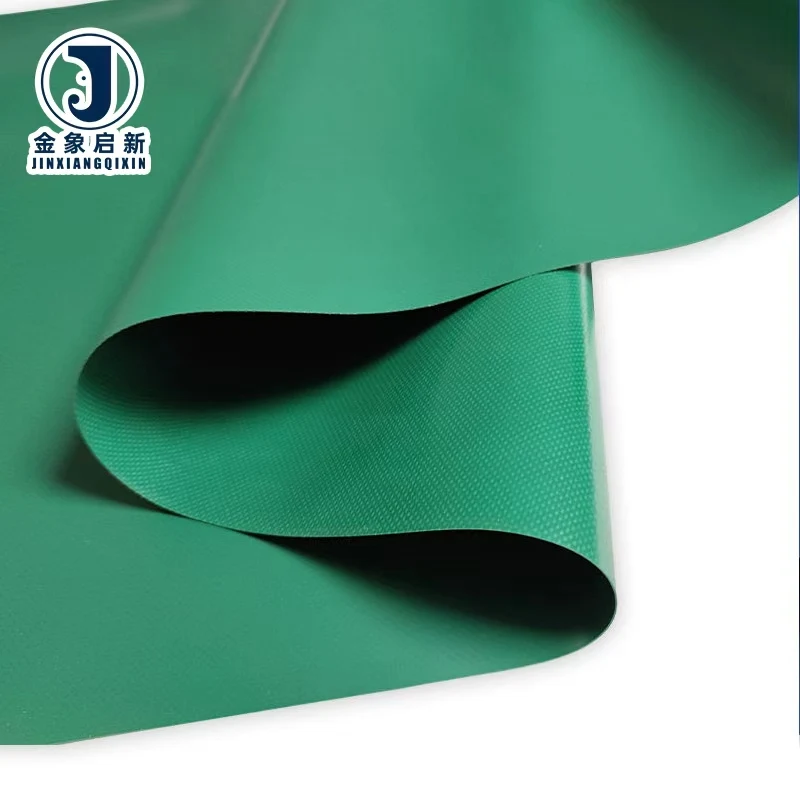
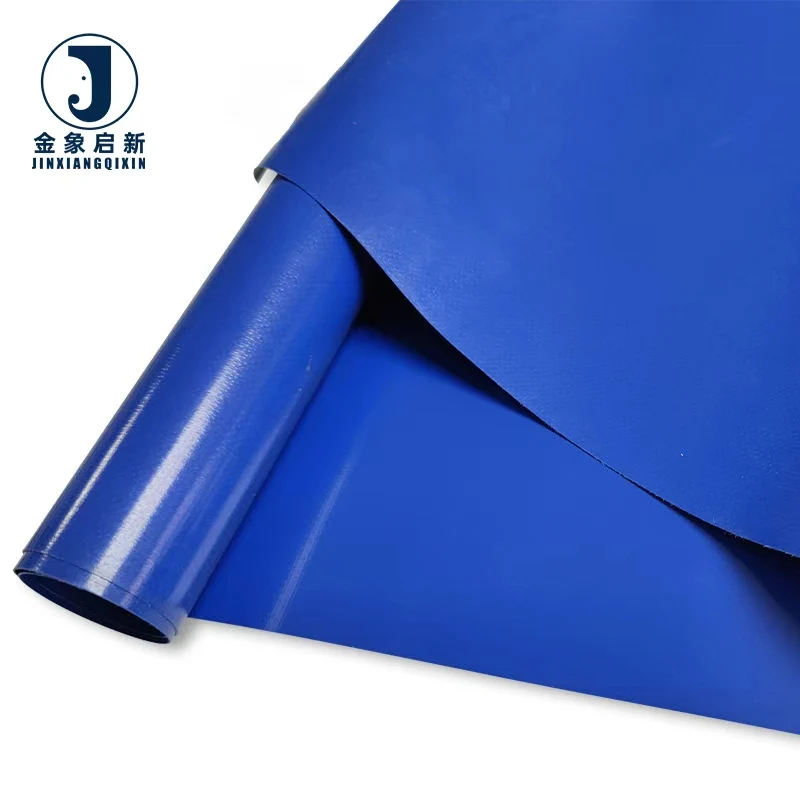
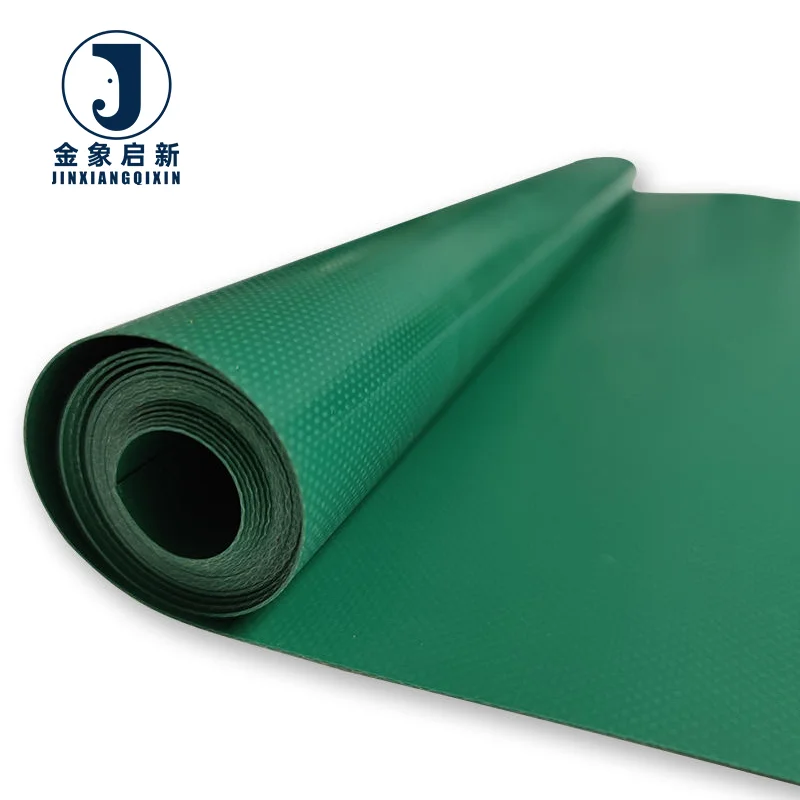
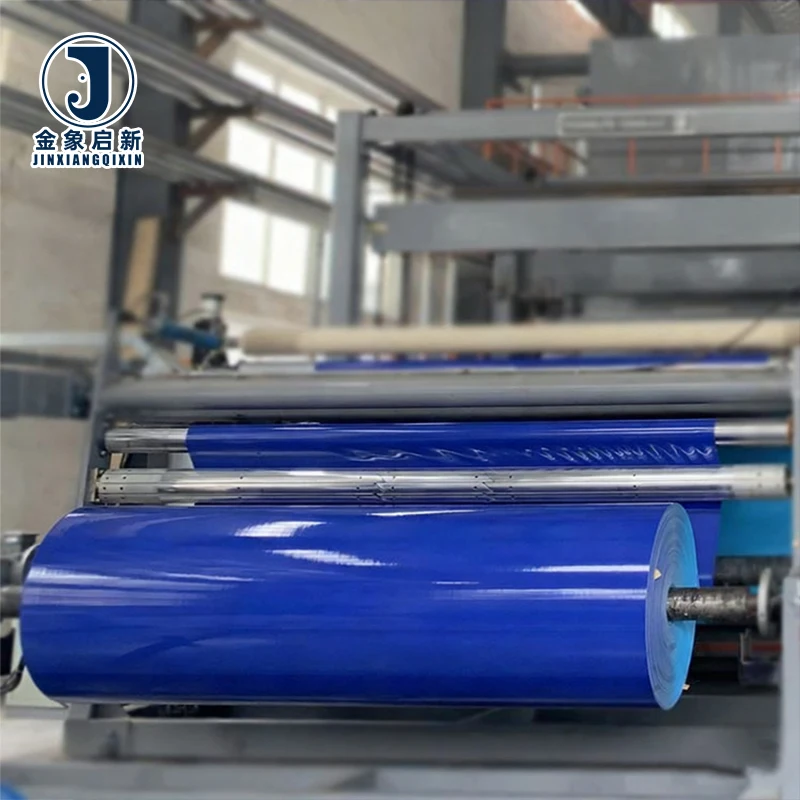
Roll-to-roll consistency — Every PVC Coated Tarpaulin Roll is verified for GSM, colour, and coating weight before dispatch, matching the spec sheet tied to your purchase order.
Technical Specifications
| Parameter | Value |
|---|---|
| Product Type | PVC Coated Tarpaulin Roll |
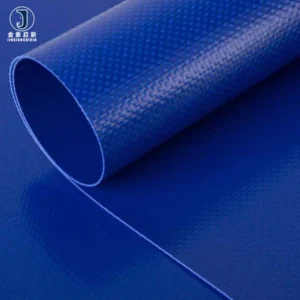
| Material | Polyester Base Fabric + Double-Sided PVC Coating |
| Weight Range | 350 GSM to 900 GSM |
| Thickness Range | 0.29 mm to 0.65 mm |
| Yarn Count Options | 500D×840D / 500D×1000D / 1000D×1000D / 1000D×1300D / 1300D×1300D / 1000D×2000D |
| Mesh Density Options | 20×20 / 30×15 / 30×19 |
| Tensile Strength (Warp) | 1650 N to 3900 N (test basis not stated in source) |
| Tensile Strength (Weft) | 1600 N to 3500 N (test basis not stated in source) |
| Waterproof | Yes — fully coated construction |
| Flame Retardant | Available in flame retardant grades — confirm the grade required for your market |
| UV Treatment | Available with anti-UV treatment — confirm test standard for your region |
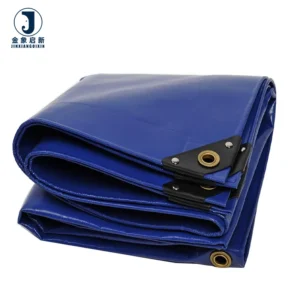
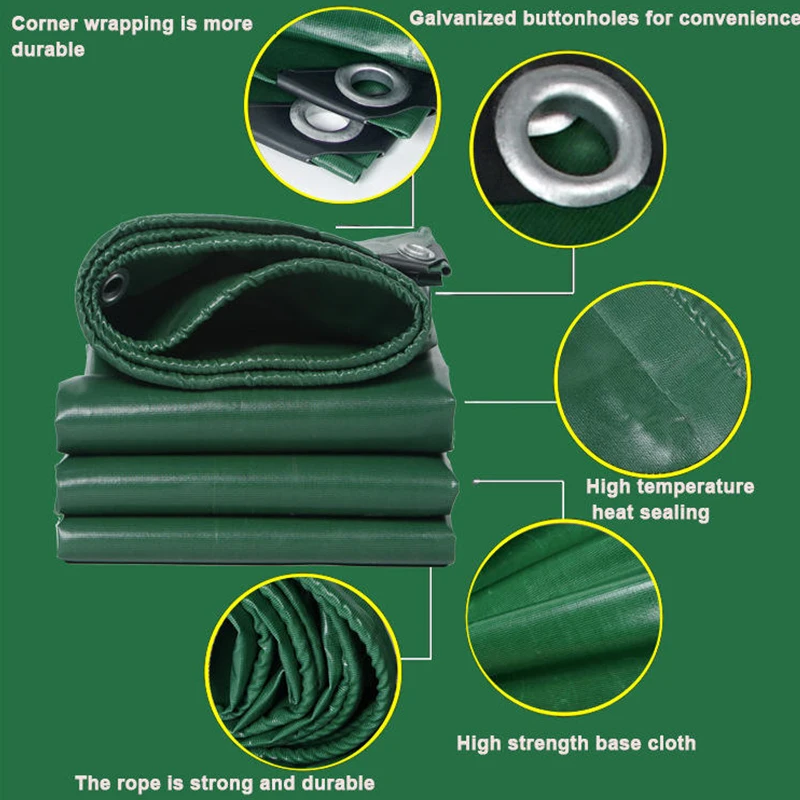
| Edge Finish | High temperature heat sealed seamless edge wrapping |
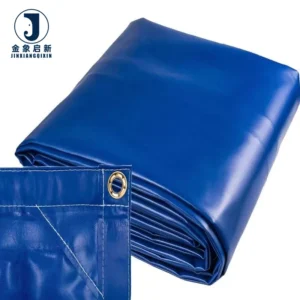
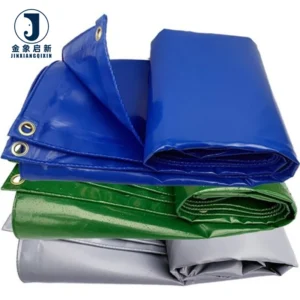
| Eyelets | 3 cm enlarged aluminum alloy buttonhole |
| Corner Reinforcement | Reinforced corners on all sides |
| Packing Options | Roll packing, bale packing, carton |
| Certification | ISO and CE (certificate documentation available per shipment) |
Application Suitability
| Application | Exposure & Requirement |
|---|---|
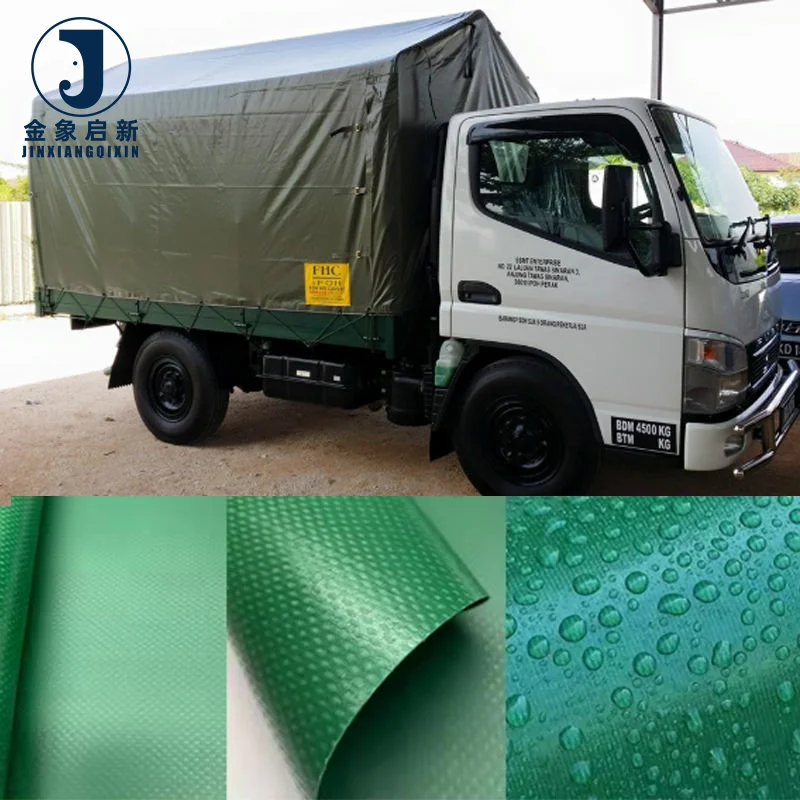
| Truck side curtains and trailer covers | Constant flexing at load points, road abrasion, weather and UV exposure |
| Tent and awning fabrication | Tension loading on seams, repeated folding, outdoor weathering |
| Machine and equipment covers | Contact with oils and coolants, workshop UV, mechanical abrasion |
| Container roof liners | Permanent outdoor exposure, water pooling, thermal cycling |
| Construction site shelters | Wind loading on large spans, dust, UV, temporary structural stress |
| Pond and reservoir liners | Continuous water immersion, soil chemistry, puncture from substrate |
Why Colour Shifts Between Rolls Can Wreck a Container Order
Batch dye control across every roll in a single production run is what separates usable stock from a claim.
When a distributor unrolls two pieces side by side on the warehouse floor and the shade difference is visible to the naked eye, the entire batch becomes unsellable for applications where panels sit adjacent — truck side curtains, awning facades, tent walls. The problem compounds when rolls from the same container were produced on different days or with different pigment batches. [NEED_CITE: colour consistency standards for coated textile batch production] PVC Coated Tarpaulin Roll wholesale buyers who have faced this know that a single off-shade roll can trigger a full container rejection, not just a partial credit.
Stocking the Grade Spread Your Market Demands
Distributors rarely serve one segment. A regional reseller may need lightweight 350 GSM rolls for garden furniture covers and heavy 900 GSM rolls for mining ventilation curtains in the same quarter. Holding the full 350–900 GSM range in PVC Coated Tarpaulin Roll stock means you can quote across tenders without waiting on separate production runs. Each grade ties to a specific base fabric denier — 500D×840D at the light end, up to 1300D×1300D and 1000D×2000D at the heavy end — so tensile capacity scales with the weight your customer actually needs.
Planning Container Loads Around Roll Dimensions
Bulk purchasing is only efficient if the container space is fully utilised. Roll packing dimensions vary by GSM and width, which affects how many linear metres fit in a 20-foot or 40-foot container. The PVC Coated Tarpaulin Roll wholesale supply model works when the packing list specifies individual roll weight, length, and width so your receiving team can reconcile against the bill of lading without unrolling a single metre. Roll packing, bale packing, and carton options give flexibility depending on whether you warehouse indoors or cross-dock directly to downstream fabricators.
How Denier and Mesh Density Drive Real-World Tear Behaviour
Two rolls can carry the same GSM label yet perform very differently under load. The distinction lies in how the base fabric is constructed. A 1000D×1000D yarn with a 20×20 mesh count distributes force across fewer, thicker yarns, which resists tear propagation well in applications like truck curtains that flex repeatedly. A 500D×840D construction at a 30×19 mesh count spreads load across more intersections, giving a different hand feel and better drape for tent and awning fabrication. The PVC coating locks the weave in place, but it cannot compensate for a base fabric that is under-engineered for the tensile demand. Warp tensile values across the grade table run from 1650 N at the lightest option up to 3900 N at the heaviest — a range wide enough to cover everything from temporary site covers to permanent membrane structures. [NEED_CITE: tensile and tear test methods for coated fabrics per ISO 1421] Thickness tracks with these grades from 0.29 mm to 0.65 mm, which directly affects how the fabric handles folding, heat welding, and eyelet punching during fabrication.
What Happens When the Spec Sheet Does Not Match the Roll on the Dock
A buyer who specifies 650 GSM for trailer side curtains and receives rolls that measure closer to 580 GSM faces two problems: the fabric may not pass the tensile requirement in the end-use test, and the thinner coating leaves the base yarn exposed to UV degradation sooner than expected. Welded seams on underweight material tend to fail at the flex point before the fabric body does, because the coating layer is too thin to absorb the heat evenly during high-frequency welding. Similarly, if flame retardant treatment was requested but the test report does not accompany the shipment, the fabric cannot be signed off on a construction site that requires documented compliance. [NEED_CITE: flame retardant certification requirements for temporary construction structures] These are not edge cases — they are the most frequent reasons wholesale roll orders end in claims rather than repeat purchases.
What the Production Floor Controls Before Your Rolls Ship
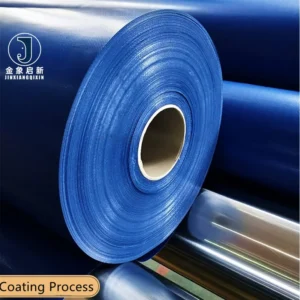
Three full production lines and 36 sets of professional equipment handle the volume, but what matters for roll stock buyers is the in-process QA checkpoint at each stage — coating weight verification, colour matching against the batch reference, and adhesion testing before the roll is wound. The 10-person R&D team develops custom width and colour samples within days when standard stock grades do not match your downstream requirement. Dedicated QA/QC runs 100 percent inspection before dispatch, so the roll count, net weight, and colour consistency on your packing list match what arrives at your dock. This is not a promise — it is documented in the pre-shipment inspection record that travels with every container.
Documentation & Verification
- Material spec sheet stating GSM, base fabric denier, coating weight, and colour reference per roll batch
- Pre-shipment inspection record confirming roll-to-roll GSM and colour consistency
- Roll packing list with individual roll weight, length, and width for receiving reconciliation
- UV and flame retardant test reports matched to the production batch where applicable
- Certificate of origin and customs documentation for cross-border container shipment
- ISO and CE certificates included in the shipping document set
Fabrication, Handling & Storage
- Heat seal parameters must be adjusted per GSM grade — 350 GSM rolls require lower dwell time than 900 GSM to avoid burn-through
- Aluminum alloy eyelets at 3 cm spacing distribute tie-down load across the reinforced hem on all roll grades
- Store rolls upright on pallets to prevent flat-spotting that shows as a visible crease after unrolling
- Double-sided PVC coating resists mild soap cleaning; avoid solvent-based cleaners that attack the plasticiser layer
- Plan cutting layout around standard roll widths to minimise offcuts and welded seam count in finished covers
- Reinforced corners on finished pieces should align with the warp direction of the base fabric for maximum tear resistance
Tell Us What You Need to Cut and Convert
To quote accurately, share the end-use application, the GSM grade or range your market requires, and the roll width that fits your fabrication equipment. If your downstream customers demand flame retardant or anti-UV certification, specify the test standard your region enforces so the correct treatment is applied and documented. Let us know whether you need standard stock rolls or a custom width and colour production run, and we will return a packing plan with container loading details.
Frequently Asked Questions
Q: How do I verify the GSM of each roll matches the quotation when the container arrives?
A: Each shipment includes a pre-shipment inspection record with GSM readings taken across the roll batch. You can cross-check these against the material specification sheet and your purchase order. We also recommend spot-weighing a sample cut from the first roll on arrival using a calibrated scale and a known-area template.
Q: How is colour consistency controlled across multiple rolls in one order?
A: All rolls in a single order are produced within the same dye batch and coating run. The QA team checks colour against the approved reference at the coating stage and again during final winding. The pre-shipment inspection record documents roll-to-roll colour verification before the container is sealed.
Q: What lead times and minimums apply to custom width or colour orders?
A: Custom widths and non-stock colours require a dedicated production run with minimums tied to the coating line setup. The R&D team develops a sample roll for approval before the full batch is scheduled. Lead times depend on the grade and treatment combination — request a quotation with your specific width and colour reference for an accurate timeline.
Q: How are rolls packed and counted for container loading?
A: Rolls are packed in roll packing, bale packing, or carton format depending on the grade and your warehouse handling equipment. The packing list specifies individual roll dimensions, net weight, and total roll count per container. This allows you to optimise freight by selecting the packing format that maximises linear metres per twenty-foot or forty-foot container.
Q: What documentation ships with each roll order for customs and compliance?
A: Every container ships with a material specification sheet, pre-shipment inspection record, roll packing list, certificate of origin, and ISO and CE certificates. Where flame retardant or anti-UV treatment is specified, the corresponding test report matched to the production batch is included in the document set.