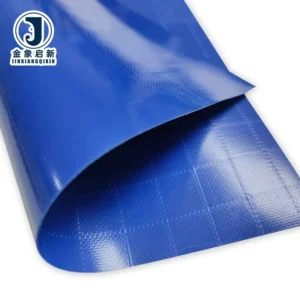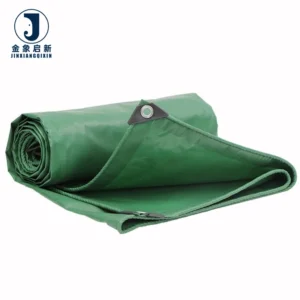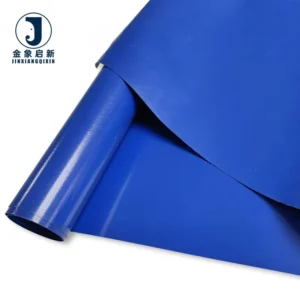
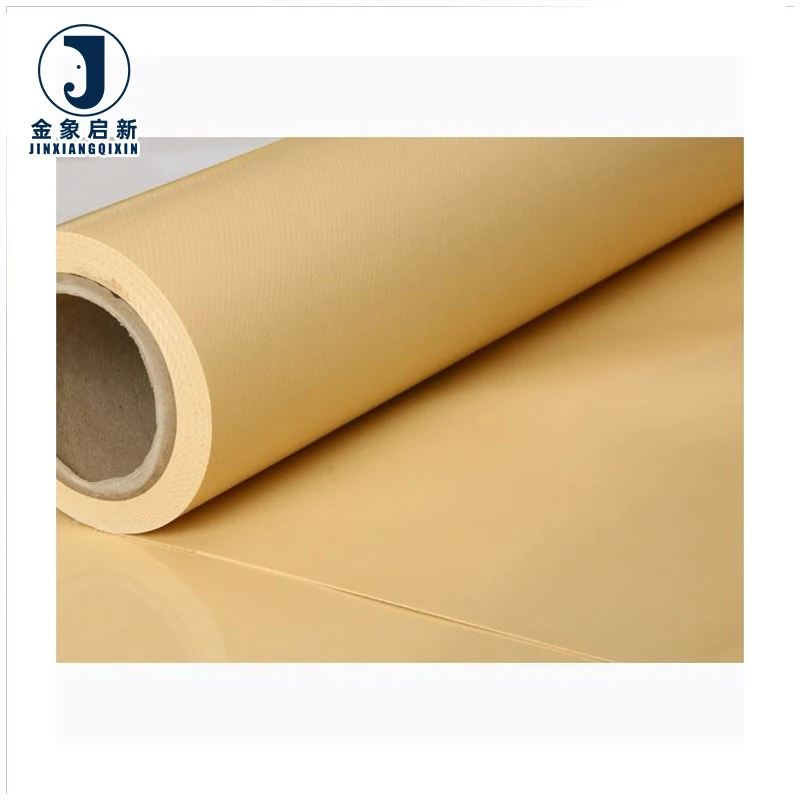
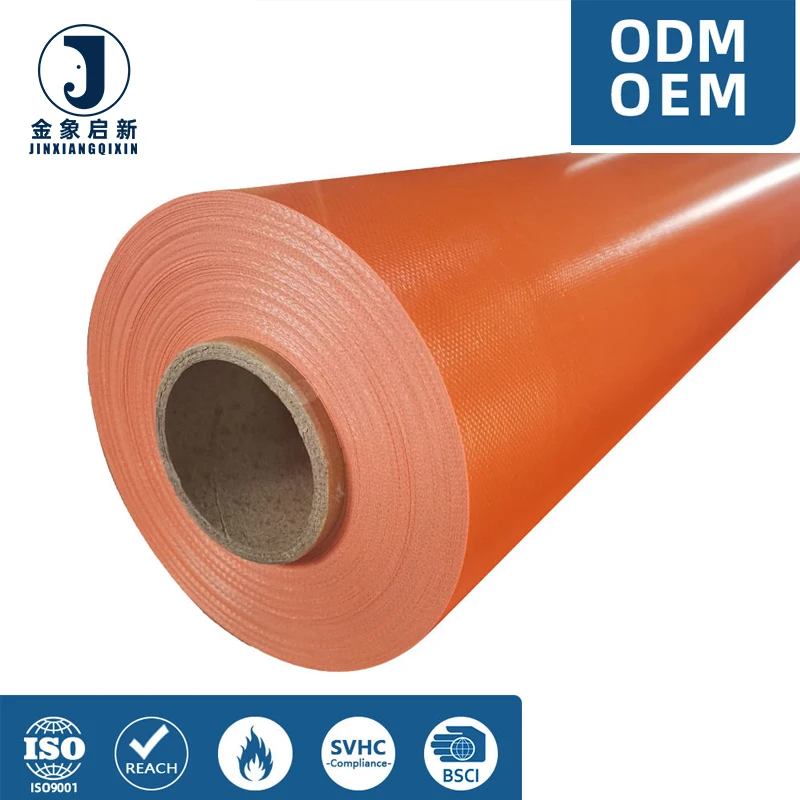
Description
Proven Process Control — three full production lines and 36 sets of equipment keep every 500D×500D roll coated within tight GSM tolerances across the entire batch.
Technical Specifications
| Parameter | Value |
|---|---|
| Product Type | PVC Coated Tarpaulin Roll |
| Base Fabric Denier | 500D×500D |
| Mesh Count | 18×17 |
| Coating Material | PVC |
| Flame Retardant | Available in flame retardant grades — confirm the grade required for your market |
| UV Treatment | UV resistance available — test basis to be confirmed per order |
| Anti-Mildew | Mildew proof |
| Antibacterial | Yes |
| Oil and Stain Resistance | Yes |
| Acid and Alkali Resistance | Yes |
| Temperature Resistance | High temperature and cold resistant |
| Anti-Oxidation | Yes |
| Weather Resistance | Yes |
| Flexibility | Highly flexible, resistant to cracking |
| Self-Cleaning | Yes |
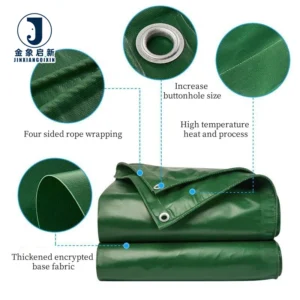
| Welding Options | HF, Hot Air, Sewing |
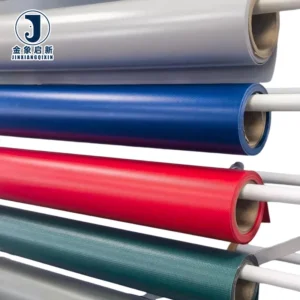
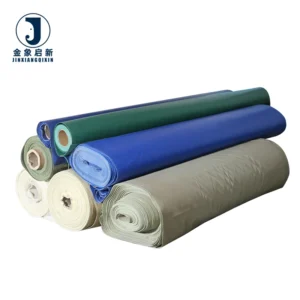
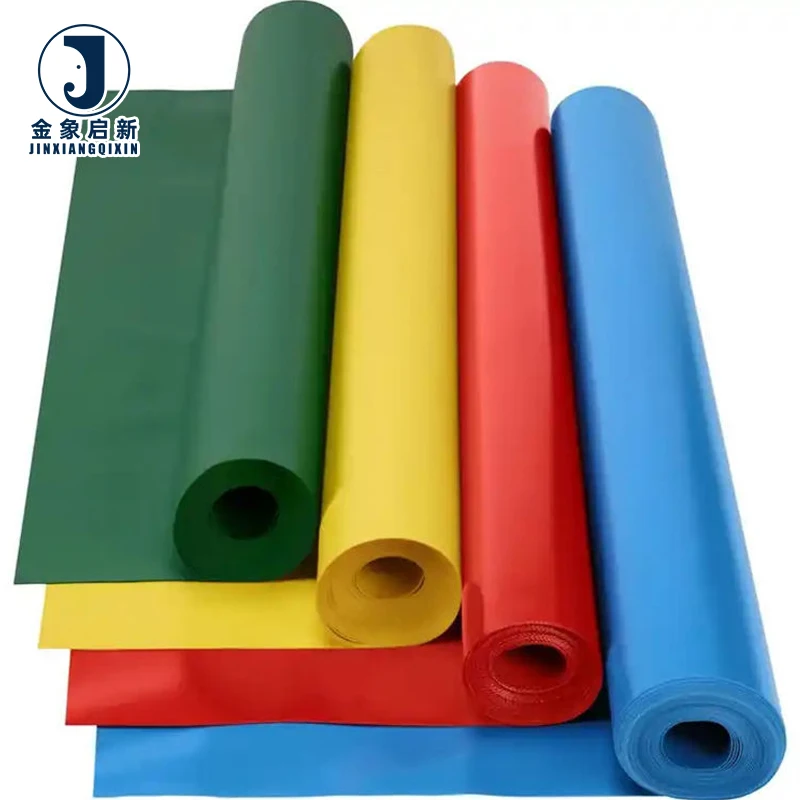
| Colors | Multiple hot-selling stock colors available |
Application Suitability
| Application | Exposure & Requirement |
|---|---|
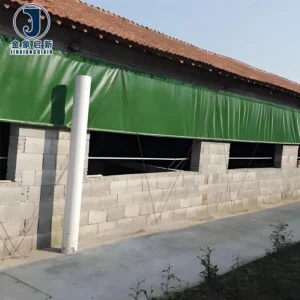
| Tensile structures | Sustained tension loads, wind uplift, UV exposure, surface water runoff |
| Shade systems and shadings | Continuous direct sunlight, thermal expansion and contraction, colorfastness over time |
| Portable storage structures | Repeated assembly and teardown, abrasion at frame contact points |
| Airport hangars | Wide-span tensioning, aviation fuel proximity, fire classification compliance |
| Stadium architectural structures | Long-term weather exposure, high wind loads, public safety fire codes |
| Large format technical textiles | Flat surface for printing or lamination, dimensional stability during conversion |
Why Roll-to-Roll Colour Match Matters More Than Price Per Metre
Colour variation between rolls in a single order is one of the most visible defects once the fabric is unrolled and installed side by side — especially on shade structures and tensile membranes where the buyer’s client sees the finished surface every day. When a distributor delivers a truck cover or an awning with two panels that are subtly different shades, the entire installation looks compromised regardless of how strong the material is.
Batch consistency is the hidden variable that separates a smooth container-load order from weeks of claims and replacements. A PVC Coated Tarpaulin Roll that arrives with inconsistent colour forces the fabricator to either accept a visible defect or reject the shipment entirely, delaying the project and damaging the relationship with the end client [NEED_CITE: colour measurement standards for coated textile batches per ISO 105 series].
Stock Colour Availability for Immediate Order Planning
Buying fabric by the roll means you need predictable inventory. This PVC Coated Tarpaulin Roll in 500D×500D 18×17 construction is stocked in multiple high-demand colours that move consistently through wholesale channels, reducing the sampling and approval cycle that custom colours require. When your production schedule depends on having the right shade on the floor, pulling from available stock grades eliminates the lead time penalty of a mill run.
Batch Traceability from Coating Line to Container
Every roll in a production batch is assigned a colour reference number that carries through from the coating line to the packing list. This traceability matters when a fabricator is cutting panels for a multi-panel tensile structure and needs to confirm that all panels originated from rolls produced in the same coating run. If a claim arises after installation, the reference number allows both parties to trace the material back to the specific production window [NEED_CITE: traceability requirements for textile coating batches in commercial specifications].
How 500D×500D and 18×17 Mesh Count Shape Fabric Behaviour
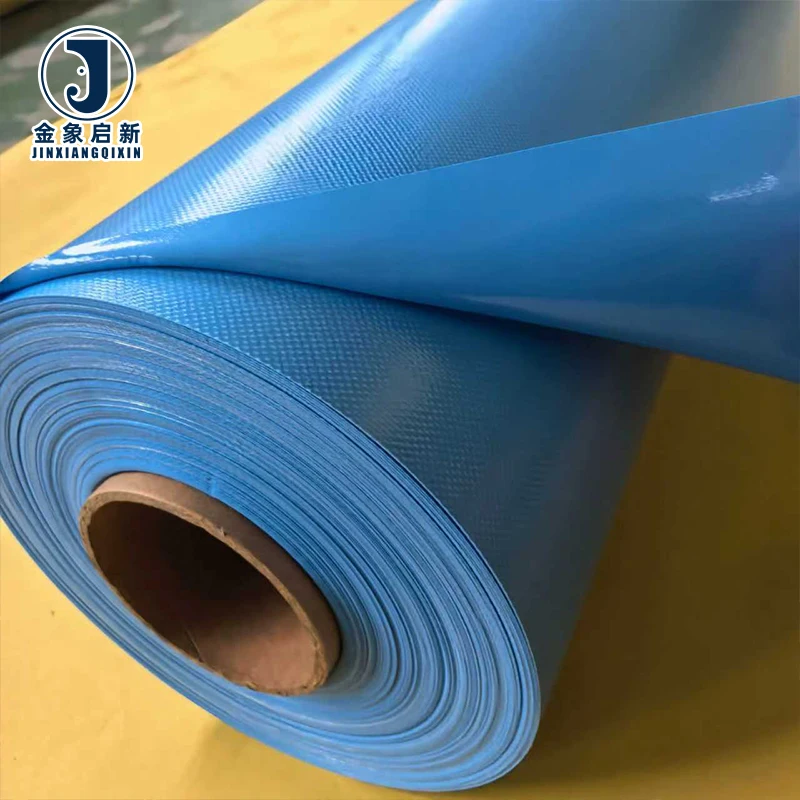
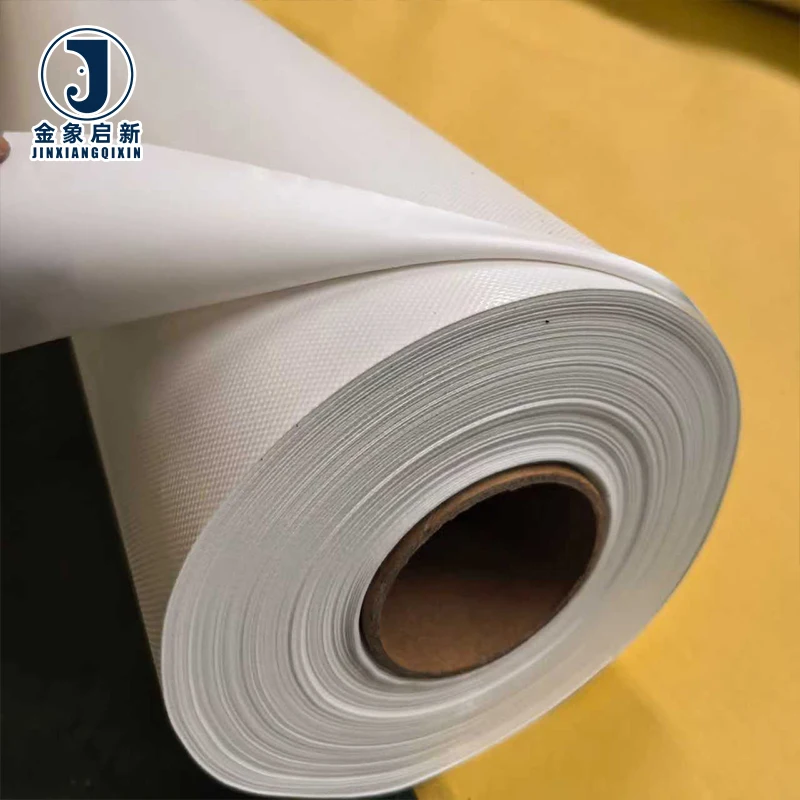
The 500D×500D base fabric paired with an 18×17 mesh count creates a balanced weave that gives the PVC coating a uniform surface to adhere to across the full roll width. A tighter weave density would increase tensile strength but raise coating consumption and cost, while a looser weave would reduce weight but compromise dimensional stability under tension. For tensile structures and shade systems that experience multi-directional loads, this construction provides a practical balance between strength, flexibility, and coating adhesion. The PVC coating method determines how the coating bonds to the base yarns — this affects peel resistance at welded seams, surface finish quality for printing or lamination, and how the material behaves when flexed at low temperatures. Fabricators running HF or hot air welding on their production lines will find this material compatible with standard welding parameters, while sewing remains an option for applications where mechanical joining is preferred.
What Happens When Batch Consistency Is Not Verified Before Dispatch
A container of rolls that looks fine on the packing list can reveal colour mismatch the moment the fabricator lays two panels next to each other on the cutting table. This is not a material failure — the PVC coating performs as specified — but the visual inconsistency forces the fabricator to sort rolls by shade, reassign panels to less visible sections, or in the worst case reject the entire batch. For wholesale distributors restocking colour ranges, a single inconsistent shipment erodes trust with every fabricator on the customer list [NEED_CITE: frequency of colour-related claims in coated textile wholesale trade].
Why This Material Is Sourced from Jinan Jinxiang
Nearly 30 years of focused production on PVC coated fabric means the coating weight and adhesion process for this 500D×500D construction has been refined through thousands of production runs. Three full production lines allow bulk container-load orders to be completed within predictable schedules rather than squeezed between specialty runs. A 10-person R&D team handles sample development for buyers who need to confirm colour match or welding compatibility before committing to a full order. Dedicated QA and QC at every production stage with 100% inspection before shipment catches colour and weight deviations before they leave the factory. The material specification sheet provided with each roll states the exact GSM, base fabric denier, and coating weight, so the buyer can verify on arrival that the product matches the quotation.
Documentation & Verification
- Material specification sheet stating GSM, 500D×500D denier, 18×17 mesh count, and coating weight per roll
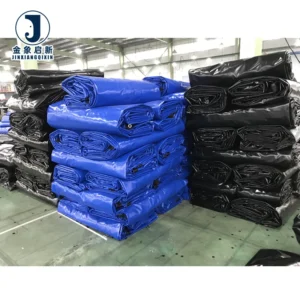
- Roll packing list with roll count, net weight, colour reference number, and container loading plan
- 100% pre-shipment inspection record confirming colour and weight consistency across the batch
- UV and flame retardant test reports provided where the selected grade has been tested
- Certificate of origin and customs documentation prepared per destination country requirements
Fabrication, Handling & Storage
- HF and hot air welding parameters should be tested on scrap from this 500D×500D roll before production runs
- Roll stock should be stored upright on pallets to prevent flat spots that affect cutting accuracy
- Sewn seams on this PVC coating benefit from sealed stitch holes to maintain waterproof integrity
- Cold-weather handling requires allowing rolls to acclimatise before unrolling to avoid coating stiffness
- Self-cleaning surface reduces maintenance but avoid solvent-based cleaners that may attack the PVC layer
Planning Your Roll Order
When you are ready to specify this PVC Coated Tarpaulin Roll for your next order, share the stock colours you need, the roll widths and lengths your cutting table accommodates, and the total metreage per colour so the loading plan can be optimised. If your market requires a specific flame retardant grade or UV test standard, state the certification name so the correct grade is quoted. Buyers purchasing for conversion into finished products should indicate whether rolls or pre-cut panels are needed.
Frequently Asked Questions
Q: How do I verify GSM on arrival matches the quotation?
A: Each shipment includes a material specification sheet stating the GSM, base fabric denier, and coating weight for that roll. You can weigh a cut sample of known dimensions on arrival and compare the result to the stated value. The pre-shipment inspection record also documents weight verification conducted before dispatch.
Q: How is roll-to-roll colour consistency controlled within the same batch?
A: All rolls in a single production batch are coated in the same run under identical pigment ratios and line settings. Each roll carries a colour reference number traceable to that run. The 100% pre-shipment inspection checks colour match across the order before the container is sealed.
Q: What stock widths and roll lengths are available, and can I order custom widths?
A: Multiple standard widths are held in stock for the 500D×500D construction, with custom widths available subject to minimum order quantities. Roll lengths can be specified to match your cutting table capacity. Contact the sales team with your required dimensions and quantities for a quotation.
Q: What are the container loading options by roll count and weight?
A: A roll packing list is provided with every quotation showing roll count, net weight, and cubic measurement for standard container configurations. The loading plan is optimised to maximise roll count per container while keeping weight within shipping line limits for your destination port.
Q: What is the MOQ for stock colours versus custom colours?
A: Stock colours carry lower minimums since the pigment formulation is already established on the production line. Custom colours require a minimum volume to justify setting up a new coating run. Specify your required colours and quantities, and the applicable minimum will be confirmed in the quotation.