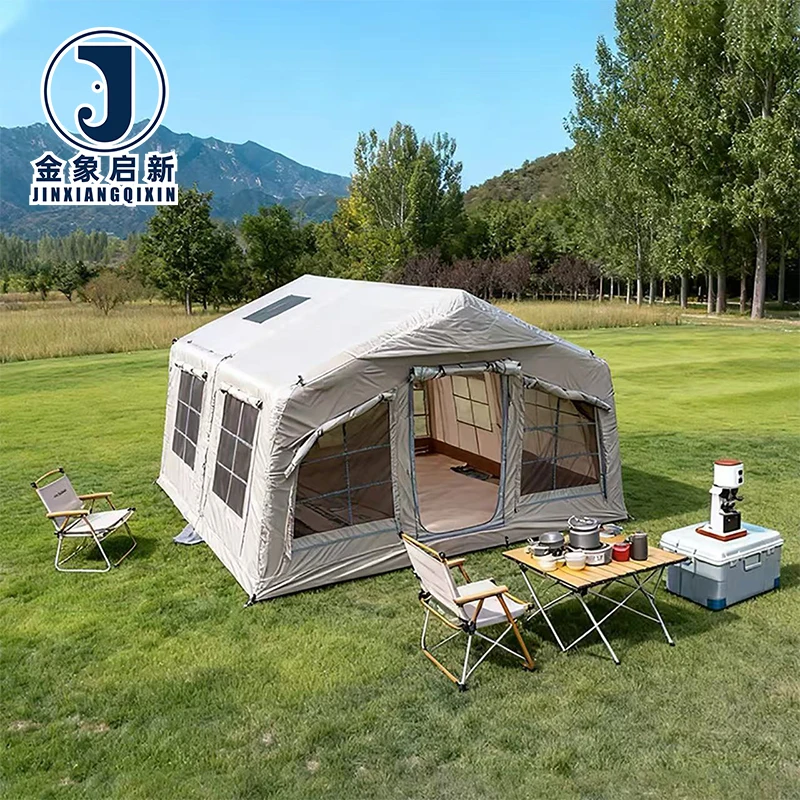
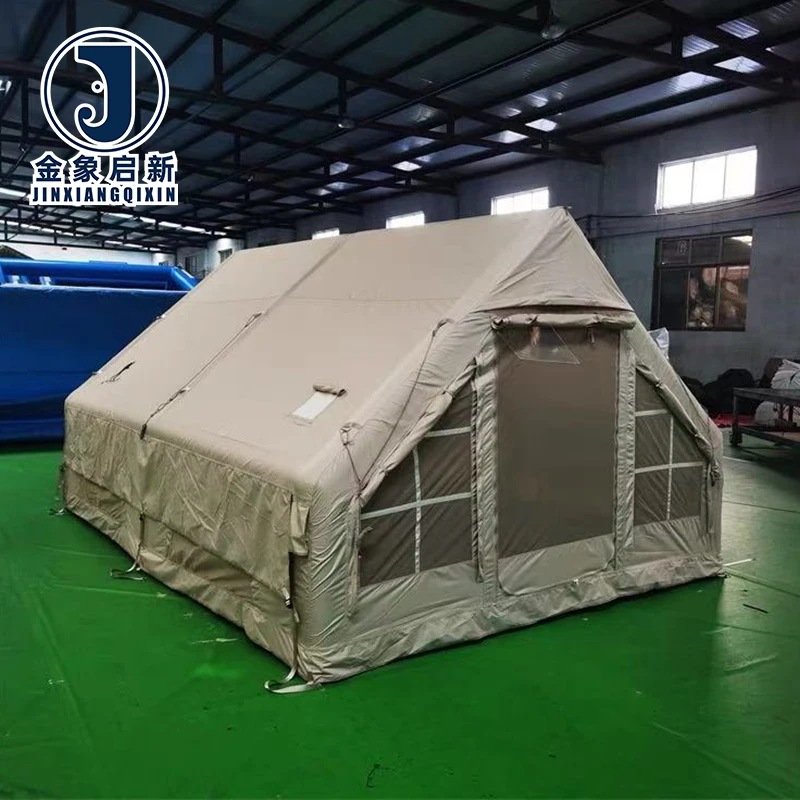
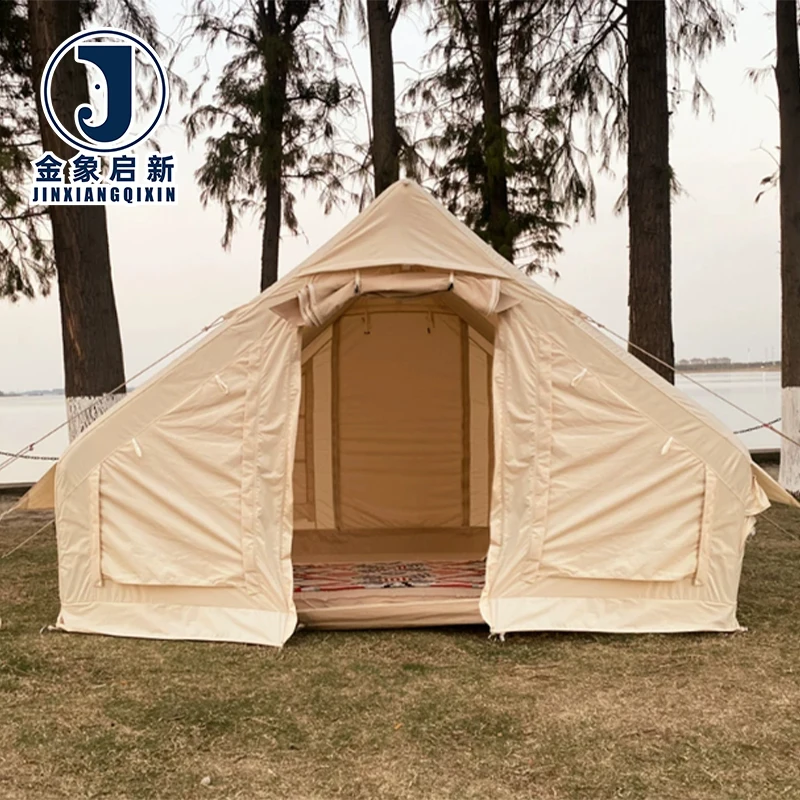
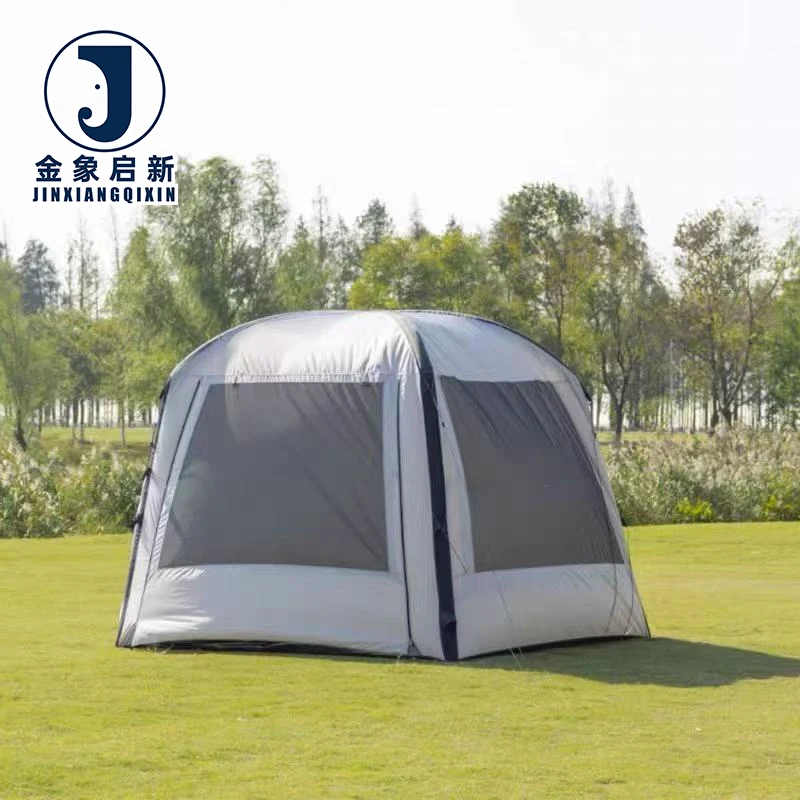
Description
Batch-To-Batch Consistency — Every roll of inflatable tent fabric ships only after 100% pre-shipment inspection confirms GSM, colour, and coating weight match the specification sheet.
Technical Specifications
| Parameter | Value |
|---|---|
| Product Type | Inflatable Fabric |
| Core Material | PVC tarpaulin (PVC knife-coated fabric) |
| Coating Method | Knife coated |
| Coating Material | PVC |
| Flame Retardant | Available in fire-retardant grades — confirm the grade required for your market |
| UV Treatment | Available with anti-UV treatment — test basis available on request |
| Anti-Static | Available with anti-static treatment — standard available on request |
| Waterproof | Fully waterproof coated construction |
| Tear Resistance | Tear-resistant construction — test standard available on request |
| Key Features | Waterproof, UV treatment, fire-retardant options, anti-static options |
| Certifications | ISO9001, ISO14001, ISO45001, CE |
Application Suitability
| Application | Exposure & Requirement |
|---|---|
| Inflatable tent manufacturing by the roll | High-frequency cutting and welding demand uniform coating weight and consistent roll-to-roll colour for multi-unit production runs |
| Membrane and inflatable structure fabrication | Tensile loads during inflation and sustained wind pressure require reliable adhesion between base fabric and PVC coating |
| Emergency disaster relief shelter stockpiles | Rapid deployment across temperature extremes and heavy precipitation demands waterproof integrity and cold-flex performance |
| Temporary site command centers and mobile workshops | Continuous four-season outdoor exposure requires UV stability and abrasion resistance at ground contact and anchor points |
Why Roll-to-Roll Colour Consistency Decides Whether Your Inflatable Tent Shipment Passes Inspection
Visible colour variation between adjacent panels is the fastest way to lose a container-load approval.
When a buyer orders ten rolls of inflatable tent fabric for a production run and two of them arrive noticeably lighter than the rest, the entire batch of cut panels may need re-sorting or rejection. The problem rarely originates in a single production error — it accumulates across pigment batching, coating temperature fluctuations, and curing time differences between runs. For manufacturers building inflatable tents at volume, colour shift within the same purchase order is a recurring sourcing failure that no amount of post-production dyeing can correct. Inflatable tent fabric roll consistency is therefore not a cosmetic preference but a production-line requirement. [NEED_CITE: colour measurement standards for coated textile batches]
How Bulk Roll Supply Supports Inflatable Structure Production Planning
Manufacturers producing inflatable tents and membrane structures need predictable material flow. Ordering PVC inflatable tent fabric by the roll allows fabricators to schedule cutting tables, welding stations, and assembly crews around known lead times rather than spot-market availability. Each roll in a bulk order carries batch traceability so that cutting plans can group panels from the same production run, reducing the probability of cross-batch shade variation appearing in finished structures.
Production Capacity Behind Consistent Container-Load Deliveries
Maintaining specification uniformity across hundreds of rolls requires more than a single coating line running at steady state. Three full production lines and 36 sets of professional processing equipment allow parallel runs where coating weight, oven temperature, and line speed are independently controlled and logged per batch. This capacity means a container-load order of inflatable tent fabric roll stock can be produced within a single planning window, reducing the number of distinct production batches that enter the same shipment and therefore narrowing the range of physical properties across the order. [NEED_CITE: relationship between production batch count and property variance in coated fabrics]
Reading the Specification Sheet Beyond the Headline GSM
Knife coating applies PVC paste directly onto the base fabric and cures it in a multi-zone oven, producing a bond between coating and yarn that is mechanically interlocked rather than merely laminated. This method gives inflatable tent fabric the peel strength needed for heat-welded seams that must hold under inflation pressure. The base fabric denier and weave density work together with the coating weight to determine how the roll behaves on the cutting table — a heavier coating on a loosely woven base may show surface stiffness without proportional tear resistance, while a tight weave under a moderate coating can outperform a heavier but loosely constructed alternative in tensile tests. Glossy and matte finish options influence how the surface accepts printed branding and how dirt accumulates during outdoor service, and the choice affects cleaning frequency over the structure’s installed life.
The Cost of Overlooking Batch Documentation on Inflatable Fabric Orders
A quotation stating a target GSM without a corresponding pre-shipment inspection record leaves the buyer absorbing the risk of underweight delivery. Rolls that arrive lighter than the agreed specification may cut and weld normally but fail tensile and tear tests at the buyer’s facility, triggering rejection after the production line has already committed labour and consumables. Similarly, fire-retardant or anti-static treatments claimed without a matching test report leave the inflatable tent manufacturer unable to satisfy site compliance audits at the project destination. These documentation gaps do not surface during sample approval — they appear only when the full container arrives and the buyer’s quality team begins verification. [NEED_CITE: pre-shipment inspection protocols for coated textile exports]
Why Manufacturers Source Inflatable Tent Fabric Through This Supply Chain
Nearly 30 years of focused coated fabric production has built process control over coating weight and adhesion that shows up as roll-to-roll uniformity across large orders. A 10-person R&D team handles material selection, custom width development, and sample runs so that buyers can approve a representative roll before committing to full production volume. Dedicated QA and QC checkpoints at every production stage — from base fabric incoming inspection through coating, curing, and winding — mean that specification drift is caught on the line rather than at the loading dock. Samples for custom width, colour, or treatment requirements are developed within days, allowing buyers to verify inflatable tent fabric roll suitability before the bulk run begins. Every roll ships with a pre-shipment inspection record confirming count, weight, and batch consistency against the purchase order.
Documentation & Verification
- Material specification sheet stating GSM, base fabric construction, coating type, and colour reference per roll batch
- Pre-shipment inspection record confirming roll count, individual roll weight, and batch consistency before container loading
- Roll packing list detailing batch numbers for traceability and container weight distribution planning
- Test reports for UV resistance, flame-retardant grade, and anti-static properties supplied where applicable
- Certificate of origin and customs documentation supporting international roll stock shipment clearance
Fabrication, Handling & Storage
- Heat-weld PVC knife-coated rolls using temperature and dwell settings matched to the specific coating weight to avoid seam delamination under inflation pressure
- Store rolls upright on pallets in a dry, shaded warehouse to prevent flattening and edge creasing that distorts cutting accuracy
- Unroll and allow material to relax before cutting to release winding tension inherent in heavy-grade PVC coated fabric
- Use solvent-based cleaners compatible with PVC coating to maintain surface integrity on glossy or matte finish options
- Plan cutting layouts around available custom widths to minimize off-cuts and reduce welded seam count in finished inflatable panels
What to Include in Your Inquiry for Inflatable Fabric Roll Stock
Specify the target roll width, total linear metres or container volume, and the PVC treatment requirements for your destination market, including any fire-retardant grade or anti-static standard that the end-use site mandates. Confirm whether your cutting operation requires standard stock widths or a custom width, and whether you need pattern printing or colour matching against a reference sample. Indicating your annual volume and reorder frequency helps align production scheduling with your assembly timeline.
Frequently Asked Questions
Q: How is roll-to-roll colour consistency maintained across a bulk inflatable tent fabric order?
A: Pigment batching is controlled per production run, and each roll undergoes visual and instrumental colour comparison against the approved reference before winding. Rolls from the same production batch are grouped for shipment, and the pre-shipment inspection record documents shade uniformity across the entire order so that fabricators receive panels that match when installed side by side.
Q: What roll widths and lengths are available for inflatable tent fabric?
A: Standard stock widths are available for immediate scheduling, and custom widths can be produced to match your cutting table layout or panel dimensions. Roll lengths are set according to buyer requirements and container loading efficiency. Samples in the requested width are developed within days so that you can verify fit and handling before the full production run is released.
Q: How is GSM verified on arrival and what documentation supports the quoted weight?
A: Each roll is weighed during the pre-shipment inspection and the results are recorded on the inspection report that accompanies the shipment. The material specification sheet states the target GSM alongside the base fabric denier and coating weight. Buyers can cross-reference these documents against their own incoming inspection to confirm that the delivered material matches the purchase order.
Q: What container loading plan is provided for roll stock shipments?
A: A detailed roll packing list specifies batch numbers, individual roll weights, and total container weight distribution. This allows your warehouse team to plan unloading sequence and storage allocation. The packing list also supports customs clearance by matching declared weights to the physical cargo in the container.
Q: What are the minimum order quantities for custom width or colour on inflatable fabric rolls?
A: Minimum quantities for custom runs depend on the specific width, colour, and treatment combination requested. The R&D team develops a sample roll within days of specification confirmation so that you can evaluate the material before committing to the minimum production volume. Typical custom orders are planned around full container loads to optimize per-unit logistics cost.