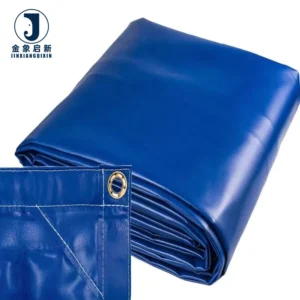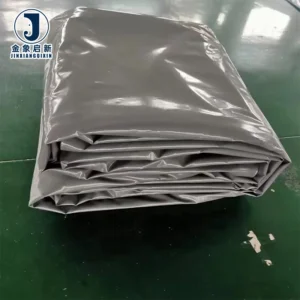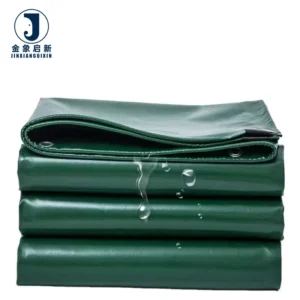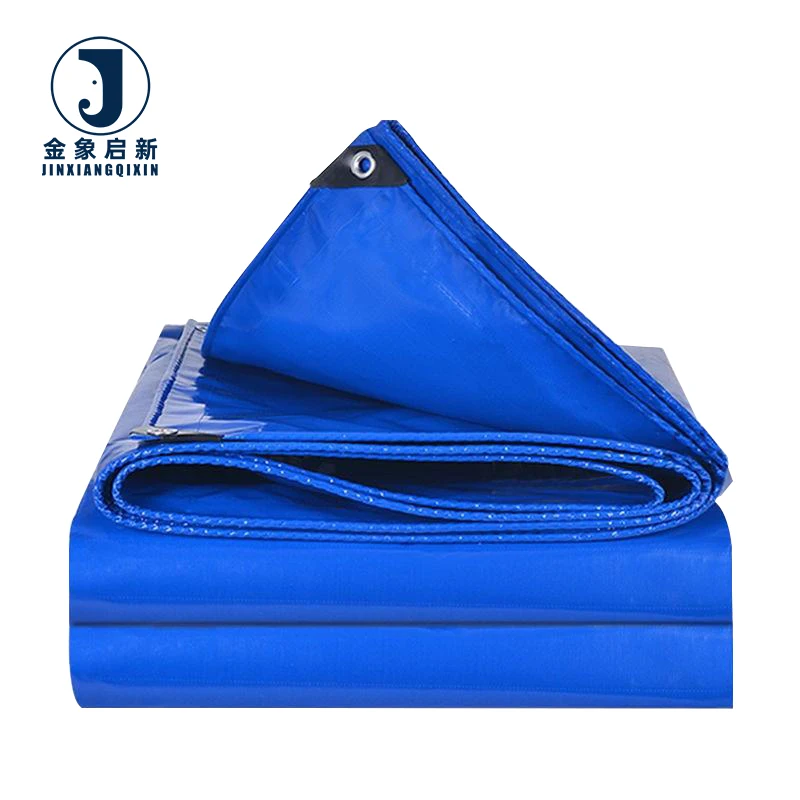
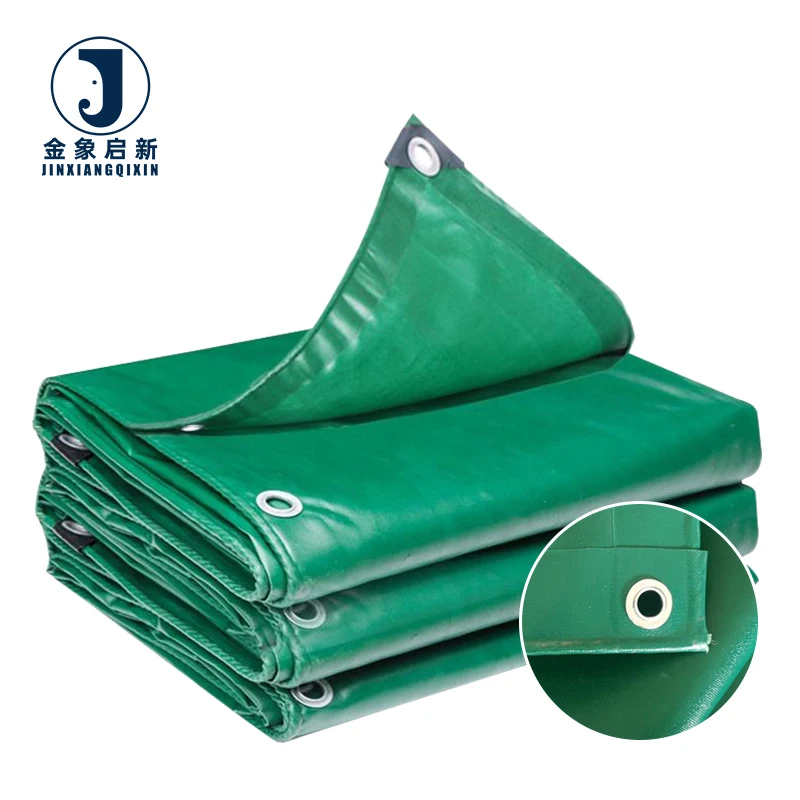
Description
Batch-to-batch roll consistency — every roll is checked against the stated GSM and colour reference before dispatch, verified on 3 production lines with 36 sets of professional coating equipment.
Technical Specifications
| Parameter | Value |
|---|---|
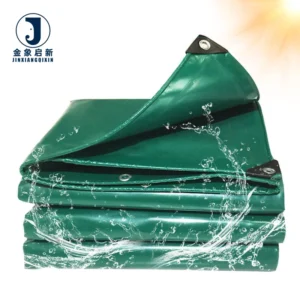
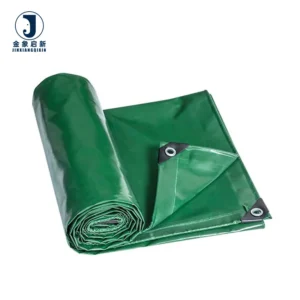
| Product Type | PVC Coated Tarpaulin |
| Coating Material | PVC |
| Weight (GSM) | 700gsm / 850gsm / 900gsm (confirm the grade for your application) |
| Flame Retardant | Available (grade not stated — confirm the standard required for your market) |
| Anti-Static | Available (standard not stated — request test documentation) |
| Anti-Mildew | Available |
| Anti-Cold | Available |
| Waterproof | Fully waterproof coated construction |
| Weather Resistance | Suited to extended outdoor exposure (life span depends on installation and climate) |
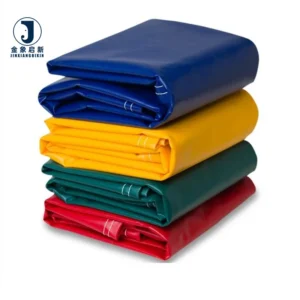
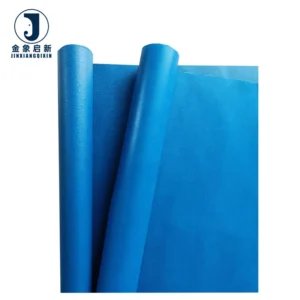
| Customization | Roll width, roll length, colour, printing available |
Application Suitability
| Application | Exposure & Requirement |
|---|---|
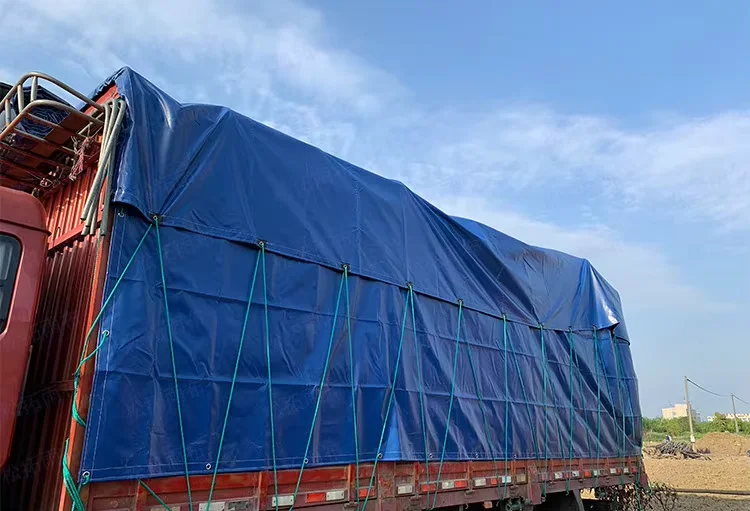
| Truck and trailer cargo cover | Constant road vibration, tie-down abrasion, weather exposure, flexing at load points |
| Tarpaulin distributor stock | Multi-grade inventory, colour matching across replenishment orders, private-label printing |
| Tent and awning fabrication | Large-format cutting from roll, weld seam integrity, colour uniformity across panels |
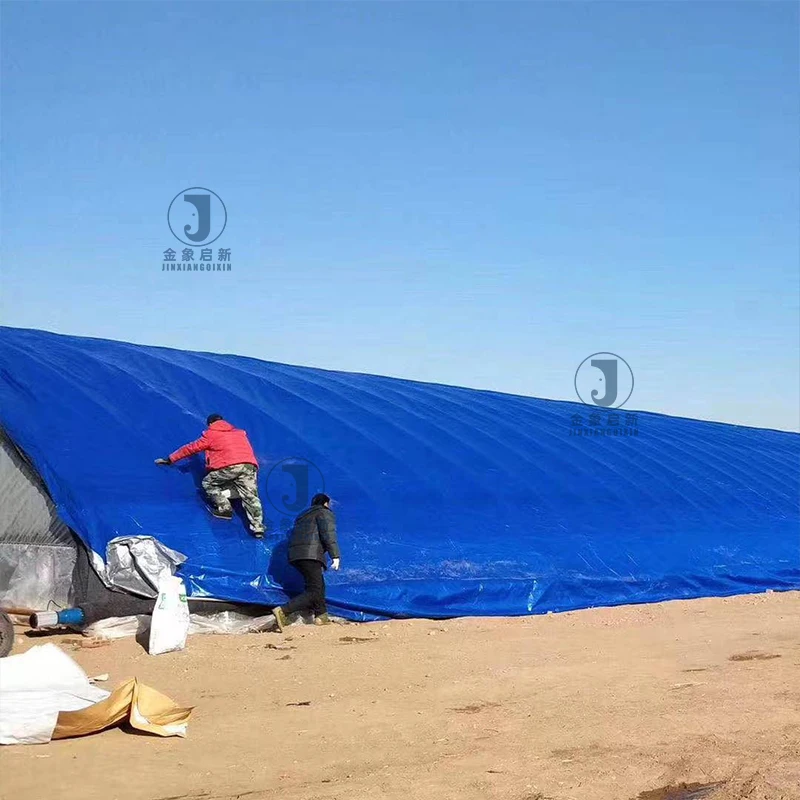
| Outdoor equipment protection | UV and moisture exposure, long-term static covering, mildew risk in humid storage |
Why Roll-to-Roll Consistency Matters More Than the Quoted GSM
A roll that tests lighter than the quotation states is a specification failure, not a cost saving.
Purchasing managers who buy PVC coated tarpaulin by the container load have encountered shipments where the actual GSM falls below what the paperwork claims. The deficit may only become apparent when the receiving warehouse runs a cut-and-weigh check, by which point the container has been cleared and the production schedule is already committed. Colour variation between rolls in the same order is another recurring complaint — two panels hung side by side on a truck or awning frame reveal a visible shift that forces the fabricator to cull rolls and reorder. These are not cosmetic issues; they disrupt production runs, delay deliveries to end customers, and erode the margin that bulk purchasing was meant to protect. [NEED_CITE: ISO 1421 test methods for tensile and tear properties of coated fabrics]
Roll Stock Grading and Inventory Planning for Distributors
Distributors need to stock PVC coated tarpaulin across several weight grades to serve different customer segments — lighter rolls for temporary site covers, heavier grades for permanent truck curtain applications. This range includes 700gsm, 850gsm, and 900gsm options, allowing a single supplier relationship to cover multiple SKUs within one container order. Confirming the correct GSM per application before ordering avoids the situation where a lighter roll is sold into a heavy-duty use case and fails prematurely under load stress.
Colour Matching Across Bulk Orders
Colour drift between dye lots can make two rolls from the same purchase order visibly mismatched once unrolled and installed. For wholesale buyers supplying end fabricators who install panels side by side — on truck side curtains, awning canopies, or tent walls — batch-to-batch colour consistency is a non-negotiable quality gate. Each production run is managed with controlled pigment dosing and in-process colour checks to reduce variation. [NEED_CITE: colour fastness and batch matching standards for coated technical textiles]
Reading GSM in Context — Why Weight Alone Is Not the Full Story
GSM measures total coated weight per square metre, but the base fabric denier and weave density determine how the material handles tensile and tear loads. A 900gsm roll with a loosely woven base may tear more easily than a tightly woven 850gsm grade where the coating penetrates the yarn intersections more completely. The coating method — whether knife-over-roll, calendaring, or hot-melt lamination — affects peel strength between the PVC layer and the base cloth, which directly influences how well heat-welded seams hold under flexing. Surface finish also plays a role: a glossy top coat sheds dirt and water more readily, while a matte or acrylic-treated surface may offer better ink adhesion for printed branding. Roll width and length determine cutting yield; a wider roll reduces the number of welded seams needed on large-format covers, cutting fabrication time and potential failure points.
The Hidden Cost of Specification Misalignment at Scale
When a distributor orders 850gsm but receives rolls that measure closer to 750gsm, the material may not meet the tear resistance expected by the transport fleet that is the end buyer. Welded seams on under-weight fabric tend to fail before the body of the material does, particularly at the flex points where a loaded truck curtain bends under wind pressure. Flame retardant claims without a verifiable grade can result in an entire shipment being rejected at a construction site where the safety officer demands documentation that matches the local fire code. Colour inconsistency discovered after the rolls have been cut into panels forces the fabricator to absorb waste and reorder, compressing margins and delaying the customer’s project timeline. [NEED_CITE: common failure modes in coated fabric weld seams under cyclic loading]
What Supports Reliable Supply at Container-Load Scale
Three full production lines and 36 sets of coating equipment provide the capacity to fulfil multi-grade roll orders within a single production window, reducing the risk of colour drift that occurs when batches are spread across different machines. A 10-person R&D team handles custom width, colour matching, and private-label printing requests, developing samples before bulk commitment. In-process QA at every coating stage — base fabric inspection, coating weight measurement, adhesion testing — catches deviations before the roll reaches the packing area. Every roll undergoes inspection before it is cleared for dispatch, and the packing list details roll count, individual roll weight, and container loading configuration for the buyer’s logistics planning.
Documentation & Verification
- Material specification sheet stating exact GSM, base fabric denier, and coating type for each roll grade ordered
- Pre-shipment inspection record confirming coating weight and colour consistency across the full order
- Roll packing list with roll count, net weight, and container loading plan for freight coordination
- ISO and CE certificates included for import compliance in destination markets
- Test reports for flame retardant and anti-static treatment supplied with applicable roll grades
Fabrication, Handling & Storage
- Heat welding parameters should be adjusted to the specific GSM grade, as coating thickness affects heat transfer at the seam
- Store PVC coated tarpaulin rolls upright on pallets to prevent flat-spotting and permanent creasing of the coated surface
- Allow cold-stored rolls to reach ambient temperature before unrolling to avoid cracking the PVC coating layer
- Cutting layouts should account for roll width to minimise offcuts and reduce the number of welded seams on large covers
- Use compatible PVC-based adhesives for field repairs, matching the coating chemistry of the roll stock
How to Scope Your Roll Order
To provide an accurate quotation, share the target GSM grade, required roll width and length, and the colour reference or RAL code for your market. If your end application requires flame retardant or anti-static certification, specify the standard your market demands so the correct treatment and documentation can be matched. Let us know whether you need plain rolls for your own fabrication or pre-printed rolls with your branding, and the estimated annual volume so that batch consistency can be planned across multiple shipments.
Frequently Asked Questions
Q: How is GSM verified per roll, and what tolerance applies on arrival?
A: Each roll is weighed and measured during pre-shipment inspection, and the recorded GSM is logged against the production specification sheet. Buyers are encouraged to perform a cut-and-weigh check on arrival using a standard sample size. Any variance outside the agreed tolerance should be reported with photos and sample swatches for resolution.
Q: How do you ensure colour consistency across rolls in the same bulk order?
A: Pigment dosing is controlled per batch, and in-process colour checks are performed during coating. Rolls from the same production run are grouped together in the packing list. For orders spanning multiple production runs, reference samples from the first batch are retained and used as the matching standard for subsequent runs.
Q: What custom widths and roll lengths are available, and what are the MOQs per variant?
A: Roll width and length are set based on your fabrication equipment and cutting table dimensions. Custom widths and colours carry minimum order quantities that vary by specification. Share your target dimensions and annual volume so that the production schedule and MOQ per variant can be confirmed before sampling.
Q: How are rolls packed for container loading, and what protection prevents transit damage?
A: Each roll is wrapped to protect the coated surface from abrasion and moisture during transit. The packing list specifies roll count, individual weight, and the container loading arrangement. Rolls are positioned to prevent shifting and edge compression during ocean freight, and core plugs are used to maintain roll shape.