Description
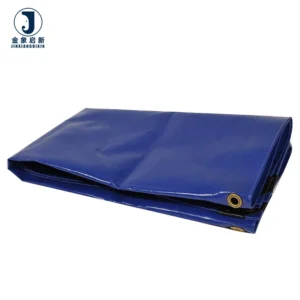
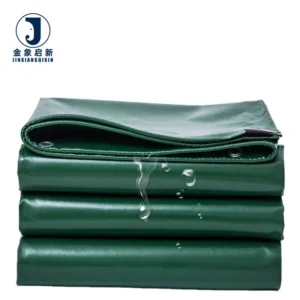
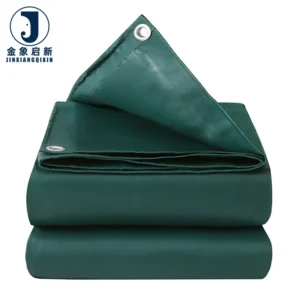
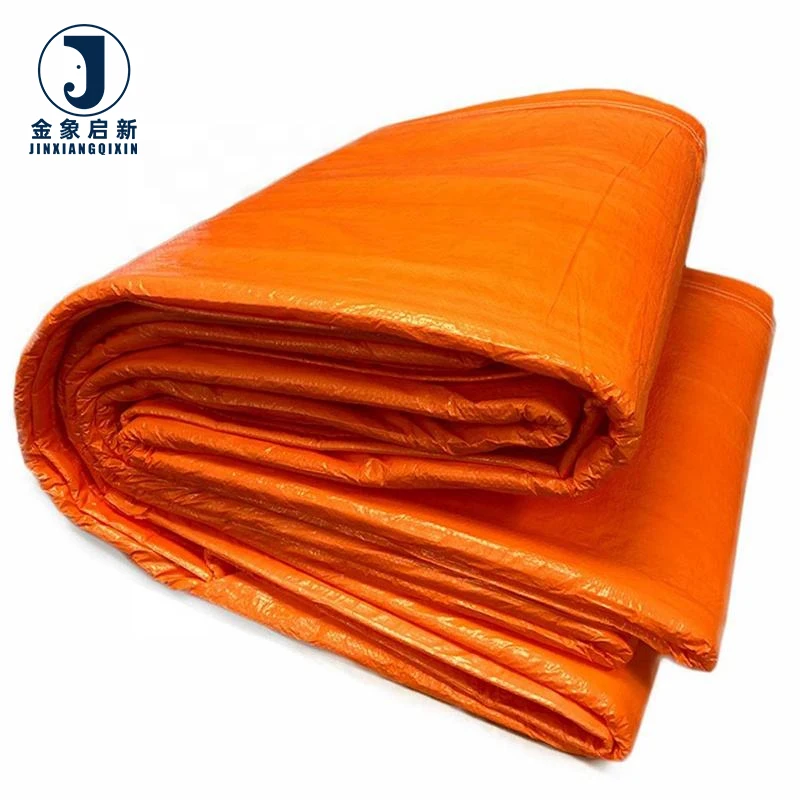
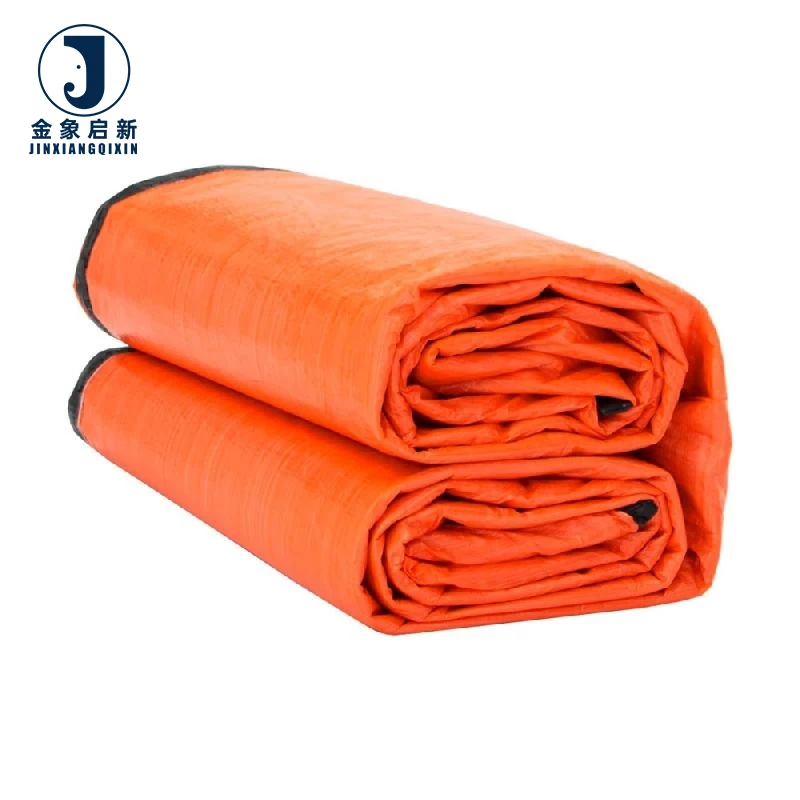
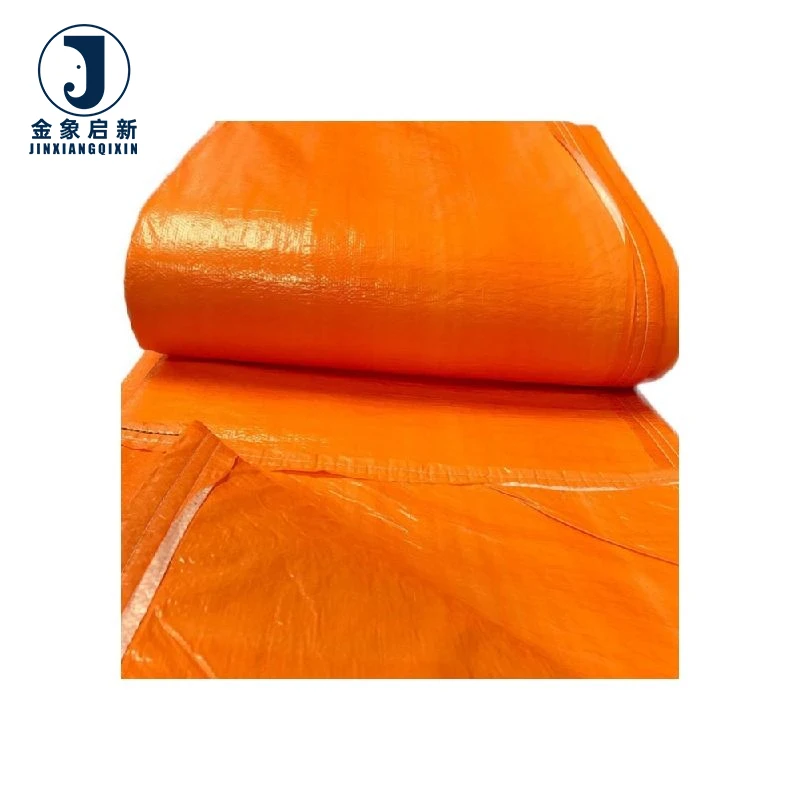
Consistent Panel Quality — every insulated curing blanket ships with verified thickness, grommet spacing, and colour matching across the full order.
Technical Specifications
| Parameter | Value |
|---|---|
| Product Type | Insulated Tarpaulin Blanket |
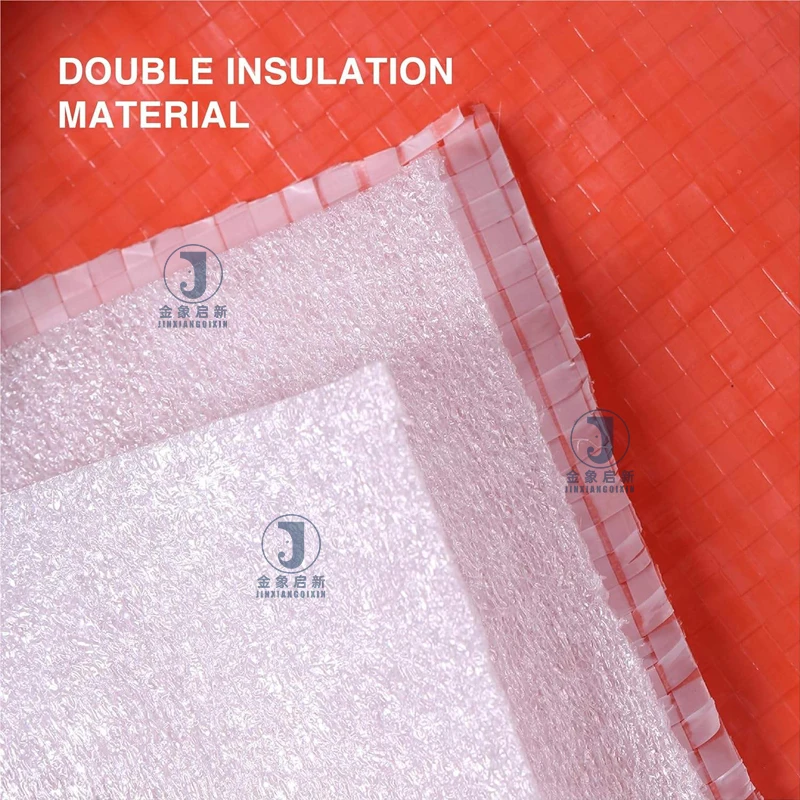
| Structure | PE cloth + closed cell PE foam core + PE cloth |
| Total Thickness Options | 2x2mm, 3×1.5mm, 1x4mm, 5mm, 6mm, 8mm, 12mm |
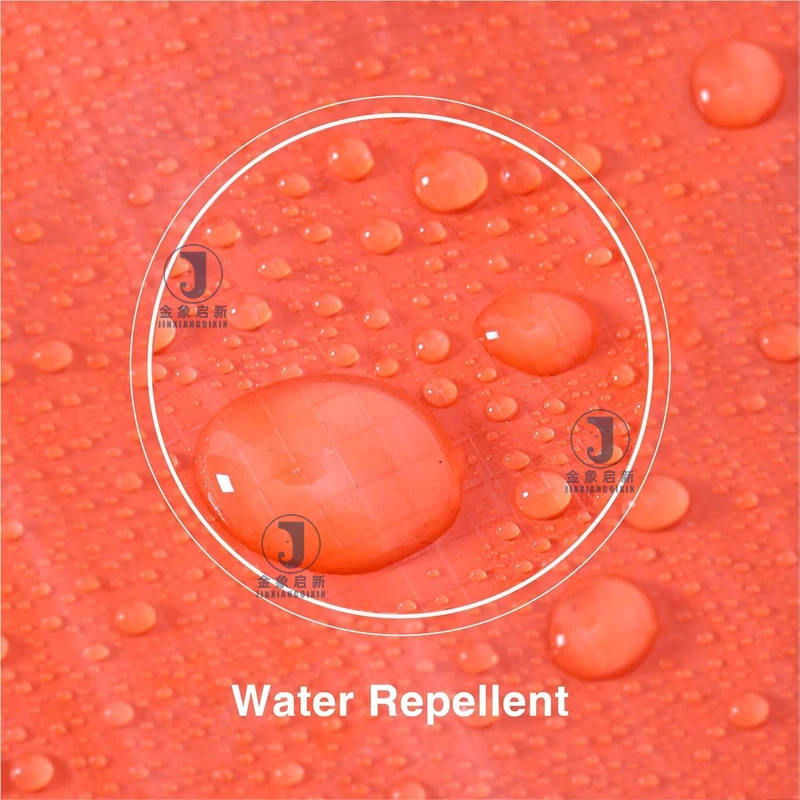
| Surface Fabric | PE cloth, waterproof |
| UV Treatment | Yes (test basis not stated in source — confirm grade for your market) |
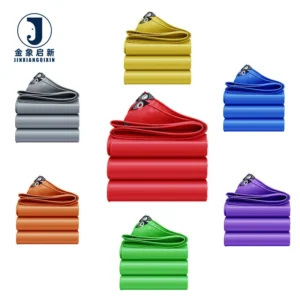
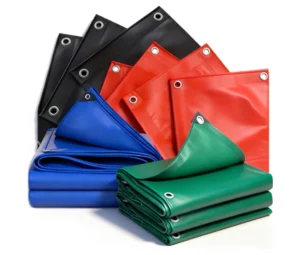
| Colour Options | Orange, Black, White, Silver, Customized colour |
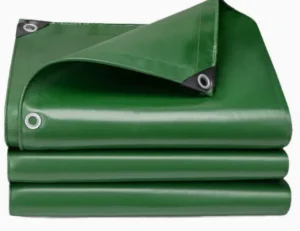
| Grommet Configuration | Aluminum holes, spacing at 61 cm or 91.5 cm |
| Cut Size Options | 6ft x 24ft, 8ft x 25ft, 12ft x 20ft, 12ft x 24ft |
| Edge Finish | Reinforcement stitch, rust-proof brass grommets on all finished edges |
| Waterproof Surface | Yes |
Application Suitability
| Application | Exposure & Requirement |
|---|---|
| Concrete curing blankets over slabs and pours | Low-temperature exposure, moisture from curing concrete, repeated lay-and-lift cycles |
| Heated building enclosures | Wind-driven rain, thermal retention, tie-down tension on vertical panels |
| Vertical wind blocks on construction sites | Sustained wind load, grommet stress, abrasion against scaffolding |
| Outdoor equipment and material stockpile covers | Snow, rain, UV exposure, thermal insulation to prevent material degradation |
Why Batch Colour Consistency Matters More Than Thickness Alone on Curing Blankets
Visible colour variation across panels on the same curing slab signals inconsistent foam-core density and unreliable thermal performance.
When insulated concrete curing blankets arrive with different shades of orange or silver across panels from the same order, the problem is rarely cosmetic. Colour shift in PE cloth typically tracks back to variations in the extrusion process or resin batch changes between production runs. The real concern sits beneath the surface: if the outer layers are inconsistent, the closed-cell foam core thickness and density may also vary panel to panel. Construction crews laying blankets across a large pour will see the differences immediately, and so will the site inspector. [NEED_CITE: PE foam density and thermal resistance correlation in insulated construction blankets]
What Closed-Cell Foam Density Means for Concrete Curing Performance
The insulating value of an insulated tarpaulin blanket depends on the closed-cell PE foam core maintaining its structure under repeated compression. When crews fold, stack, and redeploy panels across multiple pours, the foam cells must resist permanent collapse. A blanket with compromised cell structure loses thermal resistance exactly where the concrete needs it most — at the overlap seams and tie-down points where pressure concentrates. Selecting thickness is only half the specification; confirming that the foam density holds across an entire wholesale order separates functional curing blankets from panels that merely look correct on arrival.
Panel-to-Panel Consistency Across Wholesale Orders
Bulk buyers ordering insulated tarpaulin blankets by the container need every panel to perform identically. When thickness varies between panels — even by a millimetre — the thermal envelope around a heated enclosure develops weak zones. Cold air infiltrates through thinner sections while heat escapes, forcing temporary heaters to work harder and extending curing times unpredictably. Consistent roll-stock processing and in-line thickness verification during production are what keep wholesale orders uniform. [NEED_CITE: thermal bridging effects in temporary construction enclosures with variable insulation thickness]
Reading the Spec Sheet: Thickness, Grommet Spacing, and Edge Reinforcement
Thickness options ranging from 2×2 mm to 12 mm let buyers match insulation value to climate severity. A 5 mm blanket may suffice for mild cold-weather pours, while 12 mm panels serve extended winter curing in freezing conditions. Grommet spacing at 61 cm or 91.5 cm determines compatibility with standard bungee and ratchet tie-down systems — mismatched spacing forces crews to improvise attachment points, which concentrates load and tears the edge binding. The combination of reinforcement stitching with rust-proof brass grommets on all finished edges distributes tie-down tension across the panel perimeter rather than letting it concentrate at individual holes.
The Cost of Underspecifying Edge Reinforcement on Insulated Panels
Grommets pulling through the edge of an insulated blanket on a windy site are not a hardware failure — they are a specification failure. When edge stitching is inadequate or grommet spacing is too wide for the wind load on a vertical enclosure, the tie-down force concentrates on individual holes and tears through the PE cloth. The panel then flaps, the foam core absorbs moisture, and the blanket is discarded mid-project. Buyers who specify only thickness and colour without defining edge reinforcement standards absorb the replacement cost and the project delay. [NEED_CITE: grommet pull-through failure modes in tensioned construction enclosures]
Why Source Insulated Curing Blankets Through This Supply Chain
Three full production lines with 36 sets of professional equipment handle bulk panel orders with consistent output capacity, keeping lead times stable across large wholesale volumes. The 10-person R&D team develops samples in days when buyers need custom thickness, colour, or grommet spacing validated before committing to a container order. Dedicated QA/QC inspection at every production stage catches foam-core density variation and edge-stitching defects before panels reach the packing line. Pre-shipment inspection covers 100% of the order against the purchase order specification, so thickness and grommet spacing match what was quoted. Nearly 30 years of coated fabric process control means the team understands how PE extrusion variables affect downstream panel consistency.
Documentation & Verification
- Material specification sheet listing foam-core thickness, PE cloth weight, and colour reference per order
- Pre-shipment inspection record confirming grommet spacing and panel dimensions against purchase order
- Roll and panel packing list with panel count and container loading configuration
- UV treatment documentation where applicable — confirm test basis for your market
- Certificate of origin and customs documentation for international wholesale shipments
Fabrication, Handling & Storage
- Stitch edges before grommet installation to prevent PE cloth delamination under tie-down tension
- Store folded panels flat — rolled storage compresses the closed-cell foam core and reduces insulation value
- Avoid dragging panels across abrasive surfaces to protect the waterproof PE cloth outer layer
- Clean with mild detergent only — solvents can degrade the PE surface and compromise waterproof performance
- Inspect brass grommets after each curing cycle for loosening, especially at corner anchor points
- Repair small tears in the PE cloth surface immediately to prevent moisture reaching the foam core
Request a Wholesale Quotation
Specify your target thickness, required cut sizes, and grommet spacing preference so the quotation reflects your exact site configuration. Indicate whether panels will serve horizontal curing, vertical enclosures, or both — exposure conditions determine which thickness and edge reinforcement options suit the application. Provide your annual volume and colour requirements so batch consistency and container loading can be planned from the first order.
Frequently Asked Questions
Q: How do I verify foam-core thickness and density when the shipment arrives?
A: Request the pre-shipment inspection record that documents thickness measurements taken across the production run. On receipt, measure foam-core thickness at the panel edges using a calliper before deployment. If density verification is required for your project specification, ask for sample panels to be sent in advance for independent laboratory testing.
Q: Can I order insulated tarpaulin blankets with custom grommet spacing?
A: Custom grommet spacing is available to match your tie-down hardware inventory. Specify the spacing interval and confirm whether aluminum holes or brass grommets are required. The R&D team can produce sample panels with your requested configuration for validation before the full wholesale order enters production.
Q: How do I ensure colour consistency across a large wholesale order?
A: Colour matching is controlled during PE cloth extrusion. Provide your colour reference at the inquiry stage and request a production sample for approval. The pre-shipment inspection process includes visual comparison across panels to flag any variation before the order is packed for dispatch.
Q: What UV treatment basis should I specify for extended outdoor exposure?
A: UV treatment is applied to the PE cloth surface, but the specific test basis and grade should be confirmed for your regional climate and expected exposure duration. Request documentation on the UV stabiliser package used and verify whether it meets any local standards required by your project specification or site regulations.
Q: How are insulated curing blanket panels packed for container shipment?
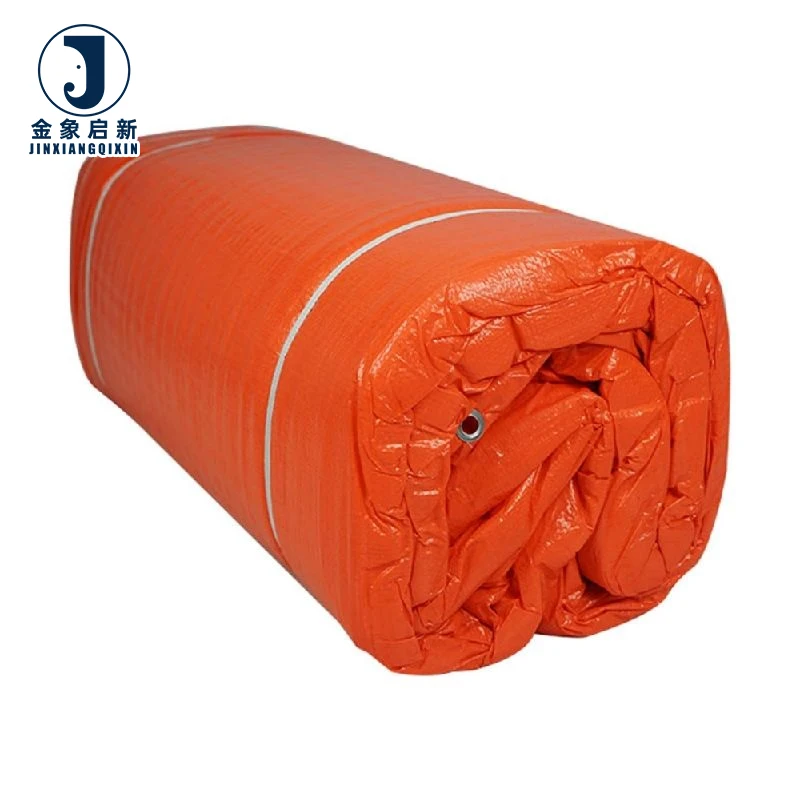
A: Panels are packed flat or folded per the agreed configuration, with a detailed packing list showing panel count, dimensions, and container loading plan. Flat packing preserves the closed-cell foam core structure, while folded packing increases container utilisation. Specify your preference based on whether panels deploy immediately or enter warehouse storage on arrival.