Description
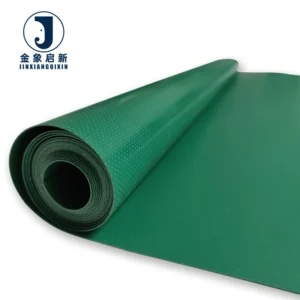
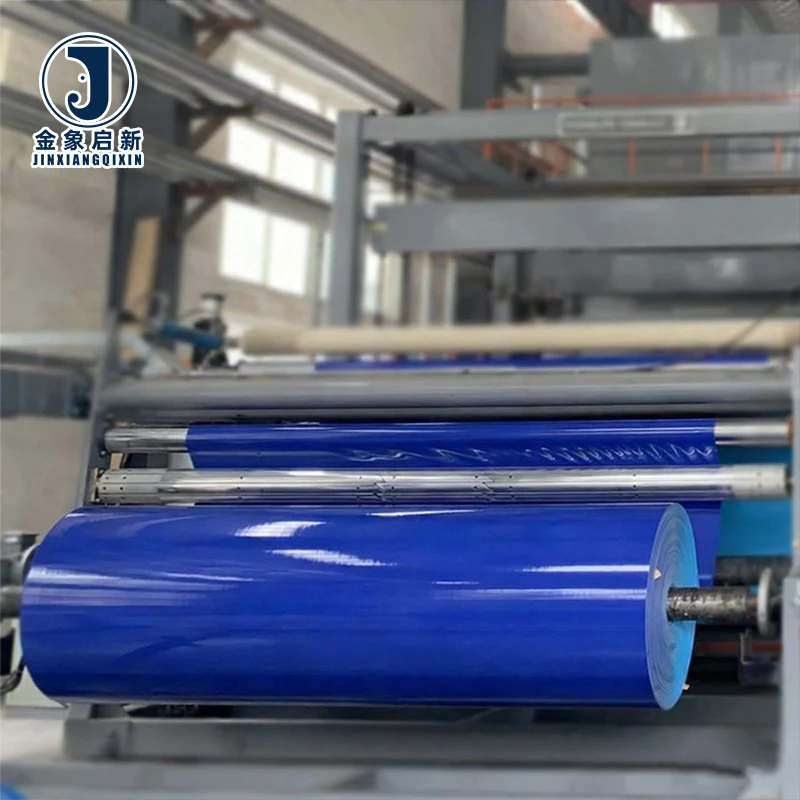
Bulk roll consistency — every PE Tarpaulin Roll ships with documented GSM, colour reference and weave density matched line-by-line to the purchase order, verified before container loading.
Technical Specifications
| Parameter | Value |
|---|---|
| Product Type | PE Tarpaulin Roll |
| Coating Material | HDPE weaving with LDPE lamination on both sides |
| Weight (GSM) | 50g/m², 70g/m², 90g/m², 110g/m², 130g/m², 150g/m², 180g/m², 220g/m² available (confirm grade per order) |
| Total Thickness | 0.2–0.4 mm / 8–16 mil |
| Mesh Count | 6×6, 6×7, 7×7, 7×8, 8×8, 9×9, 8×10, 10×10, 12×12, 14×14, 14×16 |
| Roll Width | 6ft, 8ft, 10ft, 12ft / 2m, 4m, 6m or custom |
| Roll Length | 100 yards, 100 meters or custom |
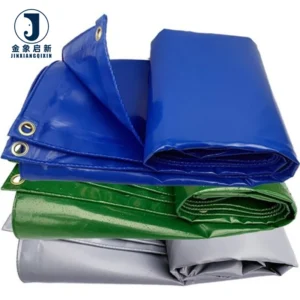
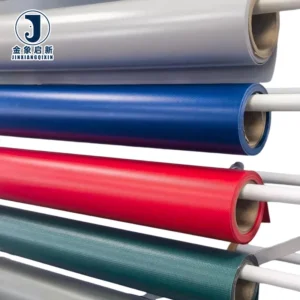
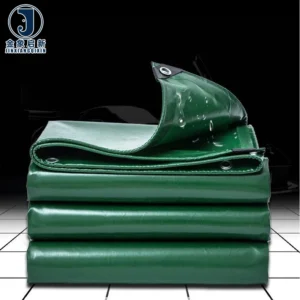
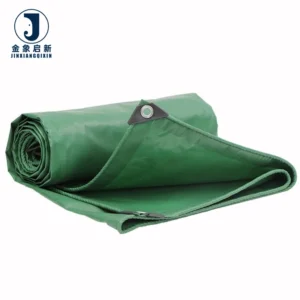
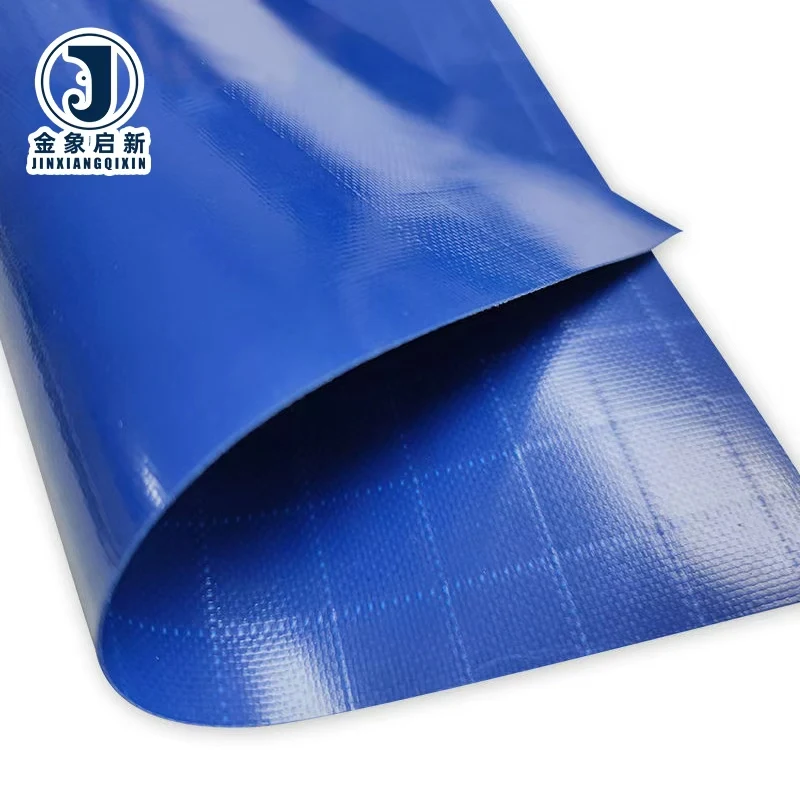
| Colour | Blue, Blue/Orange, Green, Grey, Black, Clear, Grey/Green, Orange or custom colour matching |
| Waterproof | Yes |
| UV Treatment | Available (test basis not stated — request report for your market) |
| Anti-Mildew | Mildew proof |
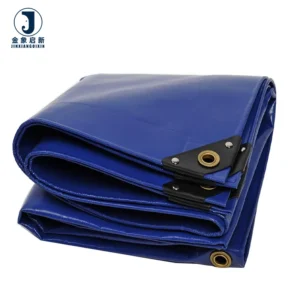
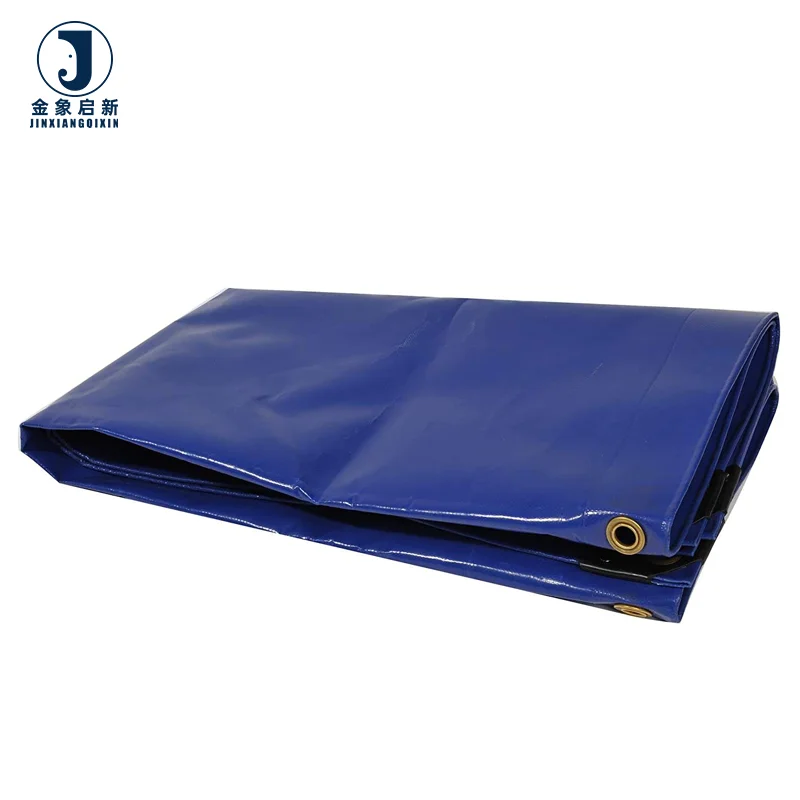
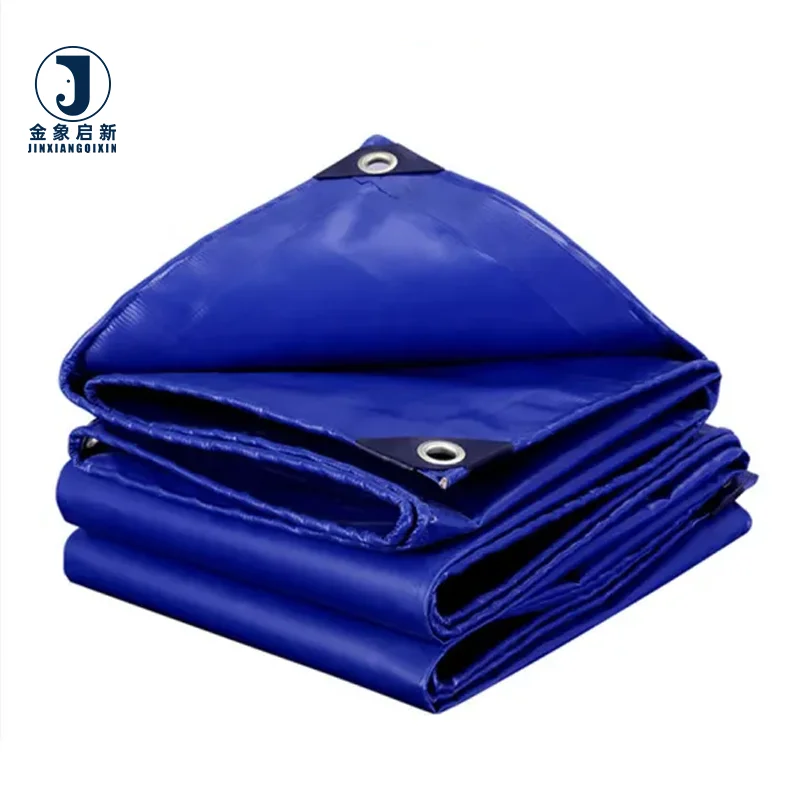
| Eyelet & Hem (finished sheet) | PP rope reinforced hem, galvanized eyelets at 3ft / 1m intervals, reinforced plastic corners |
| Printing | Custom brand printing available |
Application Suitability
| Application | Exposure & Requirement |
|---|---|
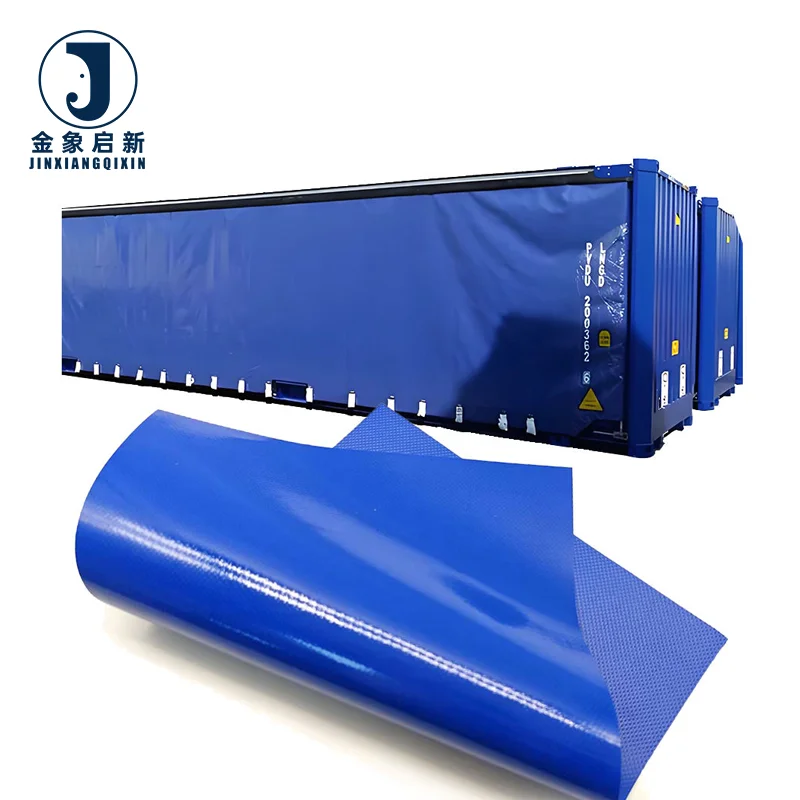
| Truck, container and boat covers | Road vibration, abrasion at tie-down points, weather and UV exposure |
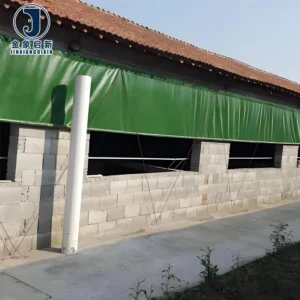
| Timber, hay and crop covers | Moisture ingress, fungal growth, wind uplift on large flat areas |
| Construction scaffolding and roof covers | Debris impact, rain, repeated handling and repositioning on site |
| Pond and reservoir liners | Permanent water contact, soil chemistry, puncture from substrate |
| Garden furniture and gazebo tents | Seasonal UV, mildew in humid storage, frequent folding |
| Swimming pool covers | Chlorinated water, leaf load, UV degradation over extended seasons |
Why Roll-to-Roll Weight Variance Costs Wholesale Buyers More Than Unit Price
Every roll of PE Tarpaulin Roll leaving the warehouse is weighed and cross-checked against the stated GSM before loading.
When a container arrives and the material is lighter than the quotation specified, the distributor faces claims from their own customers who measure the fabric and find the shortfall. Colour drift between rolls in the same shipment creates visible banding when sheets are installed side by side on a construction site or a truck fleet. These failures are rarely caught by a visual check at the port — they surface only when the buyer’s customer puts the product to work [NEED_CITE: weight and colour verification methods for coated fabric rolls per ISO 1421].
Stocking the Full GSM Matrix for Container-Load Buyers
Wholesale buyers consolidating container orders need more than one weight and one colour. This PE Tarpaulin Roll range spans from 50g/m² light-duty covers up to 220g/m² heavy-duty grades, across eleven mesh count options, so a single 40’HQ can carry the full breadth a regional distributor needs. Ordering multiple grades from one production run eliminates the colour mismatch that occurs when rolls from different batches arrive in the same market.
Batch Colour Control Across a Full Container
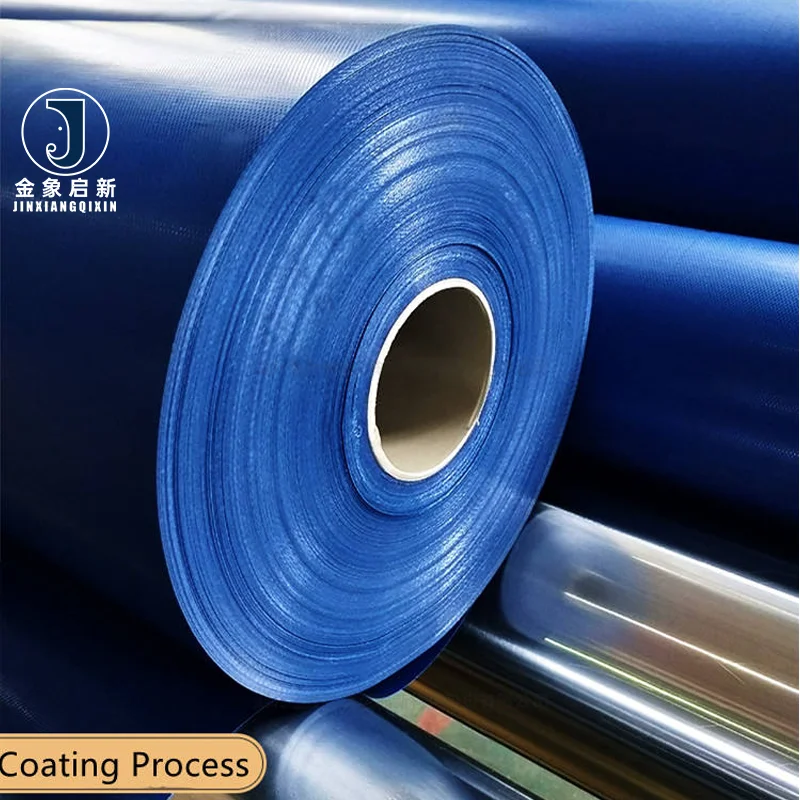
Colour consistency is managed at the coating stage, not patched with surface tint after weaving. When a buyer orders two hundred rolls of blue in 130g/m² and fifty rolls of green in the same width, every roll receives the same pigment batch reference on the packing list. The pre-shipment photo shows rolls laid side by side so the buyer can confirm shade uniformity before the container is sealed [NEED_CITE: colour matching tolerances for laminated polyethylene fabrics].
How Weave Density and GSM Interact in PE Tarpaulin Roll
Buyers often select by GSM alone, but the mesh count determines how that weight is distributed. A 7×7 weave at 90g/m² spreads the LDPE coating across fewer intersection points than a 14×14 at the same weight, giving a stiffer hand but lower tear propagation resistance. For applications where the fabric will be folded repeatedly — such as hay covers or garden furniture wraps — a finer mesh at the same GSM delivers better crease recovery. Conversely, for flat pond liners where puncture resistance matters more than flexibility, a coarser mesh with a heavier coating load performs better under soil pressure. The thickness range from 0.2 to 0.4 mm correlates with total coating weight on both sides, and buyers specifying for tensile-critical applications should request the test report rather than relying on thickness alone.
What Happens When the Wrong Weave Density Ships
A distributor selling scaffolding wrap ordered a lightweight grade and received rolls at the correct GSM but in a mesh count that tore at every nail fix point on site. The weight was right; the weave geometry was wrong for the mechanical fastening the contractor used. In another instance, a pond liner order arrived with the correct colour but a thinner LDPE coating on one side than the other, causing delamination after one season of UV and water contact [NEED_CITE: lamination adhesion failure modes in polyethylene tarpaulin].
Why Procurement Teams Consolidate Here
Three full production lines run dedicated weave densities, so a container order mixing 6×6 and 14×14 grades ships from coordinated schedules rather than delayed cross-factory transfers. The ten-person R&D team develops custom colour matches within days, providing lab-dip rolls before the production run starts. Dedicated QA/QC inspects every roll individually — not by sample — and the 100 percent pre-shipment inspection catches GSM and colour deviations before they reach the port. Export documentation including certificate of origin and customs support is prepared in parallel with loading, so the dispatch package travels with the container rather than arriving days later by courier.
Documentation & Verification
- Material specification sheet stating base fabric denier, coating weight and measured GSM per roll
- Pre-shipment inspection record with roll-by-roll weight check against purchase order
- Roll packing list showing net weight, roll count, colour reference and container loading plan
- Batch colour reference card matching all rolls in the shipment
- Certificate of origin and customs support documents prepared with every dispatch
Fabrication, Handling & Storage
- LDPE-laminated rolls heat-seal cleanly at standard impulse settings; test seal parameters on a cut sample before full production
- Store rolls upright on hard paper tubes to prevent flat-spot creasing across the 2m–6m widths
- When cutting finished sheets, reinforce galvanized eyelet positions with corner patches to prevent tear-out at tie-down points
- Avoid dragging roll edges across abrasive surfaces during warehouse handling — the LDPE coating marks visibly on lighter colours
- For custom brand printing, confirm ink adhesion on a sample roll before committing the full print run
What to Include in Your Enquiry
Provide the target GSM and mesh count for each application in your product range, along with the roll widths and lengths your customers expect. State the colour references needed and whether rolls ship as stock or require custom pigment matching. Confirm your preferred container loading method — by roll, bale or carton — and the annual volume so the production schedule can reserve line time accordingly.
Frequently Asked Questions
Q: How is GSM verified roll-by-roll before shipment?
A: Each roll is weighed on a calibrated scale and the measured GSM is recorded on the pre-shipment inspection report. This document travels with the packing list so the buyer can cross-check every roll against the purchase order specification on arrival.
Q: How do you control colour consistency across rolls in a single container order?
A: All rolls in one shipment are coated using the same pigment batch. A roll-by-roll colour reference appears on the packing list, and a pre-shipment photograph shows the rolls laid side by side for visual shade confirmation before the container is sealed.
Q: What roll widths and lengths are stocked versus made-to-order?
A: Standard widths from 2m to 6m and lengths of 100 yards or 100 meters ship from scheduled production. Custom widths, non-standard lengths and special colour matches are developed as samples first and then produced to order with confirmed lead times.
Q: How are rolls packed for container loading to prevent transit damage?
A: Rolls are wound on hard paper tubes and wrapped in the same tarpaulin material to protect the LDPE surface. Loading plans are calculated by roll, bale or carton method to maximise payload while preventing crushing or edge damage during ocean freight.
Q: What documentation ships with a bulk roll order?
A: Every dispatch includes a material specification sheet, pre-shipment inspection record, roll packing list with weight and colour data, certificate of origin and customs support documents. UV or flame-retardant test reports are included where applicable to the grade ordered.