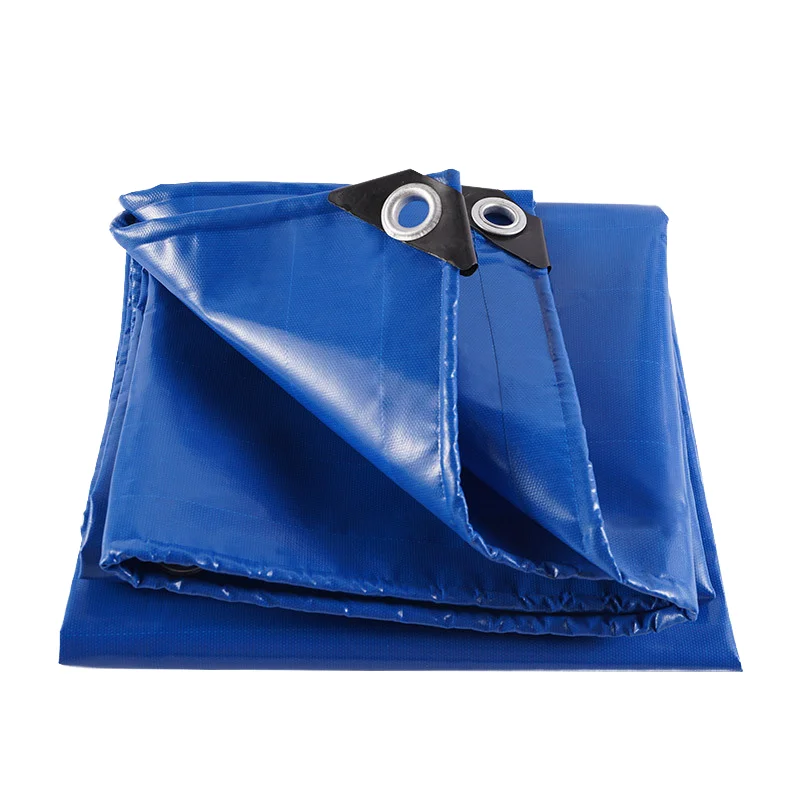
Description
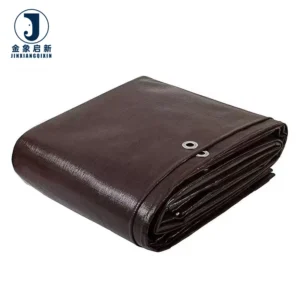
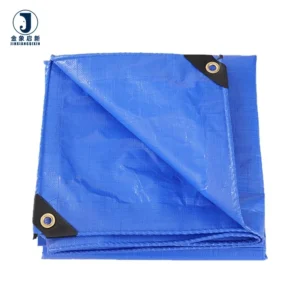
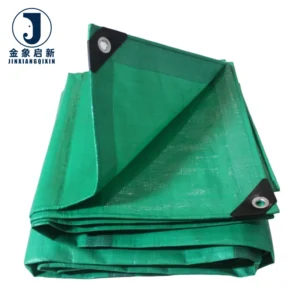
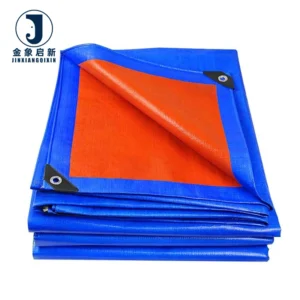
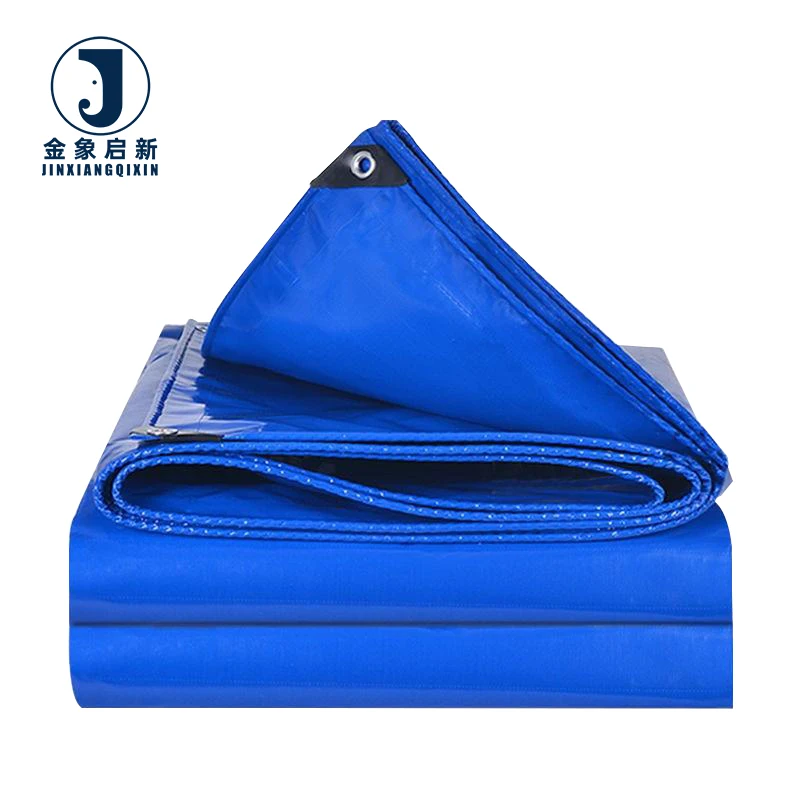
Process-Controlled Roll Stock — three full production lines and dedicated QA checkpoints ensure every roll of PVC coated tarpaulin ships with verified GSM and documented coating weight.
Technical Specifications
| Parameter | Value |
|---|---|
| Product Type | PVC Coated Tarpaulin Roll |
| Base Material | PVC + High-strength polyester mesh fabric |
| Weight Options | 350gsm / 420gsm / 500gsm / 550gsm / 600gsm / 750gsm |
| Thickness Range | 0.32 mm / 0.35 mm / 0.4 mm / 0.45 mm / 0.5 mm / 0.65 mm |
| Standard Roll Sizes | 2 m × 75 m, 2.1 m × 50 m |
| Coating Technology | Laminated & Hot-melt coating |
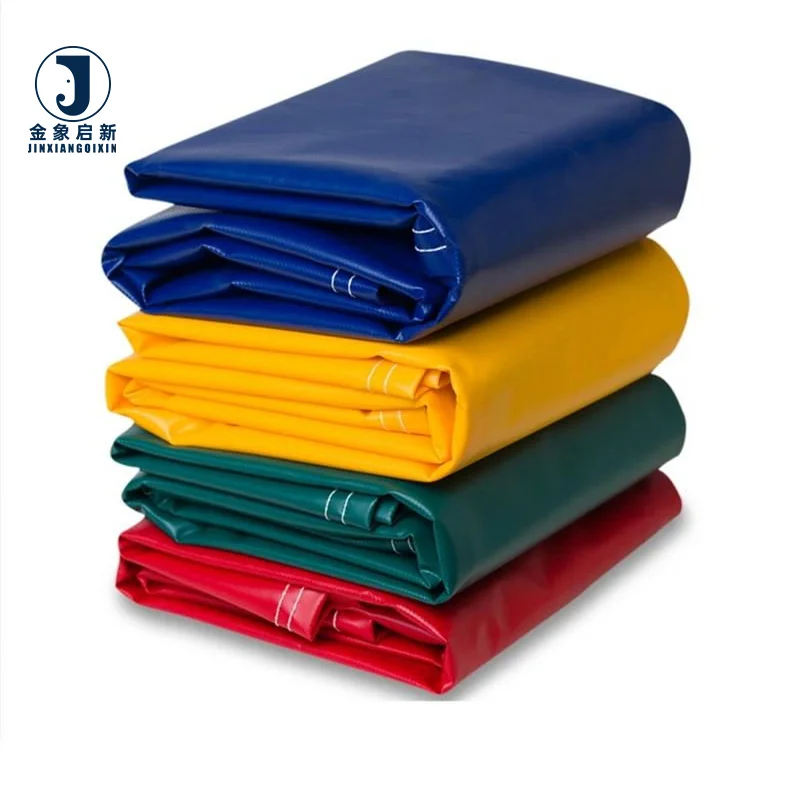
| Colour Options | Blue, Red, Yellow, Light blue, Grey (custom colours available) |
| Cold Crack Resistance | Treated for low-temperature flexibility |
| Anti-Mildew | Treated |
| Flame Retardant | Available upon request — confirm grade required for your market |
| Anti-Static | Available upon request — confirm test basis required |
| UV Treatment | Available upon request — confirm test basis required |
| Certifications | ISO 14001, ISO 45001, CE, RoHS |
Application Suitability
| Application | Exposure & Requirement |
|---|---|
| Tarpaulin distribution & import | Broad GSM range stocking, batch-to-batch colour consistency, container-load roll supply |
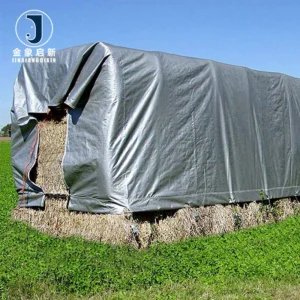
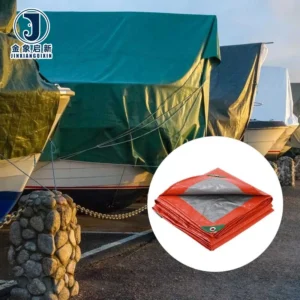
| Truck side curtain & flatbed cover fabricators | Constant flexing at load points, road spray, abrasion at tie-down zones, heat-welded seams |
| Tent & awning manufacturers | Roll-to-roll colour matching, UV stability for extended outdoor deployment, clean weld lines |
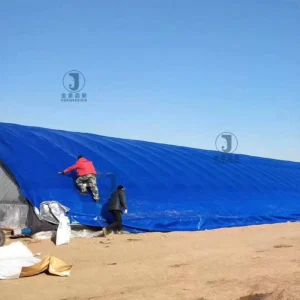
| Inflatable & membrane structure builders | Air-holding seam integrity, consistent coating adhesion across the full roll length |
| Fish tank & pool liner fabricators | Permanent water contact, anti-mildew requirement, puncture resistance from substrate |
Why Batch Consistency Matters More Than Quoted GSM for Wholesale Buyers
A roll that measures lighter than its quoted GSM on arrival is not a discount — it is an undocumented specification change.
When you are stocking PVC coated tarpaulin roll inventory for regional resale or feeding rolls directly into a cut-and-weld production line, the number on the quotation means little if the material on the unwinding table tells a different story. Distributors who have received containers with mixed-weight rolls know the cost of customer complaints once the fabric is installed and fails ahead of schedule [NEED_CITE: ISO 1421 tensile and tear test methods for coated fabrics]. Colour drift between rolls in the same shipment compounds the problem when two panels hang side by side on a truck or tent frame. This PVC coated tarpaulin wholesale supply addresses that gap by documenting exact GSM, base fabric, and coating weight on a specification sheet that accompanies every roll batch.
Roll Dimensions and Container Loading Efficiency
Standard roll sizes of 2 m × 75 m and 2.1 m × 50 m are structured for efficient container loading, maximising the linear metres of PVC coated tarpaulin roll stock per shipment. Custom widths and lengths are available with confirmed lead times, allowing distributors to align roll dimensions with their regional cutting patterns and reduce offcut waste at the fabrication stage.
Coating Technology and Weld Behaviour
Laminated and hot-melt coating processes produce distinct adhesion profiles between the polyester mesh and the PVC layers. Hot-m*ric weave, supporting stronger heat-welded seams — a critical factor when fabricators join panels for side curtains or large-format covers. Laminated construction delivers a smoother surface finish suited to applications where appearance and print receptivity matter.
Reading GSM and Thickness Together
GSM alone does not define how a coated fabric performs under load. A 550gsm roll with a tightly woven high-tenacity polyester base and thin coating layers will resist tearing differently from a 550gsm roll with a loosely woven base and heavy coating fill. The thickness-to-weight ratio across this range — from 0.32 mm at 350gsm to 0.65 mm at 750gsm — signals how the coating mass is distributed relative to the structural yarns [NEED_CITE: relationship between GSM, denier, and coated fabric tear propagation]. Buyers specifying for welded seam applications should request the base fabric denier and weave density alongside GSM to assess how the material will behave at the weld line under repeated flexing.
What Specification Mismatches Cost at the Loading Dock
Receiving a container where rolls vary in colour means the fabricator either absorbs the waste of cutting around inconsistent panels or installs a visible mismatch on a client’s truck or structure. Rolls that arrive below quoted GSM produce covers that sag, seams that open under wind load, and warranty claims that trace back to the material supplier. When flame retardant or anti-static treatment is specified but arrives without a supporting test report, the installation fails site inspection and the entire project stalls [NEED_CITE: fire classification standards for temporary structures and transport covers]. These are not edge cases — they are recurring failures in coated fabric procurement.
Why Roll Buyers Source From This Facility
Three full production lines with 36 sets of professional equipment support container-volume PVC coated tarpaulin roll orders with consistent lead times. A 10-person R&D team handles custom colour matching, sample development, and width specifications before production begins. Every roll undergoes in-process QA with 100% pre-shipment inspection, and the dispatch documentation package includes a material specification sheet, roll packing list, and all applicable certificates — so the buyer’s receiving team can verify weight, colour, and compliance the moment the container opens.
Documentation & Verification
- Material specification sheet stating exact GSM, base fabric construction, coating method, and colour reference per roll batch
- Pre-shipment inspection record confirming 100% roll-by-roll weight and visual check before container loading
- ISO 14001, ISO 45001, CE, and RoHS certificates supplied as standard documentation
- Roll packing list with individual roll weight, dimensions, and container load plan for freight planning
- Flame retardant and anti-static test reports provided when applicable grades are specified at order
Fabrication, Handling & Storage
- Hot-weld temperature and speed settings vary by GSM grade — confirm parameters on a test strip before production runs
- Store rolls upright on pallets to prevent flat-spot deformation across the 2 m or 2.1 m width
- Allow cold-stored rolls to acclimatise before unrolling to avoid coating crack in low-temperature grades
- Use compatible PVC-based repair tape or liquid weld compound matching the hot-melt or laminated coating type
- Plan cutting layouts around standard roll lengths of 75 m or 50 m to minimise cross-seam joints in large covers
What to Include in Your Roll Stock Enquiry
Specify the GSM grades and colour references you need in stock, along with your target container volume and preferred roll width. If your fabrication line requires custom widths or flame retardant grades tied to a specific market standard, include that requirement and the applicable test basis. Confirm whether you need rolls only or finished cut-to-size panels, and request production samples for weld testing before committing to container quantities.
Frequently Asked Questions
Q: How is GSM verified before rolls ship?
A: Each roll batch is checked against the quoted GSM during production and again at pre-shipment inspection. A material specification sheet accompanies every dispatch, stating the exact GSM, base fabric denier, and coating weight so your receiving team can cross-reference on arrival.
Q: Can colour consistency be maintained across a full container order?
A: Colour reference documentation is confirmed before production and rolls are cross-checked side by side during inspection. This ensures that panels cut from different rolls in the same batch display consistent colour when installed adjacent to each other on a truck or structure.
Q: What roll widths and lengths are available for container loading?
A: Standard rolls ship at 2 m × 75 m or 2.1 m × 50 m. Custom widths and lengths are available with confirmed lead times. A roll packing list with weight and dimensions is provided so you can plan container utilisation before dispatch.
Q: What is the lead time and minimum for custom colours?
A: Custom colours are developed as samples for approval before full production runs. Lead times and minimum order quantities depend on the GSM grade and colour specification — confirm your requirements at enquiry for a production schedule.