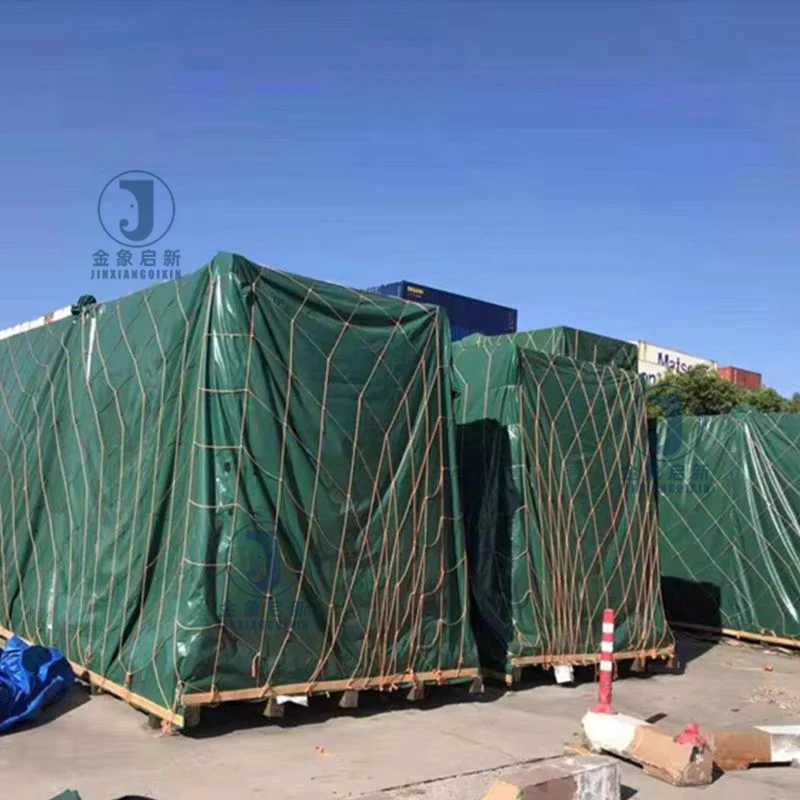
Description
Proven Coating Control — our batch-monitored PVC coating lines maintain uniform GSM and colour consistency across every roll in your container shipment.
Technical Specifications
| Parameter | Value |
|---|---|
| Product Type | PVC Coated Tarpaulin |
| Base Fabric | 500D×500D Polyester |
| Coating | Double-Sided PVC |
| Weight Range | 450–900 g/m² (confirm grade for your application) |
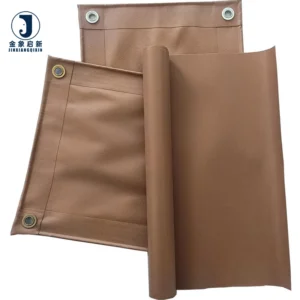
| Surface Finish | Smooth, leather-like texture |
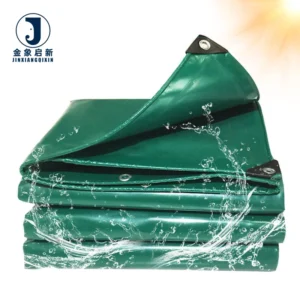
| Waterproofing | Fully coated, sealed construction |
| Abrasion Resistance | High |
| UV Resistance | Anti-UV treatment available — confirm grade required for your market |
| Flame Retardancy | Flame-retardant grades available — confirm the grade required for your market |
| Weldability | Hot-air weldable |
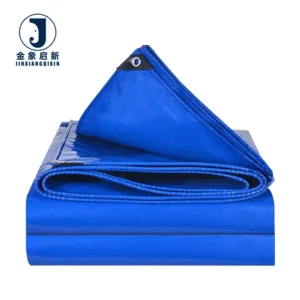
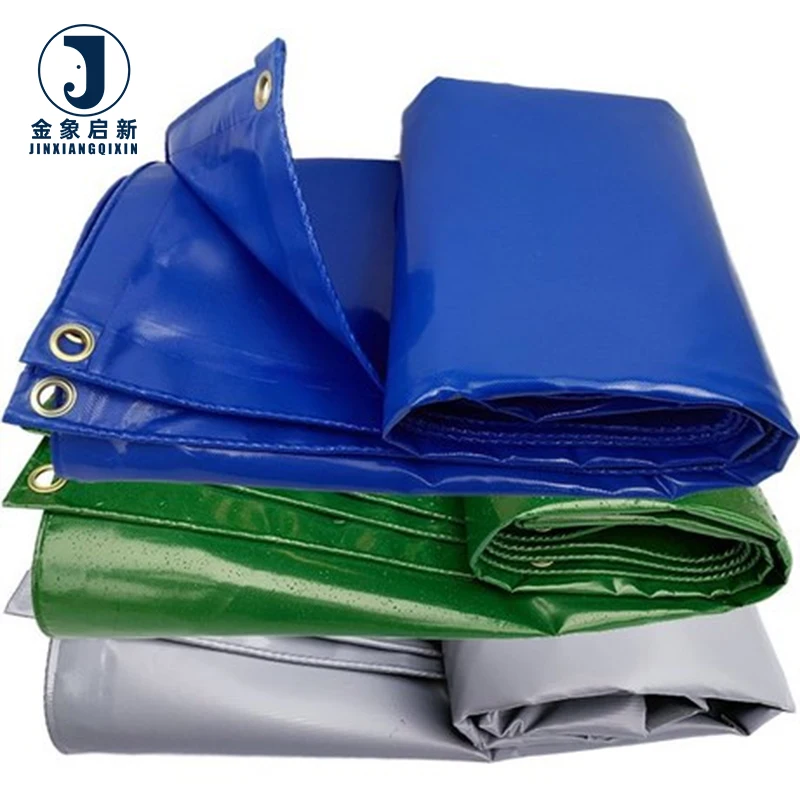
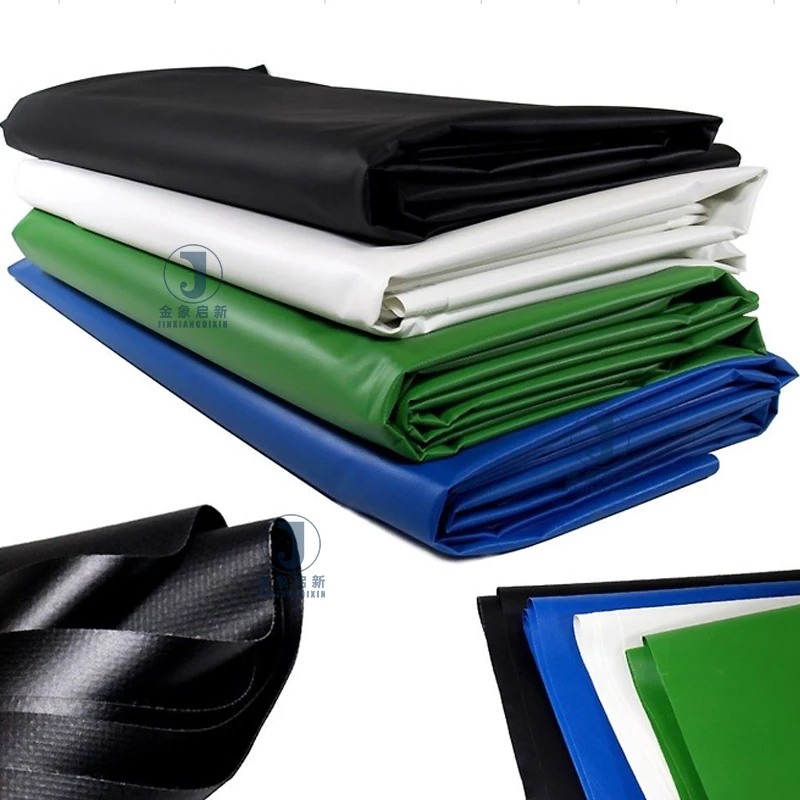
| Colour | Customizable per order |
| Key Features | Water resistant, flame retardant options, anti-UV options, repairable by hot air welding |
Application Suitability
| Application | Exposure & Requirement |
|---|---|
| Tarpaulin distribution & import | Container-load volumes with roll-to-roll GSM and colour consistency for regional resale |
| Tent and awning fabrication | Roll stock cut-to-size production requiring smooth surface for printing and clean hot-air welds |
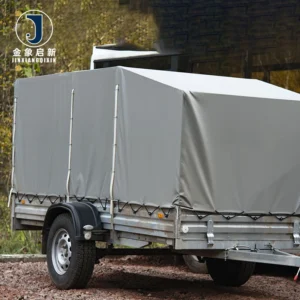
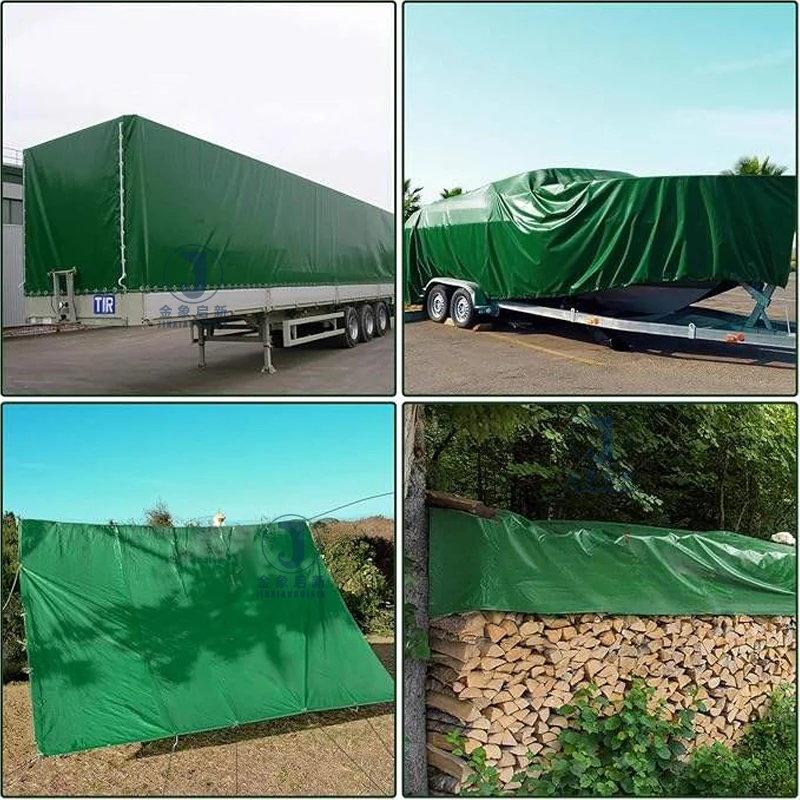
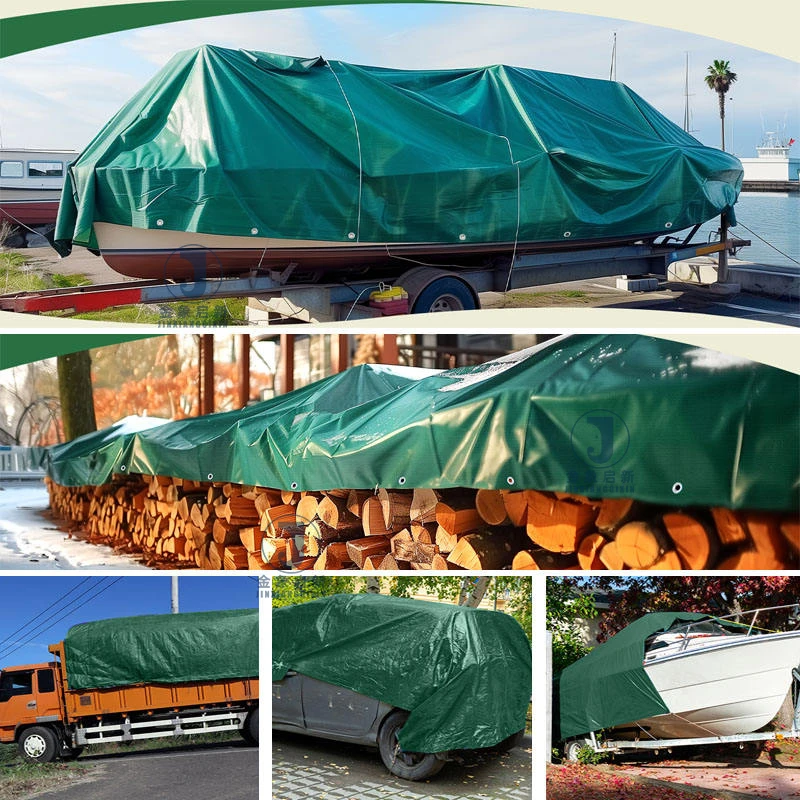
| Truck and trailer side curtains | Constant flexing, road abrasion, weather exposure, and tie-down stress at hem lines |
| Machinery and equipment covers | Outdoor weathering, dust ingress prevention, and repeated handling during maintenance access |
| Wood pile and stockpile covers | Prolonged UV exposure, wind uplift, and moisture protection across seasonal storage |
Why Roll-to-Roll Colour Uniformity Matters More Than Price Per Kilogram
Batch-controlled coating is the difference between a clean install and a visible mismatch across adjacent panels.
Distributors who buy PVC coated tarpaulin roll stock in volume often discover colour drift only after the material is unrolled side by side at the fabrication shop or job site. The human eye detects shade variation easily on large, continuous surfaces — especially on truck side curtains or awning panels installed in direct sunlight. When one roll reads slightly warmer or cooler than the next, the entire batch can face rejection, triggering returns, re-orders, and delayed shipments. This problem originates at the coating stage, where pigment dosing, plastisol mixing time, and oven temperature zones must remain stable across every production run [NEED_CITE: colour consistency standards for coated technical textiles].
How Bulk Roll Stock Supports Your Distribution Model
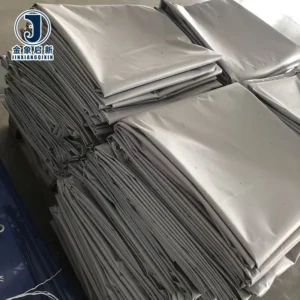
Importers and regional distributors need PVC coated tarpaulin roll inventory that moves quickly into secondary fabrication or direct resale. Our production lines run dedicated batch codes per order, linking each roll to its coating run so you receive matched material within a single container load. Stock widths and standard GSM grades ship on shorter lead times, while custom widths and colours follow a sampling approval step before full production begins. This structure lets you plan container loading by roll count and total weight, reducing dead space and freight cost per unit.
Weldability and Converting Line Compatibility
Fabricators cutting and welding rolls into finished truck covers, awnings, or tent panels depend on predictable hot-air weld behaviour. The double-sided PVC coating on this 500D polyester base responds to standard hot-air welding equipment, producing seams that bond coating-to-coating rather than relying on adhesive or thread alone. A smooth, leather-like surface finish supports pattern printing and brand logo application without additional surface treatment [NEED_CITE: hot air welding parameters for PVC coated polyester fabrics]. When your converting line processes multiple rolls per shift, consistent coating thickness means your weld temperature and speed settings stay stable from one roll to the next.
Reading the Specs That Actually Predict Field Performance
The 500D×500D polyester base fabric provides the structural skeleton of this PVC coated tarpaulin, and its yarn denier directly influences how the material resists tear propagation once a puncture or cut occurs. Higher denier yarns absorb more energy before individual filaments break, slowing the spread of damage across the panel. GSM — the combined weight of base fabric plus coating — indicates overall material mass but does not alone determine tensile or tear strength; a heavy coating on a loosely woven base can produce high GSM with lower mechanical performance than a lighter coating on a tighter weave. The double-sided PVC coating method seals the base fabric completely, preventing water ingress through the weave while also providing a weldable surface on both faces. Surface finish — in this case, a smooth leather-like texture — affects how well printed inks adhere and how easily dirt releases during cleaning in outdoor service.
What Specifying the Wrong Grade Costs You Downstream
Choosing a PVC coated tarpaulin roll grade without matching it to the end-use environment creates failures that surface after the material leaves your warehouse. A weight that is too light for truck side curtain use leads to premature abrasion at contact points and flex fatigue along fold lines. A flame-retardant grade selected without verifying the test standard required in your destination market can result in failed site inspections and rejected shipments. Colour inconsistency across rolls in the same order forces fabricators to sort and match panels manually, adding labour time and generating offcuts that reduce yield. These downstream costs routinely exceed any per-kilogram saving on the original material purchase [NEED_CITE: cost of material specification mismatches in industrial textile converting].
Why Procurement Teams Source This Fabric Here
Our three full production lines and 36 sets of professional equipment handle bulk PVC coated tarpaulin roll orders with capacity to maintain delivery schedules across container-load volumes. A 10-person R&D team develops custom colour matches, width adjustments, and printed samples within days, so you approve the exact material before production scales up. Dedicated QA/QC runs at every stage — incoming yarn inspection, coating weight checks during the run, and 100% pre-shipment inspection — so the rolls you receive match the specification on your purchase order. Nearly 30 years of focused coated fabric production means our process parameters are refined through decades of roll stock output, not trial runs.
Documentation & Verification
- Material specification sheet confirming GSM, 500D base denier, and PVC coating weight per roll
- Pre-shipment inspection record with measured GSM values against quoted grade
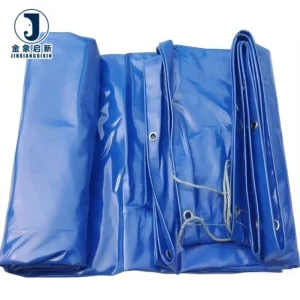
- Roll packing list detailing roll count, individual weights, and container loading plan
- UV and flame-retardant test reports supplied for applicable grades on request
- Certificate of origin and customs documentation for international roll shipments
Fabrication, Handling & Storage
- Set hot-air weld temperature based on the PVC coating thickness of your selected GSM grade
- Store rolls upright on end caps to prevent flat-spot deformation on the coating surface
- Allow cold-stored rolls to acclimatise before unrolling to avoid PVC stiffening and crease marks
- Use the smooth leather-like surface for direct printing without additional primer or corona treatment
- Plan cutting layouts to standard roll widths to minimise offcuts and welded seam joints
What We Need to Quote Your Roll Order Accurately
Provide your target GSM grade, required roll width, and annual volume so we can map production runs and container loading to your schedule. If your end-use market mandates a specific flame-retardant classification or UV stability level, share the relevant standard so we match the treatment and include the corresponding test report. Confirm whether you need plain rolls for your own converting line or if custom colour and brand printing are part of the specification.
Frequently Asked Questions
Q: How can I verify the GSM of each roll matches what was quoted?
A: We supply a pre-shipment inspection record showing measured GSM per roll. On arrival, you can cross-check by cutting a measured sample area and weighing it on a calibrated scale. Any roll falling outside the stated tolerance is flagged before dispatch so discrepancies are resolved before the container leaves our facility.
Q: How do you maintain colour consistency across a multi-roll order?
A: Each order runs under a single batch code with locked pigment formulation and coating line settings. We produce colour reference samples for your approval before full production, and in-process checks compare every roll against the approved standard under controlled lighting conditions.
Q: What roll widths and lengths can I order for my converting equipment?
A: Custom widths are available to match your cutting table or automated converting line, reducing trim waste. Roll length is adjusted to fit your handling capacity and container loading plan. Sample rolls in your required width ship for line trials before the bulk order runs.
Q: What is the minimum order for custom colour or printed rolls?
A: Minimum quantities depend on the colour complexity and whether brand printing is included. Standard colours in stock GSM grades carry lower minimums, while custom Pantone matches and printed designs require a sampling step and a production run threshold to maintain colour consistency across the batch.
Q: How are rolls packed and loaded for container shipping?
A: Rolls are packed in roll packing, bale packing, or carton depending on your handling preference and destination requirements. We provide a container loading plan showing roll count, weight distribution, and total payload so you can optimise freight cost per roll before the container is sealed.