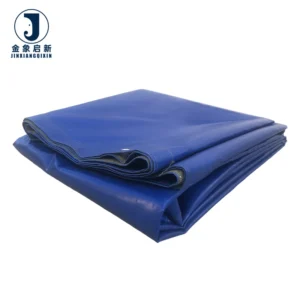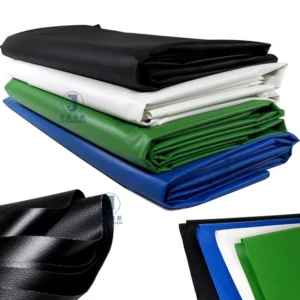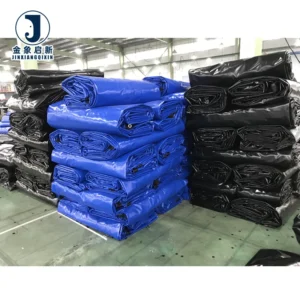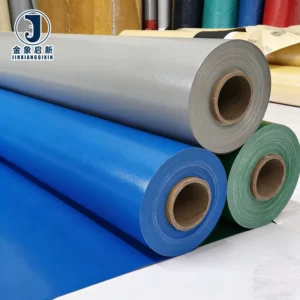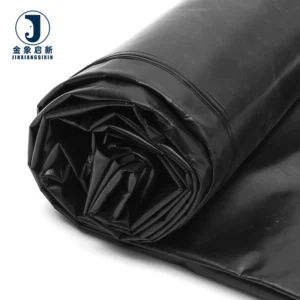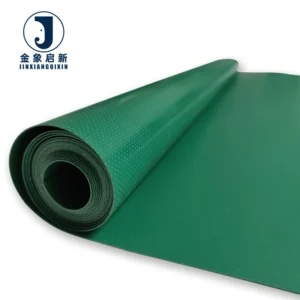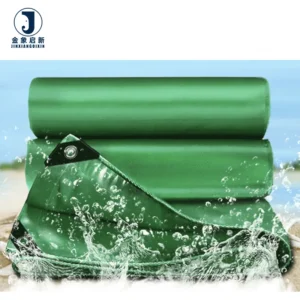
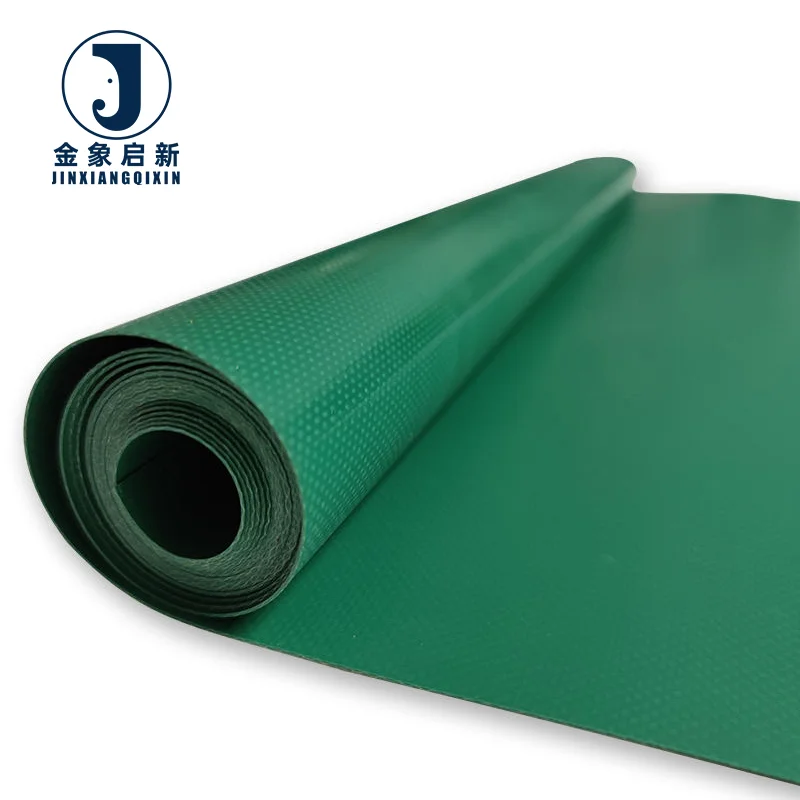
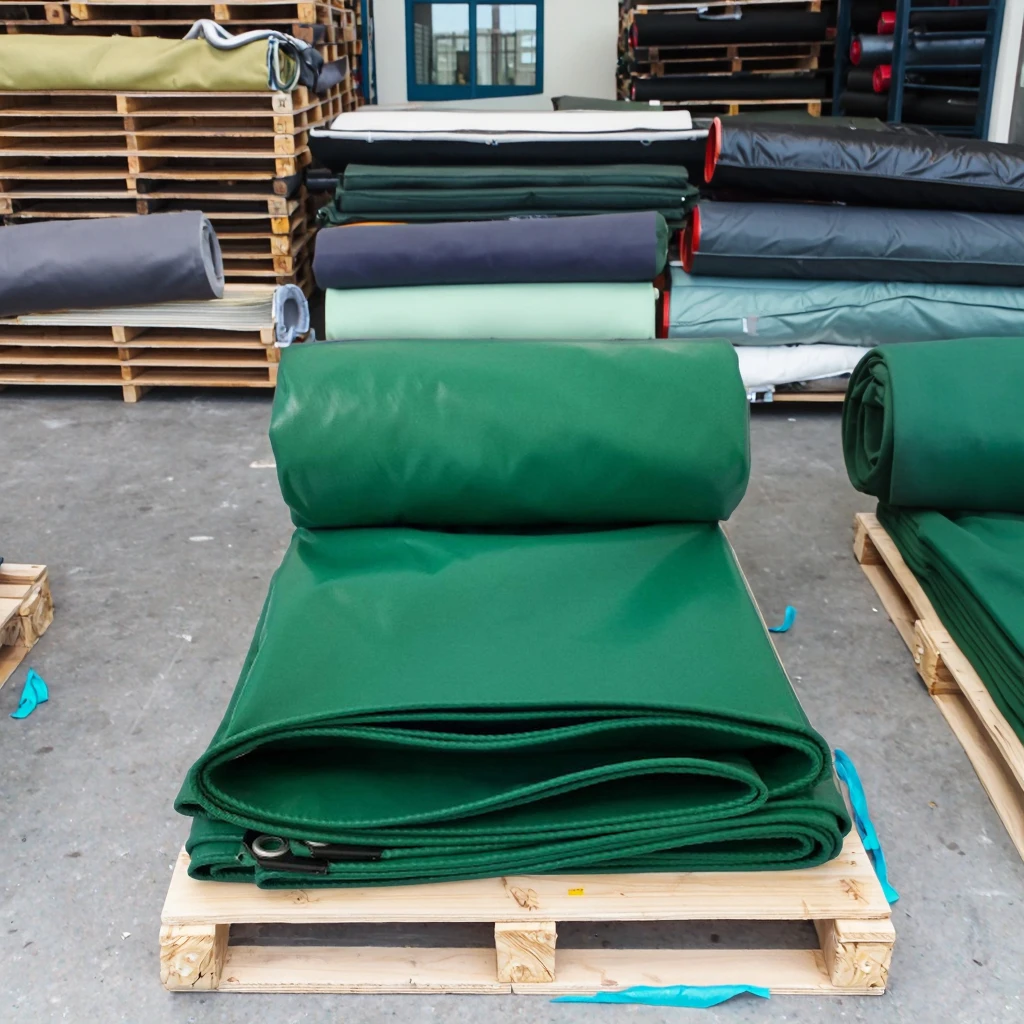
Description
Batch-Weight Verified — Every roll leaves the factory with a recorded GSM measurement matched against the quoted grade, eliminating the weight shortfall that causes disputes on the receiving dock.
Technical Specifications
| Parameter | Value |
|---|---|
| Product Type | PVC Coated Tarpaulin Roll |
| Material | PVC + High-strength polyester mesh fabric |
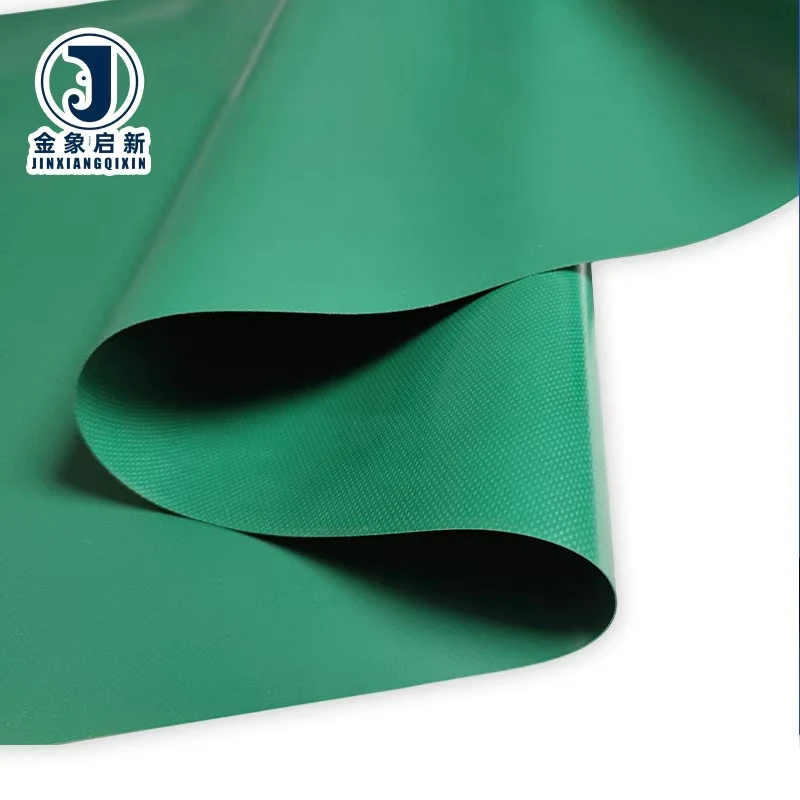
| Coating Method | Laminated technology & Hot-melt Coating technology |
| Weight Options | 350gsm / 420gsm / 500gsm / 550gsm / 600gsm / 750gsm |
| Total Thickness | 0.32mm / 0.35mm / 0.4mm / 0.45mm / 0.5mm / 0.65mm |
| Roll Width | 2m / 2.1m |
| Roll Length | 75m (2m width) / 50m (2.1m width) |
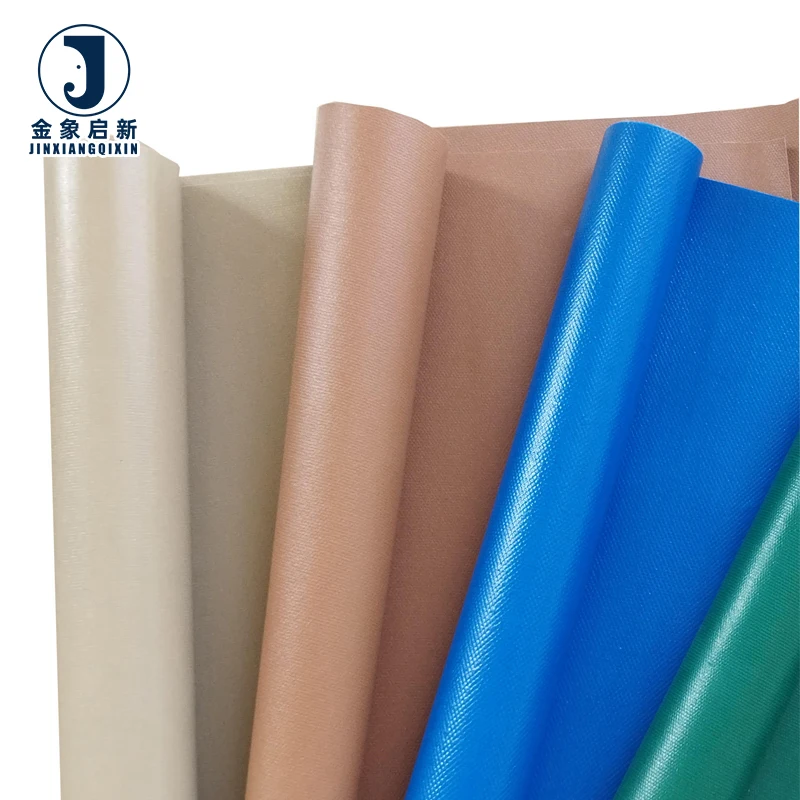
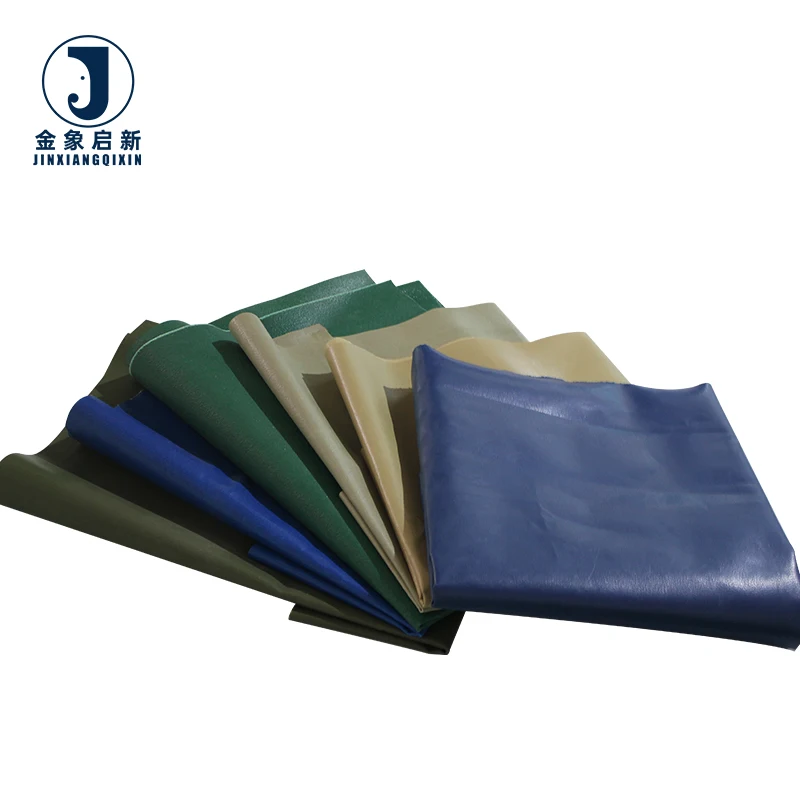
| Color Options | Blue / Red / Yellow / Light blue / Grey (Customized) |
| Key Features | Cold crack resistance, Anti-mildew, Waterproof, Sunproof |
| Flame Retardant | Available as special treatment — confirm the grade required for your market |
| Anti-Static | Anti-static treatment available — test basis to be confirmed per order |
| Service Life | 3–7 years under normal circumstances |
Application Suitability
| Application | Exposure & Requirement |
|---|---|
| Tarpaulin distributor stock | Multiple GSM grades needed in a single container for regional resale across varied end-use segments |
| Tent and awning fabrication | Roll-to-roll colour consistency across adjoining panels, reliable weld strength at seam lines |
| Agricultural pond and reservoir lining | Permanent water contact, UV exposure, puncture resistance from substrate irregularities |
| Construction site enclosure | Wind load on large spans, scaffold abrasion, weather exposure over multi-month projects |
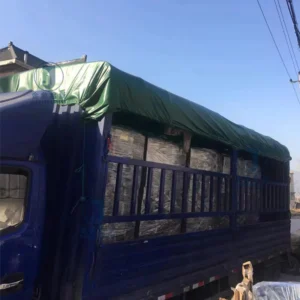
| Truck awning and side curtain | Constant flexing at folds, road debris abrasion, repeated tension at tie-down points |
| Equipment and machinery covers | Outdoor storage exposure, dust and moisture ingress prevention, handling abrasion |
Why Roll-to-Roll Consistency Matters More Than the Quoted Price Per Kilo
Colour drift between rolls in one shipment is the fastest way to lose a distributor customer — batch uniformity protects your resale reputation.
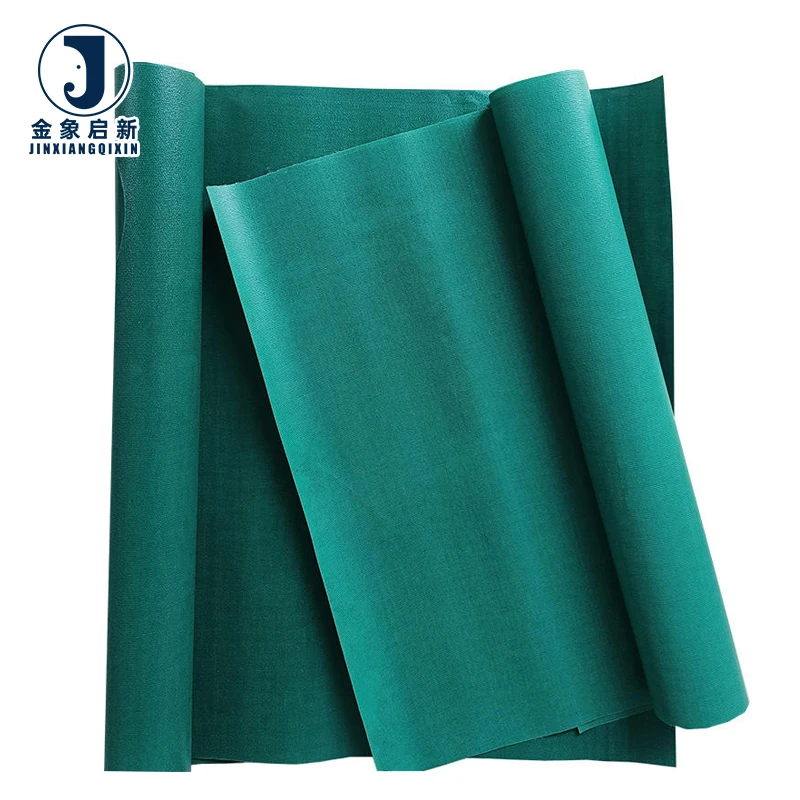
When a container arrives and two rolls placed side by side show a visible shade difference, the fabricator either rejects the batch or absorbs the rework cost. PVC coated tarpaulin roll wholesale bulk buyers often discover this problem only after cutting has begun, when returns are no longer practical. [NEED_CITE: colour consistency standards for coated fabrics in ISO 105 series] The root cause is typically inconsistent pigment dispersion during coating, compounded by temperature variation across the production line. Hot-melt coating technology addresses this by maintaining uniform melt temperature and pigment distribution throughout the run, which is why specifying the coating method matters as much as specifying the GSM grade.
Stock Widths Optimised for Container-Load Efficiency
Roll dimensions of 2m × 75m and 2.1m × 50m are calculated around standard 20-foot and 40-foot container internal clearances. The 2m width rolls stack more densely, favouring weight-based freight economics, while the 2.1m width serves markets where panel width reduces the number of welded seams on large covers. PVC coated tarpaulin roll wholesale bulk orders typically fill a container by roll count, and these dimensions are selected to maximise usable fabric per shipment while staying within road weight limits at destination.
Batch Colour Uniformity Across the Full Order
Hot-melt coating delivers pigment into the PVC layer at a controlled melt temperature, reducing the shade variation that plagues cold-roll laminated fabrics. Each production run is matched to a colour reference, and pre-shipment inspection compares rolls within the same batch under standardised lighting. [NEED_CITE: visual colour assessment methods for coated textiles] This process ensures that when a distributor cuts panels from different rolls for a single installation, the adjoining sections read as one continuous surface rather than a patchwork of slightly different tones.
How GSM and Base Fabric Work Together to Define Real Strength
Weight alone tells a partial story. A 500gsm roll with a low-denier base fabric may weigh the same as a 500gsm roll built on high-tenacity polyester yarns, yet the tensile and tear behaviour will differ significantly. The hot-melt coating process bonds the PVC layer into the mesh structure, contributing to adhesion strength that supports reliable heat welding at fabricated seams. Thicker grades at 600gsm and 750gsm pair a 0.5mm to 0.65mm total thickness with a heavier base cloth, suited to applications where the fabric must resist sustained wind load or mechanical abrasion. Lighter grades at 350gsm and 420gsm serve temporary covers and short-run enclosures where weight and cost per square metre drive the purchasing decision. Roll width and length together determine how many linear metres of usable panel a fabricator can cut before needing a weld splice — a 2m × 75m roll yields substantially more continuous length than shorter alternatives, reducing seam count on large-format covers.
The Hidden Cost of Accepting Unverified Roll Weight
Rolls that arrive lighter than the quoted GSM shift the true cost per square metre upward, even though the invoice matches the order. Fabricators cutting to a fixed panel size find they need more rolls per project, eroding the margin they calculated at order stage. Colour inconsistency compounds the loss — a rejected batch means freight, duty, and lead time are all wasted. [NEED_CITE: common disputes in coated fabric import trade] These failures are preventable when the supplier records weight per roll at the coating line and shares the inspection data before dispatch, rather than leaving verification to the buyer’s receiving dock.
Why Wholesale Buyers Source PVC Tarpaulin Roll Stock Here
Three full production lines and 36 sets of professional equipment support bulk roll output without sacrificing the coating consistency that wholesale buyers depend on. A 10-person R&D team handles custom colour matching, width requests, and sample development within days, letting distributors test new grades before committing a full container. Dedicated QA and QC inspection at every production stage, with 100% pre-shipment roll checking, catches GSM deviation and surface defects before packing. Nearly 30 years of focused coated-fabric production provides the process control that keeps roll-to-roll variation within tolerance. ISO and CE certified systems underpin the documentation package that importers need for customs clearance and downstream compliance.
Documentation & Verification
- Material specification sheet stating exact GSM, base fabric type, and coating weight per batch
- Weight verification per roll recorded at the coating line and included with dispatch papers
- Pre-shipment inspection record confirming colour consistency and surface quality roll by roll
- Roll packing list with roll count, net weight, and container loading plan for freight coordination
- Test reports for UV and flame-retardant grades supplied when applicable to the ordered specification
- Certificate of origin and customs documentation prepared for destination-country import requirements
Fabrication, Handling & Storage
- Hot-melt coated rolls accept heat welding at standard temperatures — confirm weld settings on a scrap piece from each new GSM grade before production runs
- Store rolls upright on their cores in a dry, shaded area to prevent flat-spot deformation that causes tracking issues during unrolling
- Unroll heavier grades (600gsm, 750gsm) in temperatures above 5°C to avoid cold-crack stress at the fold line
- Cut panels with a clean rotary blade to prevent fraying the polyester mesh edge, which weakens the subsequent weld seam
- Clean finished covers with mild detergent and water — avoid solvent-based cleaners that attack the PVC coating surface
- Plan panel layout on the 2m or 2.1m width to minimise off-cuts and welded splice seams across the finished cover
What We Need to Quote Your Roll Order Accurately
Provide your target GSM grade, required roll width, and annual volume so we can confirm stock availability or production lead time. If your market requires flame-retardant or anti-static certification, state the standard your end users must meet. Let us know whether you need rolls only or finished cut sizes, and whether custom colour matching against your reference is required. Samples are developed within days for approval before production begins.
Frequently Asked Questions
Q: How do I verify GSM on arrival against the quoted weight?
A: We record the weight of every roll at the coating line and include the data in the pre-shipment inspection report. On arrival, you can weigh a sample roll and compare it against the documented value. Any discrepancy is traceable to the specific production batch, giving you a clear basis for discussion before cutting begins.
Q: How do you control colour consistency across rolls in the same shipment?
A: Hot-melt coating maintains uniform pigment dispersion throughout the production run. Pre-shipment inspection compares rolls under standardised lighting against the approved colour reference. Rolls that fall outside tolerance are pulled before packing, ensuring that panels cut from different rolls within your order install with no visible shade difference.
Q: What roll widths and lengths are stocked, and can I mix GSM grades in one container?
A: Stock widths are 2m at 75m length and 2.1m at 50m length. Mixing GSM grades and colours in a single container is standard practice for PVC coated tarpaulin roll wholesale bulk orders. We provide a container loading plan showing roll count and weight per grade so you can plan distribution before the shipment arrives.
Q: What is the MOQ per GSM grade and per colour for custom orders?
A: MOQ varies by whether the grade and colour are in current stock rotation or require a dedicated production run. Stock grades in standard colours ship in smaller quantities, while custom widths or colours carry a production minimum that covers a full coating-line setup. Request a quotation with your specific grade and colour to receive the applicable MOQ and lead time.
Q: How are rolls packed for container shipping to prevent surface damage?
A: Each roll is wound on a rigid core and wrapped in protective outer layers to prevent crushing and surface abrasion during transit. Rolls are loaded upright or horizontally depending on container configuration, secured to prevent shifting. The packing list documents roll position in the container, supporting efficient unloading and inventory check at destination.