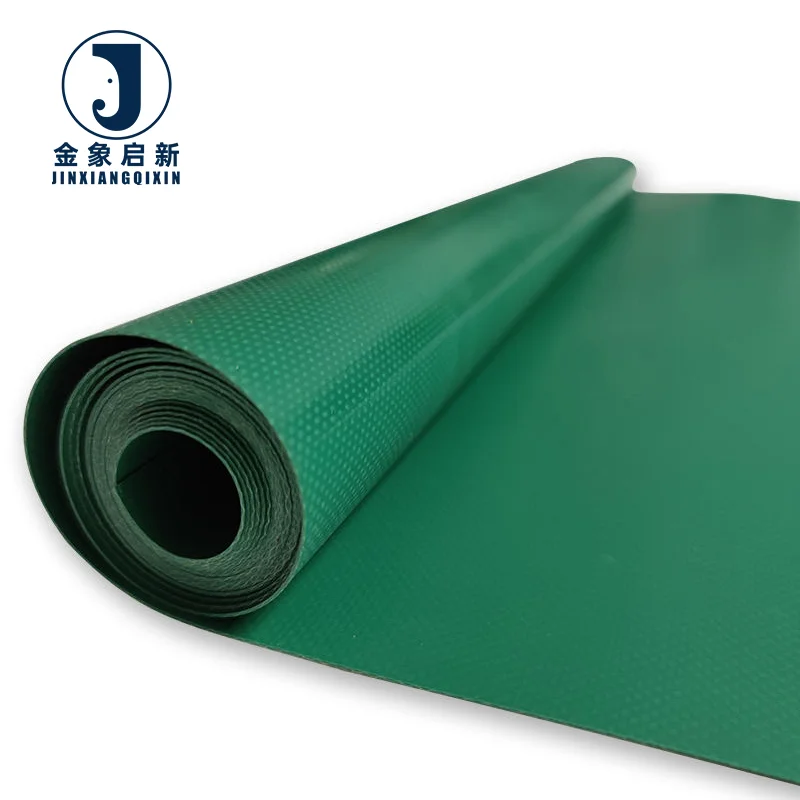
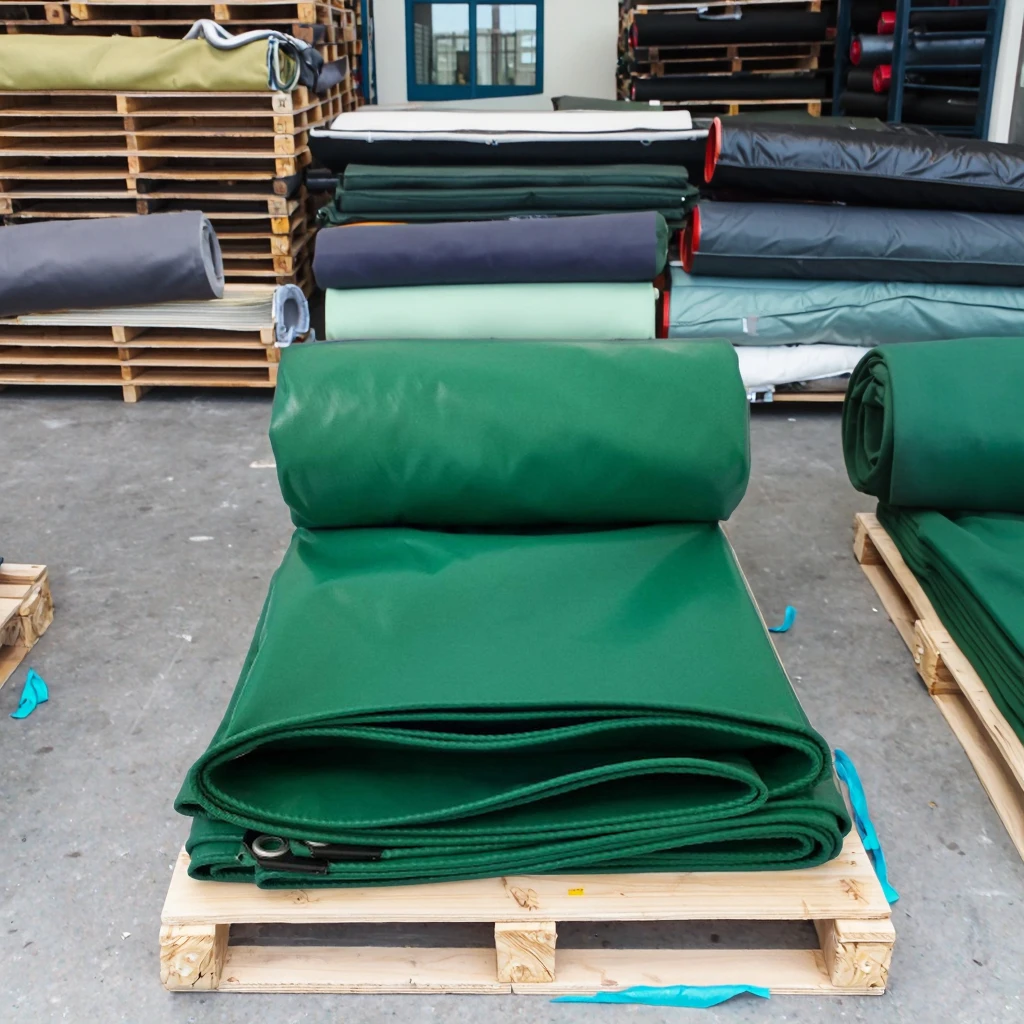
Description
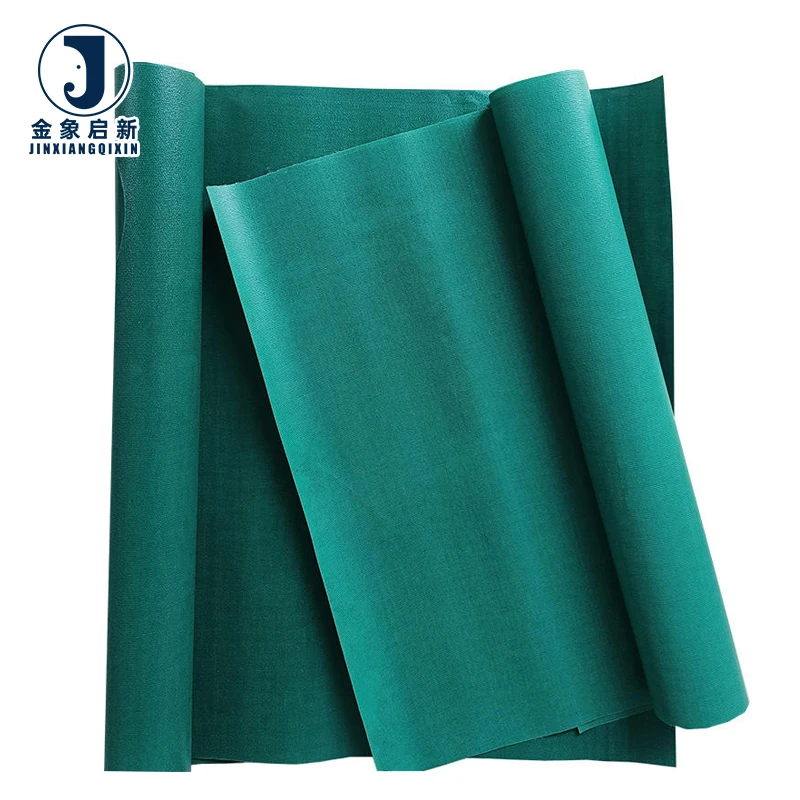
Proven Batch Consistency — Every roll of PVC coated tarpaulin in this series undergoes individual weight and colour verification before dispatch, ensuring your container load arrives with uniform quality across all rolls.
Technical Specifications
| Parameter | Value |
|---|---|
| Product Type | PVC Coated Tarpaulin |
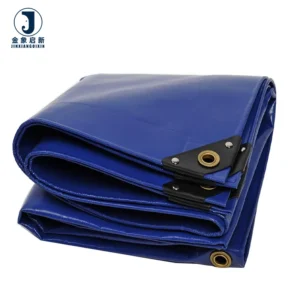
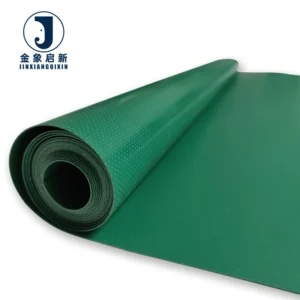
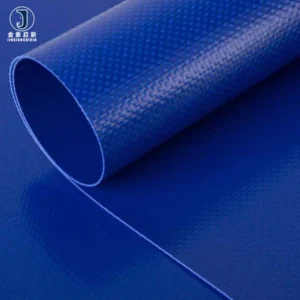
| Material Composition | PVC coating on high-strength polyester mesh fabric |
| Available Weight Grades | 350 gsm / 420 gsm / 500 gsm / 550 gsm / 600 gsm / 750 gsm |
| Total Thickness Range | 0.32 mm / 0.35 mm / 0.4 mm / 0.45 mm / 0.5 mm / 0.65 mm |
| Coating Technology | Laminated & Hot-melt Coating |
| Yarn Type | 100% high tenacity polyester yarns |
| Standard Roll Sizes | 2 m × 75 m / 2.1 m × 50 m |
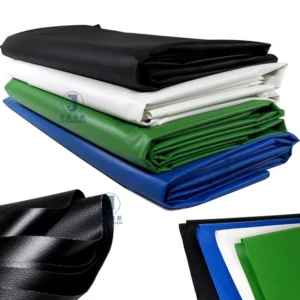
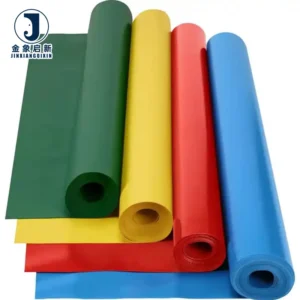
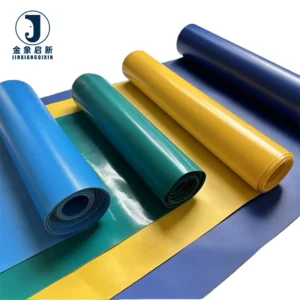
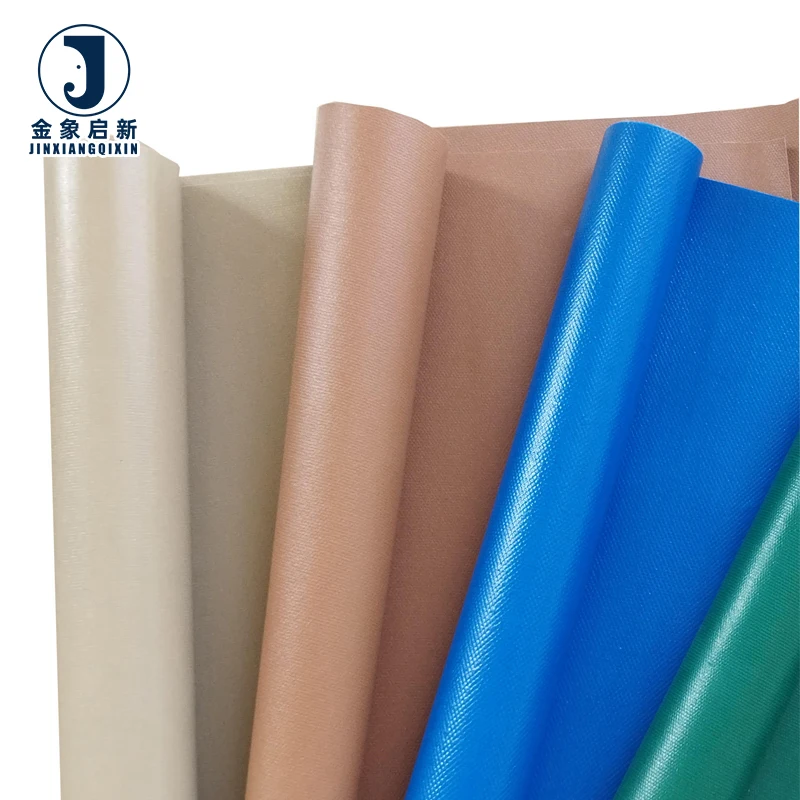
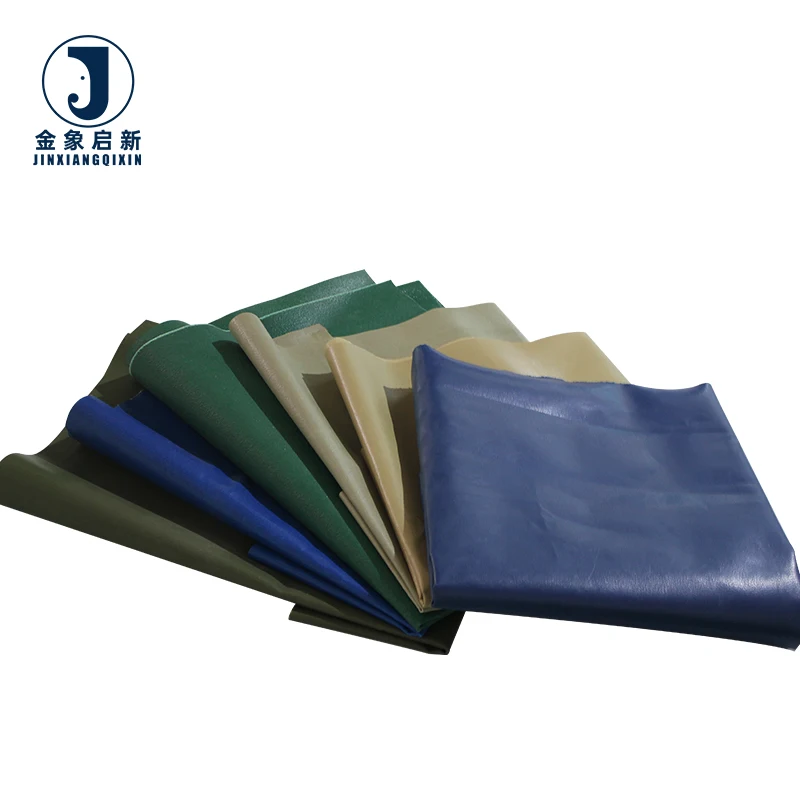
| Available Colours | Blue / Red / Yellow / Light blue / Grey (customizable) |
| Waterproof | Yes |
| Cold Crack Resistance | Yes (temperature range not stated) |
| Anti-Mildew | Yes |
| Key Features | Flame retardant grades available — confirm the grade required for your market. Anti-static treatment available — confirm surface resistance standard needed. UV treatment ("Sunproof") available — confirm test basis for your application. |
Application Suitability
| Application | Exposure & Requirement |
|---|---|
| Tent and awning manufacturing | Roll-fed cutting lines, heat-welded seams, consistent colour across production batches |
| Construction enclosure and scaffolding wrap | Wind load, UV exposure, repeated handling and relocation between sites |
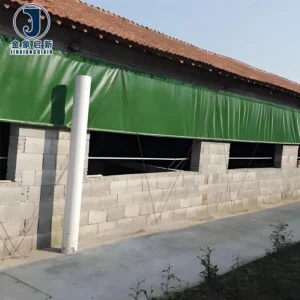
| Agricultural and aquaculture covers | Moisture ingress, organic chemicals, prolonged outdoor weathering |
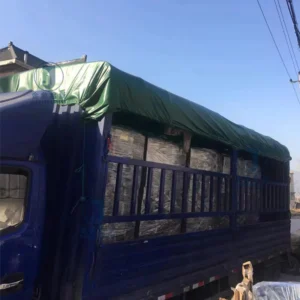
| Truck and trailer side curtains | Constant flexing at load points, road debris abrasion, daily tie-down stress |
| Temporary industrial and equipment covers | Dust and moisture ingress, forklift contact, outdoor storage exposure |
| Tarpaulin distribution and import | Multi-grade stocking, regional resale, container-load purchasing efficiency |
Why Roll-to-Roll Consistency Matters More Than Quoted GSM
GSM on paper means nothing if the roll you unroll does not match the roll next to it.
When sourcing PVC tarpaulin roll wholesale, the most frequent failure is not a single defective roll — it is a container load where every roll feels slightly different. One batch arrives lighter than the quoted weight. Another shows a visible colour shift when two rolls are laid side by side on a job site. Distributors and fabricators then face customer returns, re-cutting waste, and damaged reputations that take far longer to repair than any single shipment [NEED_CITE: common quality disputes in coated fabric bulk imports].
Weight Verification at Every Production Stage
A PVC tarpaulin roll wholesale buyer needs assurance that the 600 gsm on the quotation is the 600 gsm on the scale at the warehouse. Our in-process QA checks coating weight and base fabric tension during production, not just at final packing. This means the GSM you approve on a sample is the GSM that ships across the entire order. Rolls are weighed individually and recorded on the pre-shipment inspection record before container loading begins.
Colour Matching Across a Full Container Load
Colour variation between rolls in the same order is one of the most visible defects once the material is installed. Tent panels cut from different rolls show tonal shifts in sunlight. Truck side curtains installed from adjacent rolls reveal banding across the trailer flank. Batch colour consistency is managed through controlled pigment dosing and dedicated QA checkpoints during coating [NEED_CITE: colour fastness and batch matching standards for coated textiles]. Custom colours are developed against your reference with sample approval before production runs begin.
How Coating Technology and Base Fabric Define Performance
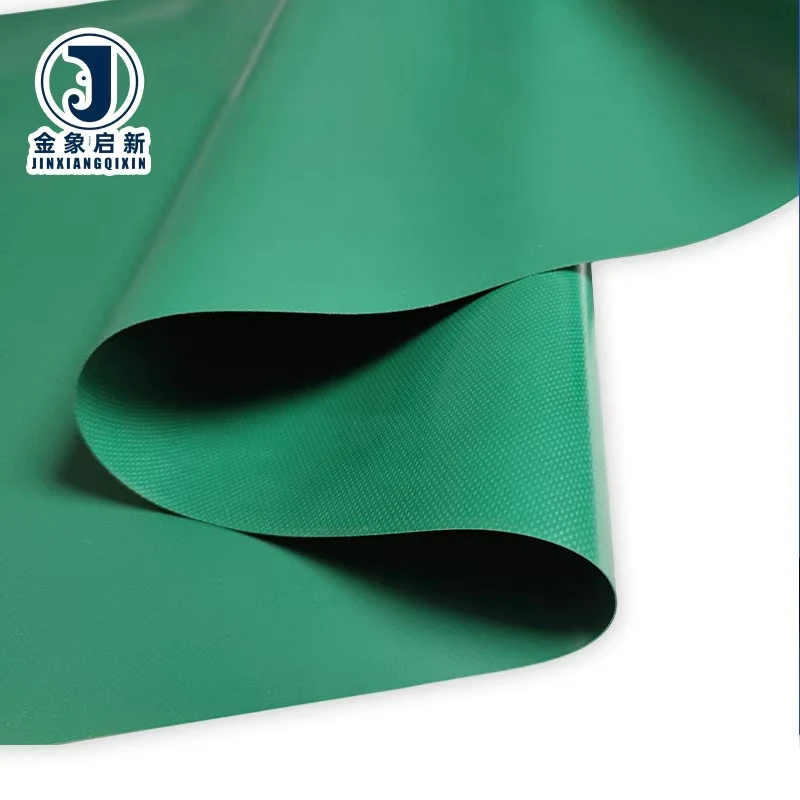
Laminated and hot-melt coating technologies both appear in this range, and the choice affects end-use behaviour. Laminated construction bonds a pre-formed PVC film to the polyester base under heat and pressure, producing a smooth surface suited to printing and clean aesthetic finishes. Hot-melt coating forces liquid PVC into the mesh, filling the weave gaps and producing stronger mechanical adhesion between coating and yarn — critical when the fabric is heat-welded at seams. The high tenacity polyester yarn base provides dimensional stability during cutting and welding, preventing the distortion that causes puckered seams on lighter base fabrics. GSM alone does not determine tear strength; the denier and mesh count of the base fabric work together with coating adhesion to resist tear propagation [NEED_CITE: tensile and tear test methods for coated fabrics per ISO 1421]. A 500 gsm roll with a dense base mesh may outperform a 600 gsm roll with an open weave in tear resistance, which is why requesting a material specification sheet with full base fabric detail is essential before placing a bulk order.
The Hidden Cost of Specifying on Price Per Kilogram Alone
When buyers select PVC tarpaulin roll stock based on the lowest cost per kilogram, the consequences surface months after the container arrives. Rolls that test below the quoted GSM wear through at abrasion points earlier than expected, generating warranty claims that exceed the initial savings. Flame retardant grades ordered without confirming the test standard arrive with certificates that do not satisfy the local building inspector, leaving construction enclosure projects stalled. Colour inconsistency discovered during fabrication forces entire production runs to be re-sorted or scrapped [NEED_CITE: quality failure modes in imported coated fabric shipments]. These are not rare edge cases — they are the predictable outcome of skipping material verification before dispatch.
What This Supply Chain Delivers to Volume Buyers
Nearly 30 years of focused coating fabric production means process control is built into the production line, not added as a final inspection step. Three full production lines and 36 sets of equipment support the capacity to fill full container loads on schedule without rushing batches through shortened cure cycles. The 10-person R&D team handles custom colour matching, sample development, and specification advice before your order enters production — reducing the risk of ordering the wrong grade for your market. Every roll in every shipment is checked against its specification sheet before packing, with individual inspection records available for your review. Samples for custom requirements are developed within days, allowing you to confirm weight, colour, and hand feel before committing to a production run.
Documentation & Verification
- Material specification sheet stating GSM, base fabric, and coating type per roll
- Pre-shipment inspection record with roll-by-roll weight verification
- Roll packing list with container loading plan showing roll count and weight distribution
- Certificate of origin and customs documentation included with every shipment
- Test reports for flame retardant or anti-static grades where applicable to your order
Fabrication, Handling & Storage
- Hot-melt coated rolls accept heat welding at standard temperatures — test seam peel strength before production runs
- Laminated rolls produce cleaner printed surfaces for branding — confirm ink compatibility with the PVC top layer
- Standard 2 m and 2.1 m roll widths suit most flatbed cutting tables — plan layout to minimize off-cuts
- Store rolls upright on pallets in shaded, dry conditions to prevent flat-spot deformation on the coating
- Unroll and allow material to acclimatize before cutting in cold weather to avoid coating crack at fold lines
What to Include in Your Inquiry
To recommend the correct grade and roll configuration, share your end-use application and the environmental conditions the fabric will face — including expected UV exposure, temperature range, and any fire safety regulations in your market. Specify the roll widths and lengths that match your cutting equipment, your target GSM range, and whether you require standard stock colours or a custom colour match. Let us know your estimated annual volume so we can align production scheduling and container loading plans to your supply rhythm.
Frequently Asked Questions
Q: What roll widths and lengths do you stock versus what needs a production run?
A: Standard rolls ship in 2 m × 75 m and 2.1 m × 50 m configurations, which are optimized for efficient container loading by roll count and weight. Custom widths and lengths are available for production runs — share your cutting table dimensions and we will advise on the most efficient roll size to minimize your fabrication waste.
Q: How do you guarantee GSM matches the quotation across every roll in my order?
A: Each roll is weighed individually during the pre-shipment inspection process, and the results are recorded on an inspection report provided before dispatch. This roll-by-roll verification ensures the GSM stated on your quotation is the GSM that arrives at your warehouse, with no batch-level averaging.
Q: Can I mix different colours or GSM grades in one container load?
A: Yes, mixed loads are standard for PVC tarpaulin roll wholesale distributors stocking multiple grades for regional resale. We provide a detailed roll packing list with colour, GSM, and roll dimensions mapped to container position so your warehouse team can locate each grade on arrival.
Q: Do you supply material spec sheets and test reports with each shipment?
A: Every shipment includes a material specification sheet stating GSM, base fabric detail, and coating type. Test reports for flame retardant, anti-static, or UV treatment grades are included where applicable — specify the test standard your market requires when placing your order.