Description
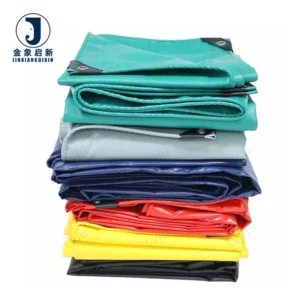
Bulk Consistency — every PVC coated tarpaulin roll leaves the line with verified GSM and matched colour reference, backed by three dedicated production runs per week.
Technical Specifications
| Parameter | Value |
|---|---|
| Product Type | PVC Knife-Coated Fabric |
| Base Material | High-strength polyester mesh fabric with PVC coating |
| Weight Options | 350 GSM / 420 GSM / 500 GSM / 550 GSM / 600 GSM / 750 GSM |
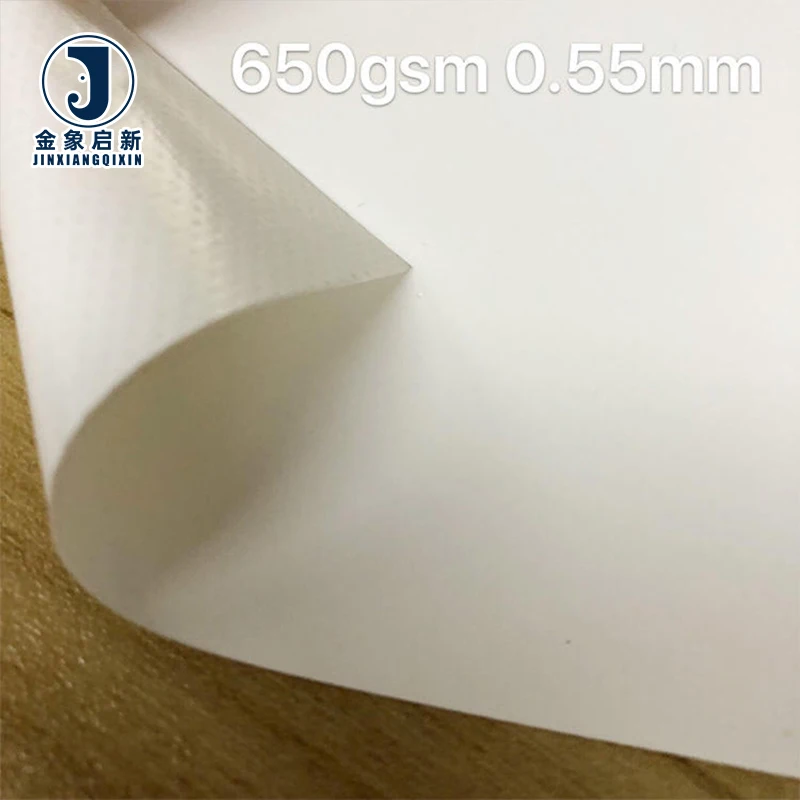
| Thickness Options | 0.32 mm / 0.35 mm / 0.4 mm / 0.45 mm / 0.5 mm / 0.65 mm |
| Coating Technology | Laminated technology and hot-melt coating technology |
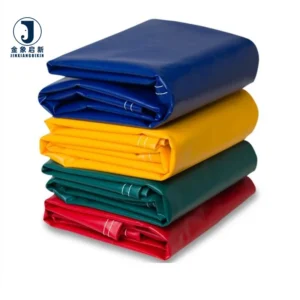
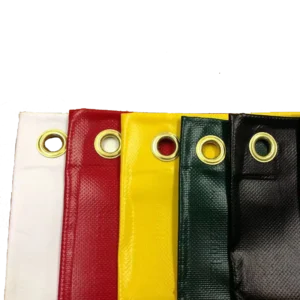
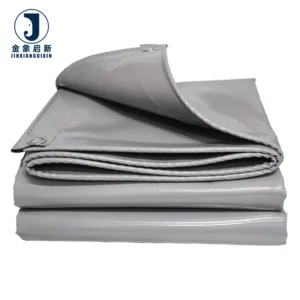
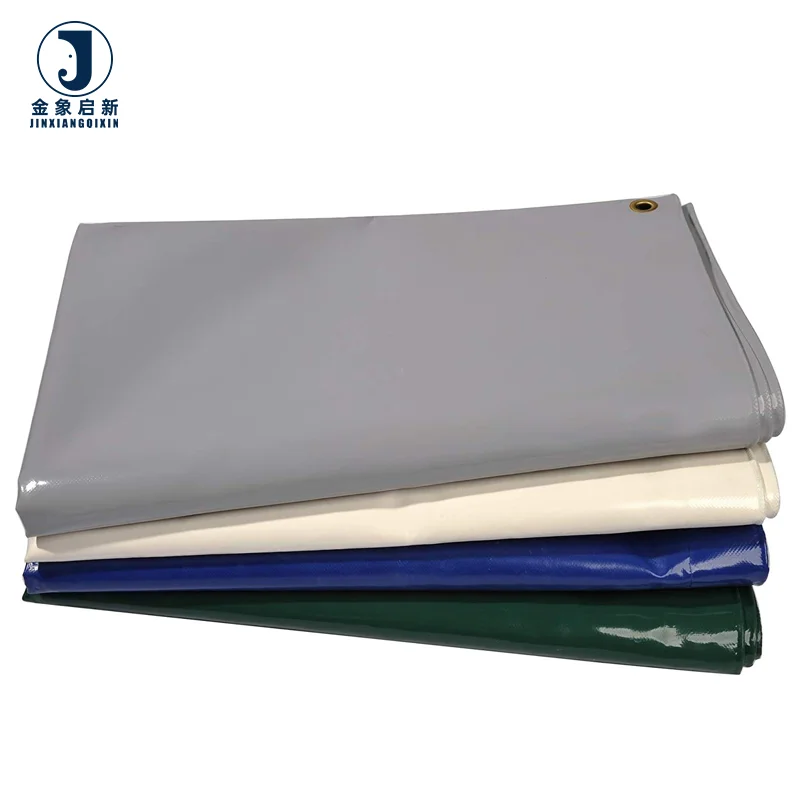
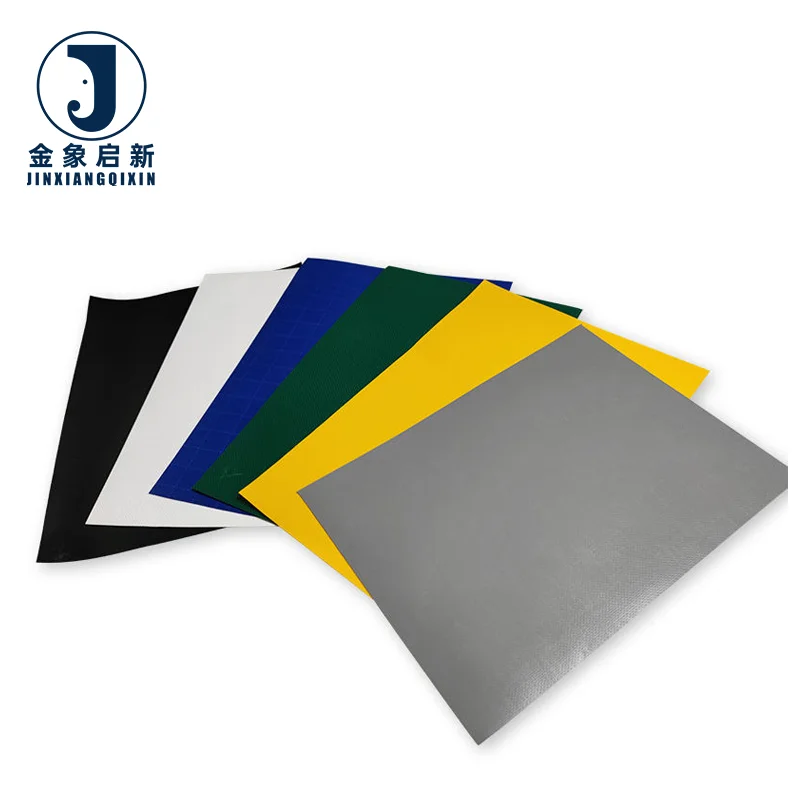
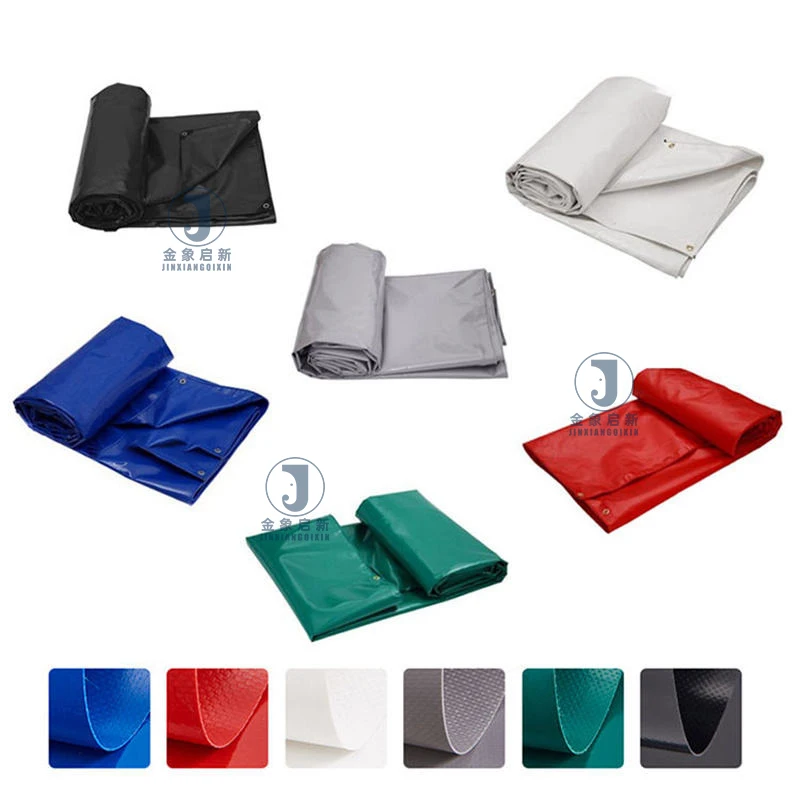
| Colour Options | Blue, Red, Yellow, Light Blue, Grey (custom colours available) |
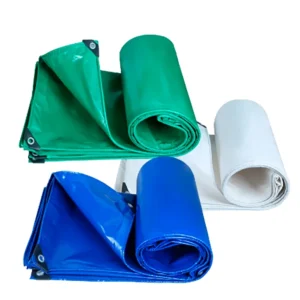
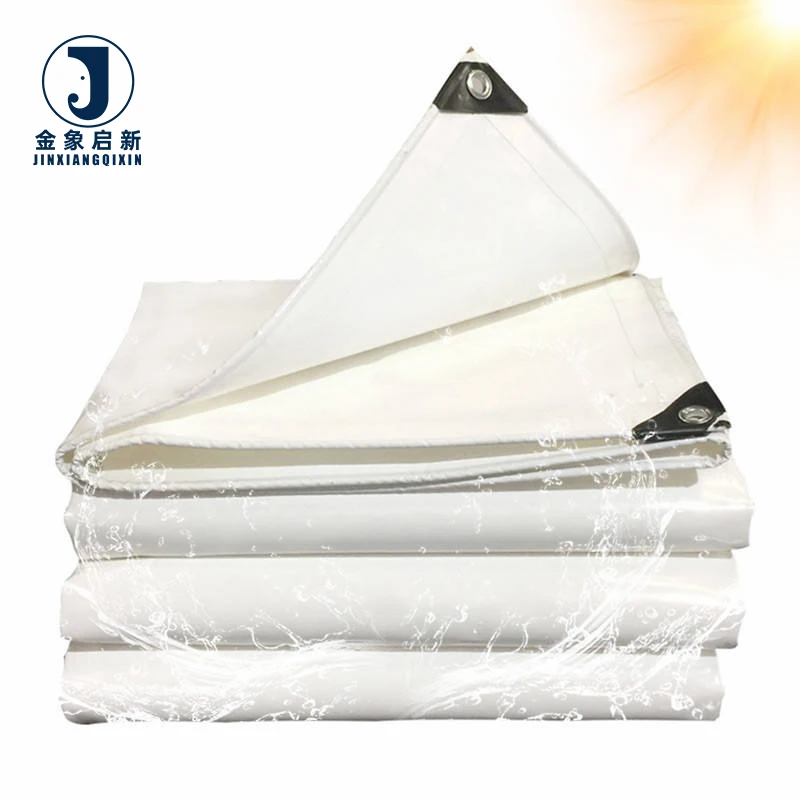
| Standard Roll Size | 2 m × 75 m or 2.1 m × 50 m |
| Finish Product Size | Custom cut sizes available to buyer specification |
| Special Treatments | Flame retardant (confirm grade required), anti-static (confirm test basis), anti-cold, anti-mildew |
| Operating Temperature | −70 °C to +100 °C |
| Service Life | Suited to extended outdoor exposure under normal conditions |
| Certifications | ISO, CE |
Application Suitability
| Application | Exposure & Requirement |
|---|---|
| Tarpaulin distributor stock | Roll-to-roll colour and GSM consistency across container loads for regional resale |
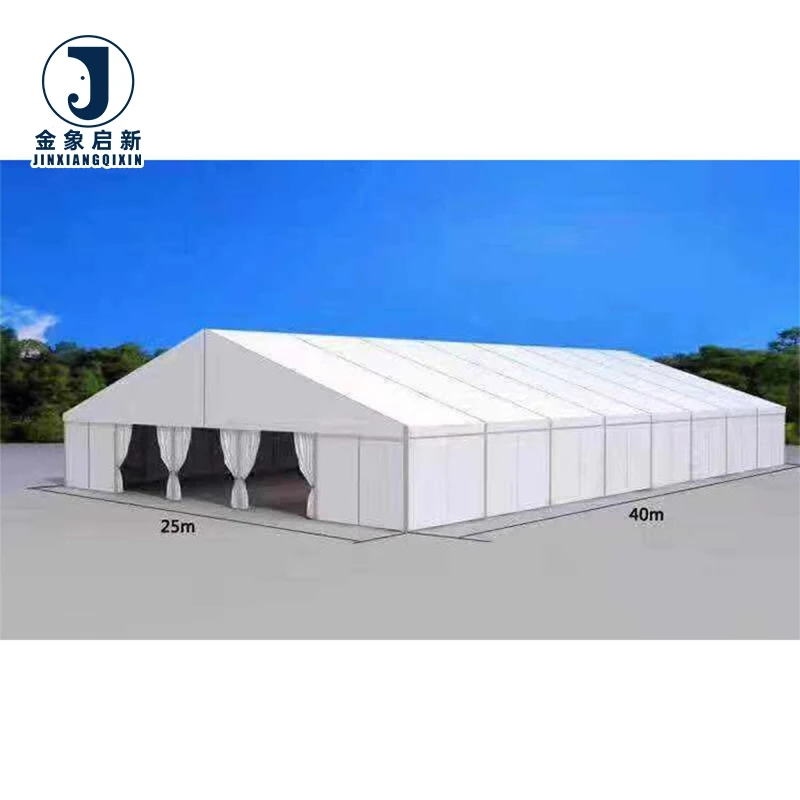
| Tent and awning fabrication | Clean weld lines, colour match across adjacent panels, roll width minimising off-cuts |
| Agricultural and aquaculture pond liner | Continuous water contact, soil chemistry, puncture resistance from substrate irregularities |
| Construction and scaffolding enclosure | Wind load on large panels, UV exposure over project duration, dust containment |
| Transport packaging and cargo cover | Abrasion from load movement, weather during open-transit or yard storage |
| Truck awning and side curtain supply | Constant flex at roller and frame contact points, road debris impact |
Why a Roll That Ships Lighter Than Quoted Costs More Than the Weight Difference
The real loss is the re-order, the project delay, and the credibility hit with your own buyer.
When a PVC coated tarpaulin roll arrives at 580 GSM instead of the 650 GSM on the invoice, the fabric is not simply a little lighter — the base yarn count is lower, the coating is thinner, and the tensile margin your fabrication depends on has silently disappeared. Distributors who stock these rolls pass the shortfall downstream, and it surfaces only when a welded seam tears under a load that the quoted grade should have held. [NEED_CITE: tensile and tear test methods for coated fabrics per ISO 1421] The problem compounds across a container: twenty rolls each a few percent under spec represent a measurable volume of missing material that was priced and paid for.
Roll Widths Designed Around Container Geometry
Stock roll widths of 2 m and 2.1 m are not arbitrary. They align with standard container door clearances and internal dimensions, allowing PVC coated tarpaulin roll wholesale orders to be loaded with minimal dead space and without folding or bending the outer wrap. A 2 m × 75 m roll and a 2.1 m × 50 m roll represent two distinct loading strategies — the first maximises linear metres per container for distributors cutting to project sizes, while the second suits fabricators whose panel widths fall close to 2.1 m, reducing longitudinal welds and material waste on the shop floor.
Batch Colour Control at the Coating Stage
Colour variation between rolls in a single order is not a finishing problem — it originates in the coating mix and the temperature profile across the production line. Hot-melt coating technology allows tighter control of pigment dispersion and coating weight simultaneously, so a batch of grey rolls cut side by side on a tent frame will present a uniform tone across the entire installation. Distributors ordering repeat volumes across multiple shipments need this consistency to avoid customer complaints when a new roll is joined to stock from the same colour code purchased weeks earlier. [NEED_CITE: colour fastness and batch consistency standards for coated technical textiles]
How GSM, Coating Method, and Base Fabric Interact
GSM alone does not predict how a roll will perform in fabrication or in the field. A 650 GSM roll achieves that weight through the combined mass of the polyester mesh and the PVC coating on both faces. Hot-melt coating bonds the PVC to the yarn at a molecular level, producing higher peel strength between layers compared to simple lamination — this matters when a fabricated cover flexes repeatedly and the coating must stay bonded to the base fabric without delaminating at the fold. The base mesh denier and weave density determine how a tear propagates once initiated; a tighter weave arrests tear spread even if the total GSM is modest. Thickness, ranging from 0.32 mm at 350 GSM to 0.65 mm at 750 GSM, influences both the drape of the fabric during fabrication and its resistance to puncture from sharp-edged loads. Roll length and width together define the yield per container — a distributor ordering 75 m rolls at 2 m width gets a different cost-per-square-metre than 50 m rolls at 2.1 m, and the choice should match the cutting pattern, not just the quoted roll price.
The Hidden Cost of a Colour Mismatch Across Rolls
When a fabricator hangs two panels cut from different rolls on the same structure and a visible colour band appears at the join, the entire installation looks compromised even though both rolls were specified under the same colour code. This is not a cosmetic complaint — it triggers rejection on commercial tent projects, scaffolding wraps on high-visibility sites, and branded truck curtains where fleet livery must match. The root cause is typically insufficient pigment control at the coating bath or temperature drift across the line during a long production run. [NEED_CITE: common causes of batch-to-batch colour variation in PVC coated fabrics] The cost of replacing the affected panels exceeds the savings of sourcing from a supplier without in-line colour verification.
What Three Dedicated Lines Mean for Your Order Schedule
Jinan Jinxiang operates three full production lines with 36 sets of professional equipment, each capable of running a distinct GSM grade or colour simultaneously — so a mixed container of 500 GSM blue and 650 GSM grey rolls does not wait for one to finish before the other starts. A 10-person R&D team handles custom width, colour matching, and pattern printing with samples developed within days, not weeks. Every roll passes dedicated QA/QC at each production stage, and 100% inspection occurs before shipment, not as a sampling exercise. The facility holds ISO and CE certification, and export documentation is prepared in-house for container loads shipping to distributors across multiple markets.
Documentation & Verification
- Material specification sheet stating exact GSM, base fabric construction, and coating weight per roll
- Pre-shipment inspection record confirming 100% visual and measurement check before dispatch
- Roll packing list with net weight, dimensions, and roll count mapped to container loading plan
- Colour reference card matched against production batch for cross-roll consistency confirmation
- Test reports for UV stability and flame retardant grades supplied where the order specifies those treatments
- Certificate of origin and customs documentation prepared for destination-market requirements
Fabrication, Handling & Storage
- Hot-melt coated rolls weld reliably at standard high-frequency settings — verify temperature on 650 GSM grades before full production runs
- Store rolls upright on end-caps to prevent flat-spot creasing across the 2 m or 2.1 m width
- Allow cold-stored rolls to reach workshop temperature before unrolling to avoid coating crack at low-flex points
- Cut with rotary or straight-knife equipment; the polyester mesh base resists fraying but requires sharp blades for clean edges
- For pond liner fabrication, overlap weld seams by a minimum margin appropriate to the 0.45 mm to 0.65 mm thickness range
- Clean finished panels with mild detergent only — solvent-based cleaners can soften the PVC coating surface
What to Include in Your Enquiry
To receive an accurate quotation and roll packing plan, specify the GSM grade and thickness you need, the roll width and length preference, and the target colour with a reference code if available. State whether the rolls are for stock resale or for a specific fabrication project, as this determines the inspection emphasis and documentation package. If your market requires flame retardant or anti-static certification, name the standard your end user or local regulation demands so the correct grade is quoted from the start.
Frequently Asked Questions
Q: What GSM grades and roll widths are held in stock versus produced to order?
A: Standard stock grades span 350 GSM through 750 GSM in the two roll configurations — 2 m × 75 m and 2.1 m × 50 m. Custom widths, non-standard colours, and printed rolls are produced to order with a minimum quantity that varies by specification. Confirm your required grade and colour against current stock availability when placing an enquiry to determine the shortest dispatch timeline.
Q: How is colour consistency guaranteed when ordering multiple rolls of the same colour?
A: Each production batch is mixed as a single coating run, and colour is verified against the reference standard before the line starts and at intervals during the run. Rolls from the same batch are grouped together in the packing list so that fabricators installing adjacent panels receive rolls produced under identical coating conditions, minimising visible variation across the installation.
Q: What is the minimum order for a custom width or non-standard colour?
A: MOQ for custom specifications depends on the width, colour, and GSM grade requested, as smaller runs require dedicated line setup and coating-batch preparation. Custom sample rolls can be developed within days for approval before committing to a full container order, allowing you to verify colour, hand feel, and weld behaviour on your own equipment before production scales up.
Q: Can you provide a roll packing plan before the order ships?
A: A detailed packing list is prepared showing each roll’s net weight, dimensions, and position in the container, along with total roll count and cubic utilisation. This allows distributors and importers to confirm loading efficiency and plan warehouse receiving before the container departs, reducing delays at the destination port.
Q: What documentation ships with each roll batch?
A: Every consignment includes a material specification sheet per roll, a pre-shipment inspection record, a roll packing list, and a certificate of origin. Where flame retardant or UV-stabilised grades are specified, the corresponding test report accompanies the shipment so that compliance can be verified on arrival without waiting for separate document dispatch.