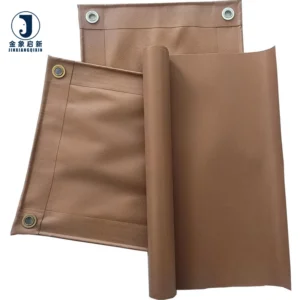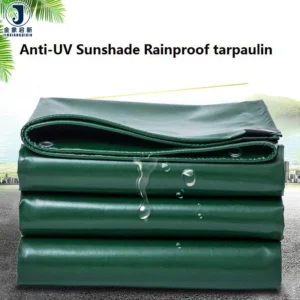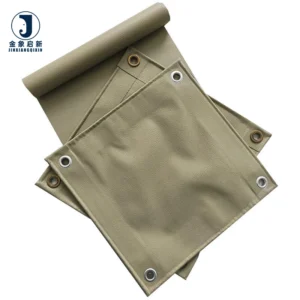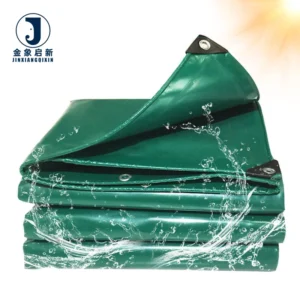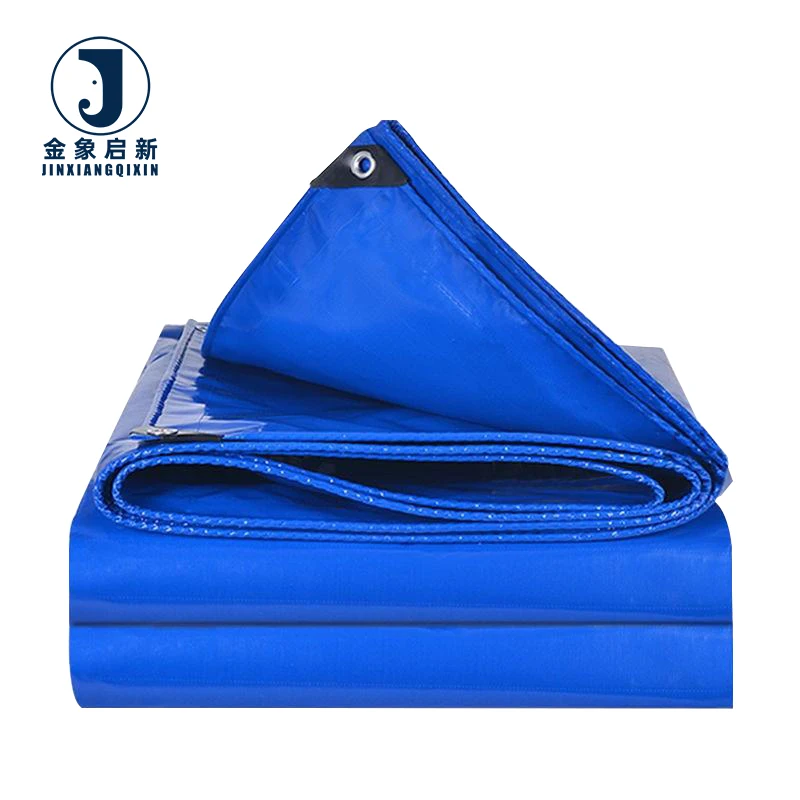
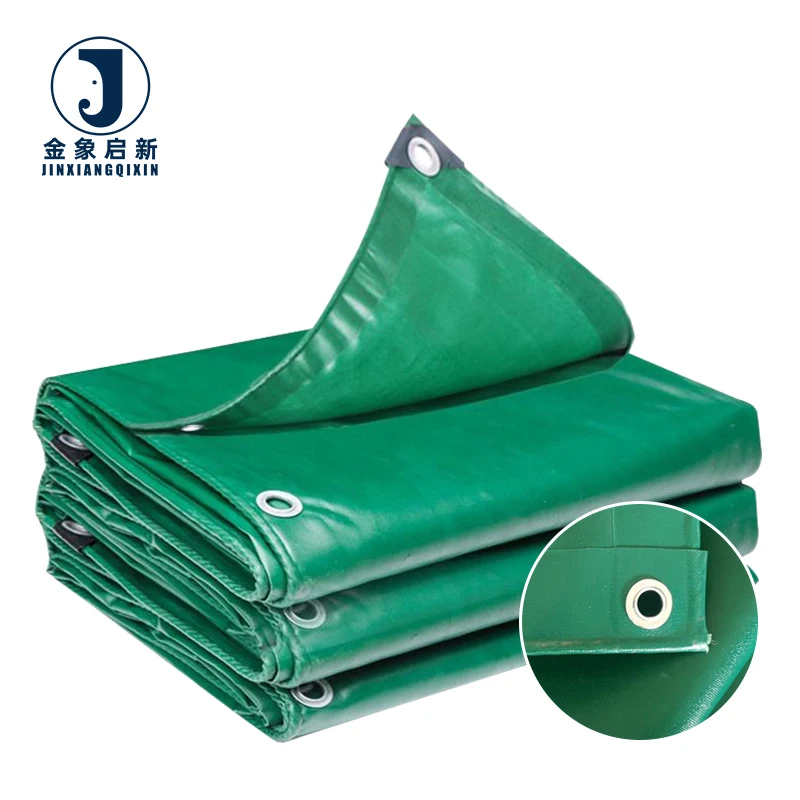
Description
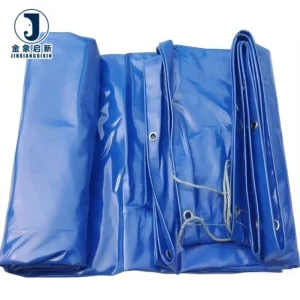
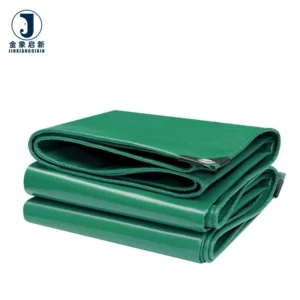
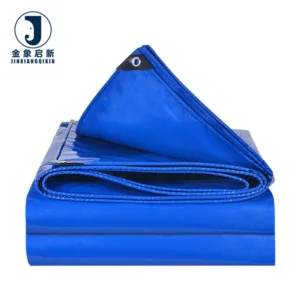
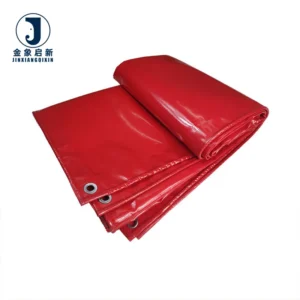
Volume-Ready Roll Consistency — every batch of PVC coated tarpaulin roll stock is weighed, measured and colour-checked roll by roll before leaving the coating line.
Technical Specifications
| Parameter | Value |
|---|---|
| Product Type | PVC Coated Tarpaulin Roll |
| Base Fabric | High-tenacity polyester woven substrate |
| Coating Material | PVC |
| Weight (GSM) | 700gsm, 850gsm, 900gsm (confirm grade per order line) |
| Finish | Glossy or matte (available per specification) |
| Flame Retardant | Available — confirm the grade required for your market |
| Anti-Static | Available — confirm the standard required for your application |
| Anti-Cold Treatment | Available for low-temperature flexibility |
| Anti-Mildew Treatment | Available to inhibit fungal growth in humid storage |
| Waterproof Construction | Fully coated, impermeable to water |
| Colour | Custom colours available; batch-matched within production runs |
| Width | Custom widths available — confirm requirement |
| Roll Length | Custom lengths available for container loading |
| Standards | ISO, CE certified production |
Application Suitability
| Application | Exposure & Requirement |
|---|---|
| Tarpaulin distributor resale stock | Regional warehouse storage, varied end-use cutting, consistent colour and weight across dozens of rolls per container |
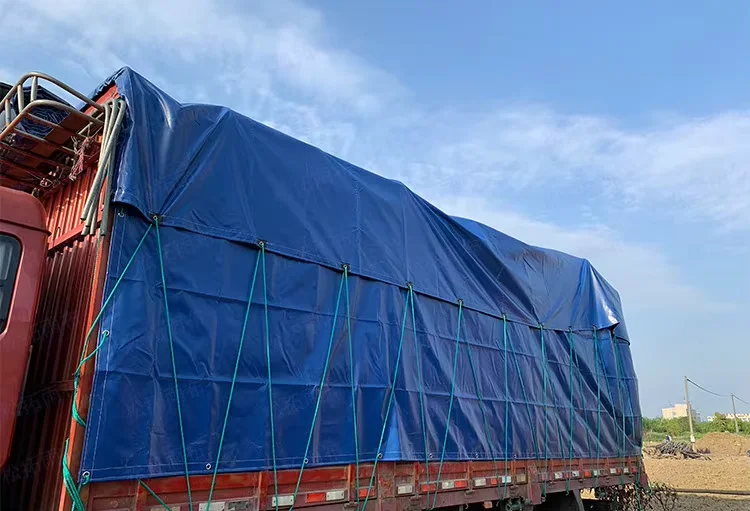
| Transport fleet in-house fabrication | Truck side curtain and cargo cover welding, daily flexing at load points, road debris abrasion, UV exposure during transit |
| Tent and awning manufacturing | Large-panel cutting from roll stock, seam welding along full lengths, outdoor weather resistance over extended service periods |
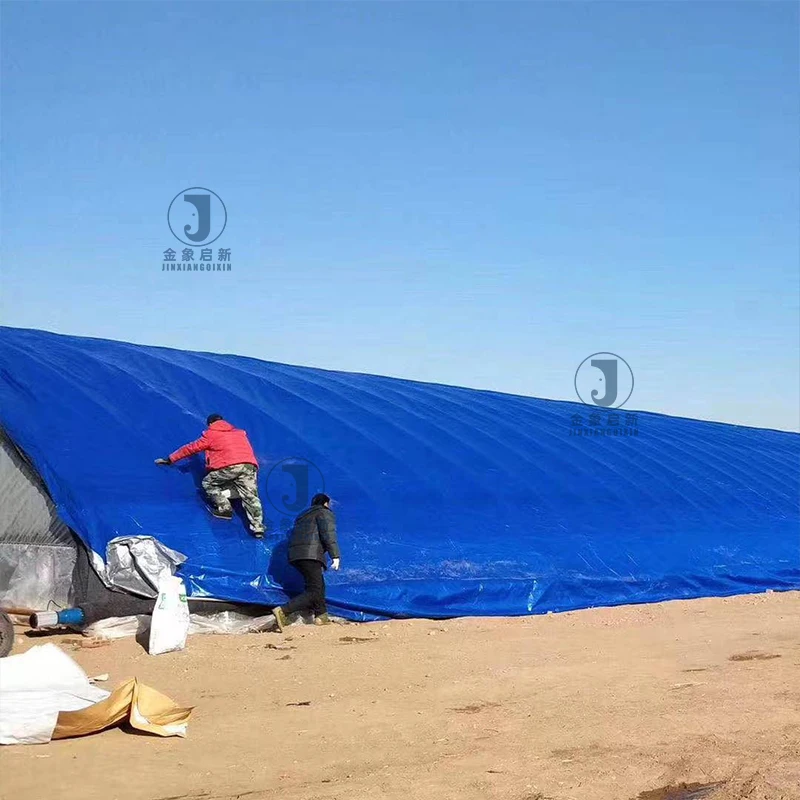
| Construction and industrial covering | Equipment wrapping and site enclosure, puncture and tear resistance during handling, wind load stress on large unsupported spans |
Why Roll-to-Roll GSM Variation Matters More Than the Number on the Quotation
A stated GSM that is not verified roll by roll is only a label, not a specification.
When a buyer orders a full container of PVC coated tarpaulin roll stock, the quotation may list a single GSM value, yet individual rolls arriving at the warehouse can differ enough in weight to alter how the fabric handles on the welding table or how it performs under load. A lighter roll does not simply mean less material — it often means a thinner coating layer or a lower-density base fabric that will tear more easily at the hem or fail prematurely at the heat-welded seam. [NEED_CITE: tensile and tear test methods for coated fabrics per ISO 1421]. Distributors who discover this variation only after their customers complain face returns, re-fabrication costs, and damaged trading relationships that are hard to recover.
Batch Colour Matching Across the Full Container Load
When a distributor unloads twenty rolls of PVC coated tarpaulin roll stock and lays them side by side, even a slight shade difference between rolls becomes immediately visible. This is especially critical when the fabric is cut into panels that will sit adjacent to each other on a truck curtain or a large awning. Our coating lines run colour-matched batches as a single continuous production run, meaning every roll in your order shares the same pigment lot, the same coating temperature profile, and the same drying cycle.
Custom Width Without Prohibitive Minimums
Transport equipment fabricators often need non-standard widths to match specific trailer dimensions or to reduce waste when cutting side curtain panels. Ordering PVC coated tarpaulin roll stock in a width that fits your cutting pattern can dramatically reduce off-cuts and seam joins. We set up custom width runs with practical minimums so that smaller distributors and fabricators can order what they actually need rather than paying for material they will trim away and discard. [NEED_CITE: material yield optimization in coated fabric cutting operations]
How Base Fabric Density and Coating Weight Together Determine Real Strength
Buyers often focus on GSM as the primary indicator of strength, but the actual tensile and tear performance depends on the interplay between the base fabric’s yarn denier, the weave density, and the PVC coating weight. A heavier coating does add durability and weather resistance, yet if the underlying polyester weave is loosely constructed, the fabric will still tear easily under point loads. Conversely, a tightly woven base with a moderate coating can outperform a heavier but poorly constructed alternative. The coating method — whether knife-over-roll, dip, or calender — also affects how deeply the PVC penetrates the weave, which in turn influences peel strength at heat-welded seams. Understanding this relationship helps wholesale buyers select the right grade for their market rather than simply choosing the heaviest option available.
The Hidden Cost of Ordering Unverified Roll Stock
When rolls arrive underweight, the downstream costs multiply quickly. A transport fabricator cutting side curtains from a lighter-than-specified roll will find the welded seams failing under flex stress long before the fabric itself shows wear. A distributor reselling roll stock to tent makers may face rejected shipments when the buyer’s incoming quality check reveals the GSM does not match the material certificate. And when flame retardant treatment is claimed without a test report, the end user may fail a site inspection and hold the fabricator responsible for the non-compliant material. [NEED_CITE: fire classification requirements for temporary structures and transport covers]. These are not theoretical risks — they are the most common reasons wholesale tarpaulin buyers switch suppliers.
What Supports Your Order Beyond the Roll Itself
Coating weight and adhesion are controlled at every stage across three full production lines and 36 sets of professional equipment, so your rolls leave the factory within tight weight tolerances. A dedicated 10-person R&D team handles your custom width, colour and surface finish requests, developing physical samples within days for your approval before full production begins. Pre-shipment inspection covers every roll individually, not just a statistical sample, checking weight, dimensions and surface quality against your spec sheet. Production capacity across these lines supports full container-load orders with reliable dispatch timing, which matters when your warehouse is running on scheduled inventory turns. Samples are matched to the actual production batch, so what you approve is what you receive.
Documentation & Verification
- Material specification sheet stating GSM, base fabric denier and coating type per roll order
- Weight verification record per roll against the agreed GSM before dispatch
- Pre-shipment inspection log showing roll-by-roll dimension and surface quality check
- Roll packing list with roll count, net weight and container loading plan
- Test reports for flame retardant and anti-static grades where applicable and specified
- Certificate of origin and customs documentation for international roll stock shipments
Fabrication, Handling & Storage
- Heat-weld at temperatures matched to the PVC coating thickness; heavier grades require adjusted dwell times
- Store rolls upright on end-caps to prevent flat-spot deformation of the coated surface
- Allow cold-stored rolls to reach ambient temperature before unrolling to avoid coating crack
- Plan cutting layout to minimise off-cuts, especially when working with custom-width roll stock
- Use compatible PVC-based repair cement for field patching on matching coating chemistry
- Select cleaning agents that will not degrade the surface finish, particularly on matte grades
What We Need to Quote Your Roll Order Accurately
Tell us the GSM grade you require, the target width and roll length, and the annual volume you plan to source. If your market demands flame retardant or anti-static compliance, specify the standard your end users must meet so we can match the correct treatment grade. Share your preferred colour reference or request physical swatches for batch approval before we commit your full production run.
Frequently Asked Questions
Q: How is GSM verified per roll before shipment?
A: Each roll is individually weighed on calibrated scales and measured for width and length. The result is recorded against the agreed specification and included in the pre-shipment inspection report you receive before the container is sealed. Any roll falling outside tolerance is flagged and replaced before dispatch.
Q: What is the minimum order quantity for custom width rolls?
A: Custom widths are available without prohibitive minimums, making it practical for distributors and fabricators to order the exact width their cutting patterns require. Contact us with your width, GSM grade and roll length so we can confirm the production run parameters and lead time for your specific roll stock order.
Q: How do you ensure colour consistency across multiple rolls in one order?
A: All rolls in a single order are produced as one continuous batch on the same coating line, using pigment from the same lot and running through identical temperature and drying profiles. Physical swatches are available for your approval before production so you can confirm the shade matches your requirement.
Q: What container loading options are available for bulk roll orders?
A: We prepare a detailed container loading plan showing roll count, weight distribution and stacking arrangement to maximise space utilisation and prevent transit damage. Rolls are packed on end-caps with protective wrapping, and the packing list is provided in advance so your warehouse team can plan receiving and storage.
Q: How long does sample development take before full production?
A: Our R&D team develops physical samples of your specified GSM, colour and treatment within days for your review and approval. Once you confirm the sample, full production begins using the same coating parameters, ensuring the container load matches the sample you evaluated.