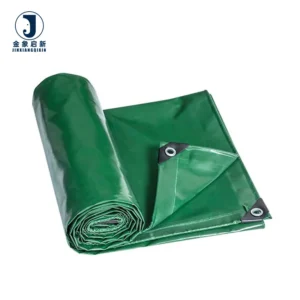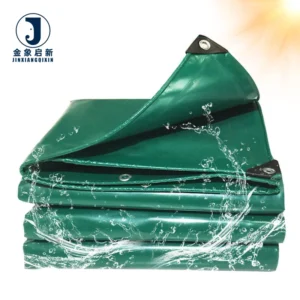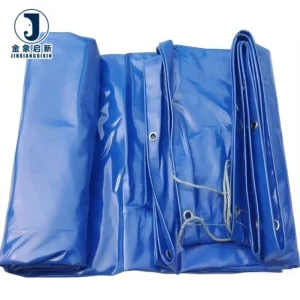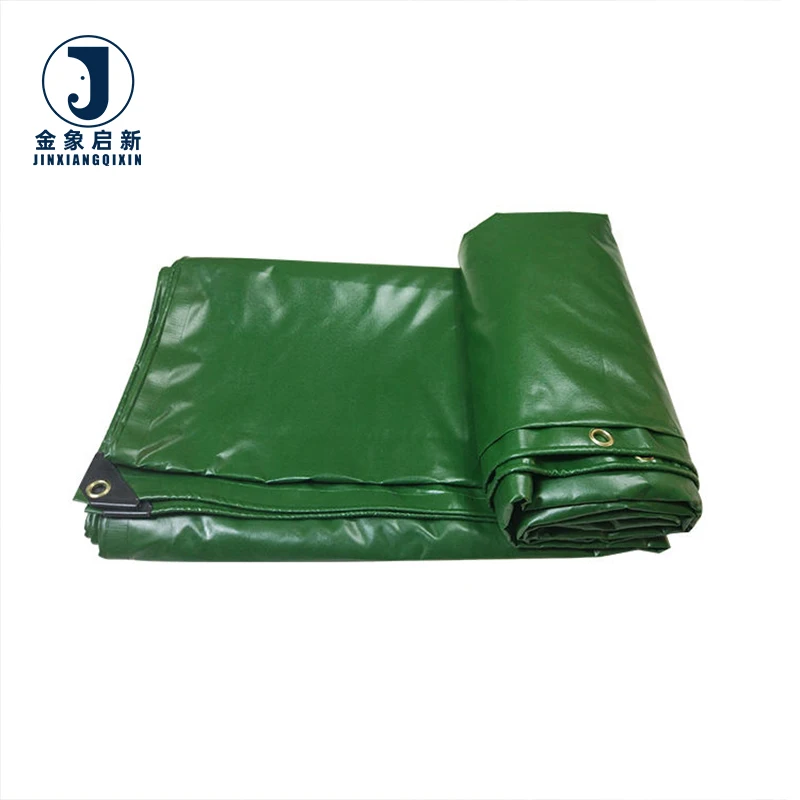
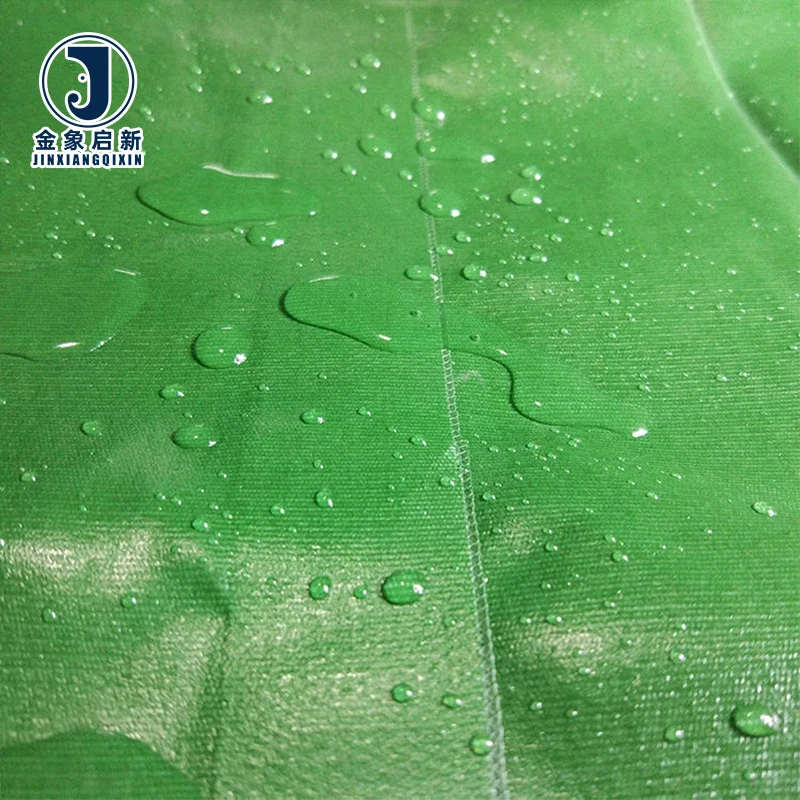
Description
Batch Consistency — every PVC coated tarpaulin roll shipped carries a verified weight ticket matching the quoted GSM, addressing the most common wholesale dispute before it happens.
Technical Specifications
| Parameter | Value |
|---|---|
| Product Type | PVC Coated Tarpaulin Roll |
| Base Fabric | High-strength polyester mesh fabric |
| Coating Material | PVC |
| Coating Technology | Laminated technology & Hot-melt Coating technology |
| Weight Options | 350gsm / 420gsm / 500gsm / 550gsm / 600gsm / 750gsm |
| Thickness Options | 0.32mm / 0.35mm / 0.4mm / 0.45mm / 0.5mm / 0.65mm |
| Roll Width | 2m / 2.1m |
| Roll Length | 75m (at 2m width) / 50m (at 2.1m width) |
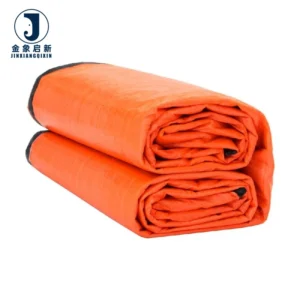
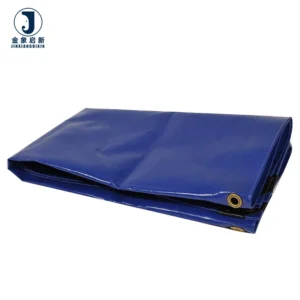
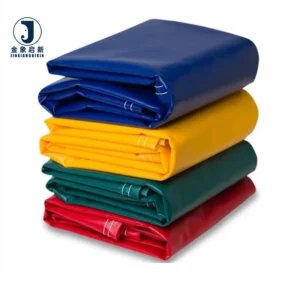
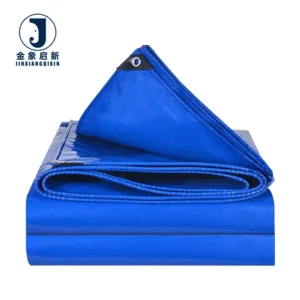
| Colour Options | Blue / Red / Yellow / Light Blue / Grey (Customised) |
| Waterproof | Fully waterproof coated construction |
| Cold Crack Resistance | Yes |
| Anti-Mildew | Yes |
| Anti-Static | Anti-static treatment (standard not stated) |
| Flame Retardant | Available in flame retardant grades — confirm the grade required for your market |
| UV Treatment | Available with UV treatment — confirm test basis required |
| Colour Fastness | Best colour fastness per manufacturer rating |
| Standards | ISO 14001, ISO 45001, CE, RoHS |
Application Suitability
| Application | Exposure & Requirement |
|---|---|
| Tarpaulin distributor inventory | Multiple GSM grades stocked for regional resale, requiring roll-to-roll colour match and consistent weight per roll |
| Truck side curtain and trailer cover | Constant flexing at load points, road spray, abrasion against cargo edges, UV exposure on highway routes |
| Tent and awning manufacturing | Fabric bought by the roll for production cutting, demanding batch colour consistency across sequential panels |
| Fish tank and pool liner | Permanent water contact, hydrostatic pressure, chemical exposure from treatment agents |
| Dump truck and cargo ship cover | Heavy mechanical abrasion from bulk materials, wind flap fatigue, salt-laden marine atmosphere |
| Emergency rain shelter and outdoor cover | Rapid deployment, repeated folding and unfolding, extended weather exposure |
Why Roll-to-Roll Colour Variation Wrecked Your Last Shipment
Batch colour control is a production discipline, not a quality inspection afterthought.
When you buy PVC coated tarpaulin roll stock in volume, the cost of a colour mismatch between rolls is not a single rejected panel — it is an entire installed job that reads as two different materials side by side. I have watched importers receive a container of rolls where the first twenty matched the approved sample and the remaining forty drifted into a noticeably different hue, only discovered when the fabric was unrolled on the warehouse floor. The rework cost, return freight, and lost customer confidence exceed the original material cost by a wide margin [NEED_CITE: colour fastness and batch consistency standards for coated fabrics]. Controlling this means managing pigment dosing, coating temperature, and line speed across every production run — not just the sample run.
Roll Dimensions Engineered for Container Loading
The two standard roll configurations — 2m × 75m and 2.1m × 50m — are sized to maximise container cube utilisation for wholesale buyers shipping by the full container load. A PVC coated tarpaulin roll in the 2m width stacks efficiently in standard 20-foot and 40-foot containers, reducing dead space and bringing freight cost per square metre down to a workable level. Buyers sourcing for regional distribution can plan container loading by roll count and weight with reasonable accuracy before the order is confirmed, rather than discovering post-production that the rolls will not fit the booked container.
Coating Technology and Adhesion Across the Full Roll Length
Hot-melt coating and laminated technology both serve to bond the PVC layer to the high-strength polyester mesh base fabric, but they behave differently at the edges and at the weld lines where fabricated panels join. Hot-melt coating tends to produce a more uniform coating weight across the full width of the roll, which matters when the PVC coated tarpaulin roll is slit or when panels are heat-welded together for large covers [NEED_CITE: adhesion strength test methods for PVC coated polyester fabrics]. Laminated technology, on the other hand, can offer flexibility in combining different coating weights on each side of the base fabric. For wholesale buyers, the coating method selected should align with how the end user intends to fabricate — whether by heat welding, high-frequency welding, or sewing.
What the Specification Sheet Actually Tells You About Strength
Weight in GSM is the most visible number on any PVC coated tarpaulin roll quotation, but it is the base fabric denier and weave density that determine how the material resists tearing once a cut or puncture initiates. A 500gsm roll with a coarse, low-density mesh may weigh the same as a 500gsm roll with a fine, high-density mesh, yet the tear propagation behaviour will differ substantially under load. The coating method — laminated versus hot-melt — governs peel strength, which in turn dictates whether a welded seam holds or delaminates under flex. Roll width at 2m or 2.1m directly influences how many longitudinal weld seams are needed when fabricating wide covers: fewer seams mean fewer failure points and less fabrication time. Anti-mildew treatment matters for rolls stored in humid conditions before fabrication, preventing fungal growth between the coating and base fabric during transit or warehousing.
The Cost Nobody Quoted You: Underspecifying for the Actual Load
Choosing the lowest GSM that technically covers the application is a common procurement decision, and it is the one that generates the most field failures. When a PVC coated tarpaulin roll specified at a lighter grade is used for a heavy-abrasion application like dump truck covers, the coating wears through to the base fabric at contact points long before the expected service interval. I have seen fleet operators replace entire sets of side curtains within a single season because the fabric grade was selected on price per roll rather than on the mechanical stress the material would actually face [NEED_CITE: coated fabric selection criteria for transport and logistics applications]. The consequence is not merely replacement cost — it is cargo exposure, insurance complications, and downtime while the vehicle sits uncovered waiting for new material.
Why Sourcing Roll Stock Here Reduces Wholesale Risk
Three full production lines and 36 sets of professional equipment support the volume commitments that wholesale buyers require, meaning your order does not queue behind a retail cut-to-size job. A 10-person R&D team handles custom colour matching and sample development, producing samples within days so that batch approval happens before the full production run commits your capital. Dedicated QA/QC at every production stage, with 100% inspection before shipment, means the roll packing list you receive reflects what was actually produced — not what was planned. Nearly three decades focused on coated fabric provides the process control depth that keeps coating weight and adhesion consistent from the first roll to the last in your container. ISO and CE certified production gives documentation credibility when your own customers demand proof of material origin and compliance.
Documentation & Verification
- Material specification sheet stating GSM, base fabric construction, and coating type for each grade ordered
- Pre-shipment inspection record confirming 100% roll inspection coverage before dispatch
- Roll packing list detailing individual roll count, net weight, and dimensions for receiving verification
- Certificate of origin and customs documentation supporting international shipment clearance
- UV and flame retardant test reports provided where applicable grades are specified at order
Fabrication, Handling & Storage
- Heat weld temperature and dwell time must be matched to the specific coating technology — hot-melt and laminated coatings respond differently at the weld interface
- Store rolls upright on end cores to prevent flat-spotting and permanent creasing across the 2m or 2.1m width
- Allow cold-stored rolls to reach ambient temperature before unrolling to avoid cracking the PVC coating at fold lines
- Use sharp rotary blades for cross-cutting to prevent fraying the polyester mesh base fabric at panel edges
- Clean fabricated surfaces with mild detergent only — aggressive solvents can soften the PVC coating and reduce surface colour fastness
What We Need to Quote Your Roll Order Accurately
Provide the end-use application and the environmental exposure conditions the fabric will face — this determines which GSM grade and treatment package fits. Specify your required roll width, total square metre quantity, and whether you need standard stock colours or a custom colour matched to a reference. If your market mandates fire classification or anti-static compliance, state the standard your customer or regulator requires so the correct grade is produced and documented from the start.
Frequently Asked Questions
Q: How is the GSM weight verified on each roll before it ships?
A: Every roll undergoes weight verification at the quality inspection stage, and the result is recorded on the pre-shipment inspection record. The roll packing list accompanying your shipment details the count and weight per roll, allowing you to cross-check against the quoted GSM upon receipt. Sampling from production rolls is standard procedure before dispatch.
Q: Can I expect consistent colour across all rolls in a large wholesale order?
A: Colour consistency is controlled through managed pigment dosing and line parameters across the production run, not through post-production sorting. A colour reference is confirmed during sampling, and batch-to-batch match is verified before dispatch. For orders spanning multiple production batches, confirm colour approval requirements at the inquiry stage.
Q: What standard roll widths and lengths are available, and how do they affect container loading?
A: Standard configurations are 2m width at 75m length and 2.1m width at 50m length. These dimensions are selected to optimise container cube utilisation for full container load shipments. A container loading plan by roll count and weight can be provided at the quotation stage to help you plan freight cost per square metre.
Q: Are flame retardant or anti-UV grades available, and what documentation comes with them?
A: Flame retardant and UV-treated grades are available — specify the standard or classification your market requires at the inquiry stage. Where applicable, test reports supporting the stated grade are included in the shipment documentation package. Confirming the exact requirement early ensures the correct formulation is produced.
Q: What is the minimum order for roll stock, and can I mix GSM grades in one container?
A: Minimum order quantities vary by grade and colour. Mixed GSM grades and colours within a single container are possible and commonly arranged for distributors building regional inventory. Provide your target square metre quantity per grade at inquiry, and a loading plan will be prepared to confirm feasibility and container utilisation.