Description
Roll-to-Roll Consistency — each batch is produced on dedicated lines with in-process coating weight checks, so the PVC coated tarpaulin you order arrives with uniform GSM and colour across every roll.
Technical Specifications
| Parameter | Value |
|---|---|
| Product Type | PVC Coated Tarpaulin |
| Coating Material | PVC |
| Weight Options | 700gsm / 850gsm / 900gsm |
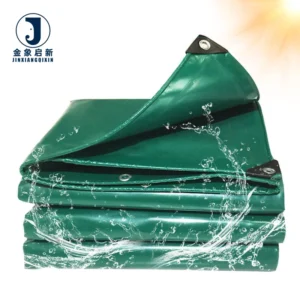
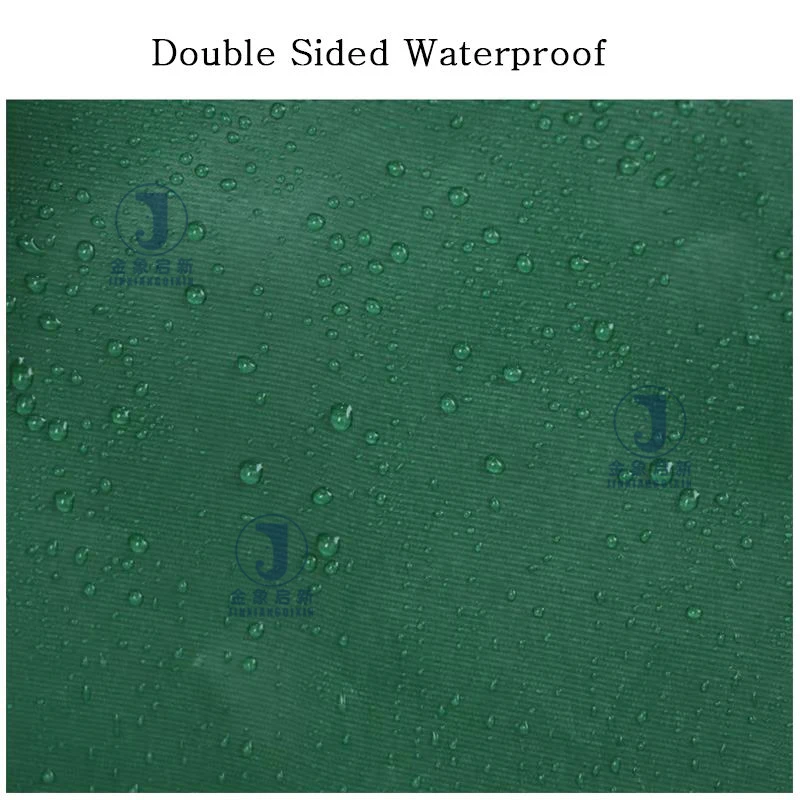
| Waterproof | Yes |
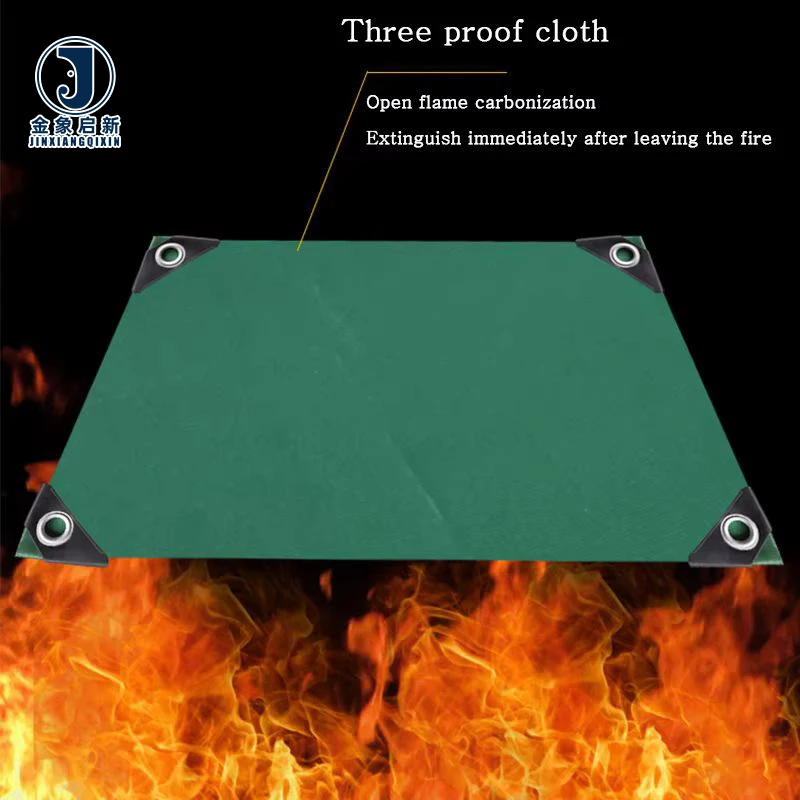
| Flame Retardant | Available (grade not stated in source — confirm the grade required for your market) |
| Anti-Static | Available (test basis not stated in source — confirm compliance standard required) |
| Anti-Mildew | Available |
| Anti-Cold | Available |
| Weather Resistance | Suited to extended outdoor exposure |
| Finish | Customizable |
Application Suitability
| Application | Exposure & Requirement |
|---|---|
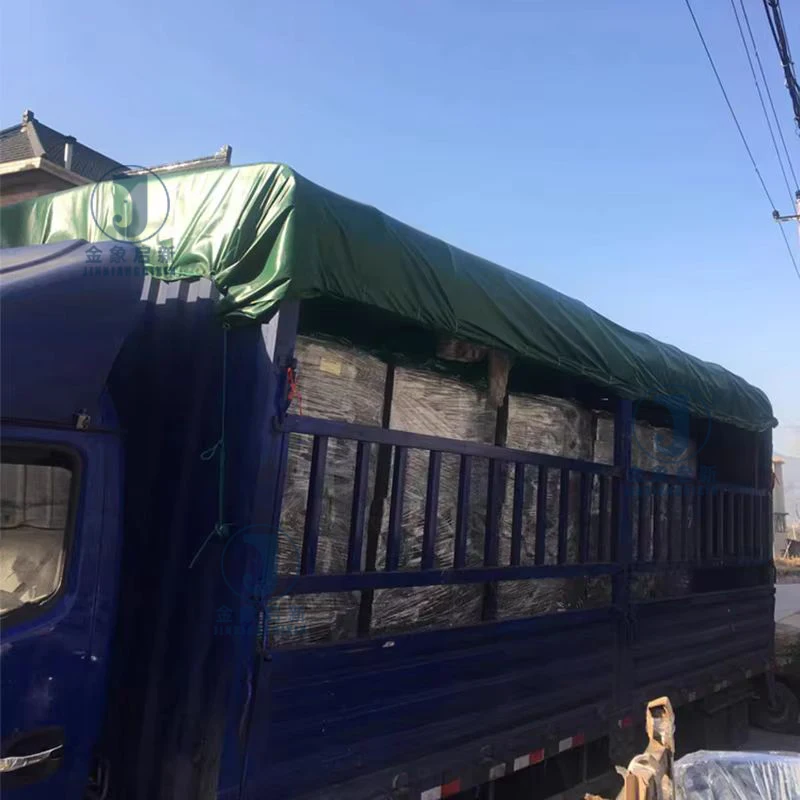
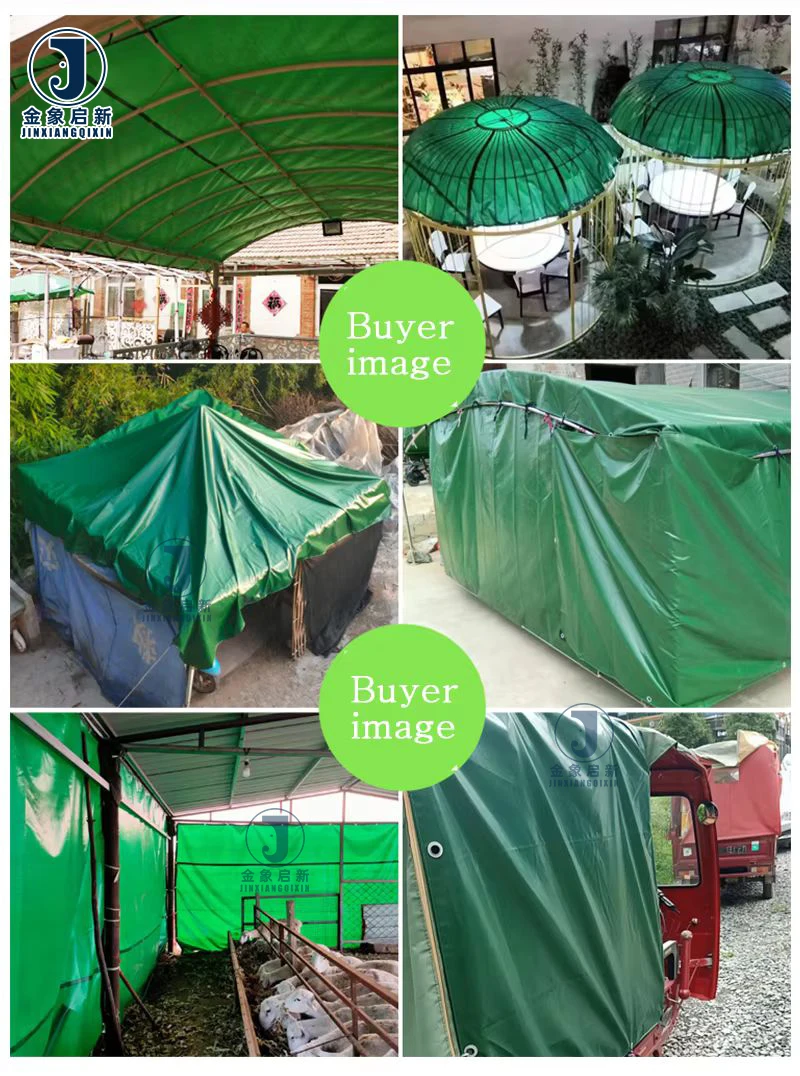
| Truck cargo cover — over-the-road haulage | Constant wind load, road debris abrasion, tie-down stress at flex points, rain and UV exposure |
| Transport fleet weather shielding — depot and yard storage | Prolonged sun exposure, pooling water, repeated folding and unfolding cycles |
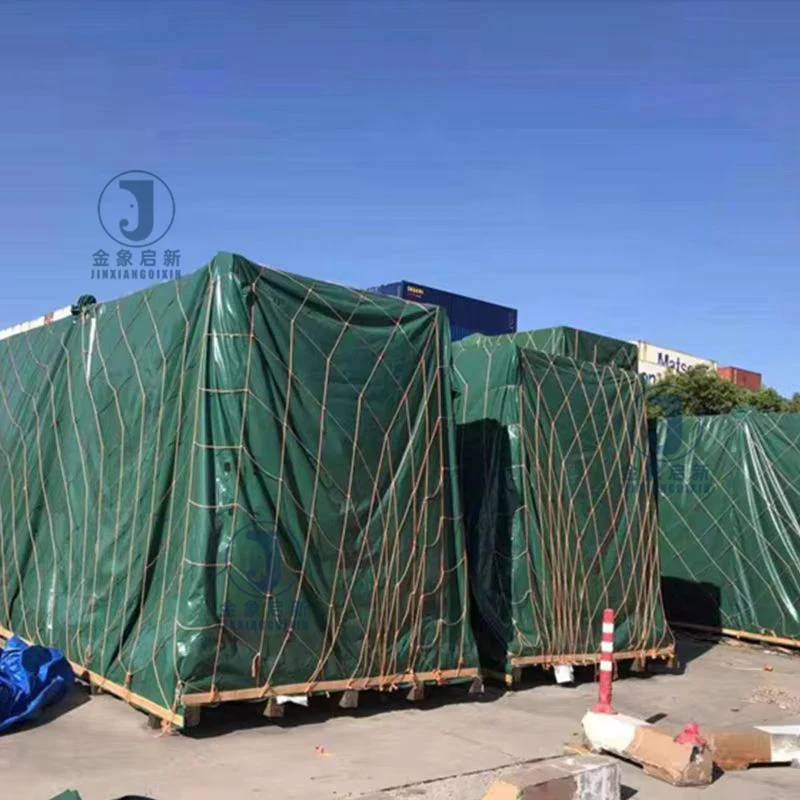
| General industrial cover — machinery and stockpile protection | Dust ingress, moisture, handling abrasion from forklifts and rigging |
| Tarpaulin distributor stock — regional resale | Batch consistency across rolls, multiple GSM grades for varied customer demand |
Why GSM Stated on Paper Does Not Match the Roll You Receive
Every roll is weighed and recorded before dispatch so the grade you order is the grade you ship.
A common frustration in bulk PVC coated tarpaulin roll wholesale purchasing is receiving material lighter than the quotation specified. Lightweight rolls pass visual inspection but fail earlier under load. When coating weight drifts downward across a production run, tensile and tear performance drop without any visible change in the fabric surface [NEED_CITE: tensile and tear test methods for coated fabrics per ISO 1421]. Buyers who specify 850gsm but receive 780gsm absorb the cost in warranty claims and replacement shipments.
Stock Grades Ready for Immediate Container Loading
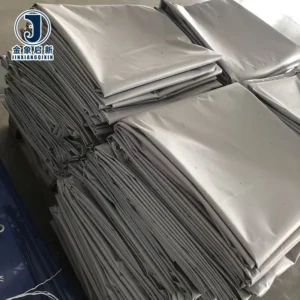
Transport fleet operators and tarpaulin importers need reliable availability across multiple weight options. This PVC coated tarpaulin roll wholesale range covers three distinct GSM tiers — 700gsm for lighter-duty covers and temporary protection, 850gsm for standard truck and trailer applications, and 900gsm for heavy-duty load shielding and extended outdoor service. Each tier ships in full roll quantities with documented net weight, enabling precise container loading calculations and predictable landed cost per square metre.
Roll-to-Roll Colour and Coating Uniformity
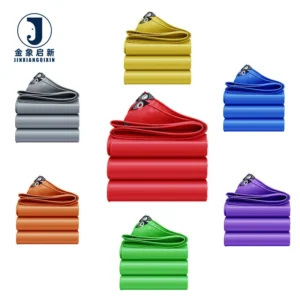
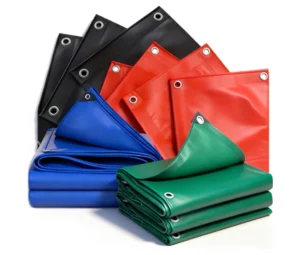
When multiple rolls are fabricated into side-by-side truck curtains or large industrial covers, any colour variation or coating thickness difference becomes immediately visible after installation. Batch consistency is maintained through controlled coating application and pigment dosing at each production stage. Pre-shipment inspection covers every roll for shade matching and surface uniformity, reducing the risk of visible panel mismatch on finished installations [NEED_CITE: colour consistency standards for coated fabrics in transport applications].
Reading the Specification Sheet Beyond the GSM Number
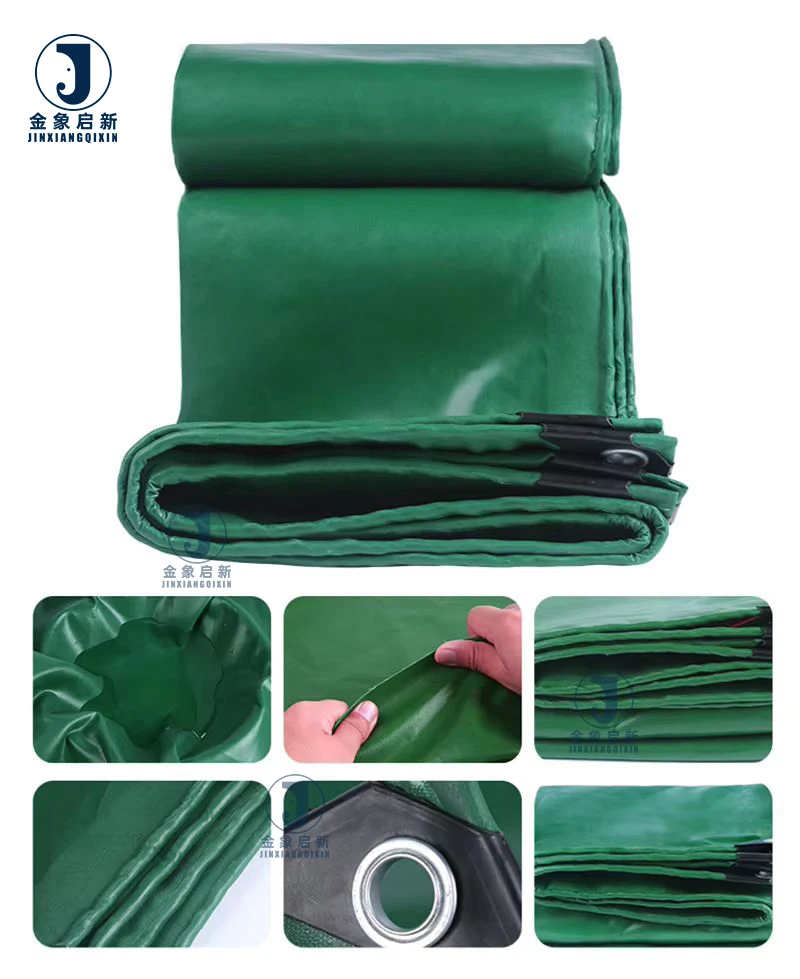
Coating weight alone does not determine field performance. The base fabric denier and weave density work together with the PVC coating to set the tensile and tear limits of the material. A 900gsm roll with a loosely woven base may tear more easily than an 850gsm roll built on a tighter, higher-denier scrim. The coating method — whether knife-over-roll, laminating, or calendering — affects peel strength between the PVC layer and the base fabric, which in turn governs how well welded seams hold under repeated flexing. Surface finish, whether glossy or matte, influences both cleaning behaviour and the adhesion of printed branding or pattern work. Understanding these interactions lets buyers specify the right combination rather than relying on a single GSM figure.
The Hidden Cost of Skipping Treatment Verification
Flame retardant and anti-static claims without supporting test documentation create compliance risk at the point of installation. Mining and construction sites require documented proof of fire classification before ventilation ducts and covers are accepted. A PVC coated tarpaulin roll wholesale order arriving without the correct test report may be rejected by site safety inspectors, forcing the buyer to source replacement material at short notice. Similarly, anti-mildew and anti-cold treatments must be verified per roll, since untreated material stored in humid or sub-zero conditions will degrade before it reaches the end user [NEED_CITE: fire classification test requirements for industrial coated fabrics].
Why Procurement Teams Source Rolls Here
Three full production lines and 36 sets of professional equipment provide the capacity to fulfil bulk roll orders with reliable on-time dispatch. A 10-person R&D team handles custom width, colour matching, and treatment specifications, developing samples within days rather than weeks. Dedicated quality inspection covers every roll before packing — coating weight, colour shade, and surface condition are each recorded against the purchase specification. Material specification sheets, pre-shipment inspection records, and roll packing lists ship with every consignment, giving buyers full traceability from production to container.
Documentation & Verification
- Material specification sheet stating exact GSM, base fabric type, and coating weight per roll
- Pre-shipment inspection record with individual roll check against the ordered specification
- Roll packing list showing net weight and roll count for container loading verification
- Test reports for flame retardant and anti-static treatments where applicable to the grade ordered
- Certificate of origin and customs documentation to support import clearance
Fabrication, Handling & Storage
- Hot-air welding parameters should be tested on sample pieces from each GSM grade before full production runs
- Store rolls upright on pallets in a dry, shaded area to prevent surface creasing and coating adhesion loss
- Allow cold-stored rolls to reach ambient temperature before unrolling to avoid cracking the PVC coating layer
- Use compatible PVC-based adhesives for patch repairs to maintain coating bond strength at the repair site
- Plan cutting layouts around standard roll widths to minimise off-cuts and reduce seam count on large covers
- Reinforce high-stress tie-down points with additional PVC patches welded over the base fabric layer
What to Include in Your Enquiry
To receive an accurate specification and quotation, provide the end-use application and the environmental exposure conditions the covers will face. Specify which GSM grade or range is required and whether flame retardant or anti-static certification is needed for your target market. Indicate roll width, colour, and the estimated annual volume so that production scheduling and batch consistency can be planned accordingly.
Frequently Asked Questions
Q: How is GSM verified on each roll before shipment?
A: Every roll passes through a weighing and inspection checkpoint after production. The actual coating weight is recorded and compared against the specification stated on your purchase order. Rolls that fall outside the agreed tolerance are segregated before packing. A weight verification record accompanies each shipment so you can cross-check on receipt.
Q: What flame retardant and anti-static grades are available, and which test standards apply?
A: Flame retardant and anti-static treatments are available across all GSM grades. The specific grade and test standard depend on your market compliance requirements. Confirm the classification your end user or site safety officer requires — such as a building material fire class or an anti-static surface resistivity threshold — so the correct treatment and test report can be supplied with your order.
Q: How do you control colour and coating consistency across rolls in the same order?
A: Pigment dosing and coating application are calibrated at the start of each production run and monitored throughout. Rolls from the same batch are grouped together for shipment. Pre-shipment inspection includes a visual shade comparison across rolls to catch any variation before packing, ensuring uniform appearance when rolls are fabricated side by side.
Q: What are the standard roll widths and container loading quantities?
A: Standard roll widths are available across the range, with custom widths produced to order. Container loading depends on roll width, length, and GSM grade — heavier grades yield fewer linear metres per container. A detailed roll packing list is provided before dispatch so you can verify count and weight against your logistics plan.
Q: What is the lead time and minimum order for custom width or colour rolls?
A: Custom width and colour orders carry minimum quantities that vary by specification. Lead times depend on current production scheduling and the complexity of the treatment package required. Submit your specification early so that sample rolls can be developed and approved before the full production run is scheduled.