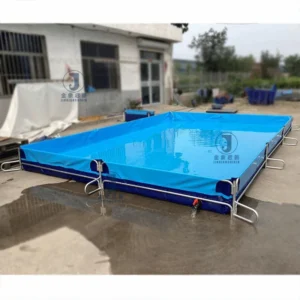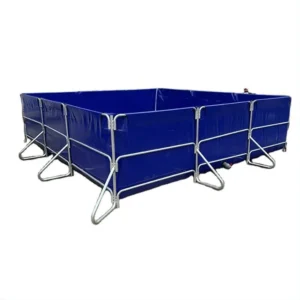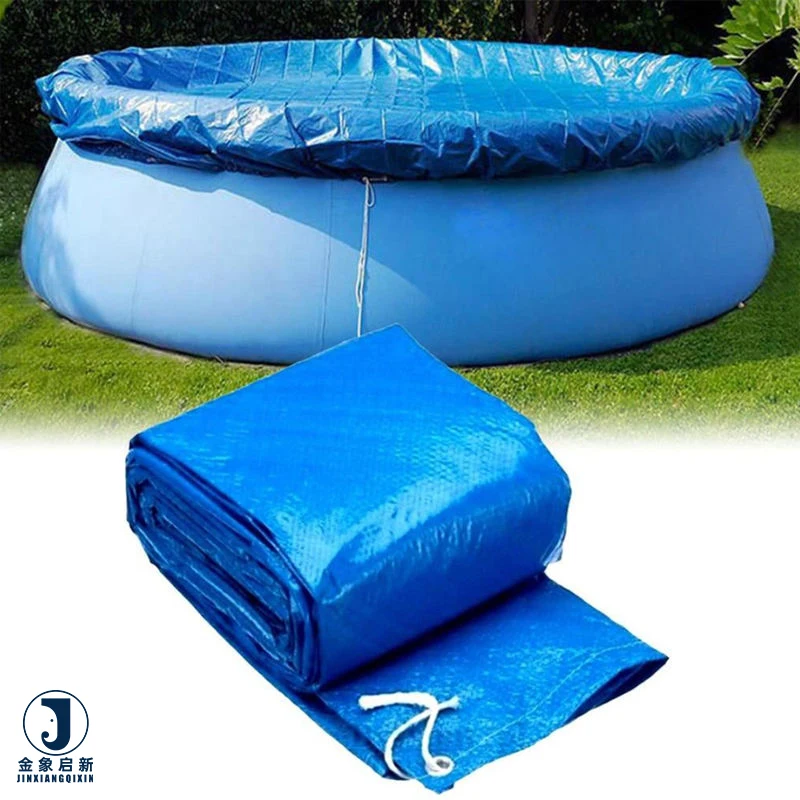
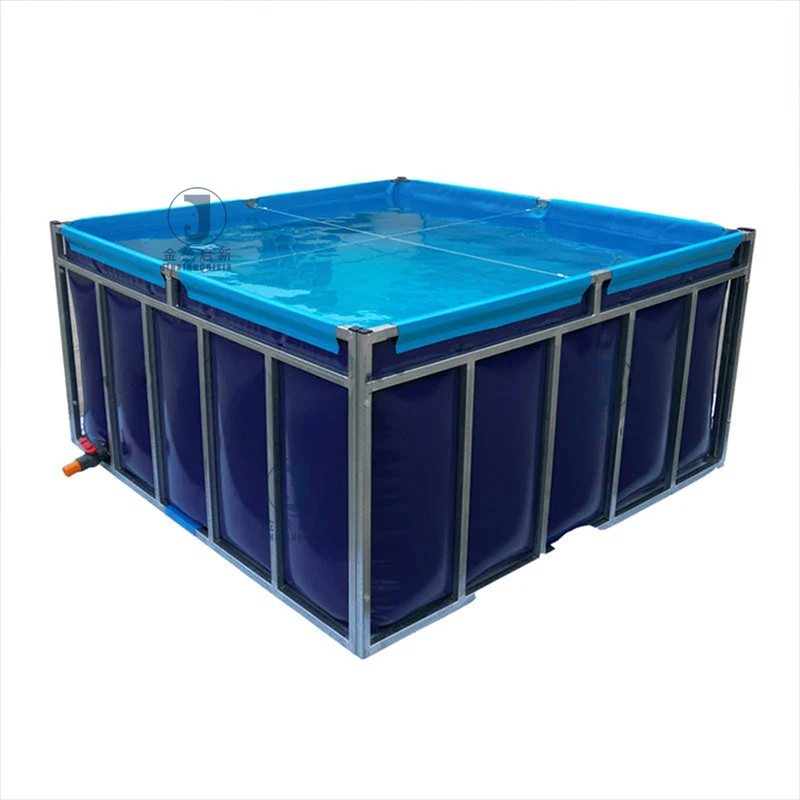
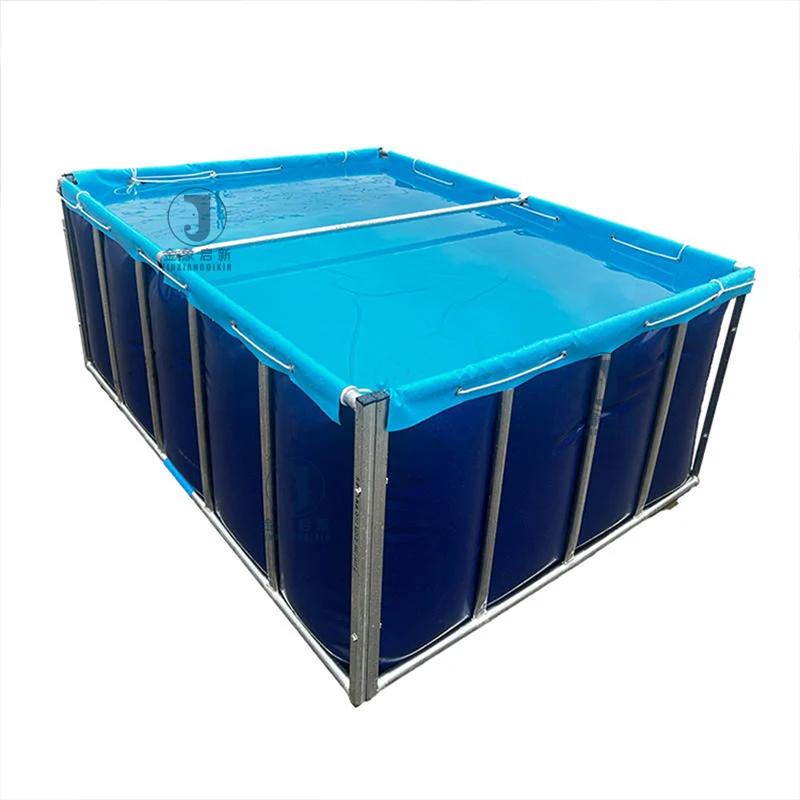
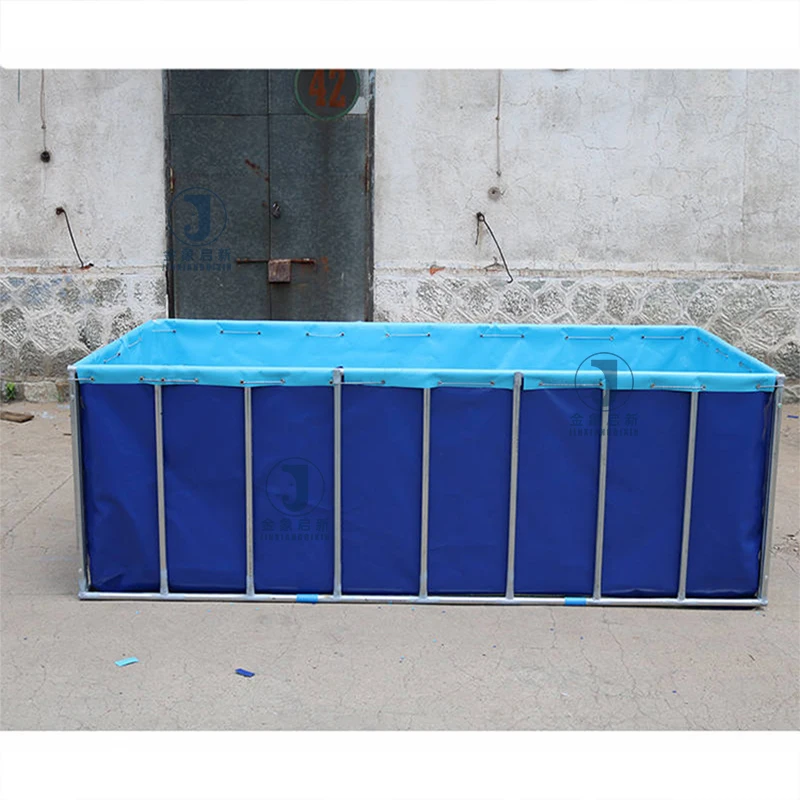
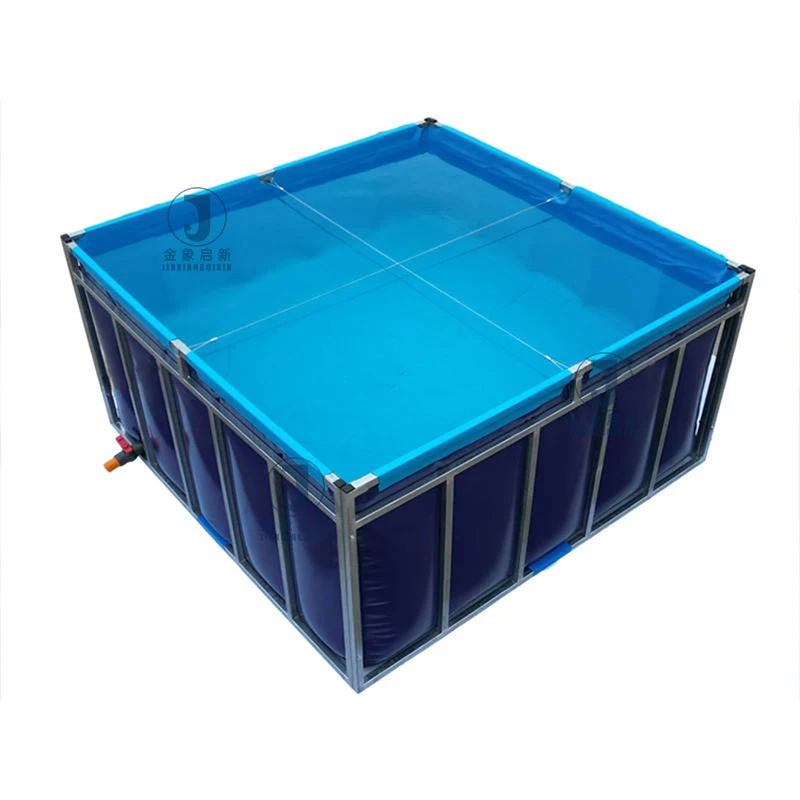
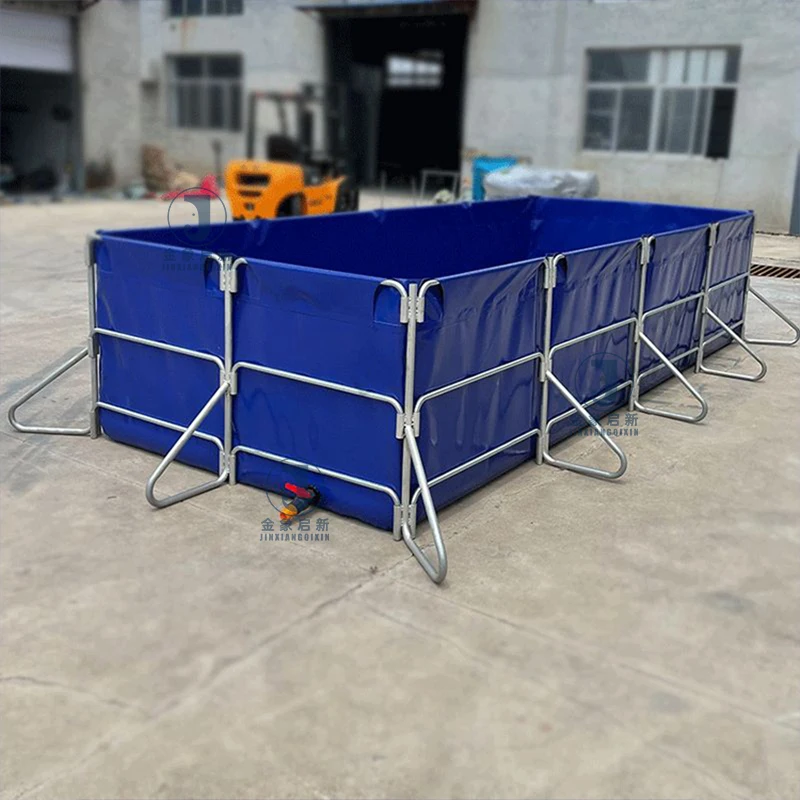
Description
Batch consistency — Three dedicated production lines and in-process QA checkpoints track GSM and colour across every roll of PVC tarpaulin for fish pond before container loading.
Technical Specifications
| Parameter | Value |
|---|---|
| Product Type | PVC Coated Tarpaulin |
| Material | PVC + High-strength polyester mesh fabric |
| Coating Method | Laminated technology & Hot-melt coating technology |
| Weight Options | 350gsm / 420gsm / 500gsm / 550gsm / 600gsm / 750gsm |
| Thickness Range | 0.32mm / 0.35mm / 0.4mm / 0.45mm / 0.5mm / 0.65mm |
| Roll Size | 2m × 75m / 2.1m × 50m |
| Custom Sizing | Available in custom widths and lengths on request |
| Colours | Blue, Red, Yellow, Light blue, Grey (custom colours available) |
| Key Features | Waterproof, anti-mildew, cold crack resistance, best color fastness, outstanding tearing strength for welding |
| Special Treatments | Anti-static treatment (grade not stated — confirm requirement), flame retardant (grade not stated — confirm required standard) |
Application Suitability
| Application | Exposure & Requirement |
|---|---|
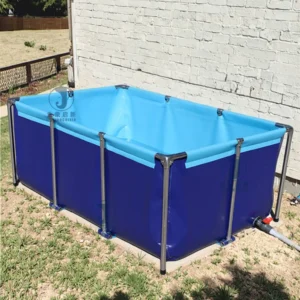
| Fish pond lining | Permanent water immersion, soil chemistry contact, puncture from substrate, long-term UV exposure |
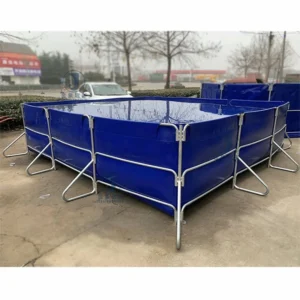
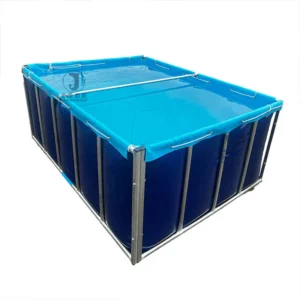
| Aquaculture pond covers | Standing water load, wind uplift, feed and chemical splashes, daily temperature cycling |
| Water reservoir containment | Hydrostatic pressure, bank abrasion, extended outdoor weathering, wildlife puncture risk |
| Agricultural water storage | Seasonal deployment, irrigation chemical exposure, ground-level abrasion, repeated handling |
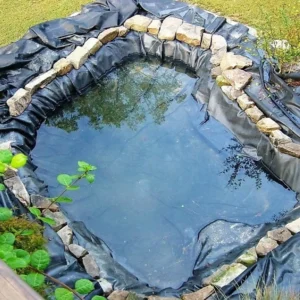
| Landscape pond construction | Decorative finish visible, UV exposure, root penetration, temperature fluctuations |
Why GSM Variation Between Rolls Wrecks Pond Fabrication Schedules
Consistent coating weight across every roll in a batch is what keeps your weld parameters stable and your material yield predictable.
When you order a container load of PVC coated tarpaulin roll wholesale for pond liner fabrication, even a small GSM shift between consecutive rolls forces you to recalibrate hot-air welder temperature and speed. Fabricators who have processed multiple batches report that roll-to-roll inconsistency causes more rejected seams than the welding operator’s technique [NEED_CITE: coated fabric weld parameter sensitivity and GSM tolerance]. A batch where colour drifts between rolls also creates visible panel mismatch once the liner is unfolded and laid into the pond excavation — a problem that only surfaces after the material has been cut and positioned, making replacement costly and time-consuming.
Hot-Melt Coating and What It Means for Weld Strength at Seam Lines
Pond liners concentrate mechanical stress at welded seams — the exact point where two panels overlap and the fabric is thermally fused. The hot-melt coating technology used on this PVC coated tarpaulin roll wholesale range produces an adhesion layer that penetrates the high-tenacity polyester mesh, creating a bond between coating and base fabric that resists delamination when the liner flexes under water load. This matters for pond applications because the liner settles into the excavation over weeks, and any weak bond at the coating-mesh interface will separate before the fabric itself fails.
Roll Dimensions, Container Loading, and Fabrication Yield
Standard rolls ship at 2m × 75m or 2.1m × 50m, and both configurations are designed to maximise container payload by weight and volume. For fabricators cutting pond liners to site-specific dimensions, the 2.1m width reduces the number of longitudinal welds needed for wider ponds, cutting both labour and the number of potential failure lines in the finished liner [NEED_CITE: weld seam frequency and liner failure correlation in aquaculture]. Custom widths are available to match specific welding bed dimensions, eliminating the need to trim and waste material on every panel.
Understanding GSM, Thickness, and the Base Fabric’s Role in Tensile Performance
The weight options — 350gsm through 750gsm — reflect total coated weight per square metre, combining the PVC coating and the high-strength polyester mesh fabric underneath. GSM alone does not define tear resistance; the denier of the polyester yarns and the weave density of the mesh determine how a puncture propagates once it starts. Thicker grades (0.5mm and 0.65mm) carry heavier coating layers that protect the mesh from abrasion against rocky pond substrates, while lighter grades (0.32mm and 0.35mm) suit temporary nursery ponds where the liner is deployed and retrieved seasonally. The laminated technology used alongside hot-melt coating ensures the PVC layers bond to both faces of the mesh evenly, so neither side becomes a weak plane during heat welding. Selecting the right thickness depends on the substrate conditions, expected water depth, and whether the liner will remain in place for multiple seasons.
What Happens When Roll-to-Roll Colour Consistency Is Not Verified Before Dispatch
For distributors stocking pond liner in standard colours, a batch with visible shade variation between rolls means you cannot cut and sell panels from different rolls to the same customer without complaints. Aquaculture operators installing multiple pond sections side by side will see the mismatch immediately once the liners are unfolded [NEED_CITE: colour fastness standards and batch dye-lot matching for coated fabrics]. This is not a cosmetic issue — it signals inconsistent pigment dispersion during the coating process, which can correlate with uneven UV stabiliser distribution across the batch, leaving some panels more vulnerable to sun degradation than others.
Procurement Verification Built Into the Production Cycle
The PVC coated tarpaulin roll wholesale supply process embeds inspection checkpoints rather than relying on a single pre-shipment audit. Coating weight is measured during the hot-melt and lamination stages, not just at final roll winding, so any drift in GSM is caught before the roll is completed. Colour matching is verified against the approved reference at the coating stage and again at winding, ensuring every roll in a container load comes from matched dye lots. The 10-person R&D team develops custom colour samples within days, allowing buyers to confirm shade and hand-feel before full production begins. Production lines run dedicated QA at each stage, and 100% of rolls undergo inspection before dispatch with recorded weight and thickness data [NEED_CITE: tensile and tear test methods for coated fabrics per ISO 1421]. This system supports both bulk distributor orders and fabricators who need guaranteed material properties for pond liner welding.
Documentation & Verification
- Material specification sheet stating exact GSM, base fabric denier, and coating weight per roll
- Pre-shipment inspection record with weight and thickness spot-check data for each roll
- Colour reference and batch dye-lot matching confirmation across all rolls in the order
- Roll packing list with net weight and container loading plan for freight planning
- UV resistance test report available — confirm the standard required for your market
- Flame retardant certification available — specify the grade needed for your project
Fabrication, Handling & Storage
- Hot-air welding at temperature settings matched to the specific GSM grade and coating thickness of your roll
- Allow cold-stored rolls to reach ambient temperature before unrolling to prevent coating micro-cracks
- Store rolls horizontally on pallets to avoid flat-spotting the polyester mesh base fabric
- Use sharp rotary blades for cutting to prevent fraying the high-tenacity yarn edges
- Clean finished pond liners with mild detergent — avoid solvents that attack the PVC coating surface
- Overlap seams by minimum 50mm when welding to account for flex load at pond edges
Specifying the Right Roll for Your Pond Project
To move forward, share the pond dimensions, water depth, substrate type, and whether the liner will be permanent or seasonal. Specify your target GSM and confirm any colour, width, or custom printing requirements. If you need flame retardant or anti-static treatment, state the certification standard your project requires so we can match the grade. Sample rolls can be dispatched for weld testing and colour approval before full production is scheduled.
Frequently Asked Questions
Q: What GSM and thickness work for a fish pond compared to a large reservoir liner?
A: Lighter grades such as 350gsm or 420gsm at 0.32mm to 0.35mm suit seasonal nursery ponds with shallow water and prepared substrates. Larger reservoirs holding deeper water over rocky or uneven ground typically require 550gsm and above at 0.45mm or thicker to resist puncture and hydrostatic pressure. We can supply sample cuts of multiple grades for on-site evaluation.
Q: Can I order custom width rolls to match my welding equipment bed?
A: Yes. Beyond the standard 2m and 2.1m widths, custom widths are produced to your specification. This reduces trim waste and eliminates unnecessary longitudinal welds in the finished pond liner, improving both fabrication speed and seam reliability. Confirm the required width and roll length when placing your inquiry.
Q: How is colour consistency maintained across multiple rolls in one shipment?
A: Pigment is matched against the approved reference at the coating stage and verified again at roll winding. Every roll in a single order is produced from the same dye lot, and batch colour confirmation is included in the pre-shipment documentation so you can trace consistency before the container arrives.
Q: What is the minimum order for a custom colour or printed pattern?
A: Custom colours and printed branding require a minimum production run that covers coating line setup and colour calibration. The exact quantity depends on the roll width and the complexity of the colour match. Request a sample roll to confirm shade and print clarity before committing to the full batch.
Q: Do you provide test reports for UV resistance and anti-mildew treatment?
A: Test reports are available for grades that include UV and anti-mildew treatment. Specify the testing standard your market or project requires — such as ISO 4892 for UV exposure — and we will supply the corresponding report with your shipment documentation.