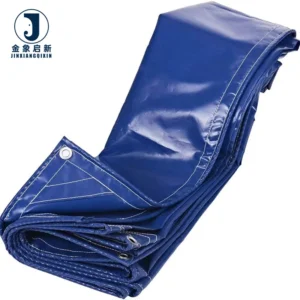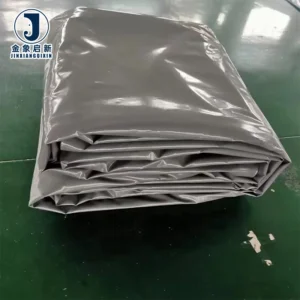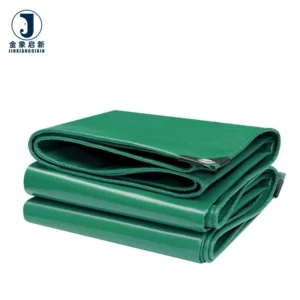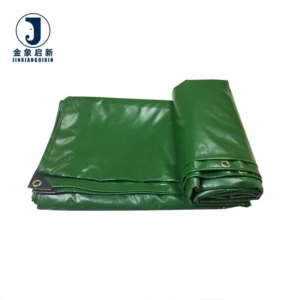
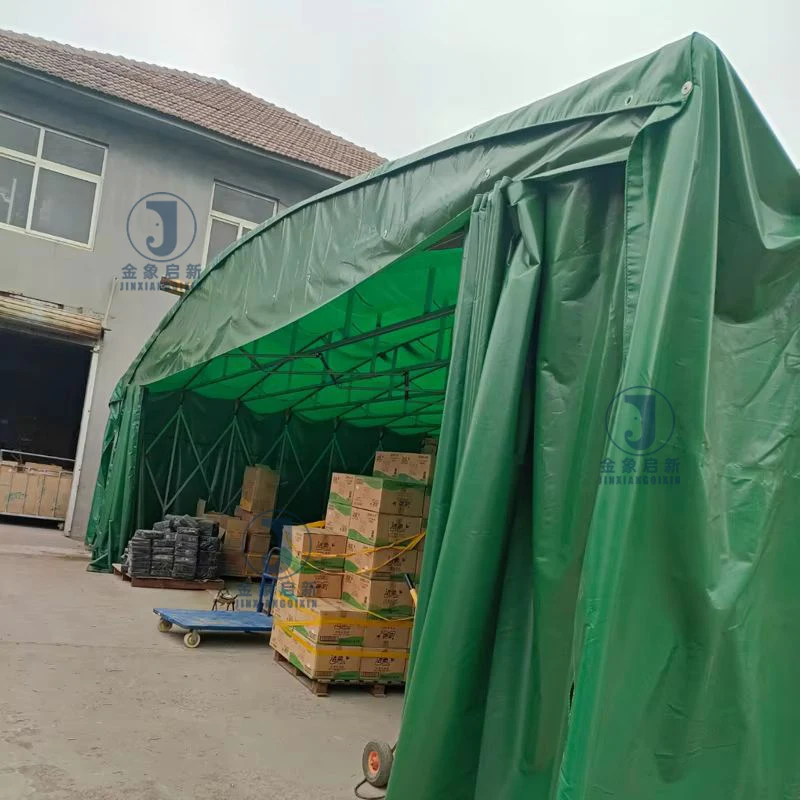
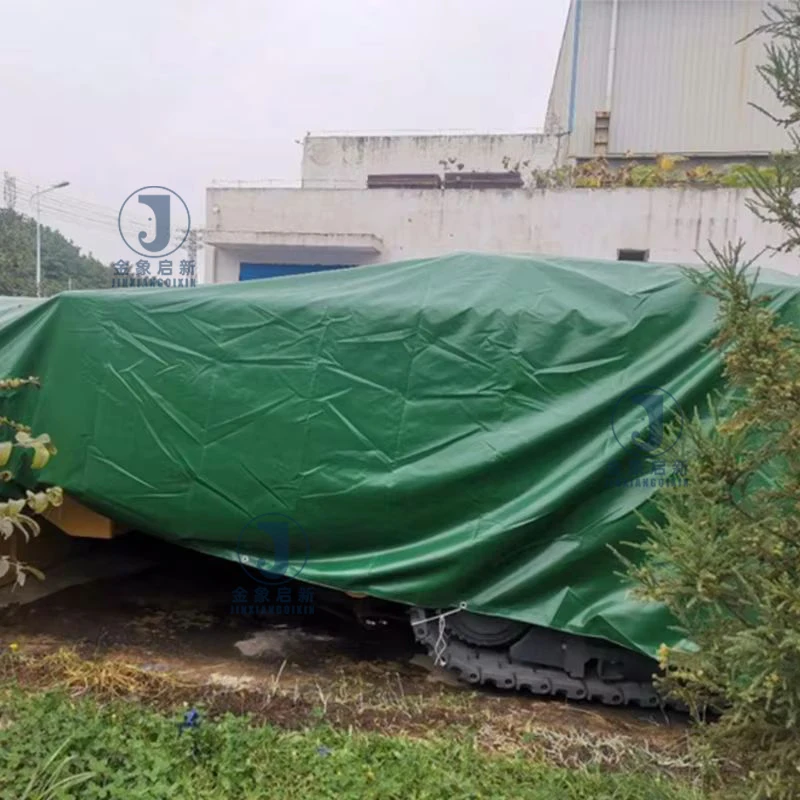
Description
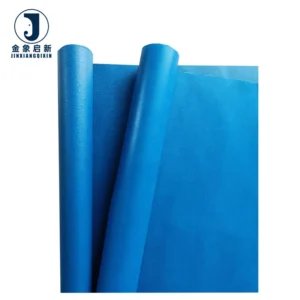
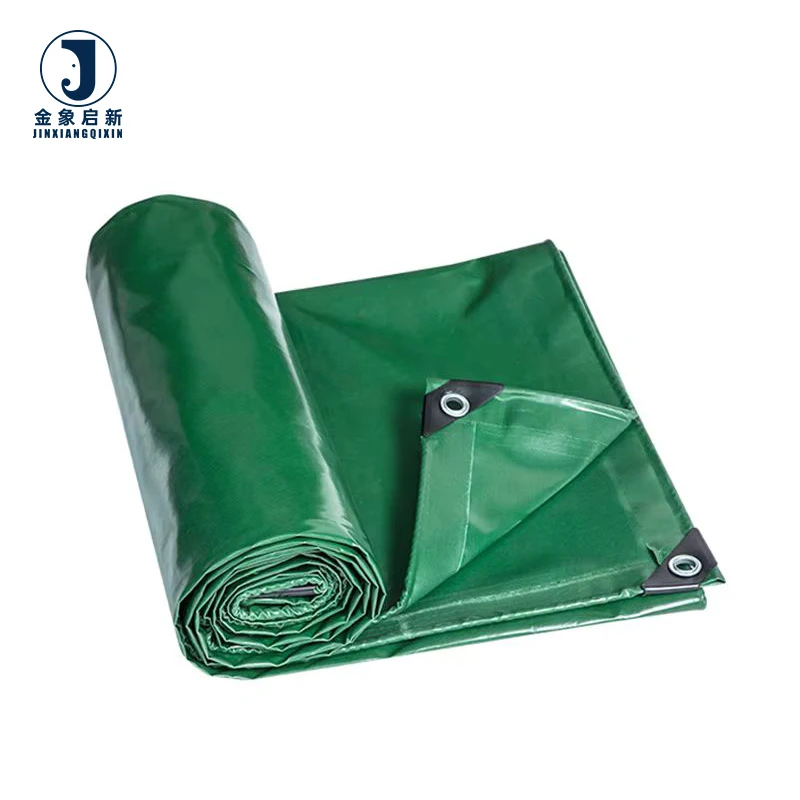
Roll-stock consistency — Every PVC coated tarpaulin roll leaves the facility with verified GSM and colour matched to tolerance, so your warehouse receives uniform material across the entire container load.
Technical Specifications
| Parameter | Value |
|---|---|
| Product Type | PVC Coated Tarpaulin Roll |
| Coating Material | PVC |
| Base Fabric | Woven Fabric |
| Weight | At least 450 GSM |
| Waterproof | Yes |
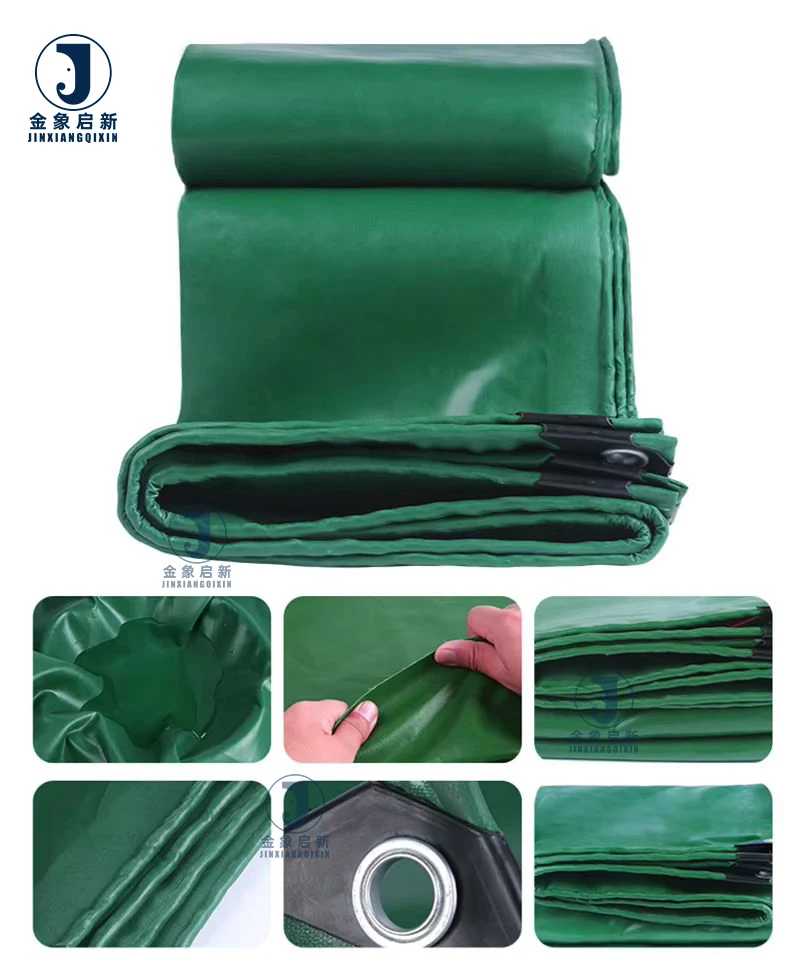
| Key Features | High-strength, Wear-resistant, Tear-resistant |
Application Suitability
| Application | Exposure & Requirement |
|---|---|
| Tarpaulin distribution and resale | Consistent roll weight and colour for converting into standard covers and sheets |
| Custom cover fabrication | Reliable base material for cutting, welding and hemming into vehicle or equipment covers |
| Tent, awning and inflatable production | Stable coating adhesion and predictable heat-seal behaviour during assembly |
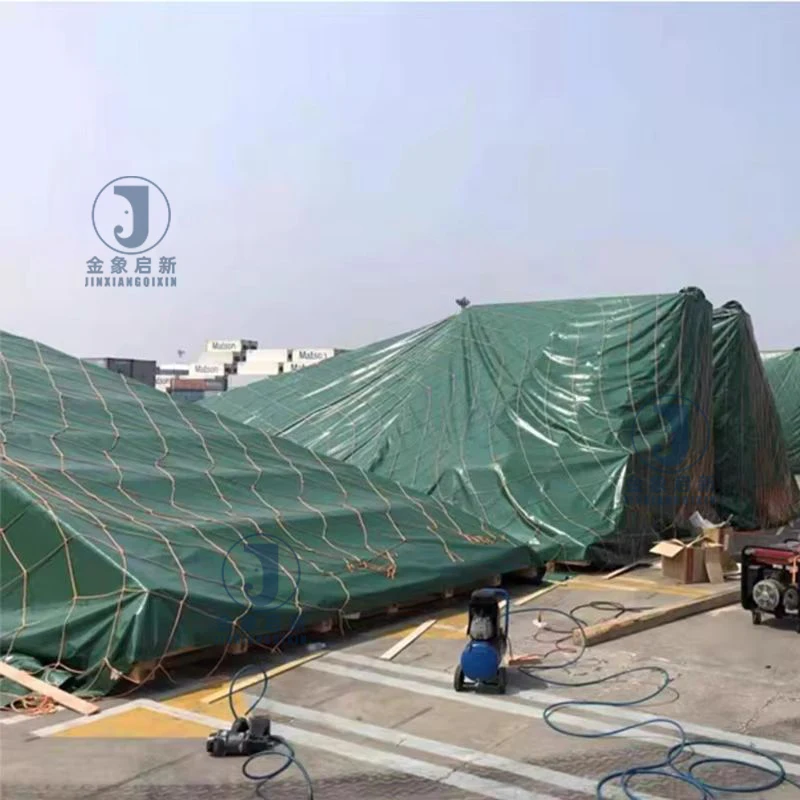
| Logistics fleet procurement | Bulk supply for side curtains, truck covers and trailer enclosures exposed to road weather |
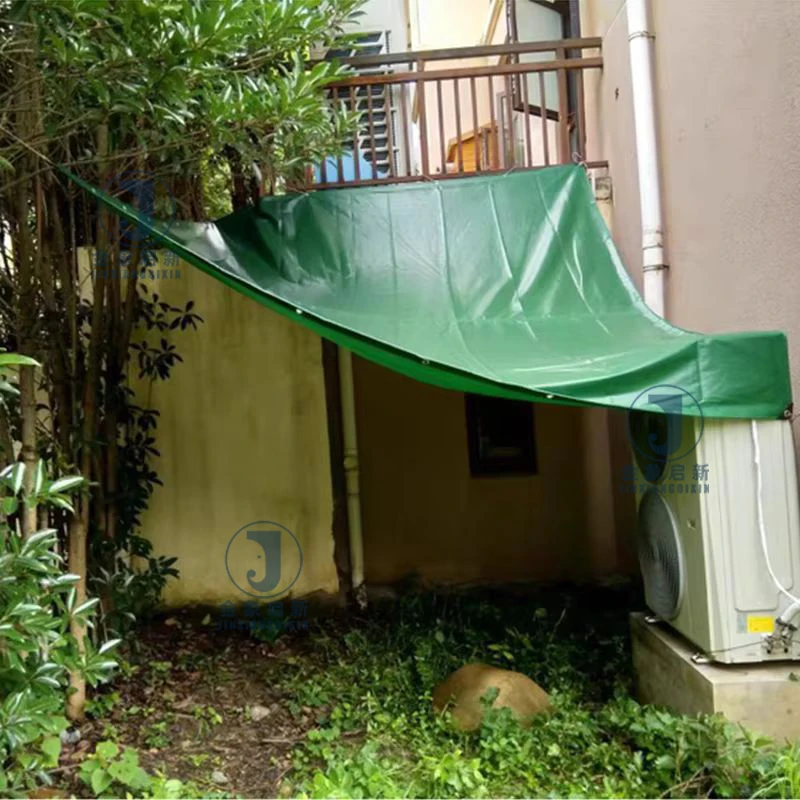
| Outdoor equipment protection | Continuous exposure to rain, snow and ambient temperature swings |
Why GSM on the Quotation Does Not Guarantee GSM on the Scale
A stated weight means nothing unless every roll in the shipment is weighed before it leaves the factory floor.
Tarpaulin buyers have opened containers to find material that feels noticeably lighter than the sample approved weeks earlier. When a PVC coated tarpaulin roll arrives underweight, the tensile and tear performance drops alongside it, and covers cut from that batch fail earlier in the field. The problem compounds when different rolls within the same order sit at different weights — fabricators welding panels together end up with seams joining materials of unequal stiffness, concentrating stress at the weld line [NEED_CITE: tensile and tear test methods for coated fabrics per ISO 1421]. Pre-shipment weight verification per roll eliminates this variance before it reaches your dock.
Batch-to-Batch Colour Matching Across the Container
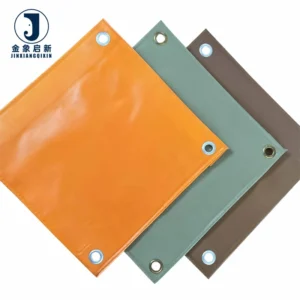
When a distributor stocks PVC coated tarpaulin roll inventory for local resale, panels cut from different rolls often end up installed side by side on the same structure or vehicle. Visible colour drift between rolls forces fabricators to reject entire panels, generating waste and delaying delivery. Tight pigment control at the coating stage keeps the colour within a defined tolerance band so that consecutive rolls in the same shipment produce uniform panels. This consistency matters most for buyers who commit to a single colour reference across repeat orders throughout the year.
Width Options and Slitting Efficiency at the Fabricator’s Bench
Fabricators cutting standard-size covers lose material every time the roll width does not align with their panel dimensions. Ordering PVC coated tarpaulin roll stock in widths that match your most common cut patterns reduces edge trim waste and improves yield per roll. Available width options allow buyers to select the closest match to their production requirements, and custom widths can be discussed for high-volume programmes where even a small reduction in slit waste compounds across full container loads [NEED_CITE: roll width selection and material yield in coated fabric converting].
How Coating Weight and Base Fabric Interact
The waterproof performance of this PVC coated tarpaulin roll depends on the relationship between the woven base fabric and the PVC coating applied to it. The base fabric provides the tensile and tear resistance — its yarn denier and weave density determine how much force the material can absorb before a puncture propagates into a full tear. The coating seals the weave, blocking water ingress and protecting the yarns from abrasion and UV degradation. A 450 GSM grade positions the fabric in the medium-weight range, balancing flexibility for folding and draping with sufficient body for industrial cover applications where the material must resist wind load and mechanical contact.
What Happens When Roll Consistency Breaks Down
A fabricator welding truck side curtains from rolls that vary in coating thickness will find that the same heat-seal temperature produces strong bonds on one roll and weak bonds on the next. The weld fails before the fabric does — a pattern that shows up repeatedly in field returns [NEED_CITE: welded seam failure modes in PVC coated fabrics]. Similarly, distributors who receive rolls of uneven weight face customer complaints when covers made from lighter rolls wear through prematurely. These hidden costs — rejected panels, rework labour, freight on returns — far exceed the effort of verifying consistency before shipment.
Why Source This PVC Coated Tarpaulin Roll Stock Here
Three full production lines and 36 sets of professional equipment support bulk roll output without sacrificing coating uniformity across the production run. A dedicated QA and QC protocol inspects every roll before packing, catching weight deviation and surface defects that would otherwise ship unnoticed. The ten-person R&D team develops custom width, colour and print samples within days, allowing buyers to confirm the material before committing to a full container order. Pre-shipment inspection records document the actual GSM of each roll, giving buyers a verifiable weight record rather than a generic certificate. Documentation accompanying every wholesale shipment — from material specification sheets to container loading plans — supports smooth customs clearance and freight auditing at destination.
Documentation & Verification
- Material specification sheet confirming PVC coating type, woven base fabric and At least 450 GSM weight for this batch
- Pre-shipment inspection record with roll-by-roll weight verification against the stated GSM
- Roll packing list detailing gross and net weight per roll for container loading and customs audit
- Colour reference documented per batch to support consistency claims across repeat orders
- Certificate of origin and customs documentation prepared for destination-country import requirements
Fabrication, Handling & Storage
- Heat-seal temperature and dwell time should be matched to the PVC coating weight — test a sample strip before running full panels
- Store rolls upright on end caps to prevent flat-spot deformation on the coating surface during extended warehouse storage
- Unroll and allow the fabric to relax at ambient temperature before cutting to minimise dimensional shift after fabrication
- Plan panel layouts against the roll width to reduce edge trim waste and keep utilisation rates high
- Clean finished covers with mild detergent only — aggressive solvents can degrade the PVC coating surface over repeated use
Specifying Your PVC Coated Tarpaulin Roll Order
To move from inquiry to quotation efficiently, share your target roll width, the annual volume you expect to draw down, and any colour reference you need matched across batches. If your end market requires specific fire classification or UV treatment, state the grade or standard your local regulations reference so the correct formulation can be quoted. Confirm whether you need rolls only or whether cut-to-size panels with hemming and eyelets fall within scope.
Frequently Asked Questions
Q: How is GSM verified on each roll before shipment?
A: Every PVC coated tarpaulin roll is weighed individually during pre-shipment inspection, and the recorded value is logged against the roll number on the packing list. This record ships with the container so you can cross-reference received weight against the documented GSM before the material enters your production line.
Q: What stock widths and roll lengths are available for immediate dispatch?
A: Standard widths and roll lengths are maintained for common grades to support distributors who need quick replenishment. For custom widths or non-standard roll lengths, a dedicated production run is scheduled with lead time confirmed at quotation stage based on current line capacity.
Q: How do you ensure colour consistency across rolls in a bulk order?
A: Pigment batches are mixed to a single reference formula for the entire order, and coating runs are monitored for colour drift. Rolls from the same production batch are grouped together in the container so that panels cut from consecutive rolls install with uniform appearance.
Q: What is the container loading capacity by roll count and weight?
A: A detailed loading plan is prepared before dispatch, specifying roll count, individual roll weight and total gross weight per container. This plan allows buyers to confirm freight costs and verify that the container payload stays within shipping-line limits for the destination port.
Q: What documentation is provided with each wholesale shipment?
A: Each PVC coated tarpaulin roll shipment includes a material specification sheet, pre-shipment inspection record, roll packing list with weight breakdown, certificate of origin and any applicable test reports for treatments specified at order stage.