Description
Volume-Optimized Roll Supply — Three production lines and 36 sets of equipment dedicated to maintaining batch consistency across every PE tarpaulin roll shipped in a single container load.
Technical Specifications
| Parameter | Value |
|---|---|
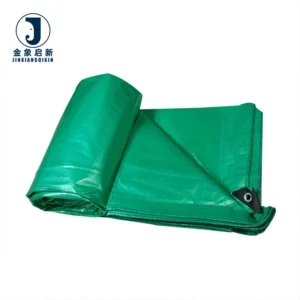
| Product Type | PE Tarpaulin Roll / Finished PE Tarpaulin |
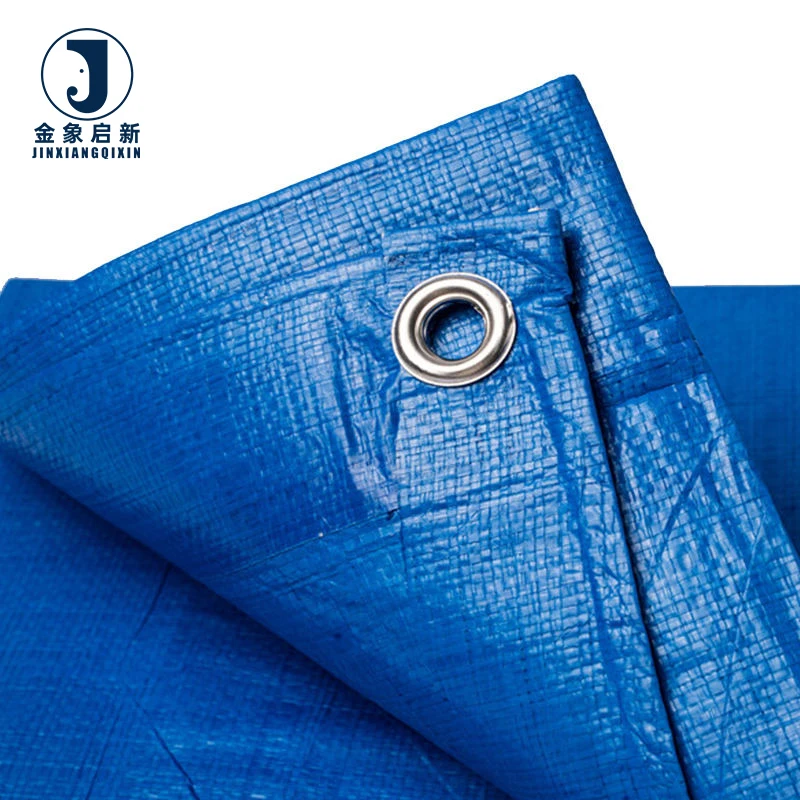
| Material | HDPE weaving with LDPE lamination on both sides |
| Weight (GSM) | 50gr/m² ~ 220gr/m² available (range covers product family — confirm the grade for this item) |
| Thickness | 0.2–0.4mm / 8 mil–16 mil |
| Weave Density Options | 6×6, 6×7 (50–60gsm); 7×7, 7×8 (60–80gsm); 8×8, 9×9 (80–90gsm); 8×10 (90–100gsm); 10×10 (100–120gsm); 12×12 (120–150gsm); 14×14 (150–250gsm); 14×16 (250–300gsm) |
| Roll Width | 6ft, 8ft, 10ft, 12ft, 2m, 4m, 6m |
| Roll Length | 100 yards, 100 meters, or custom |
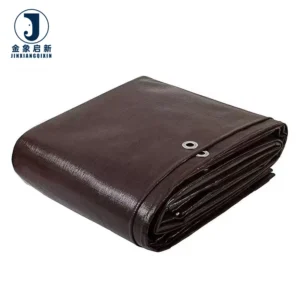
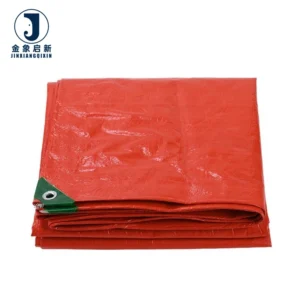
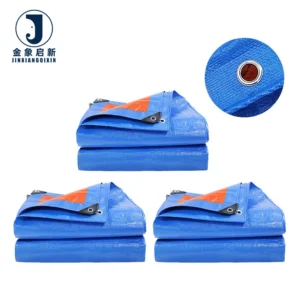
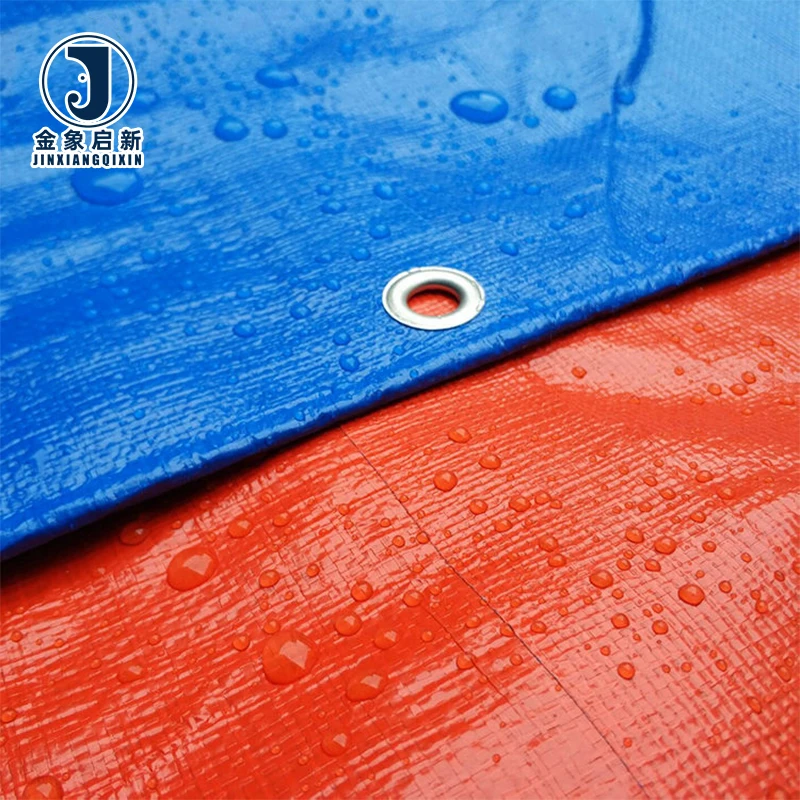
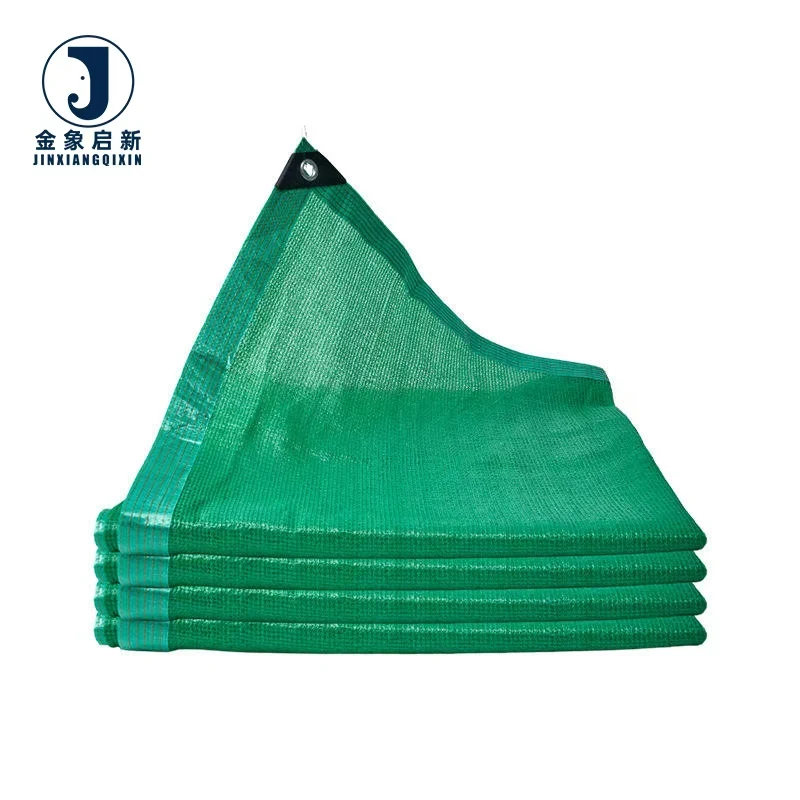
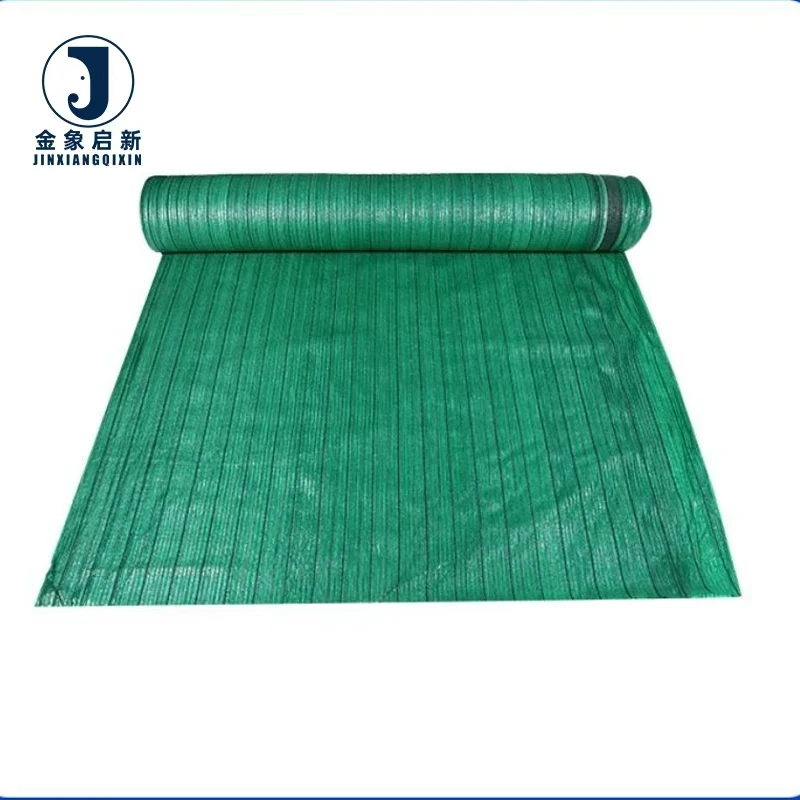
| Color Options | Blue, Blue/Orange, Green, Grey, Black, Clear, Grey/Green, Orange, or custom |
| UV Treatment | Available (test basis not stated) |
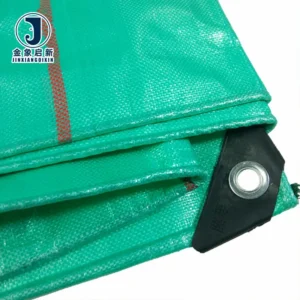
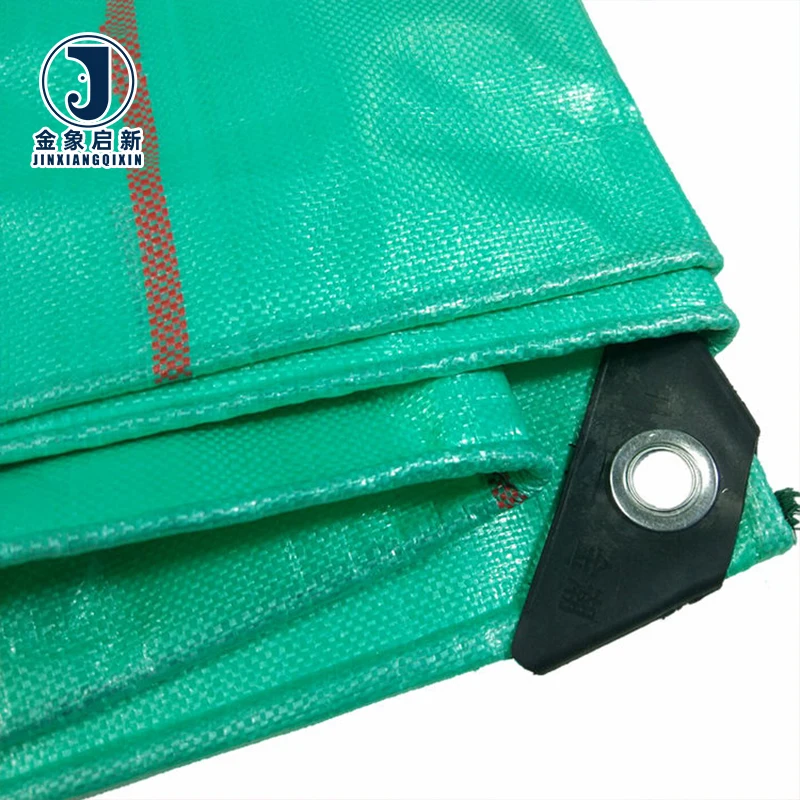
| Finished Tarpaulin Edges | PP rope reinforced hems, galvanized eyelets every 3ft or 1m, reinforced plastic corners |
| Container Loading (20’GP) | By Roll 17 Tons; By Bale 12 Tons; By Carton 9 Tons |
| Container Loading (40’HQ) | By Bale 28 Tons; By Carton 20 Tons |
| Standards | ISO 9001, CE |
Application Suitability
| Application | Exposure & Requirement |
|---|---|
| Tarpaulin distributor container imports | Roll-to-roll GSM and colour consistency across a full container load, reliable lead times for reorder planning |
| Agricultural and aquaculture covers | Prolonged sun and moisture exposure, large-area pond lining and crop drying, moderate puncture resistance |
| Construction site material covers | Abrasion from scaffolding and building materials, rain and wind, short-to-medium term outdoor use |
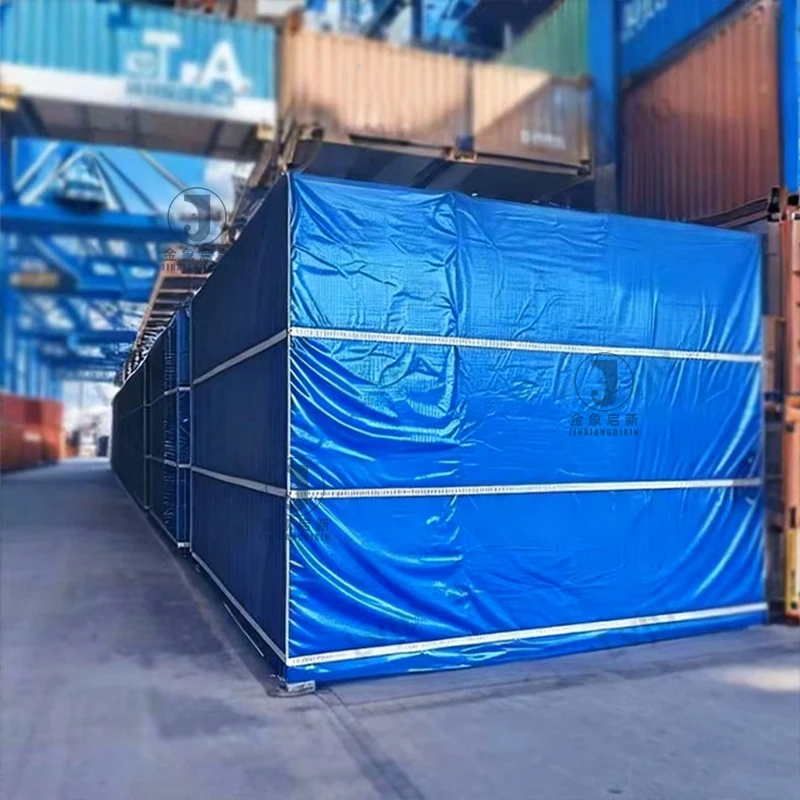
| Transport fleet cargo covers | Road debris contact, UV exposure on flatbed loads, tie-down stress at eyelet points on finished tarps |
| Furniture and garden covers | Seasonal outdoor storage, mildew resistance, light handling and folding |
Why GSM Alone Does Not Tell You the Full Story When Ordering PE Tarpaulin Rolls
A quoted GSM means nothing without the weave density and lamination weight that produce it.
Buyers who focus only on the stated weight per square metre often receive rolls that meet the number on paper but underperform in tensile or tear resistance. The base fabric weave — whether 6×6 or 14×16 — determines how load distributes across the fabric, while the LDPE lamination thickness controls waterproof integrity and surface durability. Two rolls at the same GSM built on different weave densities will behave very differently under tie-down tension or wind load [NEED_CITE: tensile and tear test methods for coated fabrics per ISO 1421]. This is why requesting the weave specification alongside the GSM is essential before committing to a wholesale PE tarpaulin container order.
Roll-to-Roll Consistency Across Container Loads
When importing wholesale PE tarpaulin, the commercial risk sits in the variance between rolls packed into the same container. Colour drift across a batch forces distributors to sort and repack before resale, while GSM deviation means some rolls fall below the grade the end-user expects. Our production process controls coating weight and lamination adhesion at each of the three full production lines, so the shade and weight measured on the first roll match those on the last roll of the same order.
Weave Density Selection and Its Effect on Container Utilisation
Choosing between a 7×7 weave at lighter GSM and a 12×12 weave at heavier GSM changes not only the mechanical performance but also how many rolls fit inside a 20’GP or 40’HQ container. Lighter grades packed by roll can reach up to 17 tons in a 20’GP, while heavier grades packed by bale push a 40’HQ toward 28 tons. Aligning the weave density with the end-market application — and the packing method with the available container volume — determines landed cost per square metre more than the fabric price alone [NEED_CITE: container loading efficiency for woven PE tarpaulin rolls].
Understanding the HDPE Base Fabric and LDPE Lamination Structure
The HDPE woven base provides the structural skeleton: warp and weft tapes interlocked at the specified density, giving the fabric its tear propagation resistance and tensile capacity. The LDPE lamination on both sides seals the weave, blocks water penetration, and creates a surface that sheds dirt. At lower weave densities such as 6×6 or 7×7, the lamination carries more of the waterproof load because the gaps between tapes are wider. At 14×14 or 14×16 densities, the tighter weave itself becomes a secondary barrier, and the lamination primarily adds surface protection and UV stabiliser hosting capacity. Thickness readings of 0.2–0.4mm reflect the combined profile of base weave and lamination together, not the coating alone. Selecting the correct density grade avoids over-specifying for light agricultural covers or under-specifying for construction site material protection.
The Hidden Cost of Overlooking Batch Verification Before Shipment
Distributors who skip pre-shipment inspection on PE tarpaulin roll orders frequently discover colour mismatch only after the container arrives and rolls are placed side by side in a warehouse. A single off-shade roll mixed into a batch of twenty can trigger a full reorder from the end customer. GSM shortfalls found at destination mean the distributor absorbs the loss, since return shipping on bulk rolls is commercially unviable. These failures are preventable with in-process QA and a documented inspection record before the container is sealed [NEED_CITE: pre-shipment inspection protocols for bulk woven tarpaulin].
Why Sourcing Wholesale PE Tarpaulin Through Jinan Jinxiang Works
Three dedicated production lines and 36 sets of professional equipment deliver the throughput needed to fill container orders without extended delays across PE tarpaulin roll grades. A 10-person R&D team handles custom width, colour, and sample development so trial rolls reach buyers quickly before full production is committed. Every roll undergoes QA at each production stage with 100% inspection before dispatch, eliminating the GSM and shade surprises that plague bulk imports. Near 30 years of focused coated-fabric production provide the process knowledge to hold lamination weight and weave tension within tolerance. Documentation packages ship with each order, including material specification sheets and pre-shipment inspection records that satisfy distributor and importer audit requirements.
Documentation & Verification
- Material specification sheet listing confirmed GSM, base weave density, and LDPE lamination type per roll batch
- Pre-shipment inspection record covering weight verification and colour consistency check before container loading
- Colour reference standard matched against the purchase order for each production run
- ISO 9001 and CE certificates supplied with the shipping documentation set
- Roll packing list detailing roll count, net weight, and gross weight per container
- Certificate of origin and customs support documents for destination clearance
Fabrication, Handling & Storage
- Cut rolls on a flat surface using a sharp blade; the LDPE lamination tears unevenly if forced
- Store PE tarpaulin rolls upright on the hard paper tube core to prevent flat-spot creases across the 2m to 6m width
- Avoid prolonged direct sunlight on stored rolls; UV treatment protects end-use exposure, not indefinite warehouse storage
- For finished tarpaulins, distribute tie-down load across multiple galvanized eyelets rather than concentrating stress on a single point
- Clean laminated surfaces with mild detergent; solvents can degrade the LDPE coating at lighter GSM grades
- Heat-seal hems at temperatures suited to the LDPE lamination layer; excessive heat melts through the base weave
Requesting a Quotation for Your Roll Stock Requirement
Specify the weave density and GSM range needed for your target application, along with the roll widths and lengths that match your cutting patterns. Indicate whether you require standard stock colours from the available range or a custom shade with a Pantone reference. Confirm your preferred packing method — roll, bale, or carton — so the container loading plan aligns with your total tonnage target. If you need finished tarpaulins with reinforced hems and eyelets, provide the cut sizes and quantity per size.
Frequently Asked Questions
Q: How can I verify the GSM of each roll matches the quotation before the container ships?
A: Every roll is weighed and measured during pre-shipment inspection. We record the actual GSM against the stated specification and include the inspection report with your shipping documents. If any roll falls outside tolerance, it is replaced before packing. You may also request third-party inspection at our facility before container sealing.
Q: What is the risk of colour variation across multiple PE tarpaulin rolls in a single order?
A: Colour drift typically occurs when lamination batches are mixed during production. We run each order as a single continuous batch using the same LDPE compound and pigment lot. The pre-shipment inspection includes a side-by-side shade check so any variance is caught before dispatch.
Q: Which roll widths and lengths are available, and can I mix them in one container?
A: Standard roll widths include 6ft, 8ft, 10ft, 12ft, 2m, 4m, and 6m, with lengths of 100 yards or 100 meters. Mixed width and length combinations can be loaded into a single container, and we provide a detailed packing plan showing roll count and weight distribution per width.
Q: How does packing method affect container loading capacity?
A: Roll packing on hard paper tube cores yields the highest tonnage in a 20’GP at up to 17 tons. Bale packing allows up to 28 tons in a 40’HQ for heavier grades, while carton packing suits finished tarpaulins at up to 20 tons per 40’HQ. The best method depends on whether you are reselling rolls or cutting finished products.
Q: Can I order a sample roll before committing to a full container of wholesale PE tarpaulin?
A: Sample rolls are developed within days for custom width, colour, or GSM requirements. Approving a sample before bulk production ensures the weave density, lamination finish, and shade match your market expectation. Sample cost and lead time are confirmed at the inquiry stage.