Description
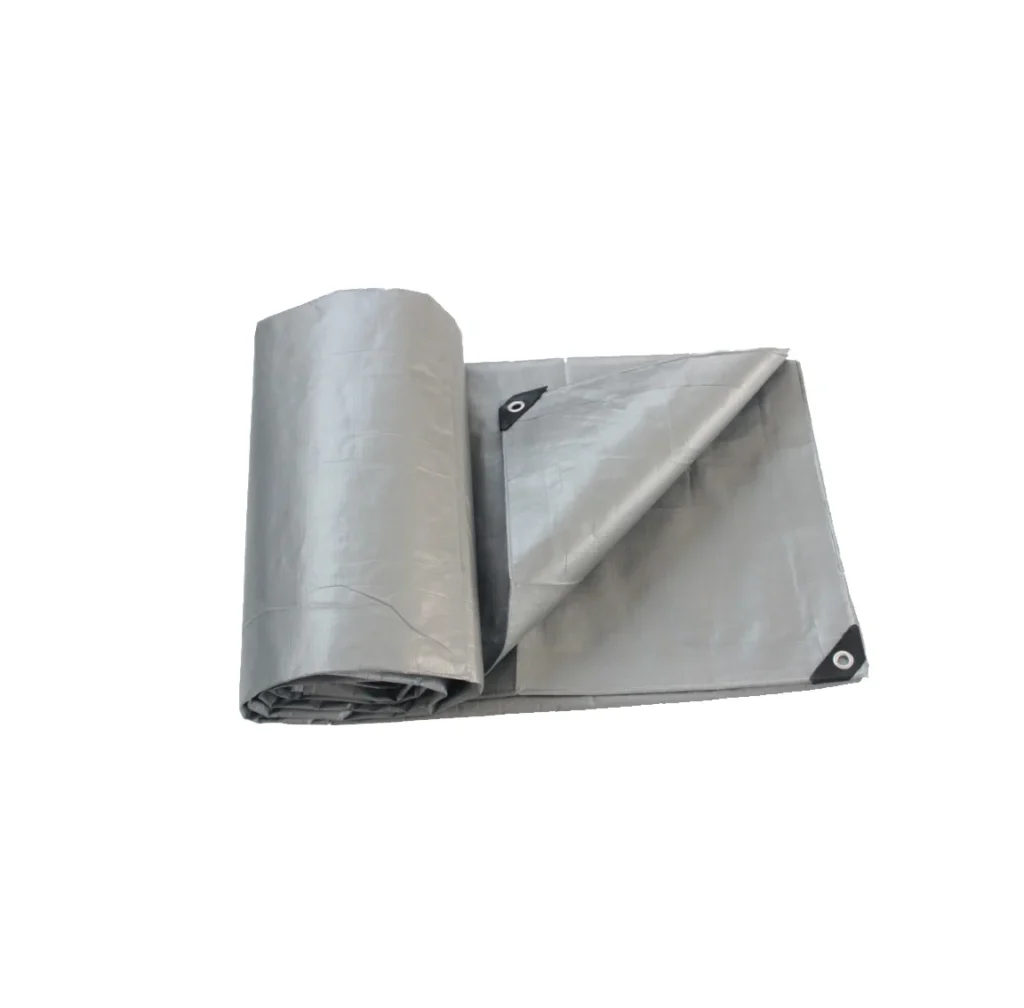
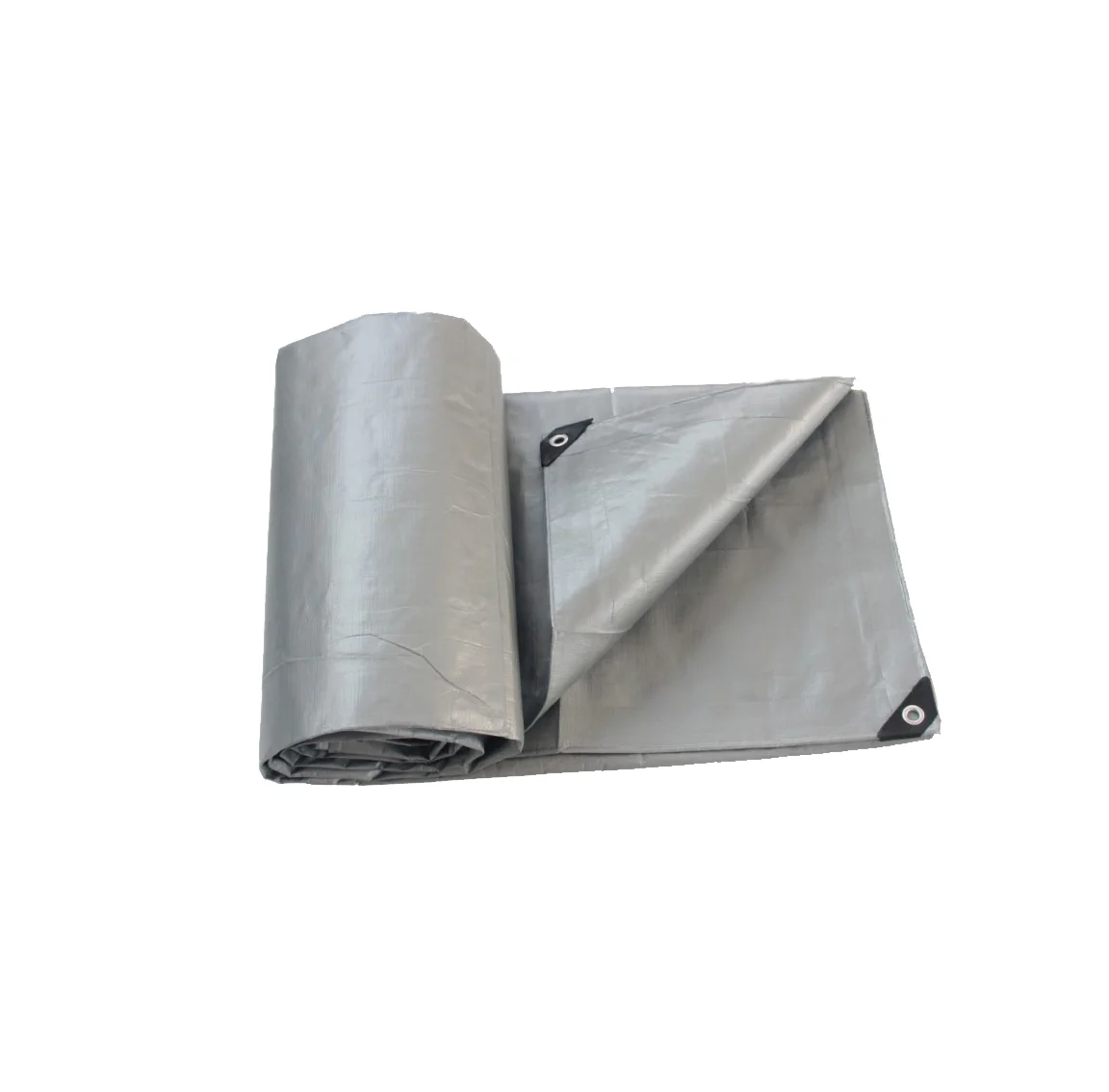
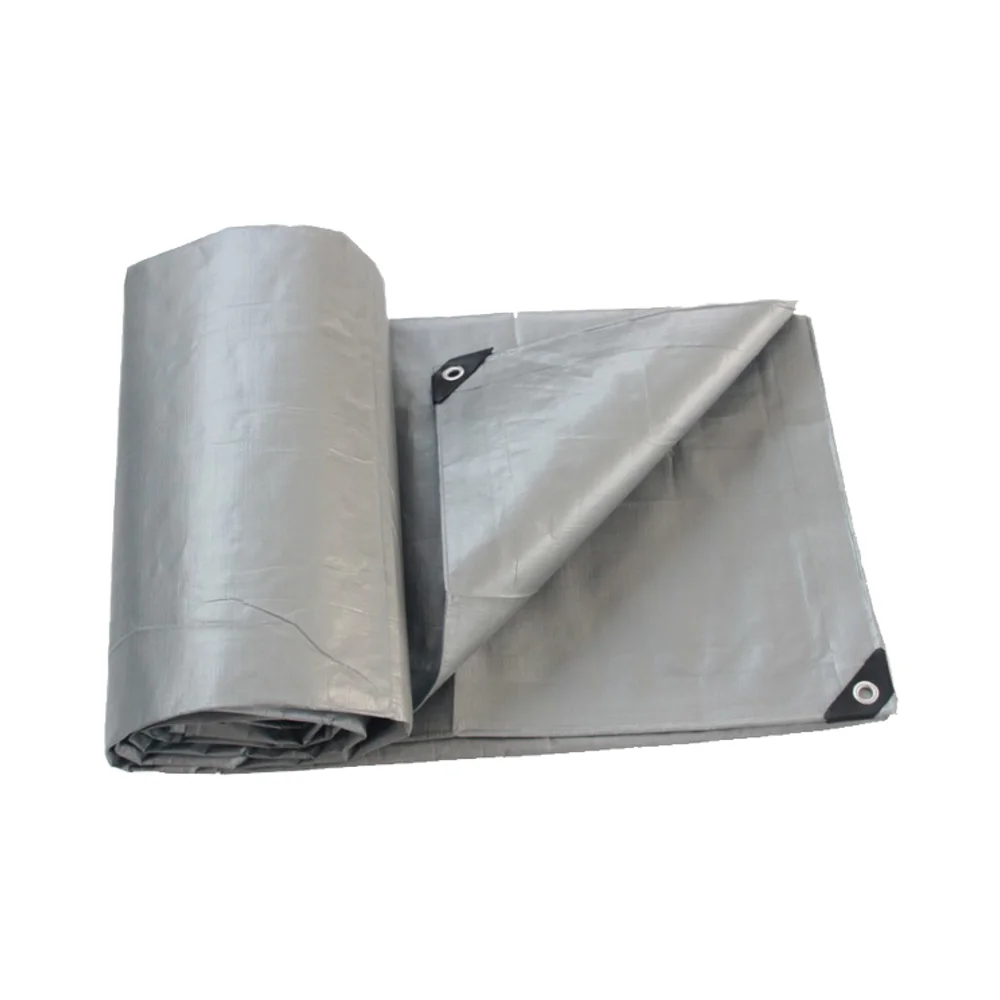
Roll-to-Roll Consistency — three full production lines and 36 sets of equipment maintain batch uniformity in GSM, weave density and colour across bulk PE tarpaulin roll orders, shipped in container-load quantities to distributors and importers worldwide.
Technical Specifications
| Parameter | Value |
|---|---|
| Product Type | PE Tarpaulin |
| Material | HDPE weaving with LDPE lamination on both sides |
| GSM Range | 50 gr/m² to 300 gr/m² (grade dependent on weave density) |
| Thickness | 0.2–0.4 mm / 8–16 mil / Custom |
| Roll Widths | 6 ft, 8 ft, 10 ft, 12 ft / 2 m, 4 m, 6 m |
| Roll Length | 100 yards, 100 meters, or custom |
| Weave Density — GSM Mapping | 6×6 (50–60 gsm), 7×7 or 7×8 (60–80 gsm), 8×8 or 9×9 (80–90 gsm), 8×10 (90–100 gsm), 10×10 (100–120 gsm), 12×12 (120–150 gsm), 14×14 (150–250 gsm), 14×16 (250–300 gsm) |
| Waterproof | Yes |
| UV Treatment | Available (test basis not stated — confirm grade for your market) |
| Mildew & Anti-Aging Resistance | Yes |
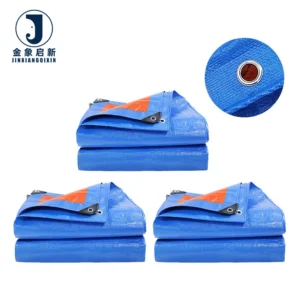
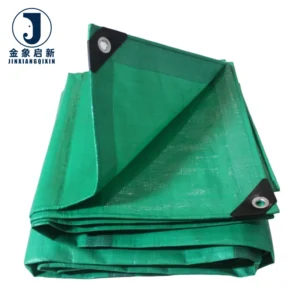
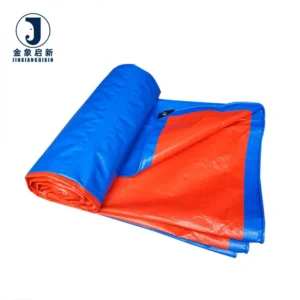
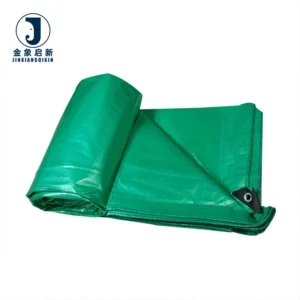
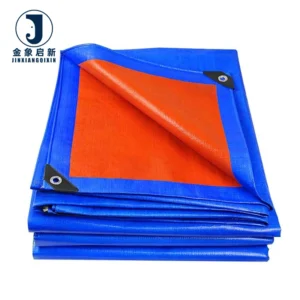
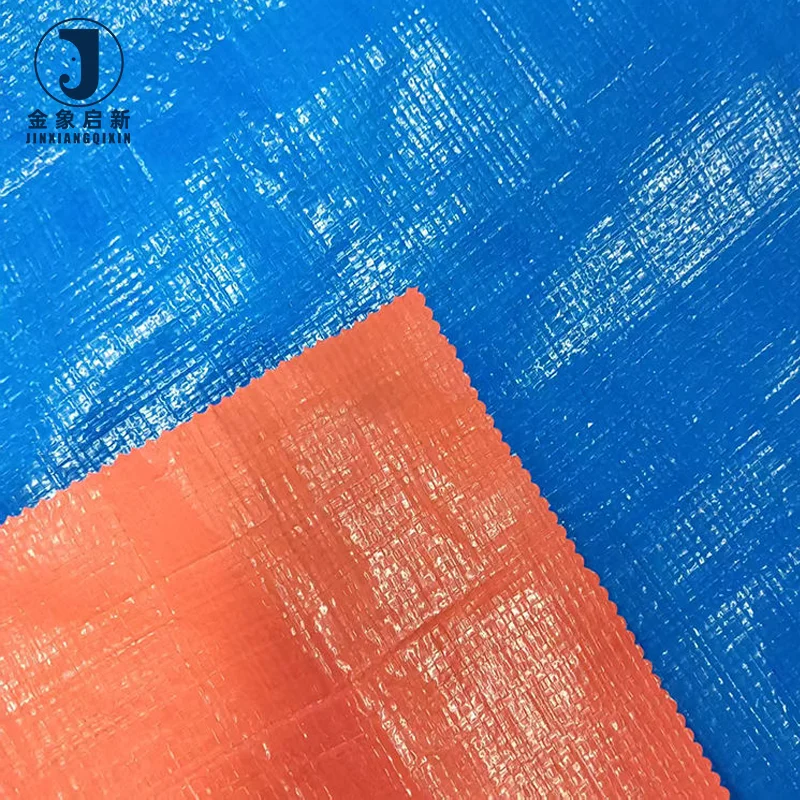
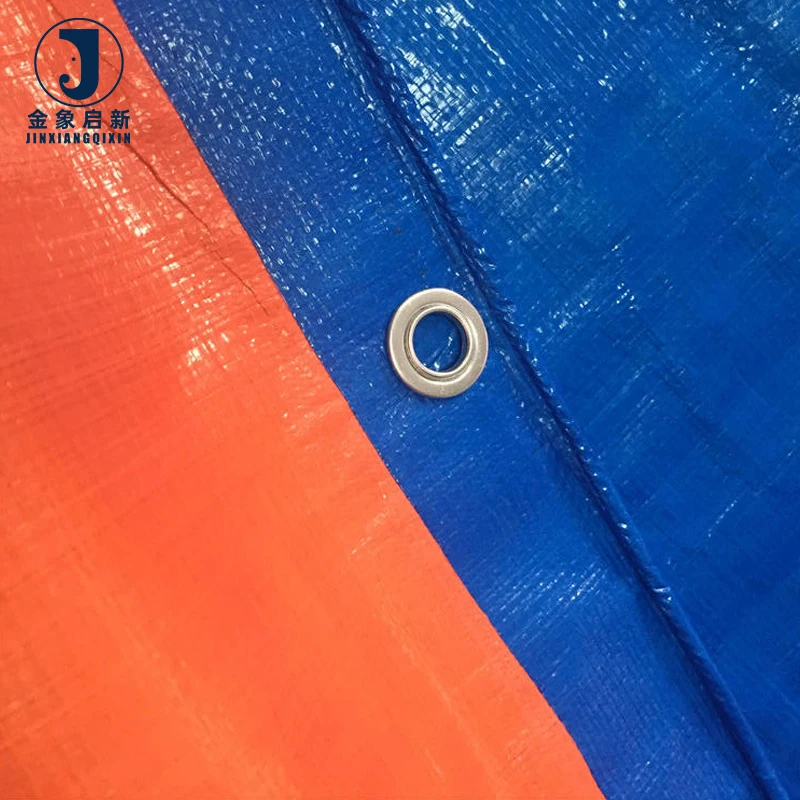
| Colour Options | Blue, Blue/Orange, Green, Grey, Black, Clear, Grey/Green, Orange, or custom |
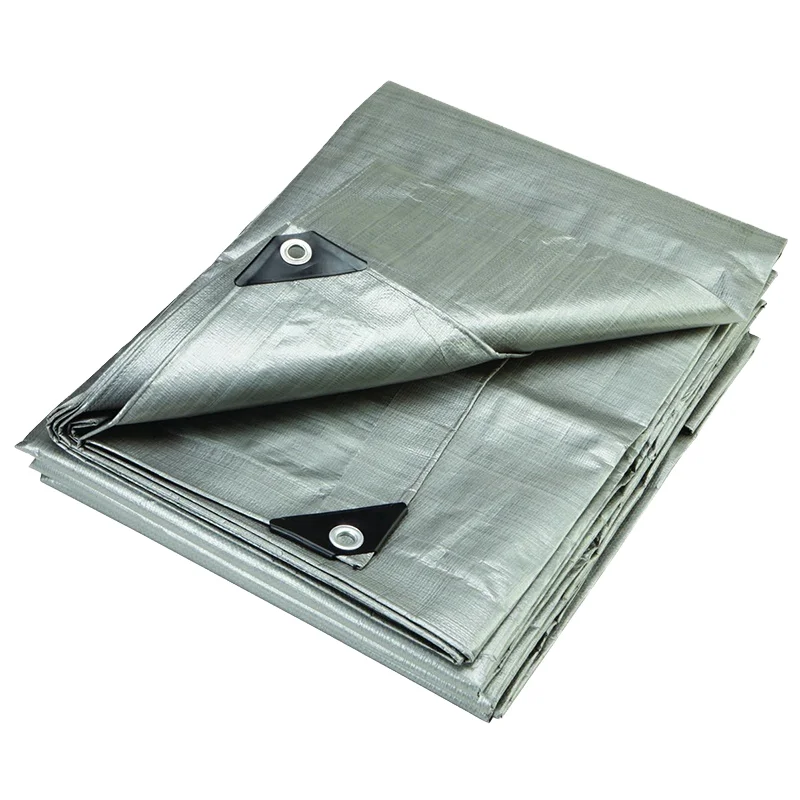
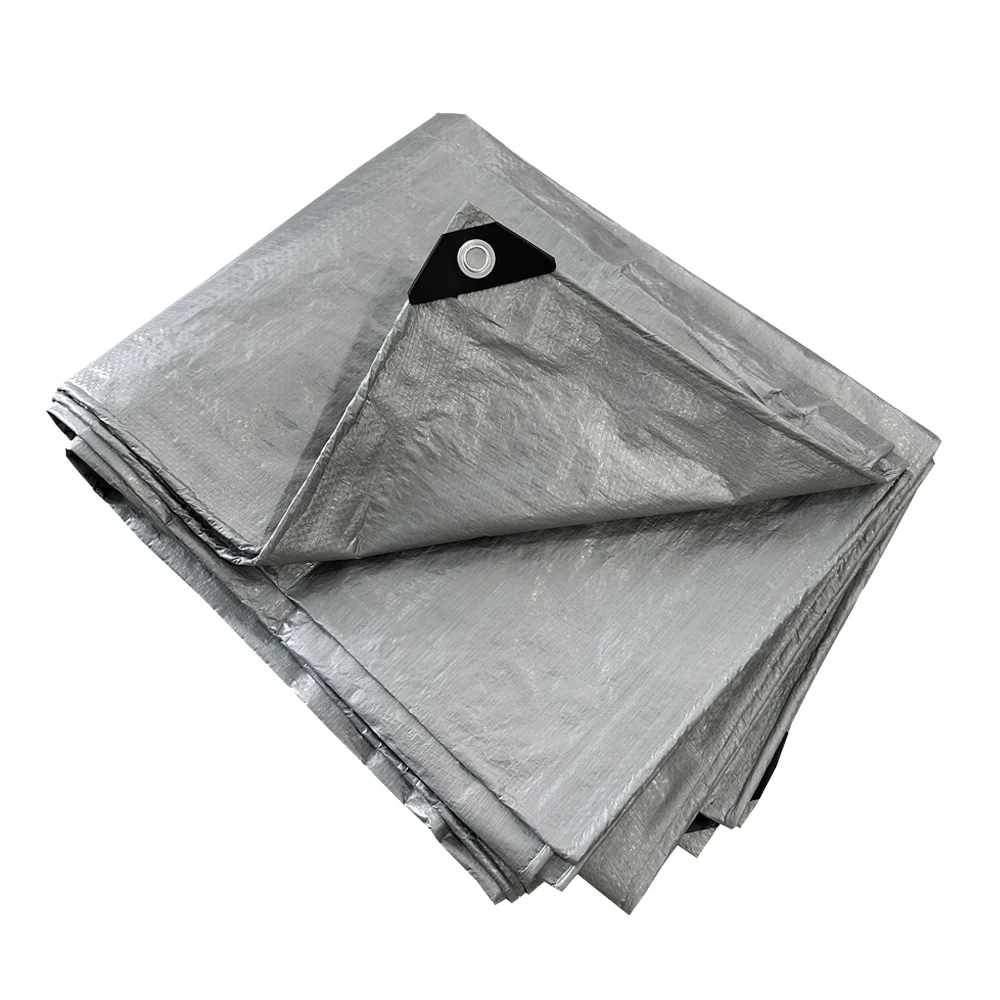
| Finished Edge Treatment | PP rope reinforced hems on all four edges |
| Eyelets | Galvanized, spaced every 3 ft or 1 m |
| Corner Reinforcement | Reinforced plastic corners |
| Standards | ISO, CE |
Application Suitability
| Application | Exposure & Requirement |
|---|---|
| Tarpaulin distributor resale stock | Multiple GSM grades and colour options required in the same container for regional market coverage |
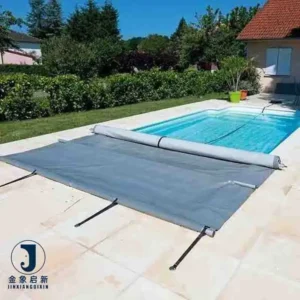
| Agricultural and aquaculture pond lining | Permanent water contact, soil chemistry exposure, puncture risk from substrate |
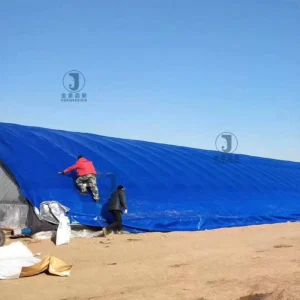
| Construction scaffolding and material wrapping | Wind loading, UV exposure, repeated installation and removal cycles |
| Truck, boat and container covers | Road abrasion, weather exposure, flexing at tie-down points |
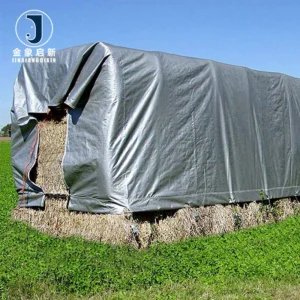
| Timber, hay and crop covering | Moisture ingress, fungal growth, extended outdoor stacking |
Why GSM Alone Does Not Tell You How Much Protection a PE Tarpaulin Roll Delivers
The weave density and lamination quality determine real-world performance far more than the stated GSM number.
Distributors ordering wholesale PE tarpaulin bulk quantities often discover that a roll labelled at one weight measures lighter on arrival, with the LDPE lamination thinner than specified and the HDPE base fabric looser in weave. This mismatch shows up first at stress points — eyelets pulling through, seams splitting under wind load, and covers tearing at fold lines during the second or third installation cycle. [NEED_CITE: GSM verification methods for woven laminated tarpaulins per ISO testing protocols]
Matching Weave Density to End-Use Demand
Every PE tarpaulin roll in this range is built on an HDPE woven base fabric with LDPE lamination applied to both sides. The eight available weave densities — from 6×6 at the lightweight end through 14×16 at the heavy end — give buyers a structured way to match material cost to the mechanical demand of the application. A 6×6 weave suits short-term crop covering and light-duty site protection, while a 14×14 or 14×16 weave handles sustained wind loads and repeated handling on scaffolding and industrial covers.
Colour Consistency Across Container-Load Orders
Batch-to-batch colour variation is a frequent complaint among importers stocking multiple rolls for regional distribution. When rolls within the same order are produced across different coating runs without centralised colour control, the mismatch becomes visible once the material is unrolled side by side at the point of sale or on a job site. This production line manages colour formulation at the LDPE compounding stage, so every roll within a single wholesale PE tarpaulin bulk order carries the same colour reference from the first metre to the last. [NEED_CITE: colour fastness test methods for laminated polyethylene fabrics]
How Lamination and Weave Interact on the Tear Path
The relationship between HDPE base fabric denier, weave density and LDPE coating weight directly governs how the material behaves when a puncture or cut initiates a tear. A higher thread count in the base weave — such as 12×12 or 14×14 — restricts tear propagation because each yarn intersection acts as a mechanical stop. The LDPE lamination on both sides then seals the weave, providing waterproof integrity and adding to the overall tensile contribution. Choosing the correct density grade therefore involves looking at both the gsm and the weave count together, rather than treating gsm as a standalone specification. A 100 gsm roll at 8×10 weave will behave differently under load than a 100 gsm roll produced at 10×10 weave with lighter yarn, and the distinction matters when the material is tensioned over a truck load or stretched across scaffolding frames. [NEED_CITE: tensile and tear test methods for laminated fabrics per ISO 1421]
The Hidden Cost of Underspecifying Roll Stock
Ordering the lowest available GSM to reduce per-square-metre cost creates downstream losses that distributors absorb in returns and replacement shipments. Rolls that are lighter than the agreed specification fail at eyelets and hem lines during the first season of use, generating warranty claims and eroding the importer’s reputation with local dealers. Similarly, when UV treatment is requested but no test basis is documented, covers become brittle after extended sun exposure, cracking at fold lines and along weld seams. Buyers who specify without verifying expose themselves to these field failures. [NEED_CITE: UV degradation mechanisms in LDPE laminated woven fabrics]
What This Supply Point Provides for Roll Buyers
Production runs are scheduled across three dedicated lines with 36 sets of professional equipment, allowing simultaneous processing of different widths and densities without cross-contamination between grades. Each PE tarpaulin roll is wound on a hard paper tube and wrapped in a protective tarpaulin sheet before dispatch, reducing transport damage that compromises the outer layers. A 10-person R&D team handles custom colour matching, non-standard widths and pattern printing, with samples developed within days for buyer approval before full production. Pre-shipment inspection covers 100 percent of rolls, with weight checks against the stated GSM recorded and provided as part of the dispatch documentation.
Documentation & Verification
- Material specification sheet stating exact GSM, weave density and LDPE coating weight per roll
- Pre-shipment inspection record with roll-by-roll weight verification against the quoted specification
- Container loading plan listing roll count, bale count and tonnage for the booked container size
- Colour reference confirmation ensuring all rolls in the order match the approved sample
- Certificate of origin and customs documentation prepared per destination country requirements
Fabrication, Handling & Storage
- Heat welding parameters should be adjusted for the specific LDPE lamination thickness of the chosen GSM grade
- Galvanized eyelets at 3 ft or 1 m intervals require reinforced plastic corners at high-load anchor points
- Rolls stored on hard paper tubes must be kept upright to prevent flat-spot deformation of the outer layers
- Finished sheets with PP rope hems should be folded along the same lines each time to avoid new crease cracks
- Cutting layouts for custom sizes should account for the 2 m, 4 m or 6 m roll width to minimise offcuts
What to Include in Your Enquiry
To receive an accurate specification and lead time, provide the target GSM and weave density, or describe the end-use application so that the correct grade can be recommended. Specify the required roll width and length, the colour reference or custom colour match needed, and whether UV treatment is required for your market. Confirm whether you need rolls only, or finished sheets with eyelets and hem reinforcement, along with the expected annual volume and container loading preference.
Frequently Asked Questions
Q: How do you verify GSM matches the quotation on every roll shipped?
A: Every PE tarpaulin roll is weighed individually during pre-shipment inspection. The measured GSM is recorded against the agreed specification and included in the inspection report provided with the shipment, so buyers can cross-reference the documentation on arrival without conducting their own destructive testing.
Q: What is the colour consistency guarantee across multiple rolls in the same order?
A: Colour is controlled at the LDPE compounding stage before lamination, ensuring all rolls within a single wholesale PE tarpaulin bulk order carry the same colour reference. An approved sample is retained as the benchmark, and production rolls are visually checked against it during inspection.
Q: How are PE tarpaulin rolls packed and loaded to maximise container capacity?
A: Rolls are wound on hard paper tubes and wrapped in tarpaulin sheet for protection. Loading by roll yields higher tonnage per 20-foot container, while baled or carton-packed finished sheets offer different density options depending on whether the buyer stocks rolls or pre-cut sizes.
Q: What custom widths and lengths are available for bulk roll orders?
A: Standard roll widths run from 2 m to 6 m with imperial equivalents up to 12 ft, and lengths are typically 100 yards or 100 metres. Non-standard widths and lengths are available subject to minimum order confirmation. Sample rolls are produced for buyer approval before the full run begins.
Q: How do I choose the right weave density and GSM grade for my application?
A: The eight density options are mapped to specific GSM ranges — lighter weaves like 6×6 suit short-term covers, while 12×12 and above handle sustained mechanical loads. Provide the end-use description and exposure conditions, and a grade recommendation is supplied with the corresponding specification sheet.