Description
Batch-Consistent Roll Stock — every PE tarpaulin roll is inspected against the spec sheet for GSM, colour and coating adhesion before container loading.
Technical Specifications
| Parameter | Value |
|---|---|
| Product Type | PE Tarpaulin Roll / Finished PE Tarpaulin |
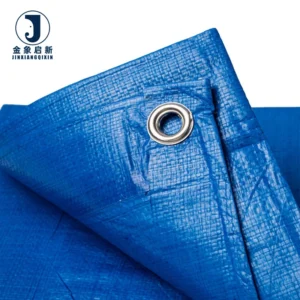
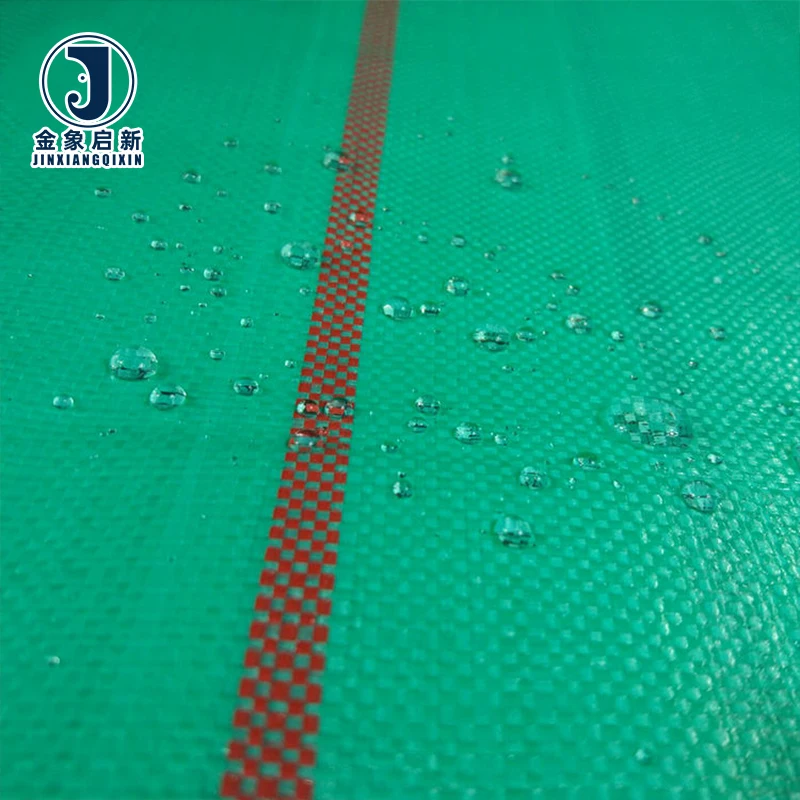
| Base Fabric | HDPE woven |
| Coating Material | LDPE laminated on both sides |
| Weight (GSM) | 50gr/m² ~ 220gr/m² available (confirm the grade for your order) |
| Total Thickness | 0.2-0.4mm / 8 mil-16 mil / Custom |
| Roll Width | 2m, 4m, 6m (6ft, 8ft, 10ft, 12ft) |
| Roll Length | 100 yards, 100 meters, or custom |
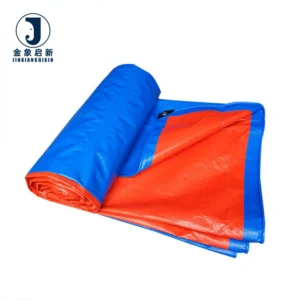
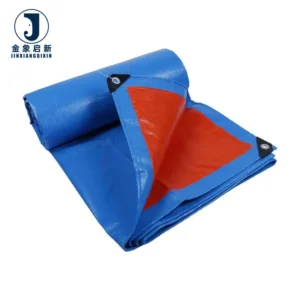
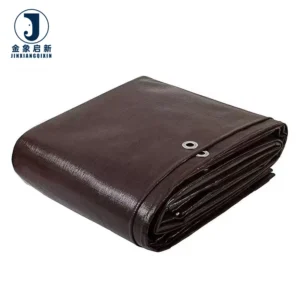
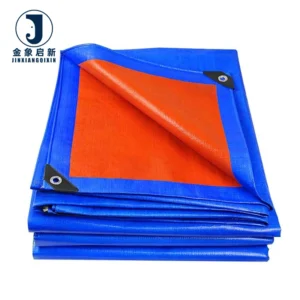
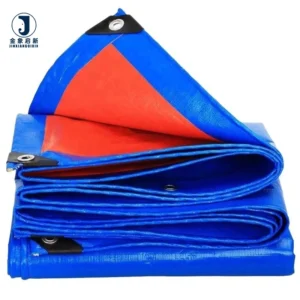
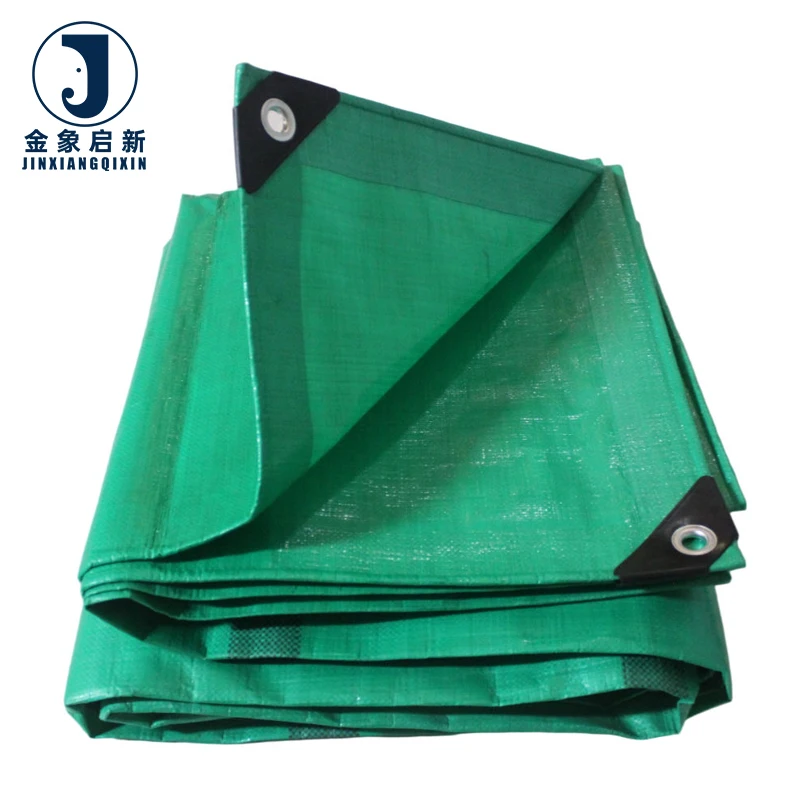
| Colour Options | Blue, Blue/Orange, Green, Grey, Black, Clear, Grey/Green, Orange, or custom |
| UV Treatment | Available (test basis not stated — confirm requirement) |
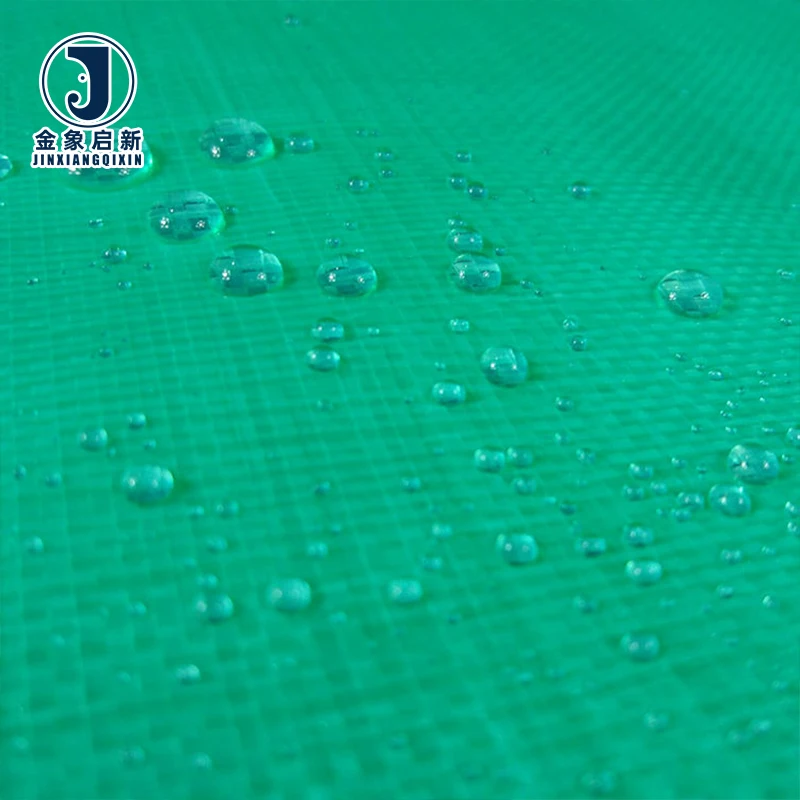
| Key Features | Waterproof, washable, tear resistant, weather proof, mildew proof, anti-aging |
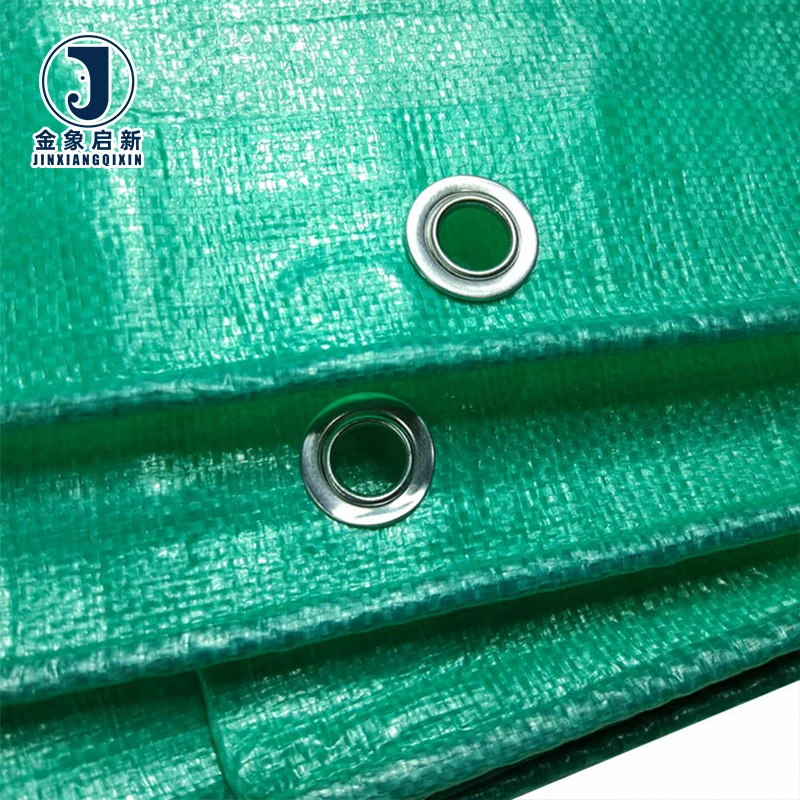
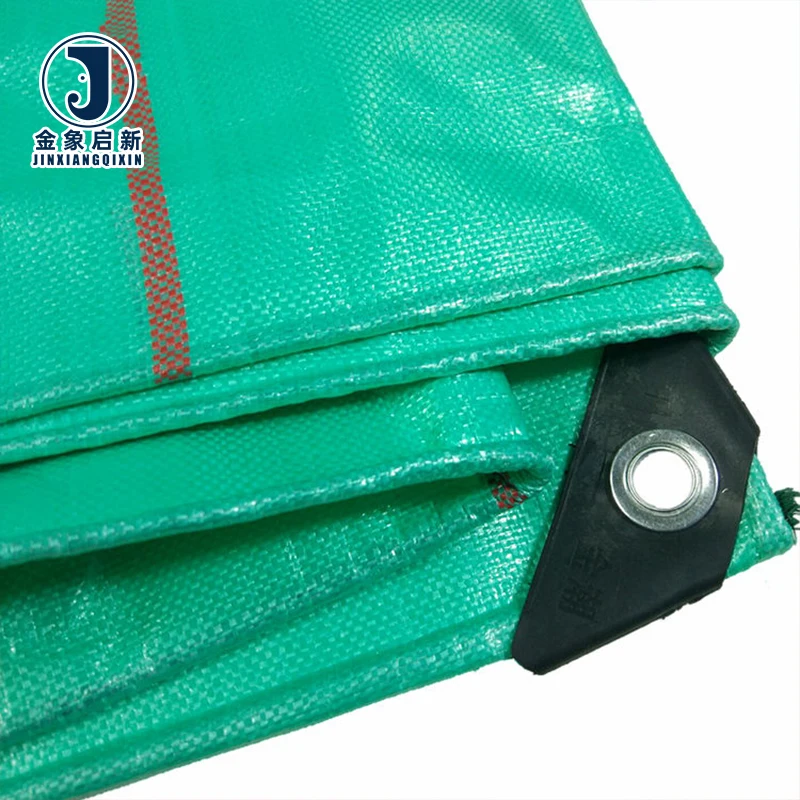
| Finished Sheet Edge | PP rope reinforced hem on all four edges |
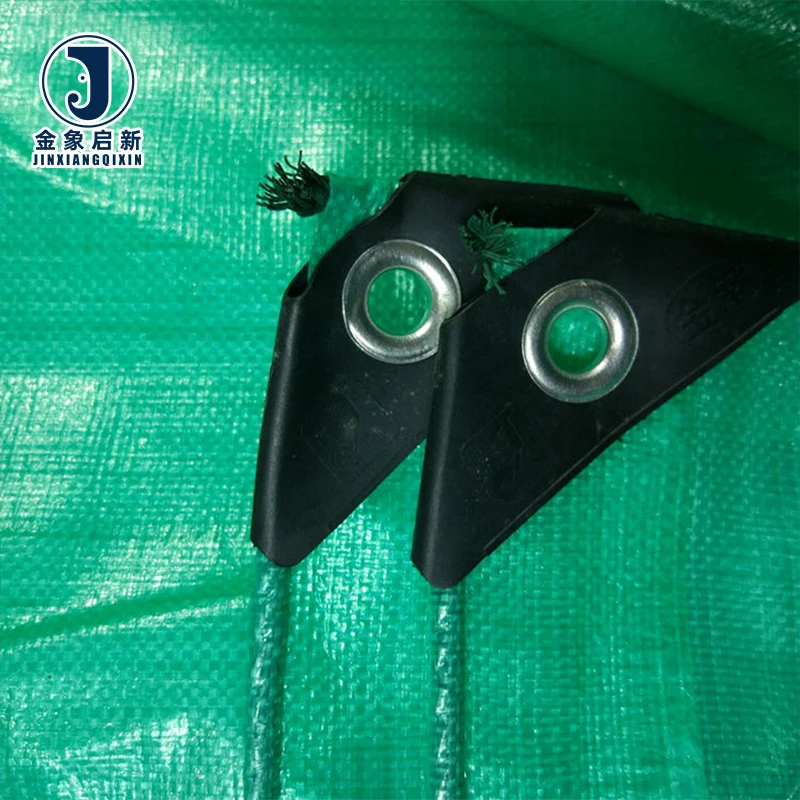
| Eyelets | Galvanised, every 3ft or 1 meter interval |
| Corners | Reinforced plastic corners |
| Finished Sizes | 2x2m through 8x10m and equivalent imperial sizes |
| Standards | ISO, CE |
Application Suitability
| Application | Exposure & Requirement |
|---|---|
| Tarpaulin distributors and importers | Full container-load purchasing demands roll-to-roll colour and GSM consistency for downstream resale without sorting or regrading |
| Logistics and transport fleets | Finished PE covers must withstand tie-down tension at eyelets, road-splash moisture and UV exposure during multi-day transit |
| Agricultural and aquaculture operators | Stockpile covers and pond liners require continuous waterproof contact with soil chemistry, standing water and mechanical abrasion from equipment |
| Construction contractors | Site protection sheets face foot traffic, debris impact and prolonged weather exposure before the structure is enclosed |
Why GSM Quoted Is Not Always GSM Delivered
A quotation stating 140gr/m² means nothing if the roll on the dock weighs 115gr/m².
Tarpaulin importers repeatedly face a pattern: the sample approved before the order was cut from a heavier grade, while the production run ships at the lower end of tolerance — or below it. When PE tarpaulin roll stock arrives underweight, the material feels thinner, tears more easily at the hem and fails to hold eyelets under load [NEED_CITE: pre-shipment weight verification methods for coated fabrics]. The cost of discovering this after the container is unpacked and the material is already on site is not just the price difference between grades; it is the labour to remove, replace and reschedule the covering work. Buyers who specify wholesale bulk volumes are especially exposed because the variance can shift from roll to roll inside the same shipment.
Roll Width Strategy for Container-Load Efficiency
Selecting the right roll width is a loading geometry problem before it is a material problem. A 4 m roll and a 6 m roll occupy different floor footprints inside a 40 ft container, and the unused air space between rolls determines how many linear metres of PE tarpaulin roll you actually land at your destination port. Distributors ordering mixed-width shipments need a loading plan that accounts for roll diameter, which increases with heavier GSM grades, and the stacking orientation that prevents crushing the bottom layer.
Colour Matching Across a Multi-Roll Shipment
Colour variation between rolls becomes visible the moment two sheets are laid side by side on a truck bed or a construction hoarding. Controlling this requires locking the colour reference at the order stage and holding the pigment batch constant throughout the production run. When a PE tarpaulin wholesale order spans dozens of rolls, even a slight shift in LDPE lamination temperature can alter the surface gloss and perceived shade [NEED_CITE: colour consistency standards for laminated PE sheeting]. Buyers who serve retail or visible-hoarding markets should request a roll-to-roll colour check in the pre-shipment inspection record.
Reading the Specs Beyond the GSM Number
The GSM value tells you the total weight of HDPE yarn and LDPE coating combined per square metre, but it does not reveal how that weight is distributed. A 140gr/m² fabric with a dense base weave and thinner lamination will tear differently from one that achieves the same weight through heavy coating on a loose weave. The HDPE woven base carries the tensile and tear load, while the LDPE lamination provides waterproofing and surface abrasion resistance. Roll widths from 2 m to 6 m affect how many seams are needed to cover a given area — wider rolls reduce splice lines on large stockpiles or pond liners, which are common failure initiation points. The galvanised eyelets at 1 m or 3 ft intervals, combined with PP rope hems, distribute tie-down forces across the edge rather than concentrating stress on a single puncture point.
The Hidden Cost of Underspecifying Roll Stock
Ordering the cheapest GSM grade that "should work" creates downstream costs that never appear on the purchase order. A lighter roll may save on the initial invoice, but when the lamination delaminates at a fold crease during the first winter, the entire sheet must be pulled off and replaced — labour, downtime and disposal included. Distributors who resell to contractors carry the reputational cost when a batch fails in the field [NEED_CITE: delamination failure modes in laminated PE tarpaulins]. Similarly, accepting a generic colour without locking a reference means the blue on roll three will not match roll seven once installed on adjacent trailers, triggering a complaint that costs more to resolve than the price differential between two pigment batches.
Why Source PE Tarpaulin Bulk Orders Through This Line
Three full production lines and 36 sets of professional equipment support container-load volumes without splitting an order across different machines that may produce slightly different coating weights. A 10-person R&D team develops samples within days when a distributor needs a custom width or colour locked before the main production run. Dedicated QA/QC at every production stage means the HDPE weaving, LDPE lamination and finished eyelet insertion are each checked independently — not just at final packing. Nearly 30 years of focused coated-fabric production provides the process control needed to hold GSM tolerance tight across a long run. Pre-shipment inspection records with roll-by-roll weight verification travel with the documentation package, so the buyer can reconcile delivery against the original specification without guesswork.
Documentation & Verification
- Material specification sheet stating GSM, base fabric denier and LDPE coating weight per roll batch
- Pre-shipment inspection record with individual roll weight measured against the quoted GSM
- Roll packing list detailing roll count, net weight and container loading sequence
- Colour reference card matched to the pigment batch used for the production run
- Certificate of origin and customs documentation for international PE tarpaulin roll shipments
Fabrication, Handling & Storage
- Heat-seal LDPE-coated seams at temperatures matched to the lamination thickness — overheating degrades the HDPE base yarn
- Install galvanised eyelets through the PP rope hem to spread tie-down load across the reinforced edge
- Store rolls upright on end-caps to prevent flat-spot deformation on the bottom layer of the lamination
- Unfold finished sheets in temperatures above freezing to avoid crease-cracking the LDPE surface
- Clean with mild detergent; avoid solvent-based cleaners that can soften the LDPE lamination layer
- Plan cutting layouts around the 2 m to 6 m roll widths to minimise off-cuts and seam splices
What to Include in Your PE Tarpaulin Inquiry
Specify the end-use environment — whether the rolls will be converted into truck covers, resold as retail sheeting or deployed directly on construction sites — so the correct GSM grade and UV treatment level can be recommended. State the required roll width, roll length and total linear metres or container-load quantity. If finished sheets are needed, provide the cut sizes and confirm eyelet spacing preference. For colour-critical applications, indicate whether a Pantone or RAL reference is required and request a production sample before the main run.
Frequently Asked Questions
Q: How is GSM verified per roll before shipment?
A: Each roll is weighed individually on calibrated scales and the result is recorded against the quoted GSM on the pre-shipment inspection report. Rolls falling outside the agreed tolerance are pulled from the batch and replaced before the container is sealed, so the buyer receives a documented weight reconciliation with the packing list.
Q: What roll widths and lengths are available for bulk orders?
A: Standard widths are 2 m, 4 m and 6 m, with imperial equivalents from 6 ft to 12 ft. Roll lengths are typically 100 yards or 100 metres, and custom lengths can be produced to match a distributor’s converting equipment. Confirm the width-length combination early to plan container loading geometry.
Q: How do you control colour consistency across rolls in the same order?
A: The pigment batch is locked at the order confirmation stage, and all rolls in one shipment are produced consecutively on the same lamination line. A roll-to-roll visual check under controlled lighting is included in the pre-shipment inspection, and the colour reference card is retained for any future reorders.
Q: What are the eyelet spacing and hem reinforcement options?
A: Standard finished sheets carry galvanised eyelets at 1 m or 3 ft intervals along all four edges, with PP rope threaded through the hem for load distribution. Reinforced plastic corners are fitted at each corner. Custom eyelet spacing or additional reinforcement patches at high-stress points can be specified for transport and fleet applications.
Q: How many rolls fit in a 20 ft or 40 ft container?
A: The count depends on roll width, GSM grade and whether the rolls are palletised or floor-loaded. Heavier GSM grades produce larger roll diameters, reducing the number of rolls per container row. A detailed loading plan with roll count and net weight is provided at the quotation stage so the buyer can calculate landed cost per linear metre accurately.