Description
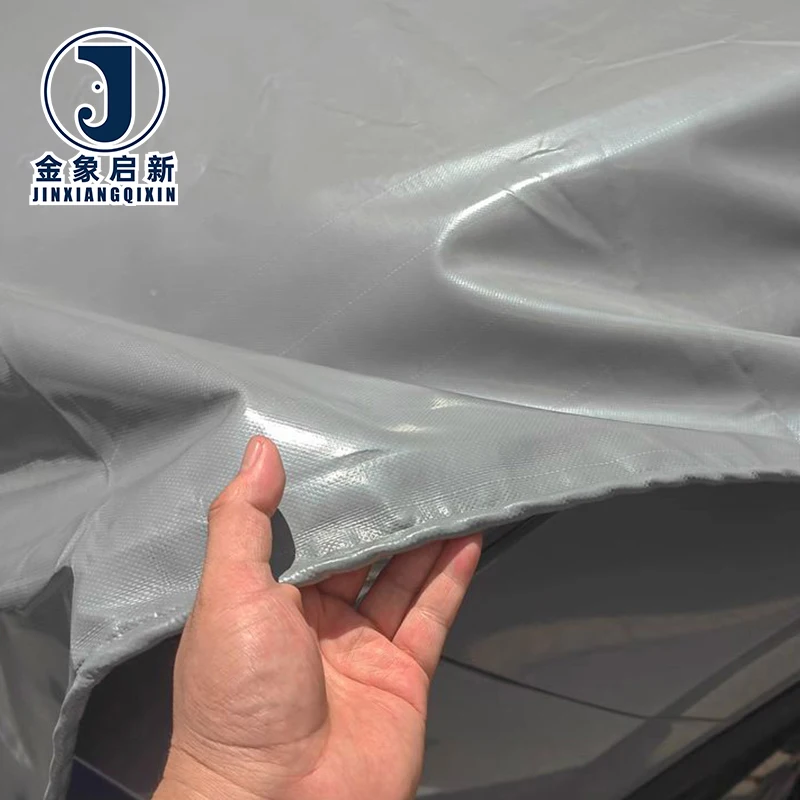
Batch-Verified Roll Stock — Every roll of our PVC inflatable tent fabric ships with documented GSM and colour-match data, eliminating variance across container-load orders.
Technical Specifications
| Parameter | Value |
|---|---|
| Product Type | Inflatable Tent |
| Core Material | PVC Tarpaulin |
| Key Performance | Waterproof, UV-resistant (test basis not stated), Tear-resistant (test basis not stated) |
| Customization Service | OEM & ODM (sample customization, pattern printing, size modification, material thickness adjustments) |
| R&D Team Scale | 10 technicians |
| Production Facility Area | 9,180 square meters |
| Production Lines | 3 full production lines |
| Processing Equipment | 36 sets of professional processing equipment |
| Quality Control System | Full-process inspection with dedicated QA & QC staff, sample testing before mass production |
| Certifications | ISO 9001, ISO 14001, ISO 45001, CE |
Application Suitability
| Application | Exposure & Requirement |
|---|---|
| Tent and inflatable manufacturing | High-frequency cutting and welding, demand for roll-to-roll colour and weight consistency across production runs |
| Tarpaulin distribution and import | Stocking multiple GSM grades and widths for regional resale, requiring verified batch documentation for downstream buyers |
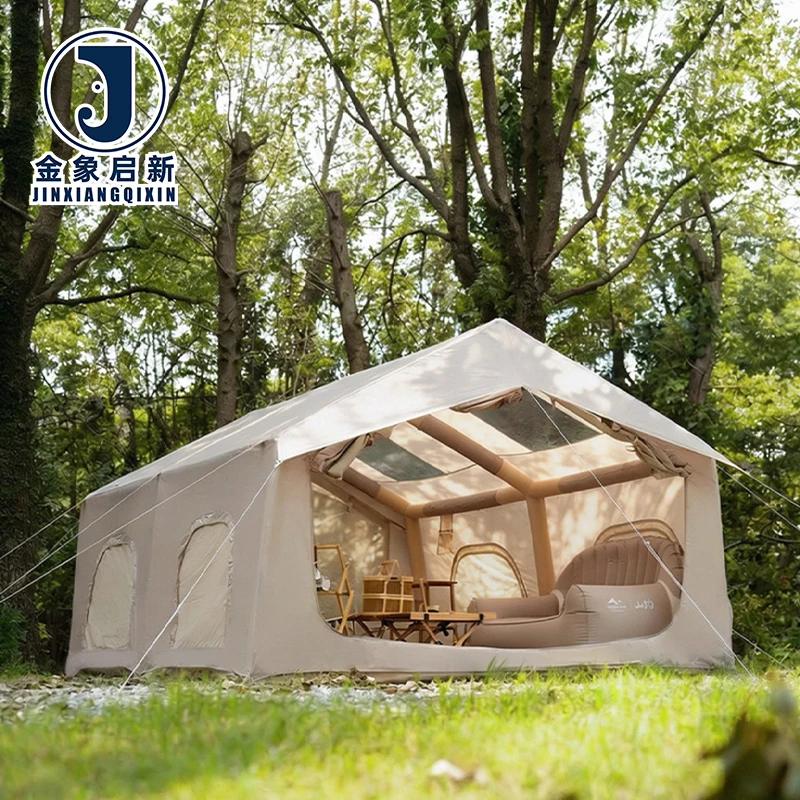
| Outdoor event and glamping fleet deployment | Repeated inflation cycles, UV exposure, ground abrasion, and requirement for uniform appearance across multiple units |
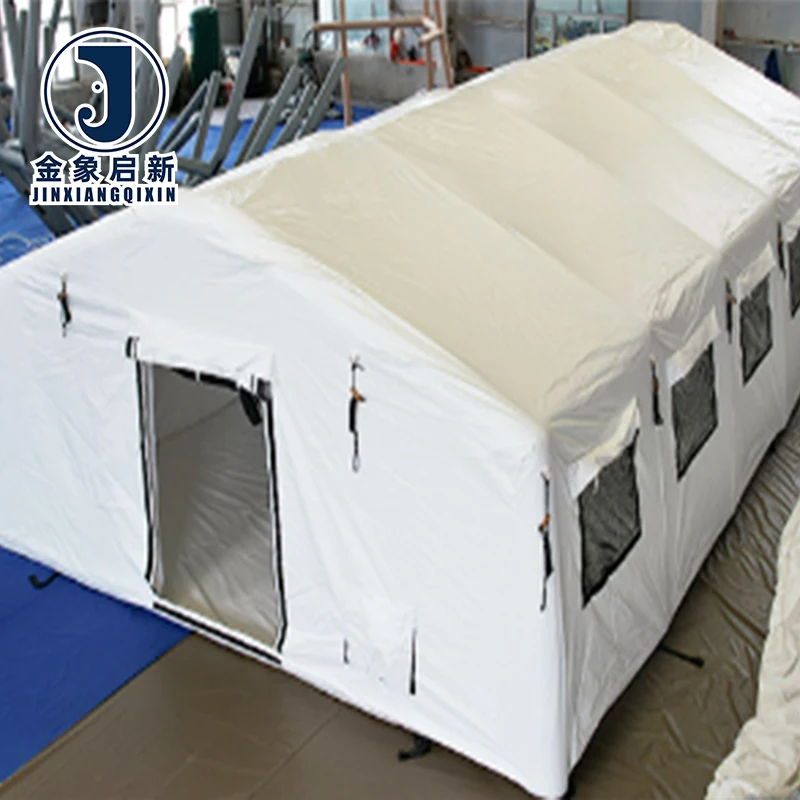
| Industrial shelter fabrication | Prolonged outdoor weathering, structural load from inflation pressure, resistance to puncture during installation |
Why Batch Colour Drift Destroys Tent Production Margins
Colour varying between rolls in the same order is visible the moment two tent panels are installed side by side — and by then, the fabric is already cut.
Buyers sourcing PVC inflatable tent material in volume often discover shade differences only after production has started. One roll may skew slightly warmer, the next cooler, even when both are labelled the same Pantone reference. This inconsistency forces fabricators to sort and re-match rolls manually, wasting cutting time and inflating scrap rates [NEED_CITE: colour consistency standards for coated fabrics in tent manufacturing]. When the final product is a glamping dome or event marquee where visual uniformity matters, the cost of rework far exceeds the material saving from choosing a lower-priced supplier.
Roll-Stock Consistency as a Production Input
Manufacturers of inflatable tents treat PVC inflatable tent fabric as a raw input, not a finished good. That means every roll entering the cutting table must behave identically — same GSM, same coating adhesion, same weld temperature response. Our three production lines maintain coating weight within documented tolerances, and each batch is tracked from mixing through to roll wrapping.
Colour Matching Across Container-Load Volumes
When an order spans dozens of rolls, even minor pigment batch shifts accumulate. Our process controls pigment dispersion at the compounding stage, ensuring that rolls produced on different days within the same purchase order match under both natural and artificial light [NEED_CITE: spectrophotometric colour evaluation methods for PVC-coated textiles]. This matters especially for tent manufacturers producing matching sets of inflatable structures for festival or resort installations.
Decoding GSM, Coating Weight, and Tear Performance
GSM alone does not define how PVC inflatable tent roll material performs under inflation pressure. The base fabric denier and weave density determine the structural skeleton, while the PVC coating weight governs waterproofing and weldability. A lighter base fabric with heavy coating may show high GSM but tear easily along the warp. Conversely, a high-denier base with controlled coating delivers both tensile stability and reliable heat-weld seams. The relationship between base fabric construction and coating ratio is what our material specification sheet documents per batch, giving fabricators the data needed to set welder temperature and pressure.
The Hidden Cost of Undocumented Roll Variance
A roll that arrives lighter than quoted GSM effectively reduces the structural margin of every tent panel cut from it. For inflatable tents, where internal air pressure places constant tension on seams, a fabric that is even marginally below specification can shift the failure point from the base cloth to the weld line [NEED_CITE: seam strength testing for welded PVC tarpaulin per ISO 1421]. Similarly, flame retardant grades that lack a stated test standard create compliance risk at the installation site — event venues and municipal authorities routinely request certification that names the specific test method. We supply flame retardant grades on request and confirm the applicable standard before production begins.
Why Fabricators Source Inflatable Tent Fabric Here
Our 9,180-square-meter facility houses 36 sets of processing equipment dedicated to coated fabric, giving us direct control over coating weight and adhesion at every stage. A 10-person R&D team develops custom thickness, colour, and print samples within days, allowing buyers to validate material on their own welders before committing to bulk. Each roll undergoes 100% pre-shipment inspection, and batch-specific test data accompanies the dispatch — not as an optional extra, but as standard documentation.
Documentation & Verification
- Material specification sheet stating GSM, base fabric denier, coating weight, and colour reference per roll batch
- Pre-shipment inspection record confirming 100% inspection against stated specifications before dispatch
- Roll packing list detailing roll count, individual roll weight, and container loading plan for logistics coordination
- Certificate of origin and customs documentation supporting international shipment clearance
- UV and flame retardant test reports provided where applicable grades are specified in the order
Fabrication, Handling & Storage
- Set hot-air welder temperature based on the stated coating weight — PVC inflatable tent fabric with higher GSM requires adjusted dwell time
- Store rolls horizontally on pallets to prevent edge creasing that transfers visible marks onto tent panels
- Allow rolls to acclimate to workshop temperature before unrolling to avoid condensation between coating layers
- Use Teflon-coated welding belts to prevent surface gloss variation on matte-finish inflatable tent rolls
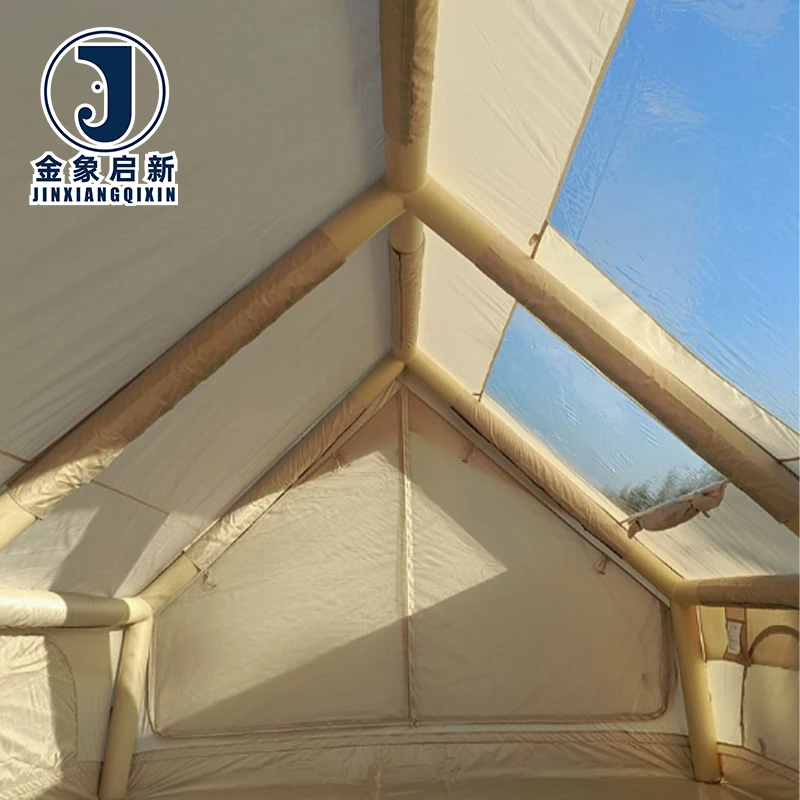
- Plan cutting layout around roll width to minimize weld seams in high-stress structural zones of inflatable beams
Specifying Your Roll Order
To move from inquiry to sample, provide the intended tent structure type, target GSM range, and required roll width for your production line. If your market mandates a specific flame retardant or UV test standard, state the reference so we can match the grade before sample development. Let us know whether you require plain rolls or custom pattern printing, and the estimated annual volume so we can confirm batch allocation.
Frequently Asked Questions
Q: How do you confirm that the GSM on arrival matches the quotation?
A: Every roll is weighed and recorded during pre-shipment inspection. The inspection report shipped with the order lists the actual GSM per roll against the quoted value, so you can verify weight on your receiving dock without additional testing.
Q: How do you ensure colour consistency across multiple rolls in the same order?
A: Pigment is compounded at the batch level, and rolls within one purchase order are produced from the same pigment lot. We supply a colour reference sample with the shipment for your visual or spectrophotometric comparison on arrival.
Q: What roll widths and lengths are available for inflatable tent production?
A: We supply stock widths suited to standard tent panel cutting and can slit to custom widths on request. Roll length is set to your specification, optimizing container loading and minimizing end-of-roll waste on your production floor.
Q: How are rolls packed to survive ocean freight without damage?
A: Each roll is wrapped in protective film and packed horizontally on pallets. The packing list details roll count and gross weight per pallet, allowing your freight forwarder to plan container loading and prevent compression damage during transit.
Q: What is the process and timeline for requesting a pre-production sample?
A: Submit your required thickness, colour, and print specifications. Our R&D team develops a sample roll for your weld testing and approval before bulk production begins, ensuring the material performs correctly on your equipment.