Description
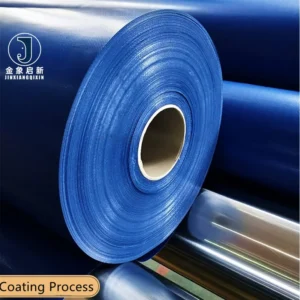
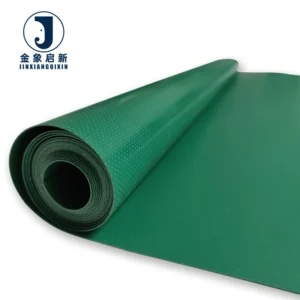
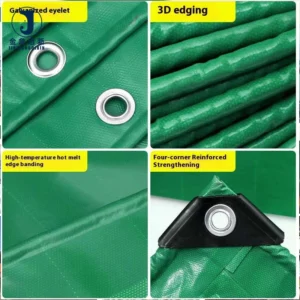
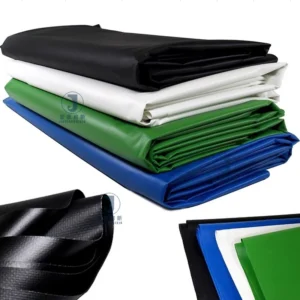
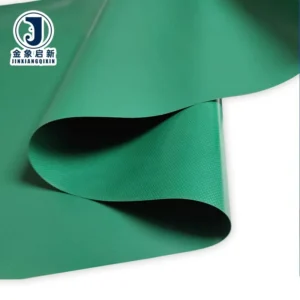
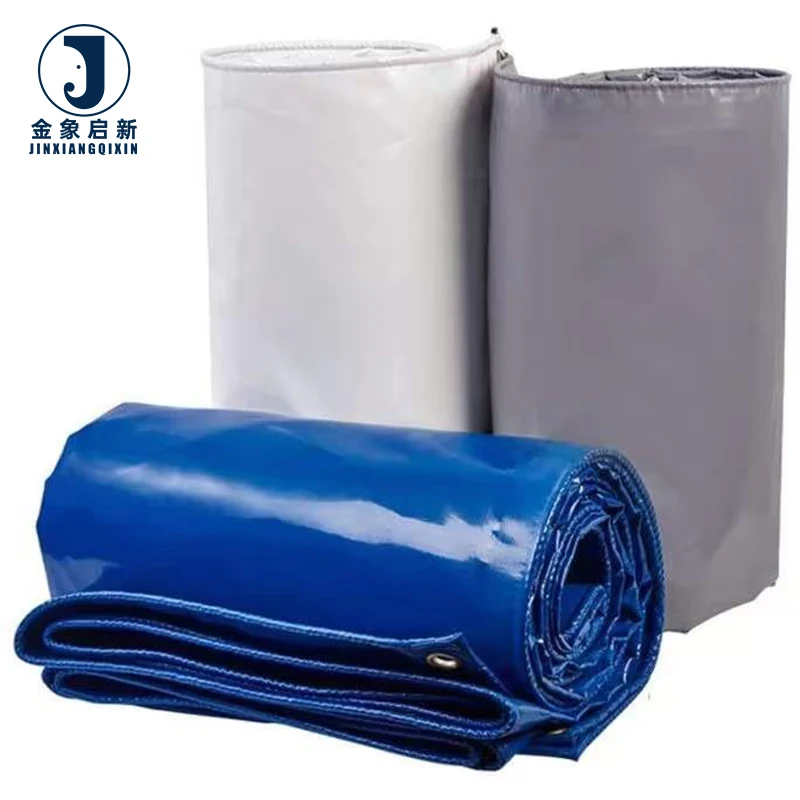
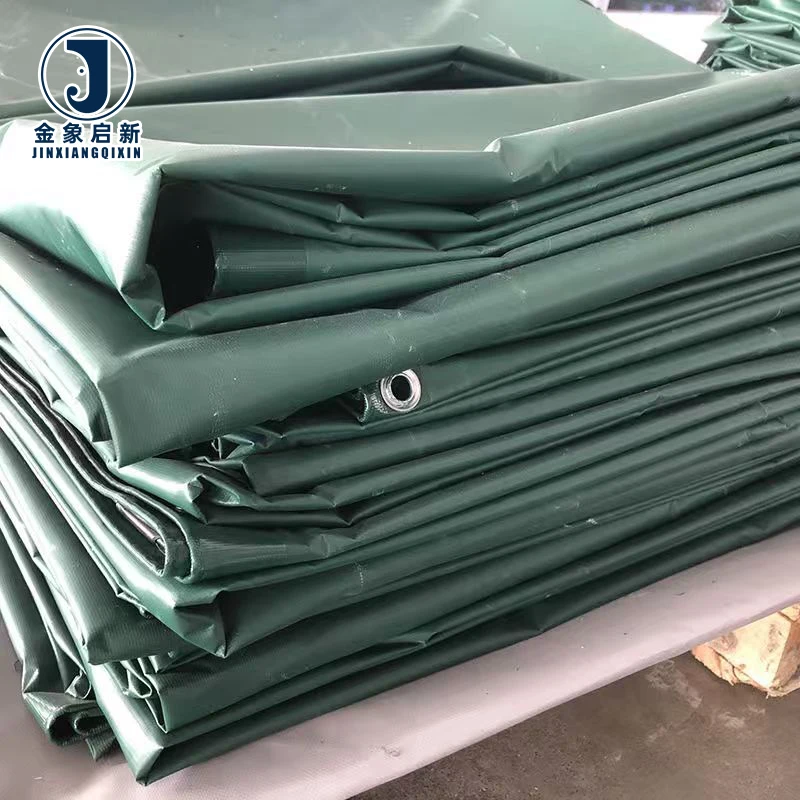
Roll Consistency Control — Every roll of PVC coated tarpaulin is weighed and color-checked against the batch master before container loading, eliminating the drift that causes side-by-side panels to mismatch on the fabrication floor.
Technical Specifications
| Parameter | Value |
|---|---|
| Product Type | PVC Tarpaulin Roll |
| Coating Material | PVC |
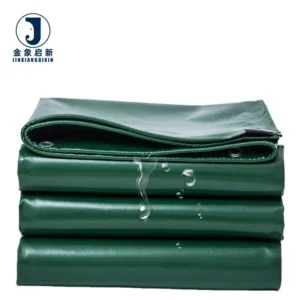
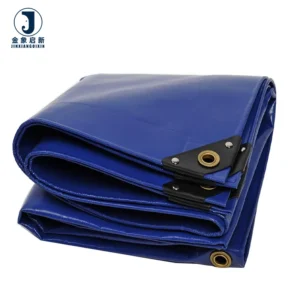
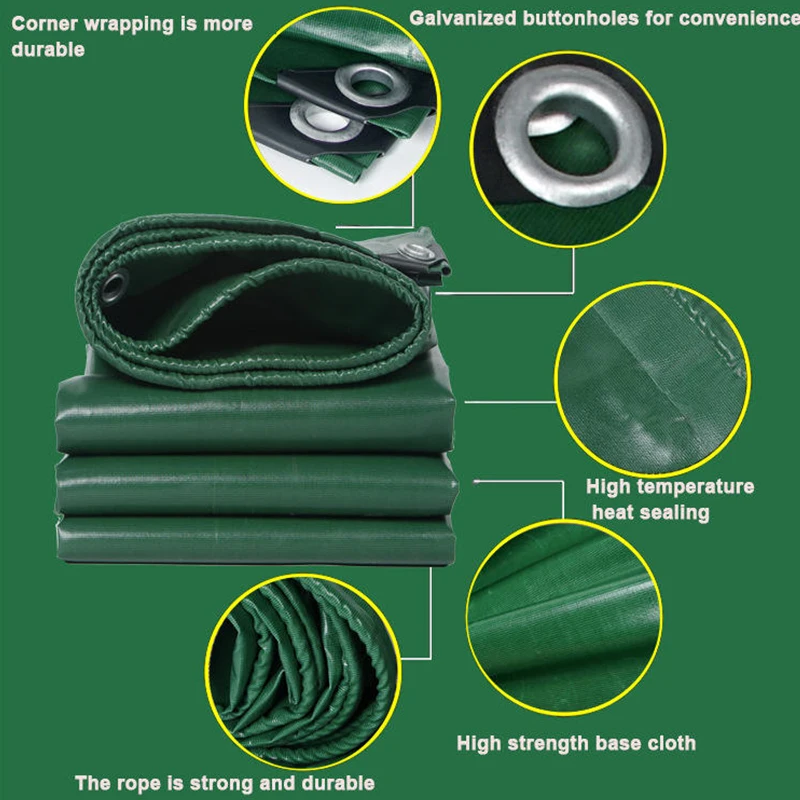
| Key Features | Waterproof, Anti-Shrink |
| Flame Retardant Grade | Available in flame retardant grades — confirm the grade required for your market |
| UV Treatment | UV resistant formulation available — request test basis for your compliance zone |
| Application Grade | Industrial / Heavy Duty |
| Surface Finish | Available in glossy or matte finish |
Application Suitability
| Application | Exposure & Requirement |
|---|---|
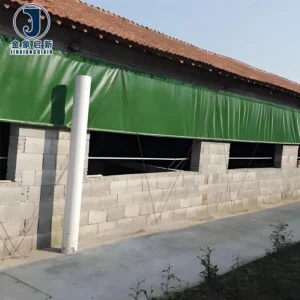
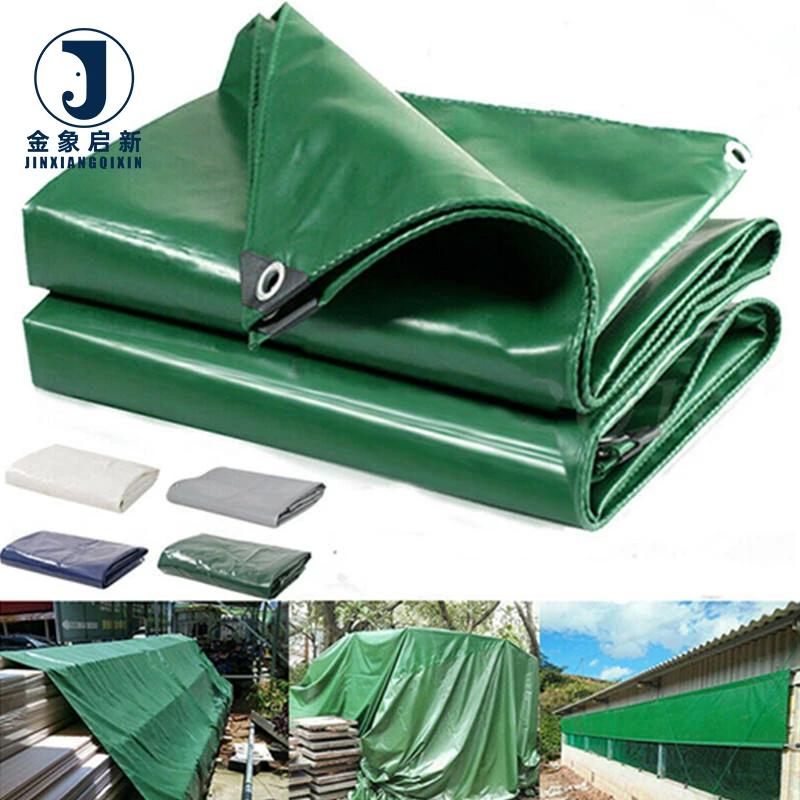
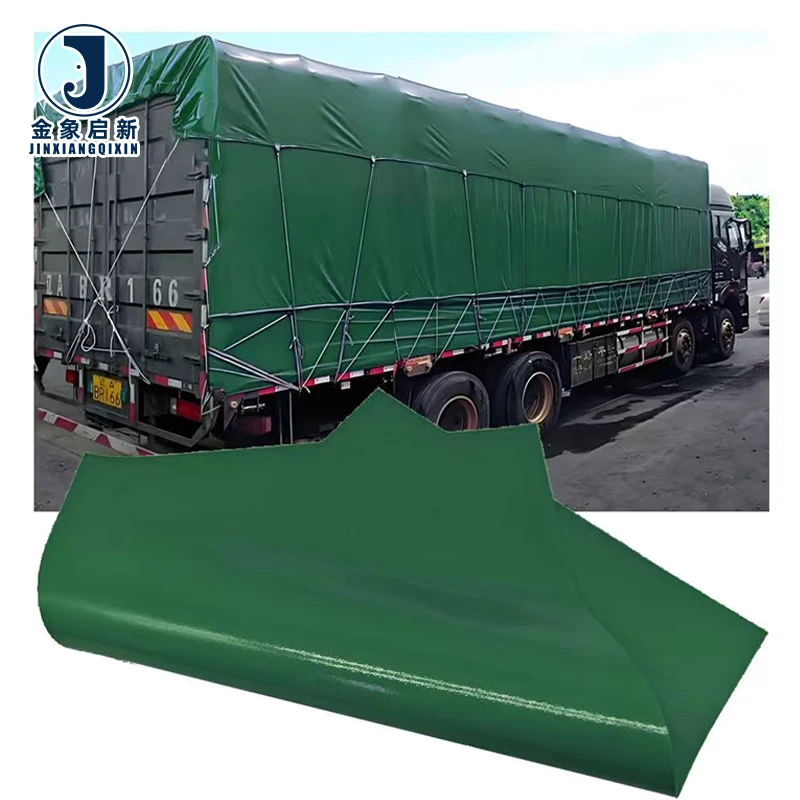
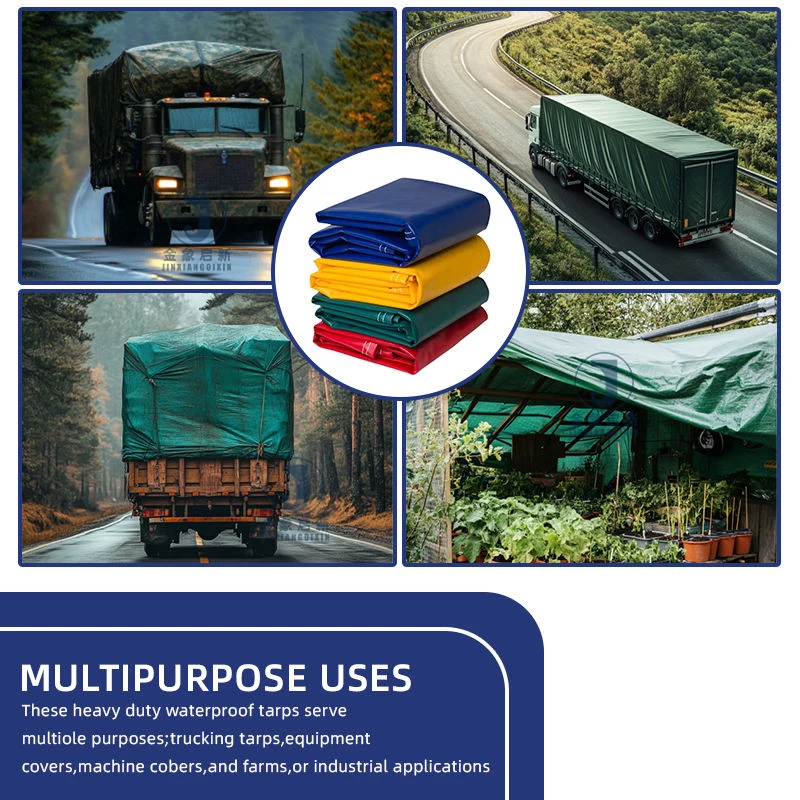
| Truck side curtains | Constant flexing at track points, road debris abrasion, rain and highway UV exposure |
| Lorry and trailer covers | Tension load during strapping, repeated roll-up and unroll cycles, wind flap fatigue |
| Tent and awning fabric | Extended sunlight exposure, rain pooling, seasonal tear-down and re-installation |
| Industrial transport covers | Forklift contact, load shifting abrasion, outdoor yard storage between shipments |
Why Roll Weight Verification Matters More Than Quoted GSM
A quoted GSM is only as reliable as the inspection record that backs it up.
When a PVC Tarpaulin Roll wholesale order arrives lighter than the spec sheet promised, the fabricator absorbs the loss — thinner material tears sooner at the curtain track, welds penetrate differently, and the end user files a claim. I have watched cutting shops discover the shortfall only after panels are welded and installed side by side, when the difference in drape and stiffness becomes visible. The cost of replacing a full trailer curtain set far exceeds the savings of a lighter roll. [NEED_CITE: coated fabric weight deviation tolerances per ISO 2286]
Batch-to-Batch Color Drift and How It Is Controlled
Color matching across a multi-roll container order requires more than a Pantone reference on the purchase order. Each production run of PVC Tarpaulin Roll stock is compared against a retained master swatch under controlled lighting before it leaves the coating line. This matters when a tent manufacturer cuts panels from different rolls and assembles them into a single structure — even a slight hue shift becomes visible once the panels are joined and viewed in daylight. Buyers stocking roll inventory for regional resale face the same risk: a customer who received two rolls months apart will notice if the shade has drifted.
Container Loading Density and Freight Cost per Roll
For wholesale buyers shipping by the container, the roll diameter and weight directly determine how many linear meters fit in a twenty-foot or forty-foot unit. Heavier industrial-grade rolls mean fewer rolls per container but more coverage per roll, while lighter stock grades allow higher roll counts. Our loading plan specifies roll count, individual roll weight and total payload so you can calculate landed cost per square meter before the vessel books. This planning stage is where PVC Tarpaulin Roll aftermarket supplier selection either saves or wastes freight budget. [NEED_CITE: container loading optimization for rolled textiles]
Coating Weight, Base Fabric and the Strength Relationship
GSM alone tells you how much material is on the roll, not how it will perform under load. A heavy-duty PVC Tarpaulin Roll owes its tensile and tear resistance to the base fabric denier and weave density — the PVC coating provides waterproofing and abrasion protection, but the polyester yarn grid carries the structural load. When coating weight increases without a corresponding base fabric upgrade, the material becomes stiffer without gaining proportional tear strength. Knife-over-edge coating builds a thicker film that improves weld penetration and surface durability, while lamination coating keeps cost and weight lower for applications where extreme flex life is not required. Surface finish also plays a role: a matte acrylic lacquer top-coat reduces dirt adhesion on truck curtains that see constant road spray, while a glossy finish sheds water more aggressively and accepts digital printing inks with sharper dot definition. Understanding which combination suits your end product prevents over-specifying on one parameter while under-specifying on another.
The Hidden Cost of Specifying on Price Per Kilogram Alone
When buyers evaluate roll stock purely on price per kilogram, lighter material always wins the comparison — and then fails earlier in the field. A truck side curtain that flexes thousands of times per journey needs the coating adhesion and base fabric integrity that come from verified coating weight, not just the cheapest GSM that fits a budget. Color inconsistency across rolls forces fabricators to segregate inventory by shade, adding warehouse handling cost and delaying orders while they match panels to specific end-user projects. Welds that fail before the fabric body does point to coating chemistry or thickness that does not suit the hot-air or high-frequency welding parameters on the shop floor — a mismatch that only surfaces after the first batch is in production. [NEED_CITE: hot-air welding parameters for PVC coated polyester fabrics]
Why Fabricators Source Roll Stock Here
Three full coating and finishing lines run dedicated PVC Tarpaulin Roll production, so a wholesale order is not queued behind a one-off custom job. A ten-person technical team develops color matches, custom widths and sample rolls within days rather than weeks, keeping your product development cycle moving. Every roll undergoes individual weight verification and visual inspection before packing, producing a pre-shipment record you can reference if a dispute arises. ISO and CE certification covers the production system, not just a single test sample, so consistency holds across repeat orders. Container loading plans are prepared before dispatch so your freight forwarder receives exact weights and dimensions for booking.
Documentation & Verification
- Material specification sheet confirming base fabric denier, coating type and verified GSM per batch
- Individual roll weight recorded on packing list for GSM cross-check upon arrival
- UV and flame retardant test reports supplied with applicable grades
- Pre-shipment inspection record covering visual and weight checks on every roll
- Certificate of origin and customs documentation for destination clearance
Fabrication, Handling & Storage
- Hot-air weld temperature must match the PVC coating formulation — request our welding parameter guide for this roll grade
- Matte finish rolls accept screen and digital printing inks but require solvent compatibility testing first
- Store rolls upright on end-caps to prevent flat-spot deformation on the coating surface
- Allow cold-stored rolls to reach workshop temperature before unrolling to avoid coating crack
- Clean glossy finish surfaces with mild detergent only — abrasive solvents degrade the acrylic top-coat
- Plan cutting layouts to maximize yield from standard stock widths and minimize off-cuts
What to Include in Your Inquiry
Specify the end-use application and the environmental exposure the finished product will face — road salt, constant UV, chemical splash or clean-room conditions each push the formulation in a different direction. State the roll width you need, whether stock or custom, and your projected annual volume so we can align production scheduling. If your market requires a specific fire classification or UV test standard, name the exact grade and we will confirm availability with the corresponding test report.
Frequently Asked Questions
Q: How is GSM verified per roll before shipment and what documentation comes with each batch?
A: Every roll is individually weighed on a calibrated scale after winding, and the result is recorded on the roll packing list that ships with the container. You receive a material specification sheet stating the base fabric denier, coating type and target GSM alongside the actual measured weight, giving you a verifiable cross-check the moment the rolls arrive at your warehouse.
Q: How do you control color consistency across rolls in the same order?
A: All rolls within a single production run are compared against a retained master swatch under standardized lighting conditions before release. For repeat orders placed months later, we pull the original batch swatch and match against it rather than relying on a generic color card, reducing the drift that causes visible shade differences when panels are installed side by side.
Q: What stock widths are available and can I order custom widths by the roll?
A: Standard stock widths cover the most common truck curtain and tent panel dimensions, reducing lead time for urgent orders. Custom widths are produced by slitting or coating to your specification — provide the exact width and roll length you need, and we will confirm the minimum order and production schedule for that configuration.
Q: How is roll stock packed to prevent damage during ocean freight?
A: Each roll is wrapped in protective film and capped on both ends to shield the coating surface from abrasion and moisture ingress. Rolls are loaded upright or horizontally braced inside the container depending on diameter and weight, with a loading plan provided in advance so your team knows exactly how many rolls fit and how they are positioned.
Q: Do flame retardant and UV resistant grades come with test reports?
A: Yes — when you order a flame retardant or UV treated grade, the corresponding test report is included in the shipping documentation. Specify the standard or classification your market requires, and we will confirm which grade meets that requirement before production begins, so there is no ambiguity at the point of delivery.