Description
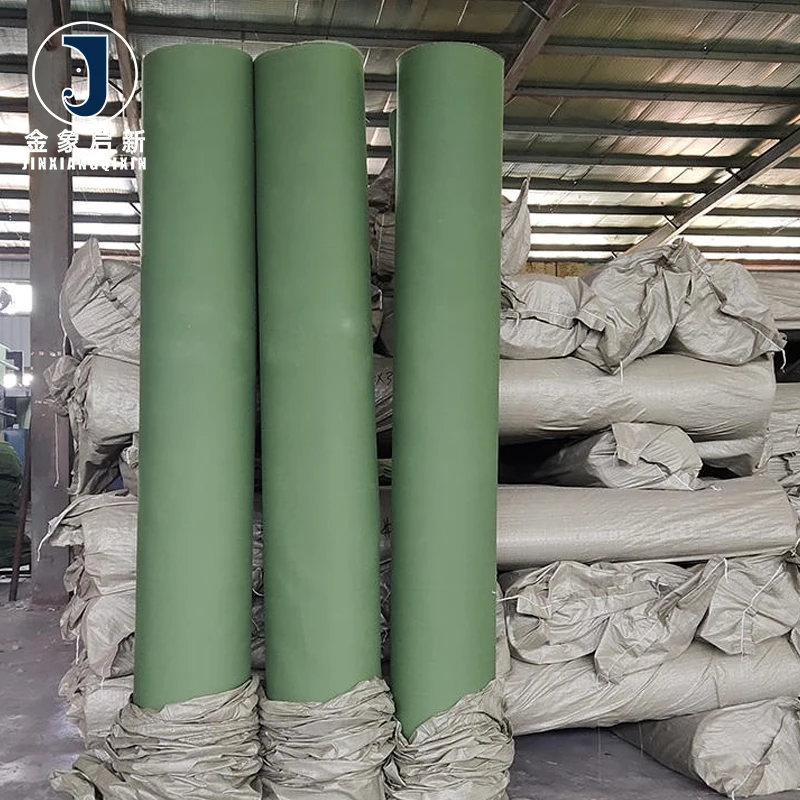
Roll-Stock Capacity — Three full production lines deliver container-load volumes of truck tarpaulin covers with batch-controlled GSM and colour consistency for distributors stocking multiple grades.
Technical Specifications
| Parameter | Value |
|---|---|
| Product Type | Truck Tarpaulin |
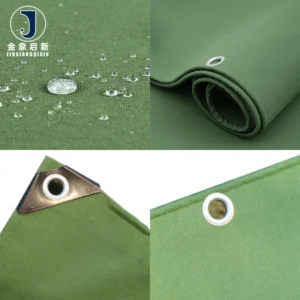
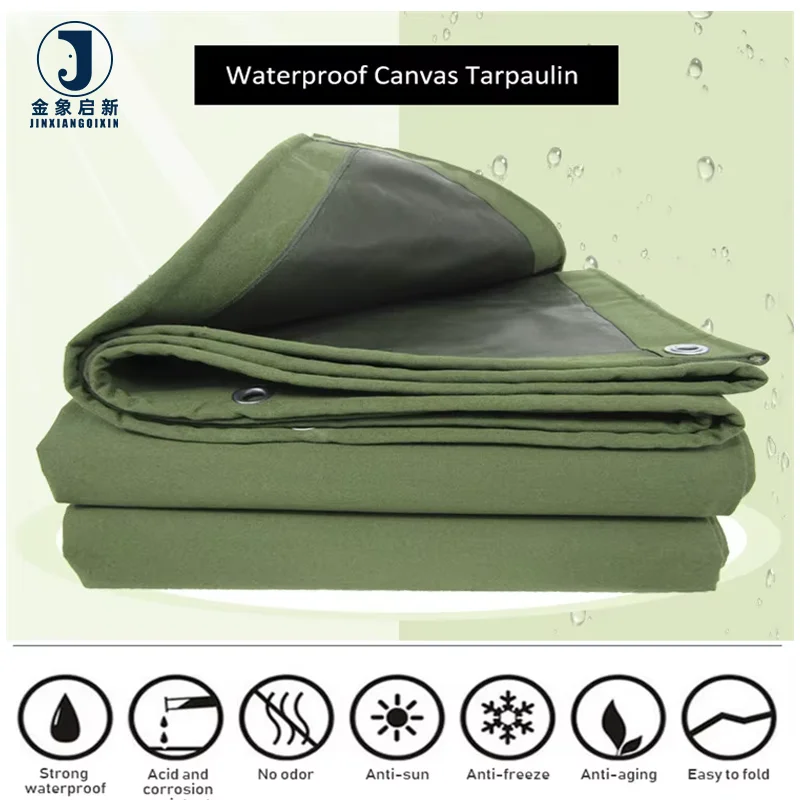
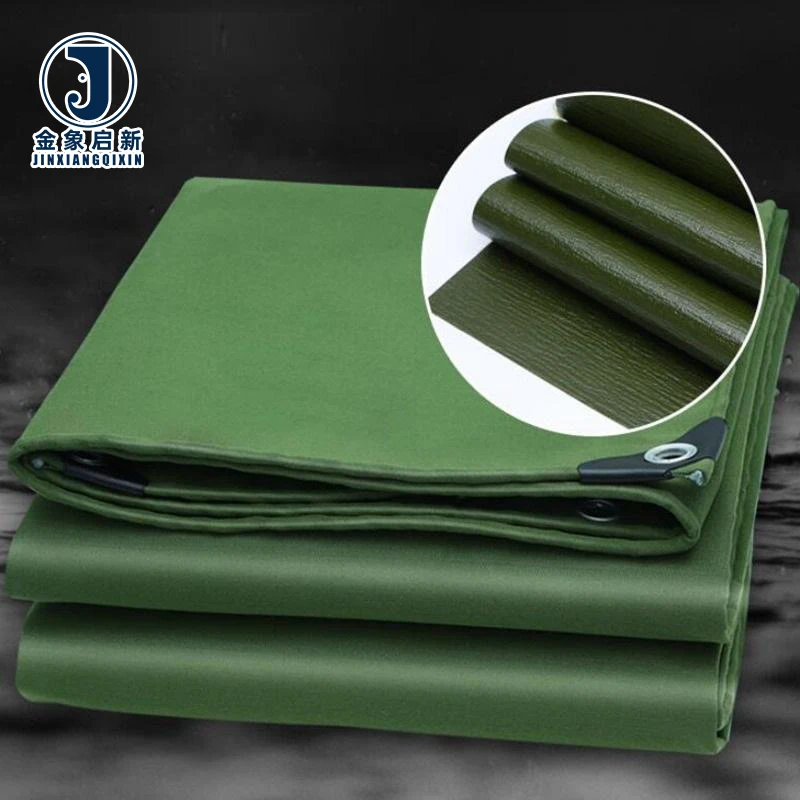
| Material | Silicone canvas tarpaulin |
| Weight Range | 250gms-600gms (confirm the grade for your application) |
| Characteristic | Waterproof, wear-resistant, scratch-resistant, tensile-resistant (test basis not stated) |
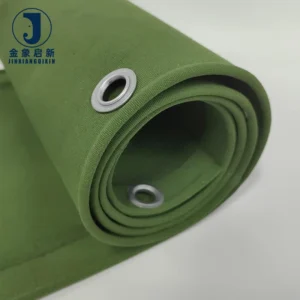
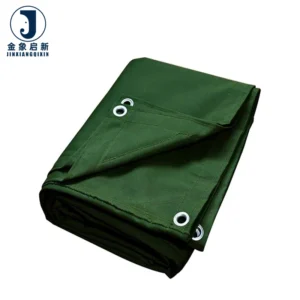
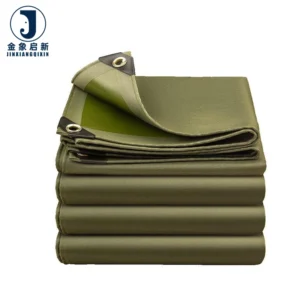
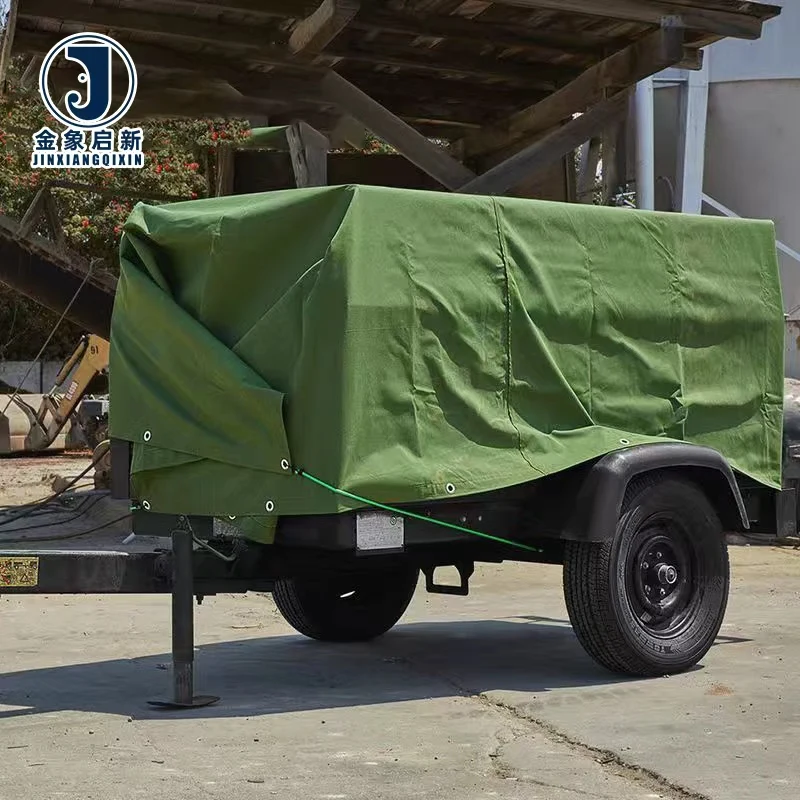
| Edge Finish | Edge wrapping, punching, buttonhole (eyelet and hem options) |
| Size | Custom |
| Flame Retardant Grade | Not stated — available in flame retardant grades, confirm the grade required for your market |
| UV Treatment | Not stated — UV treatment available, confirm the requirement for your region |
| Certification | ISO, CE |
Application Suitability
| Application | Exposure & Requirement |
|---|---|
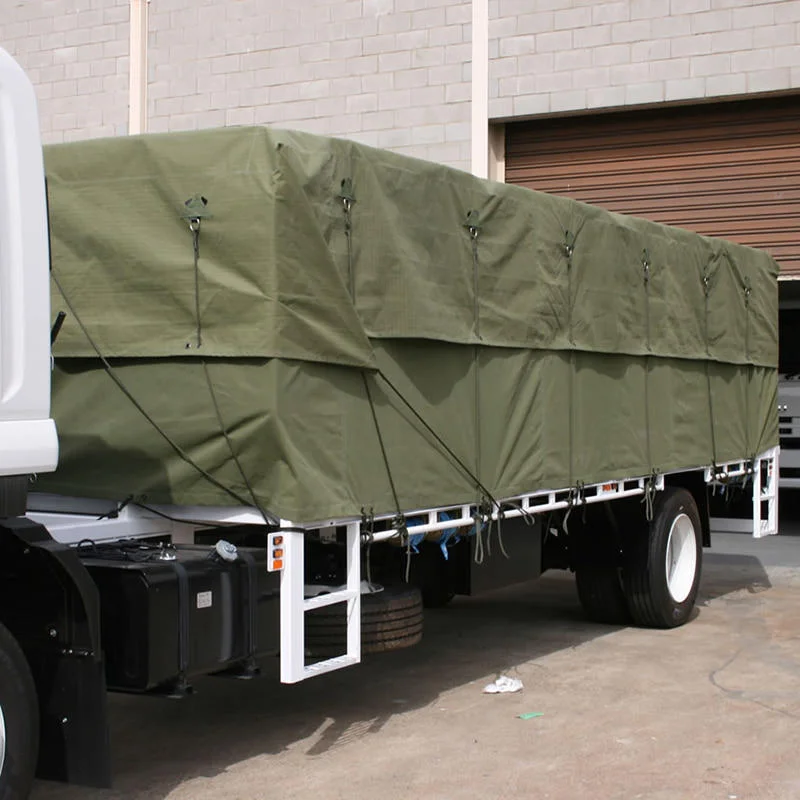
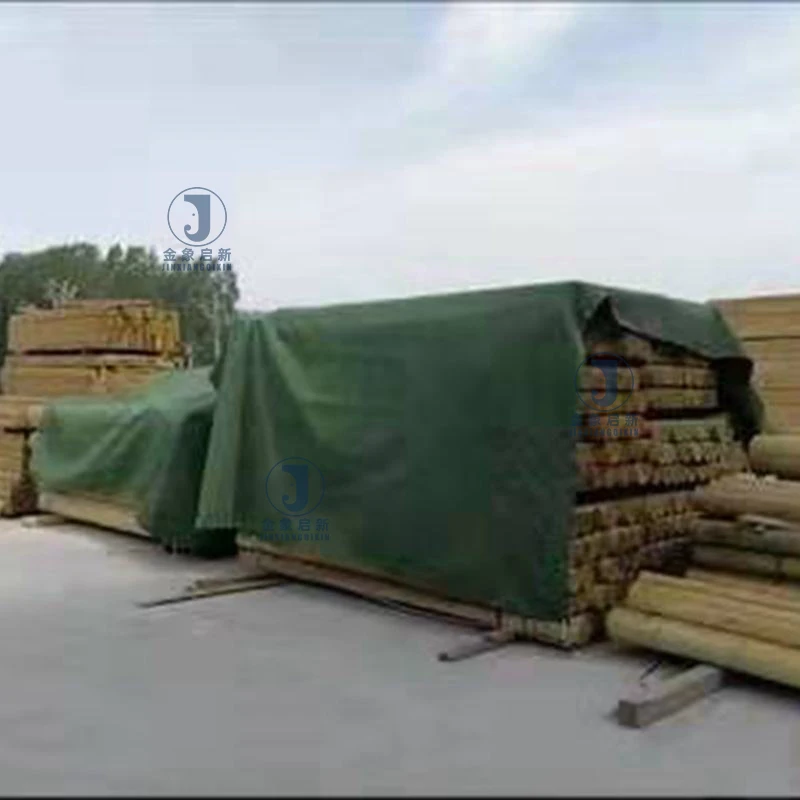
| Flatbed trailer cargo covering | Constant road vibration, wind uplift at highway speed, rain and debris impact |
| Fleet-wide truck tarp replacement | Mixed trailer models requiring cut-to-fit sizing, tie-down abrasion at flex points |
| Tricycle and light commercial vehicle covers | Frequent manual deployment, folding stress, sun and rain exposure during delivery routes |
| Distributor roll-stock inventory | Multiple GSM grades and colour variants held in regional warehouses for resale |
Why Truck Tarpaulin Wholesale Buyers See Shade Drift Across a Single Order
Colour variance between rolls is a coating-line calibration problem, not a fabric defect — and it is solved by controlling pigment dosing per batch.
When a fleet operator installs side curtains from the same purchase order and two panels show visibly different shades next to each other, the entire load looks unprofessional. This happens when pigment batches are mixed mid-run or when coating heads are not recalibrated between colour changes. I have watched transport companies reject full container loads because the shade shift was visible from ten metres away. Roll-to-roll colour matching requires a single pigment preparation for the entire order and in-line spectrophotometer checks before winding [NEED_CITE: colour consistency measurement methods for coated fabrics].
Roll-Stock Consistency Across Container Loads
Distributors importing truck tarpaulin wholesale need every roll in a shipment to match the approved swatch. Our production holds a single dye-lot per order, meaning the pigment formulation prepared at the start of the run is sufficient for the full quantity. This eliminates mid-order shade transitions that plague split-batch sourcing. Each roll is tagged with its production date and batch reference so downstream buyers can trace colour origin.
Edge Finishing That Survives Tie-Down Tension
Truck tarpaulins fail first at the eyelets and hems where tie-down straps concentrate load. We offer edge wrapping, punched eyelets, and buttonhole reinforcement as selectable finishing options, matched to the GSM grade and the expected strap tension. A 250gms-600gms weight range spans light tricycle covers through to heavy flatbed curtains, and the edge treatment is scaled accordingly — lighter grades receive closely spaced eyelets, while heavier grades accommodate wider spacing with larger-diameter grommets.
Reading the Specification Sheet Beyond the GSM Number
GSM tells you how much coating and base fabric are in a square metre, but it does not directly predict tensile or tear performance. Base fabric denier and weave density determine how the load distributes across warp and weft yarns; two tarps at identical GSM can have very different tear propagation behaviour depending on whether the weave uses a ripstop or plain construction. The silicone canvas coating in this product family contributes waterproofing and surface abrasion resistance, while the underlying woven structure carries the mechanical load. Buyers specifying by GSM alone often discover that a lighter fabric with a tighter weave outperforms a heavier fabric with an open weave in tear tests [NEED_CITE: relationship between base fabric denier and tear strength per ISO 1421]. Coating adhesion also matters — if the coating delaminates under flex, the base fabric loses its waterproof barrier and the eyelet pull-through strength drops significantly. Width and length per roll affect how many field seams a fabricator must weld; ordering wider rolls reduces seam count and eliminates the weakest points in a finished cover.
The Hidden Cost of Specifying by Price Per Kilogram
When a buyer selects a truck tarpaulin cover based on the lowest cost per kilogram, the supplier compensates by reducing coating weight while maintaining the stated GSM through a heavier, cheaper base yarn. The result arrives on time and passes a casual weight check, but the coating is too thin to resist abrasion at the tie-down contact points. Within months, the fabric wears through at the strap line and the cargo gets wet. I have seen this pattern repeat across logistics fleets that switched suppliers on price alone. The fix is to specify coating weight separately from total GSM and to require a pre-shipment inspection record that documents both values per roll [NEED_CITE: coating weight versus total GSM verification in pre-shipment inspection].
Why Distributors Source Roll Stock Through This Line
Three full production lines allow us to run dedicated colour campaigns without interrupting other orders, so a distributor requesting four colour variants in one container gets each on a single dye-lot. Thirty-six sets of professional equipment handle edge wrapping, punching, and buttonhole finishing in-house, keeping lead times within the production cycle rather than outsourcing to a separate converter. A ten-person R&D team develops custom width, colour, and print samples within days, enabling distributors to test market response before committing to a full container. Dedicated QA/QC inspects every roll for weight, colour, and edge finish before dispatch — the inspection record ships with the documentation.
Documentation & Verification
- Material specification sheet listing exact GSM, base fabric type, and silicone coating weight per roll
- Pre-shipment inspection record confirming weight and colour against the approved sample
- Roll packing list detailing roll count, individual roll weight, and container loading sequence
- Certificate of origin and customs documentation for cross-border shipment clearance
- Test report for flame retardant or UV grades where applicable — confirm requirement at inquiry stage
Fabrication, Handling & Storage
- Silicone canvas surface requires solvent-based adhesive for patch repairs; water-based adhesives will not bond to the coating
- Eyelet spacing should match the strap tension expected in service; closer spacing distributes load on lighter GSM grades
- Store rolls horizontally on racking to prevent flat-spot deformation that creates permanent creases in the silicone coating
- Edge wrapping should be heat-sealed rather than stitched to maintain waterproof continuity across the hem line
- Unroll at ambient temperature; cold-stiffened silicone canvas is prone to cracking if force-flexed below freezing
What We Need to Quote Your Roll-Stock Order
Provide the GSM grade, target colour reference, roll width and length, and the edge finishing option you require — eyelet spacing, buttonhole type, or plain hem. If your market mandates a flame retardant or UV treatment grade, state the standard so we can confirm availability. Let us know whether you need finished cut sizes or roll stock only, and the approximate annual volume so we can plan dye-lot continuity across shipments.
Frequently Asked Questions
Q: How is GSM verified before shipment and on arrival?
A: Every roll is weighed during the pre-shipment inspection, and the measured GSM is recorded against the quoted value. The inspection report travels with the shipping documents. Buyers can re-weigh a sample roll on arrival using a calibrated scale and compare the result to the documented figure for reconciliation.
Q: How do you ensure colour consistency across rolls in a bulk order?
A: We prepare a single pigment batch per order and run continuous in-line colour checks during coating. Each roll is tagged with its batch reference. This single dye-lot approach prevents the shade drift that occurs when pigment is remixed mid-production, keeping all rolls within the same visual tolerance.
Q: What is the MOQ for custom width, length, and colour per roll?
A: Minimum order quantities vary by the specific GSM grade and colour requested. Custom widths and colours generally require a minimum run to justify dedicated coating-line setup. Send your target specifications and we will confirm the MOQ alongside the lead time in our initial quotation.
Q: How are rolls packed for container loading to prevent transit damage?
A: Rolls are wound on cores, wrapped in protective film, and loaded horizontally according to a container plan that accounts for roll diameter and weight distribution. The packing list details roll count and placement sequence so the receiving warehouse can unload efficiently without dragging or dropping individual rolls.
Q: What eyelet spacing and hem reinforcement options are available?
A: We offer edge wrapping, punched eyelets, and buttonhole finishing in configurable spacing. Spacing is matched to the GSM grade and expected tie-down load. Specify the strap type and tension in your inquiry so we can recommend the appropriate eyelet diameter and hem reinforcement for your truck tarpaulin application.