Description
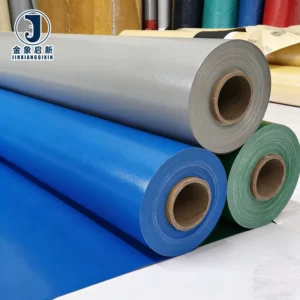
Roll-to-Roll Consistency — dedicated QA at every production stage verifies GSM, coating weight, and colour reference on each roll before dispatch, eliminating the guesswork for wholesale buyers sourcing PVC Tarpaulin Roll stock in volume.
Technical Specifications
| Parameter | Value |
|---|---|
| Product Type | PVC Coated Tarpaulin Roll |
| Coating Material | HDPE weaving with LDPE lamination on both sides |
| Mesh Count Options | 6×6, 6×7, 7×7, 7×8, 8×8, 9×9, 8×10, 10×10, 12×12, 14×14, 14×16 weave |
| Weight (GSM) | 50gr/m² ~ 220gr/m² available (confirm the grade for this item) |
| Total Thickness | 0.2–0.4 mm / 8 mil–16 mil / Custom |
| Roll Width | 2 m, 4 m, 6 m (also 6 ft, 8 ft, 10 ft, 12 ft) |
| Roll Length | 100 yards, 100 meters, or custom |
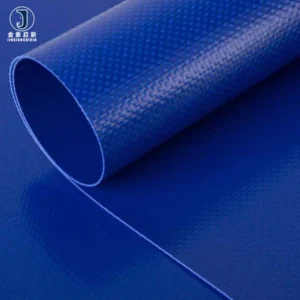
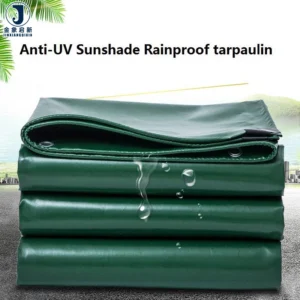
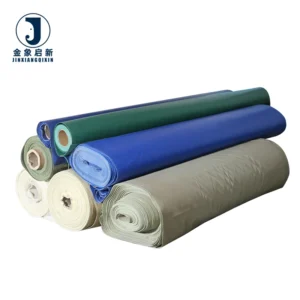
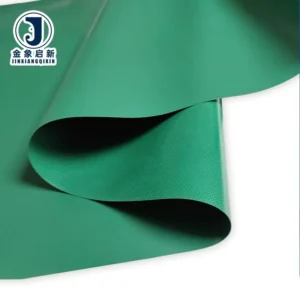
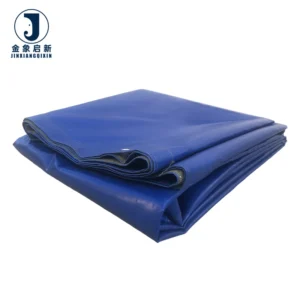
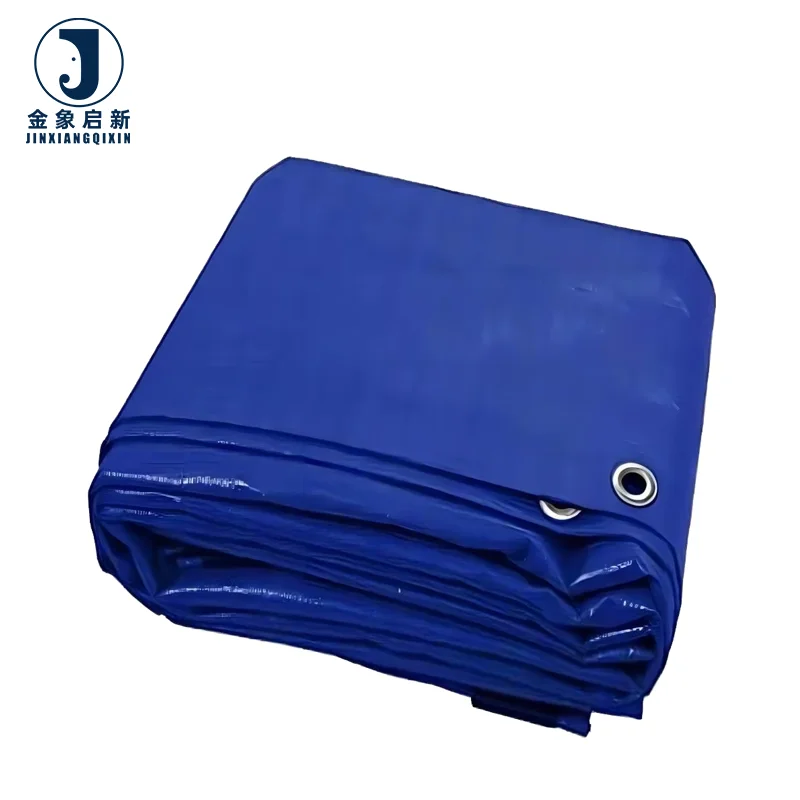
| Colour Options | Blue, Blue/Orange, Green, Grey, Black, Clear, Grey/Green, Orange, or custom |
| UV Treatment | Available (test basis not stated in source — confirm the grade required for your market) |
| Anti-Static | Available (standard not stated in source — confirm the certification required for your application) |
| Waterproof | Yes |
| Mildew Resistance | Mildew proof and anti-aging formulation |
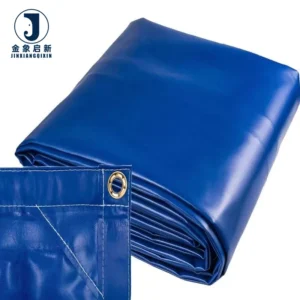
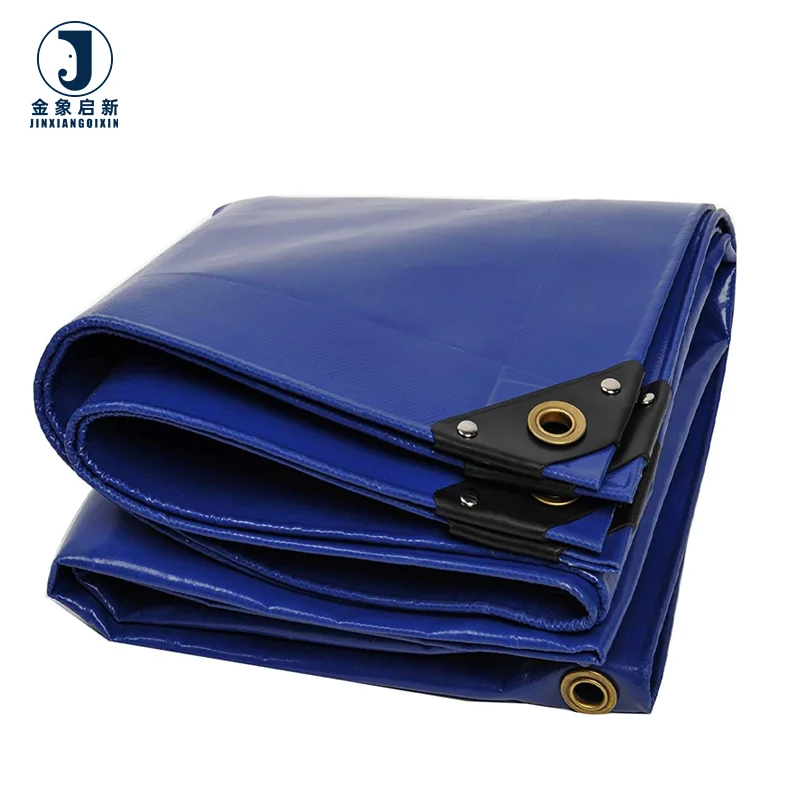
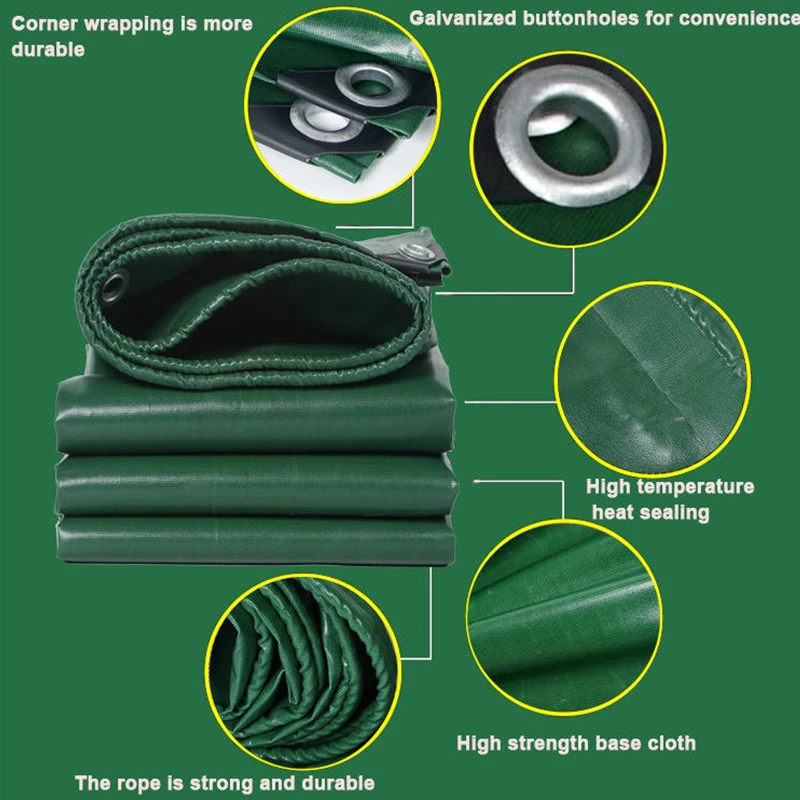
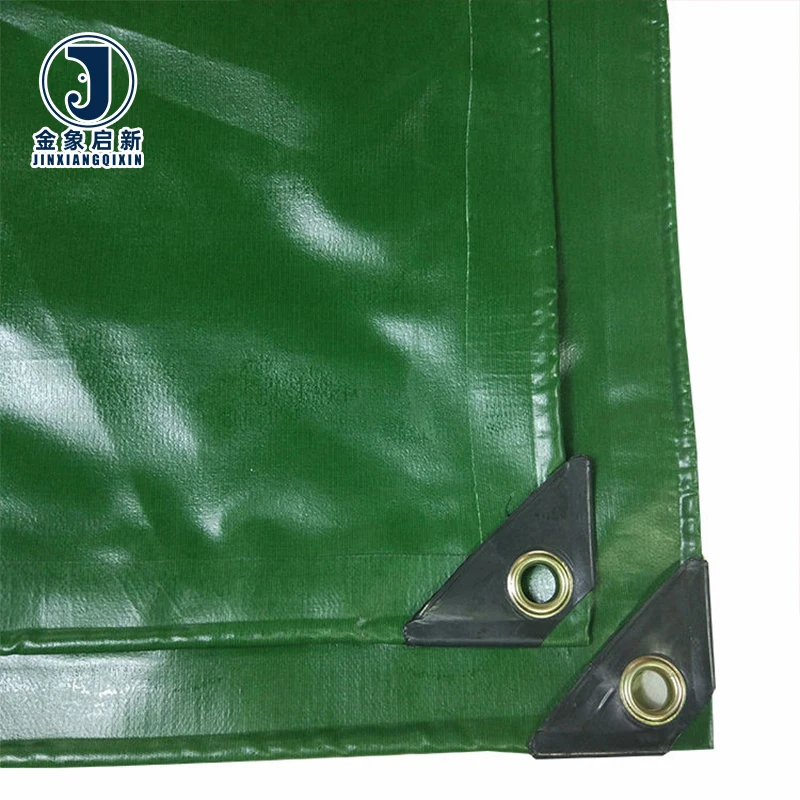
| Eyelet & Hem Options | PP rope reinforced hem, galvanized eyelets every 3 ft or 1 m interval, reinforced plastic corners |
| Printing Option | Custom printing available |
| Standards | ISO, CE (specific standard numbers not stated — verify against manufacturer catalog) |
Application Suitability
| Application | Exposure & Requirement |
|---|---|
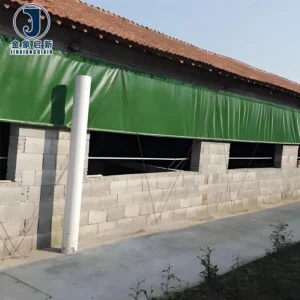
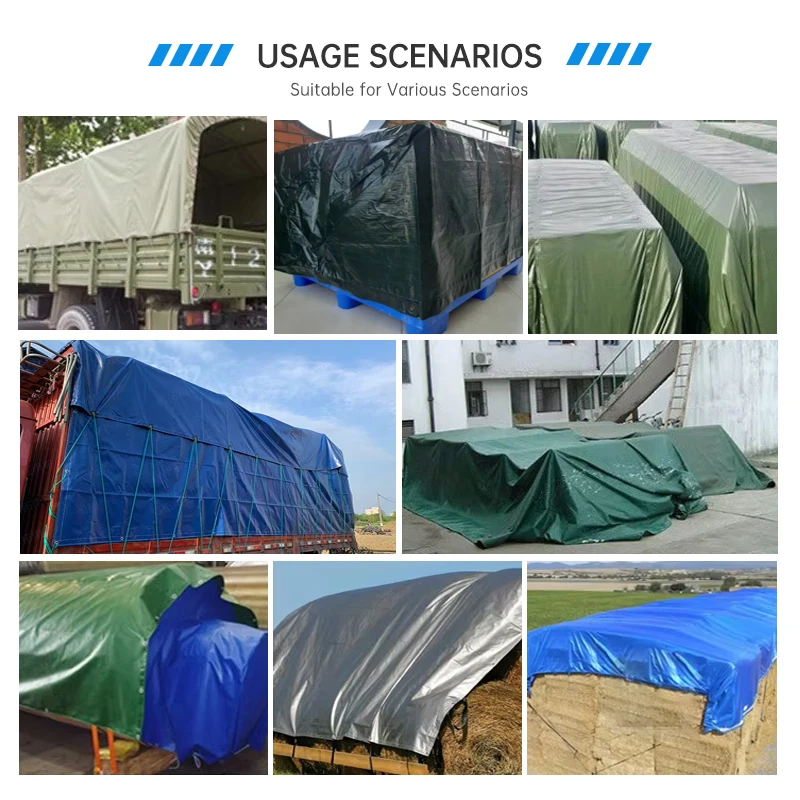
| Poultry coop curtains | Daily wash-down moisture, ammonia vapour, UV through open housing, frequent retraction stress |
| Agricultural crop and hay covers | Prolonged sun exposure, wind uplift, ground contact moisture, seasonal deployment |
| Tarpaulin distributor resale stock | Shelf-ready colour consistency, accurate GSM per roll for downstream cutting operations |
| Tent, awning and inflatable fabrication | Weld seam integrity under inflation pressure, UV stability, consistent coating thickness |
| Construction scaffolding wraps | Wind-driven rain, UV exposure, scaffold clip abrasion, flame-retardant site requirements |
| Truck and container transport covers | Road spray, tie-down friction, flexing at load points, thermal expansion across seasons |
Why GSM Alone Does Not Guarantee Roll-to-Roll Value
GSM tells you what the scale reads — not what the fabric will survive in the field.
Buyers routinely compare quotations on grams per square metre and assume the heavier roll is the stronger one. In practice, two rolls stamped 180gr/m² can behave completely differently once they leave the container. One may carry a tight 14×14 base weave with a balanced coating, while the other pads a loose 8×8 weave with extra laminate to hit the number. The difference only surfaces weeks later when the looser roll begins to delaminate at the hem or tears along the warp line under wind load [NEED_CITE: tensile and tear test methods for coated fabrics per ISO 1421]. When you buy PVC Tarpaulin Roll wholesale, the real question is whether every roll in the same shipment actually matches the specification sheet — not just the first sample that won the order.
Roll Width and Length Configured for Container Efficiency
Distributors and fabricators lose margin when roll dimensions force off-cuts or leave unusable remnants. This PVC Tarpaulin Roll stock ships in widths from 2 m to 6 m and standard lengths of 100 yards or 100 meters, with custom lengths available on request. Selecting a width that aligns with your cutting pattern — whether for poultry curtains, truck side panels, or awning blanks — reduces waste and keeps per-unit cost predictable across the full production run.
Colour Batching Across the Full Purchase Order
Colour drift between rolls is one of the most frequent complaints in coated fabric sourcing. A distributor stocking blue 6×6 rolls for agricultural resale cannot afford a shade shift mid-batch that becomes obvious once two panels hang side by side on a retail rack. Our production line maintains pigment ratios within each mixing lot, and the pre-shipment inspection records the colour reference for every roll against the order spec before the container is sealed.
Mesh Count, Coating Weight, and the GSM Relationship
GSM is the sum of base fabric denier, mesh count, and the coating applied to both sides. A 6×6 weave at 50gr/m² relies almost entirely on the laminate for waterproofing and tensile performance, making it suitable for light-duty, short-season covers. Moving to a 14×16 weave at 220gr/m² shifts the balance: the denser HDPE yarn grid carries most of the mechanical load, while the LDPE coating seals the weave without over-relying on thickness [NEED_CITE: relationship between mesh count and tensile strength in woven coated fabrics]. Understanding this relationship helps buyers choose the right grade for each end-use rather than defaulting to a single GSM for every application.
The Hidden Cost of Specifying on Price Per Kilogram
Sourcing teams that negotiate purely on cost per kilogram incentivise the mill to cut corners where they cannot see. A coating that looks adequate on the sample may arrive thinner on the production roll because the order was priced too tightly to support the stated GSM. The consequence is not an immediate failure but a pattern of early returns from downstream customers who find the material tears at the grommet line or delaminates after a single season of UV exposure [NEED_CITE: field failure analysis of coated tarpaulin under UV and mechanical stress]. Correcting that reputation damage costs far more than the margin gained on the original shipment.
Why Volume Buyers Source Here
Three full production lines and 36 sets of professional equipment support bulk roll output with on-time delivery schedules that align to vessel bookings. A 10-person R&D team handles custom width, colour matching, and pattern printing, delivering samples within days so buyers can approve before the main run. Every roll undergoes dedicated QA at each production stage, backed by 100% pre-shipment inspection that checks GSM, colour, and dimensions against the purchase order. Roll packing on hard paper tubes wrapped in matching tarpaulin sheet protects the inner layers from compression and moisture during ocean transit. Nearly 30 years of focused coated fabric production means the process controls behind GSM consistency and coating adhesion are embedded in daily operations, not added as an afterthought.
Documentation & Verification
- Material specification sheet listing GSM, base weave, coating type, and colour reference per roll
- Roll packing list with individual roll weights for customs declaration and warehouse tally
- Pre-shipment inspection record confirming GSM and colour consistency across the full order
- Certificate of origin and customs support documentation included with each dispatch
- Test reports for UV treatment or anti-static grades supplied where applicable and specified
Fabrication, Handling & Storage
- Heat-weld at moderate temperature settings; LDPE lamination bonds at lower thresholds than PVC plastisol
- Store rolls upright on the hard paper tube core to prevent flat-spot compression marks on the coating surface
- Cut with a hot knife to seal the weave edge and prevent fraying on the 14×16 high-density variants
- Avoid dragging rolls on unprotected concrete to prevent surface abrasion on the outer coating layer
- Deploy rolls in cold weather by allowing them to acclimatise first — LDPE stiffens below freezing and may crack if forced
- Eyelet spacing at 1 m intervals aligns with standard tie-down hardware; reinforce corners with the supplied plastic patches before grommet insertion
Request a Quotation with the Right Detail
Tell us the end-use application — whether you are stocking roll inventory for regional resale, cutting poultry curtain panels, or feeding fabric into a tent fabrication line. Specify the mesh count, GSM range, roll width, and total linear metres you need per shipment so we can map the most efficient cutting pattern. If your market requires UV treatment verification or anti-static certification, state the standard your customers expect so we include the correct test documentation with the dispatch.
Frequently Asked Questions
Q: How do you guarantee GSM consistency across rolls in a bulk order?
A: Every roll is weighed and measured during the pre-shipment inspection, and the results are recorded against the material specification sheet that ships with the order. Dedicated QA checks occur at each production stage, not just at final packing, so any deviation is caught before the roll is wrapped.
Q: What is the minimum order for custom width or colour?
A: Minimum quantities depend on the specific width, colour, and mesh count combination you require. Custom runs involve dedicated mixing and loom setup, so we provide the exact threshold once your specification is confirmed. Samples are developed within days for your approval before the main production begins.
Q: Can you supply test reports for anti-UV or anti-static treatments?
A: Test reports are included when the treatment grade and applicable standard are specified at the time of order. Confirm the certification your market or application requires — for example, the anti-static standard for mining ventilation — so the correct test protocol is applied and documented.
Q: How are rolls packed for container shipment and what is loading capacity?
A: Rolls are wound on hard paper tubes and wrapped in matching tarpaulin sheet to protect against compression and transit moisture. A 20-foot container accommodates rolls loaded to approximately 17 tons, while a 40-foot high-cube can carry up to 28 tons when baled, allowing efficient freight planning per shipment.
Q: What documentation ships with the order?
A: Each dispatch includes a material specification sheet per roll, a roll packing list with individual weights, a pre-shipment inspection record, and a certificate of origin. Where treatments such as UV or anti-static have been specified, the corresponding test reports are included alongside the customs support documents.