Description
Bulk Coating Consistency — Every PVC Coated Tarpaulin roll is verified against the stated GSM before dispatch, eliminating weight discrepancies across a single order.
Technical Specifications
| Parameter | Value |
|---|---|
| Product Type | PVC Coated Tarpaulin |
| Coating Material | PVC / Vinyl |
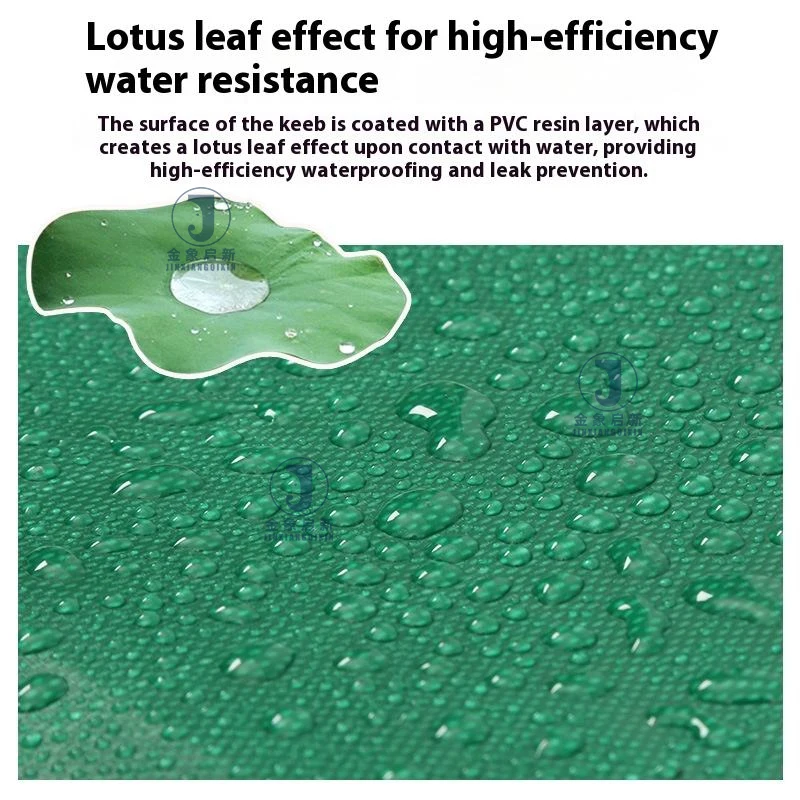
| Waterproof | Yes |
| Anti-UV Treatment | Available (test basis not stated in source) |
| Flame Retardant | Available (grade not stated in source) |
| Construction | Double-Faced |
| Color Options | Multiple colors available |
| Anti-Mildew | Yes |
Application Suitability
| Application | Exposure & Requirement |
|---|---|
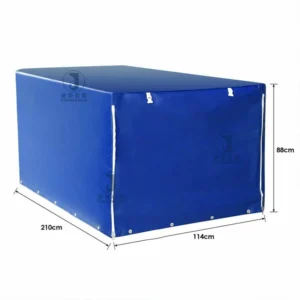
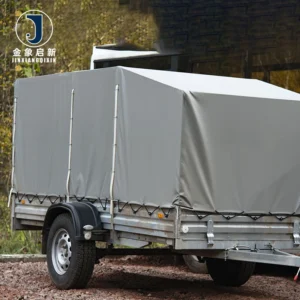
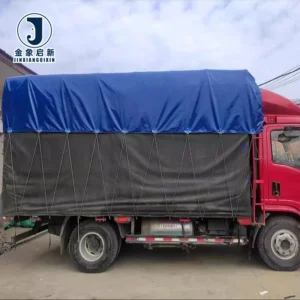
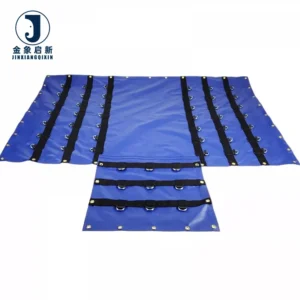
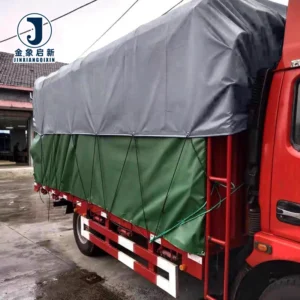
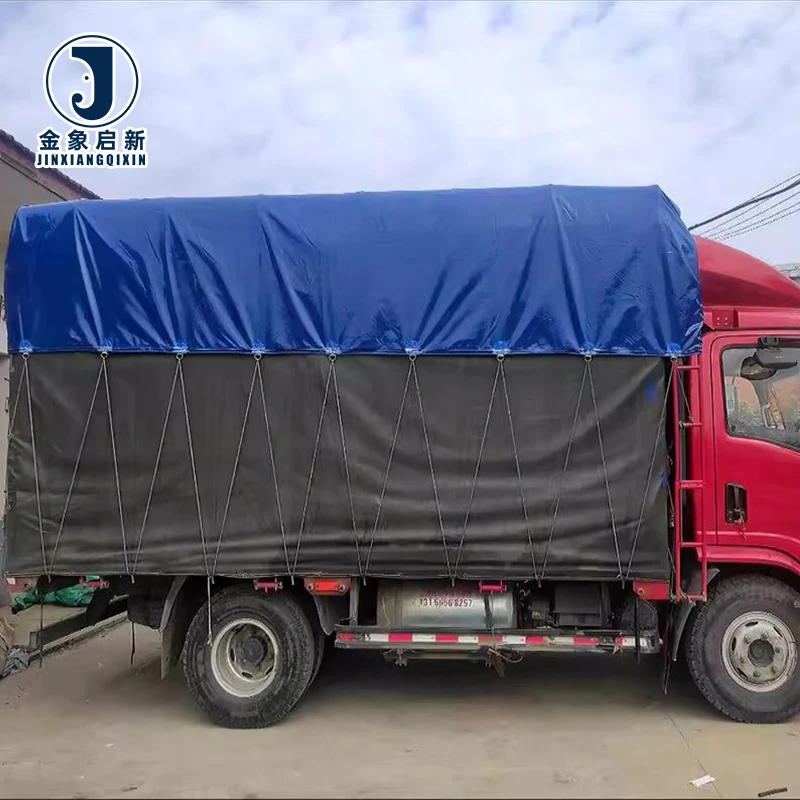
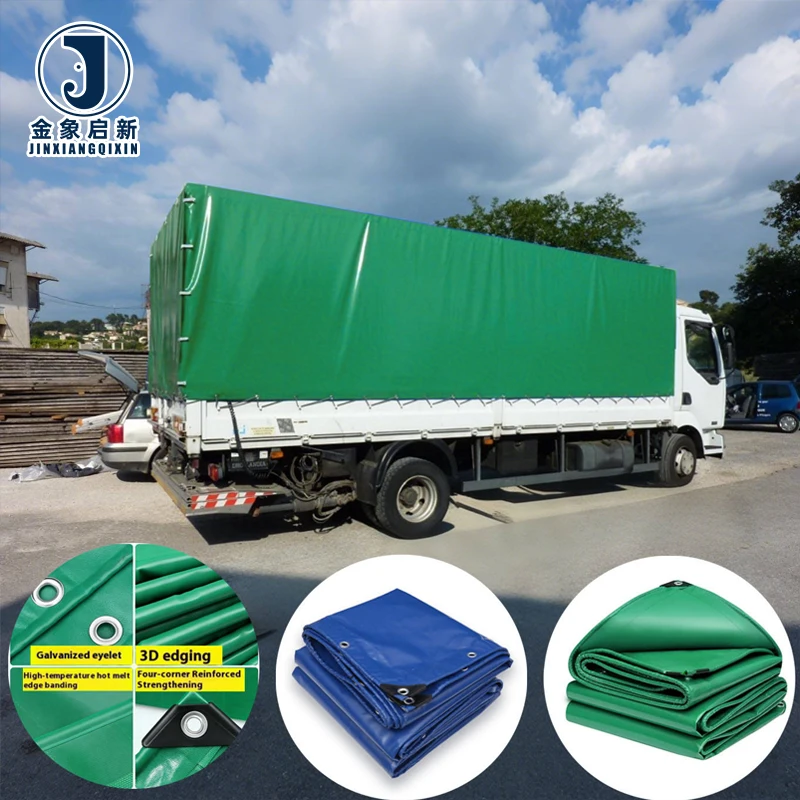
| Truck and trailer side curtains | Constant flexing, road abrasion, UV exposure, wind load |
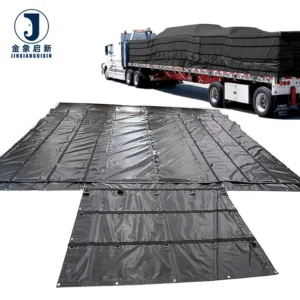
| Top roof covers for lorries | Direct solar exposure, pooling water, thermal cycling |
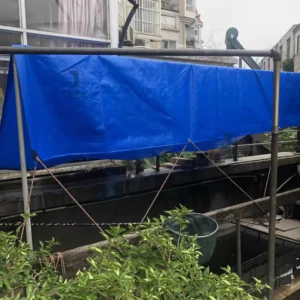
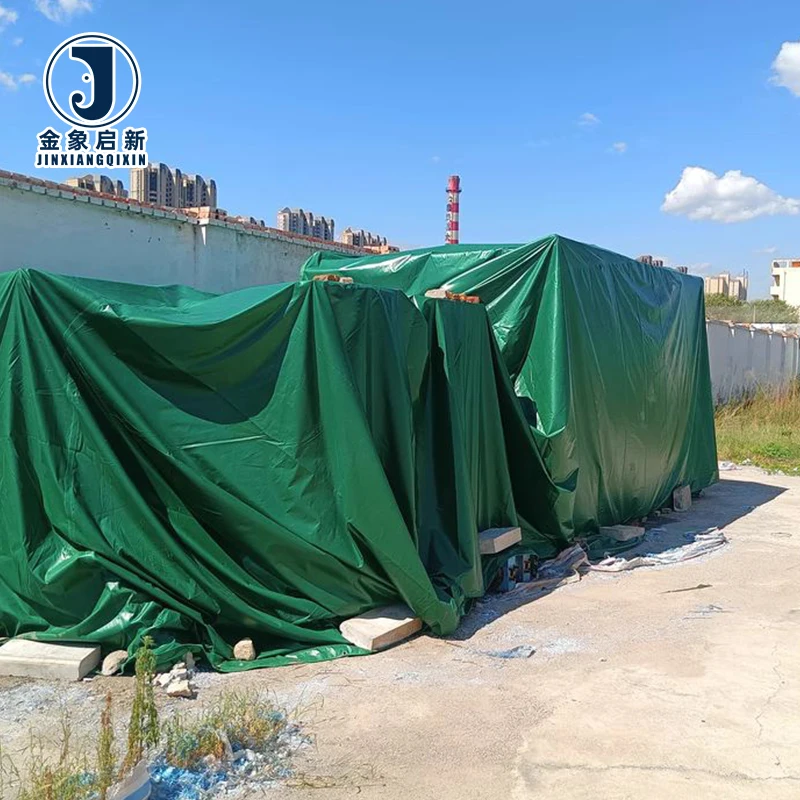
| Pallet and equipment covers | Outdoor storage, dust and moisture ingress, handling abrasion |
| Outdoor event block-out tents | Light blocking requirements, wind tension, repeated assembly |
| Inflatable structure fabric | Internal air pressure, continuous UV exposure, weld seam integrity |
Why GSM Alone Fails to Predict How a PVC Coated Tarpaulin Roll Performs on the Road
A 650 GSM roll with a weak base fabric will tear faster than a lighter roll with a high-density weave.
Fleet operators and tarpaulin converters often specify material by weight, assuming a higher GSM guarantees longer service life on trailers and lorries. In reality, tensile and tear strength depend on the base fabric denier, weave density, and coating adhesion — not just total weight. A roll that measures correctly on the scale but uses a low-density base scrim will fail at the weld line or eyelet point long before the fabric body degrades. [NEED_CITE: tensile and tear test methods for coated fabrics per ISO 1421]
Roll-to-Roll Weight Verification Before Dispatch
Batch-controlled coating lines ensure that every PVC Coated Tarpaulin roll within a single order meets the specified GSM without deviation. Weight variance between rolls is a common cause of inconsistent weld behaviour during fabrication — lighter rolls melt faster under hot air, while heavier rolls require adjusted temperature and speed settings. Pre-shipment inspection checks each roll individually, so fabricators receive material that processes uniformly on their welding tables.
Colour Matching Across an Entire Container Load
When a fleet operator orders side curtains for twenty trailers, any shade variation between rolls becomes immediately visible once the vehicles are parked side by side. Our coating process controls pigment dispersion and film thickness simultaneously, maintaining colour consistency across the full production run. This applies to both standard stock colours and custom shades developed for specific fleet branding requirements. [NEED_CITE: colour fastness standards for outdoor coated textiles]
Double-Faced Coating and Weld Behaviour
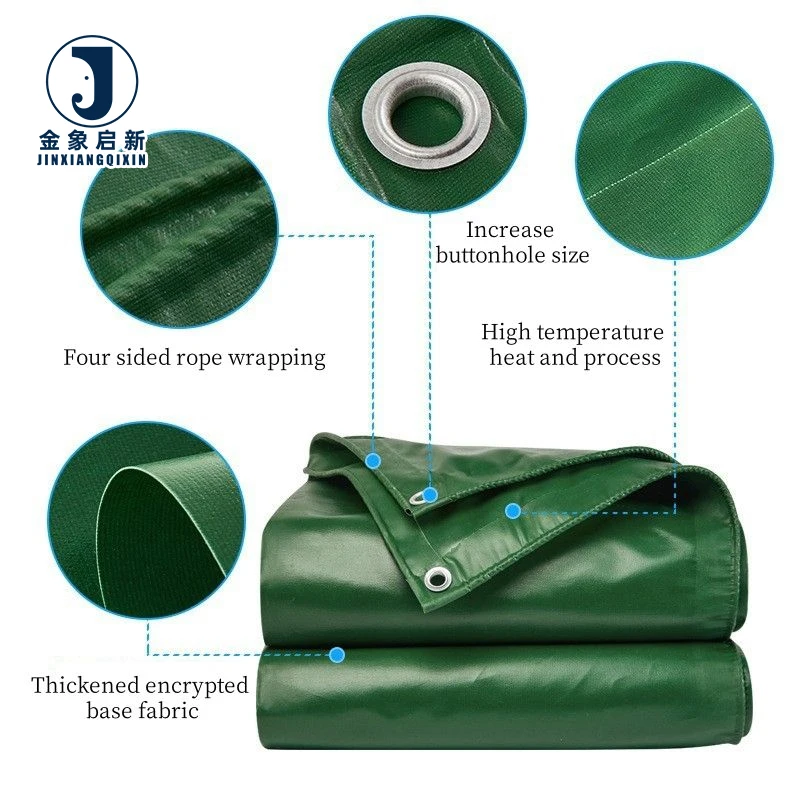
The double-faced PVC construction provides uniform tensile strength and weldability on both sides of the fabric. For converters fabricating truck side curtains, this means the material can be welded from either face without adjusting heat or pressure settings. The coating adhesion to the base scrim determines whether a weld fails cohesively — meaning the fabric tears before the seam parts — or adhesively, where the coating peels away from the scrim at the joint. Consistent coating penetration through the base fabric is what separates a reliable weld from a premature failure. [NEED_CITE: peel strength testing methods for PVC coated fabrics]
Specification Decisions That Directly Affect Finished Cover Performance
The base fabric denier and weave density work together with coating weight to determine overall performance. A high-denier yarn in a tight weave resists tear propagation far better than a lighter scrim, even when both carry the same total GSM. Coating method — whether knife-over-roll, lamination, or calendering — influences the adhesion bond between PVC and base fabric, which directly affects how well the material holds together at welded seams under repeated flexing. Flame retardant formulations are available in multiple grades; the correct grade depends on the regulatory requirements of the destination market, so buyers should confirm the standard applicable to their region before placing an order. Surface finish options, including glossy and matte, influence both cleanability and the adhesion of printed graphics applied after fabrication.
What Happens When Specifications Are Chosen by Price Alone
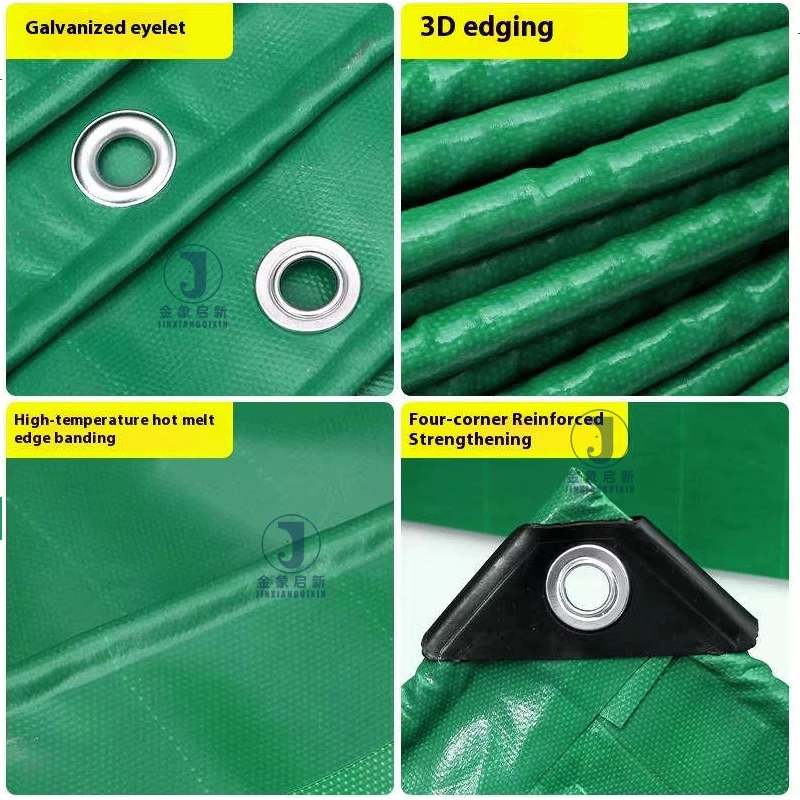
A truck cover fabricated from a roll where the stated GSM was not verified on arrival often shows early signs of failure at high-stress points — corners, eyelet reinforcements, and areas where the fabric folds over load edges. Flame retardant treatments claimed without a supporting test report can result in failed site inspections, delaying project handover and exposing the buyer to contractual penalties. Rolls with inconsistent coating weight produce variable weld strength, meaning some seams hold while adjacent ones separate under identical load conditions. These failures rarely appear during initial quality checks; they emerge weeks or months into service, making them costly to trace back to the material source. [NEED_CITE: common failure modes in welded PVC tarpaulin assemblies]
Why Converters Source PVC Coated Tarpaulin Roll Stock Here
Three full production lines and 36 sets of professional equipment support bulk roll orders with reliable scheduling, so fabricators can plan their cutting and welding runs without material delays. A 10-person R&D team handles custom width requests, colour matching, and sample development within days rather than weeks. Dedicated quality control at every production stage — from base fabric inspection through coating application to final winding — catches defects before rolls are packed. Nearly 30 years of focused coated fabric production provides the process knowledge needed to maintain coating adhesion and weight consistency across large orders. Samples are developed quickly for buyers who need to test weld parameters and fabrication behaviour before committing to a full production run.
Documentation & Verification
- Material specification sheet stating exact GSM, base fabric denier, and coating weight per roll
- Pre-shipment inspection record with individual roll weight verification before packing
- Roll packing list showing net weight, roll count, and container loading sequence
- Test report for UV and flame retardant grades — request at quotation stage
- Certificate of origin and customs documentation for international shipments
Fabrication, Handling & Storage
- Hot air weld temperature and speed must be matched to the specific PVC coating weight for consistent seam strength
- Allow rolls to acclimatise to workshop temperature before unrolling to prevent creasing and coating stress
- Store rolls upright on end caps to avoid flat spots that create permanent creases in the coating
- Cut patterns should account for fabric weave direction to optimise tear resistance along high-stress seams
- Use compatible PVC-based cleaners only; solvent-based products can degrade the coating surface finish
- Repair minor field damage with matching PVC patches welded at temperatures consistent with the original coating
Requesting a Quotation for Roll Stock
To receive an accurate specification and pricing proposal, provide your intended application — whether truck side curtain, tent fabric, or general tarpaulin resale — along with the GSM range and width requirements for your market. Specify whether flame retardant certification is required and which test standard applies in your destination country. Include your annual volume estimate and preferred roll lengths so we can assess production scheduling and custom width feasibility. Request a sample roll if you need to validate weld parameters and fabrication behaviour on your own equipment before placing a bulk order.
Frequently Asked Questions
Q: How do you verify GSM on arrival matches the quotation?
A: Every roll undergoes individual weight measurement during pre-shipment inspection, and the results are documented in the inspection record provided with your shipment. This roll-by-roll verification ensures the material you receive matches the GSM stated on your quotation, eliminating the common problem of lighter-than-specified fabric arriving at your workshop.
Q: How is roll-to-roll colour consistency controlled across a bulk order?
A: Pigment dispersion and coating film thickness are controlled simultaneously across the entire production run. Each batch is produced in a single continuous coating campaign, and colour checks are performed at regular intervals during production to detect any drift before it affects downstream rolls.
Q: What custom widths and roll lengths are available, and what are the minimums?
A: Custom widths and roll lengths are available to suit your cutting patterns and container loading requirements. Minimum order quantities depend on the specific width and colour requested. Contact us with your dimensions and we will confirm feasibility, lead time, and minimums for your specification.
Q: Which flame retardant grades can be supplied and what test reports accompany them?
A: Flame retardant formulations are available in multiple grades to suit different market requirements. The applicable test standard and grade should be confirmed at the inquiry stage so that the correct formulation is selected and the matching test report is included with your shipment documentation.
Q: How are rolls packed and loaded for container shipping to prevent damage?
A: Rolls are packed upright with protective end caps and secured within the container to prevent movement during transit. A detailed roll packing list accompanies each shipment, showing roll count, net weight, and loading sequence to facilitate efficient unloading and inventory verification at your facility.