
Description
Bulk Roll Consistency — Every roll of PVC inflatable tent fabric is inspected against its stated specification before dispatch, eliminating shade and weight drift across container loads.
Technical Specifications
| Parameter | Value |
|---|---|
| Product Type | Inflatable Tent Fabric |
| Core Material | PVC tarpaulin |
| Product Form | Roll stock |
| Waterproof | Yes (waterproof rating not stated in source) |
| UV Treatment | UV-resistant (test basis not stated in source) |
| Flame Retardant | Fire-retardant (grade not stated in source) |
| Anti-Static | Anti-static (surface resistance or standard not stated in source) |
| Tear Resistance | Tear-resistant (test standard not stated in source) |
| Layer | Single layer |
| Season Rating | Four-season |
| Customization | OEM & ODM, sample customization, pattern printing |
| Certifications | ISO 9001, ISO 14001, ISO 45001, CE |
Application Suitability
| Application | Exposure & Requirement |
|---|---|
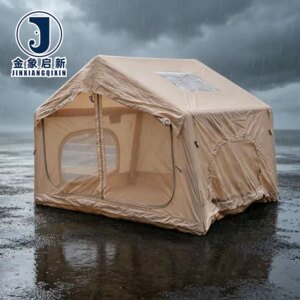
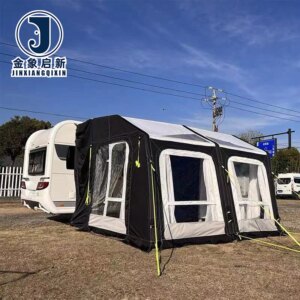
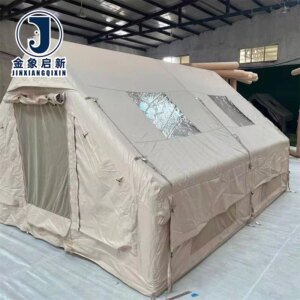
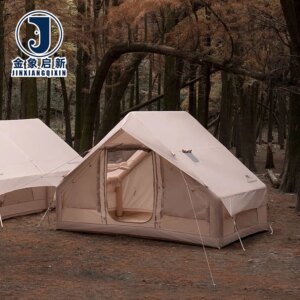
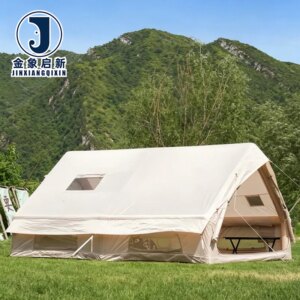
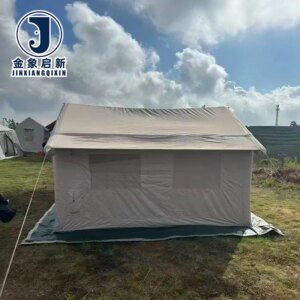
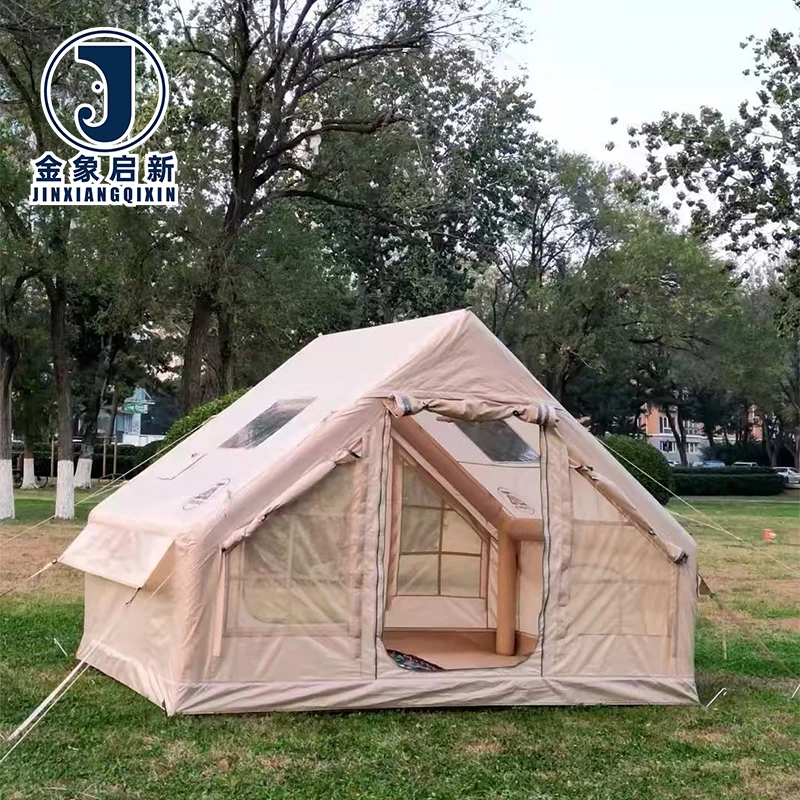
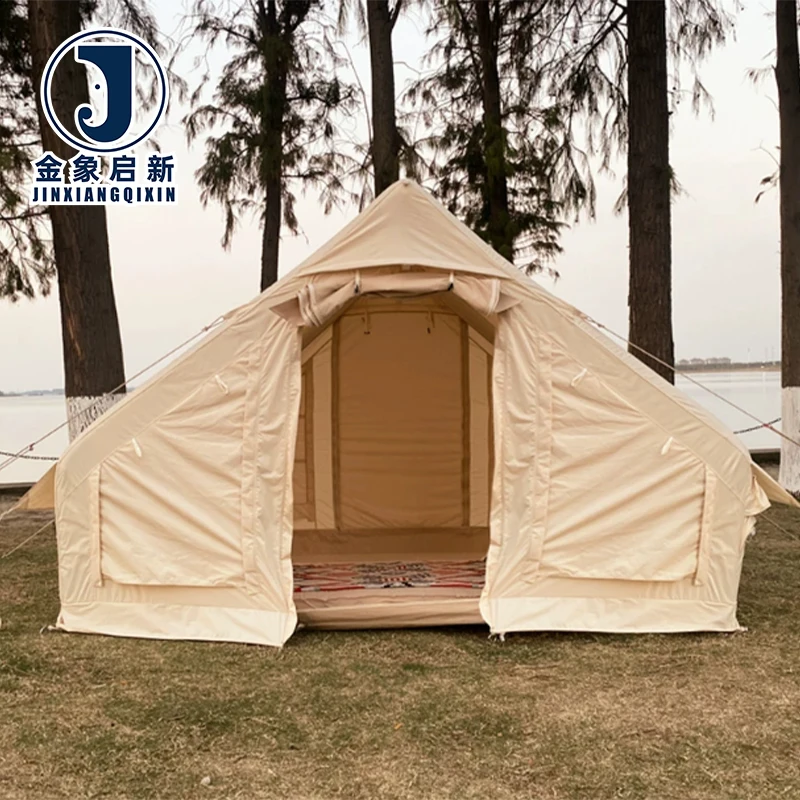
| Inflatable tent manufacturing | Repeated inflation cycles, fabric flex at seam lines, UV exposure during outdoor display |
| Temporary construction site shelters | Wind load, rain ingress, abrasion from tools and materials on site |
| Mobile agricultural equipment storage | Prolonged sun exposure, dust, moisture, seasonal temperature swings |
| Outdoor industrial event coverings | Crowd contact, staking tension, rapid setup and teardown cycles |
| Commercial rapid deployment shelters | Frequent transport, folding stress, variable weather across regions |
Why Roll-to-Roll Shade Variation Destroys Inflatable Tent Installations
Colour mismatch between rolls becomes visible the moment two panels stand side by side on an inflated structure.
When a tent manufacturer orders several rolls of inflatable tent fabric roll wholesale for a single production run, even a slight delta in hue or gloss across rolls can render one full panel unusable. The buyer absorbs the waste, the production schedule slips, and the end client questions the entire batch. This problem traces back to inconsistent pigment dispersion and uneven coating thickness during manufacturing — defects that only surface once the fabric is cut and assembled [NEED_CITE: batch colour consistency standards for coated technical textiles]. Dedicated in-process QA at every coating stage catches these deviations before the roll leaves the line.
How PVC Coating Weight Influences Inflatable Structure Performance
The PVC coating applied to the base fabric determines how the material behaves under inflation pressure. A heavier coating fills the weave more completely, reducing air permeability and improving waterproofness, which matters when the tent must hold shape in sustained wind. Buyers sourcing inflatable tent fabric roll wholesale should request the coating weight alongside the total GSM so they can evaluate air retention and seam sealing behaviour independently. Our rolls are produced on lines where coating application is monitored continuously, keeping the weight within the agreed tolerance from the first metre to the last.
Tensile and Tear Behaviour Under Inflation Load
An inflatable tent places unusual demands on its fabric. The material must resist biaxial tension while inflated and must not propagate a tear if punctured by a stake or sharp edge during setup. The base fabric denier and weave density work together with the PVC coating to manage these forces — the yarn carries the tensile load while the coating distributes stress across adjacent yarns. Specifying on total weight alone misses this interaction [NEED_CITE: tensile and tear test methods for coated fabrics per ISO 1421]. Our technical team can supply the base fabric specification for each roll grade so your engineering department can model the load path accurately.
Reading the Specification Sheet Beyond Total Weight
Total GSM is the most quoted number on any PVC tarpaulin data sheet, but it tells only part of the story. The base fabric construction — yarn denier, ends and picks per centimetre — governs how the material resists tearing once a nick occurs. Coating adhesion, measured as peel strength between the PVC layer and the base cloth, determines whether the coating delaminates at a heat-welded seam under repeated inflation and deflation cycles. Surface finish, whether glossy or matte, affects both print quality for branded panels and the ease of cleaning after field use. Understanding these parameters lets a tent manufacturer match the roll to the specific stress profile of their design rather than defaulting to the heaviest option available.
The Hidden Cost of Ordering the Wrong Roll Grade
A tent manufacturer that specifies a light-grade roll to save on material cost may face warranty claims when seams split at the inflation stress points after a single season. Conversely, selecting a fire-retardant grade for a market that does not require certification adds cost without adding value — and if the certification paperwork does not match the local code, the entire installation can be rejected at inspection [NEED_CITE: fire classification requirements for temporary structures by region]. Batch inconsistency compounds these losses: one off-spec roll in a multi-roll order can halt production while a replacement is shipped. Matching the roll specification precisely to the end-use requirement and the destination market’s regulatory framework prevents both over-engineering and under-performance.
Why Source Inflatable Tent Fabric Here
Three full production lines running PVC coated fabric mean capacity is available for container-volume orders without extended scheduling delays. The 36 sets of professional processing equipment handle everything from coating to slitting and rewinding under one roof, reducing handling damage risk. A 10-person R&D team develops custom colour matches and pattern print proofs within days, not weeks, so sample approval does not stall the production timeline. Dedicated QA and QC checkpoints at every stage — base fabric inspection, coating weight verification, colour measurement, and final roll packing — ensure the rolls you receive match the samples you approved. Nearly 30 years of continuous coated fabric production informs every process decision, from formulation to winding tension.
Documentation & Verification
- Material specification sheet listing GSM, base fabric denier and weave density for every roll
- Pre-shipment inspection record confirming colour reference and coating adhesion per roll
- UV and flame-retardant test reports supplied when the specified grade requires certification
- Certificate of origin and customs documentation included with every export shipment
- Roll packing list with individual roll numbers matched to the purchase order line items
Fabrication, Handling & Storage
- Heat-weld seams at temperatures suited to the PVC coating thickness to avoid delamination at inflation stress points
- Store rolls upright on pallets in a dry, shaded area to prevent flat spots that complicate unrolling on the production floor
- Use a sharp blade and clean cutting surface to avoid fraying the base fabric edges before welding
- Allow cold-stored rolls to reach workshop temperature before unrolling to prevent coating crack at low flexibility
- Clean printed panels with mild detergent only; solvent-based cleaners can degrade the PVC surface and affect print adhesion
What We Need to Quote Your Roll Order
Tell us the total GSM or the end-use environment so we can recommend the correct coating weight and base fabric grade. Confirm whether your destination market requires fire-retardant or anti-static certification, and specify the applicable standard. Provide your required roll width, colour references or Pantone codes, and estimated annual volume so we can plan production slots and confirm lead times.
Frequently Asked Questions
Q: How do you ensure roll-to-roll colour consistency across a bulk order?
A: Every production run uses a single pigment batch, and colour is measured at multiple points along each roll against the approved reference. Any roll falling outside the agreed delta is held before packing. Pre-shipment inspection records include the colour confirmation for every roll in your order.
Q: What GSM grades are available for inflatable tent fabric, and how is weight verified?
A: We supply lightweight through heavy-duty GSM grades suited to different inflatable structure sizes and inflation pressures. Weight is verified per roll during production and again at pre-shipment inspection. The specification sheet shipped with your order states the measured GSM for each roll number.
Q: Can you supply flame-retardant certified rolls for European or North American markets?
A: Fire-retardant grades are available, and the applicable test standard must be confirmed before production. We supply the corresponding test report with the shipment. Contact us with your destination market and the regulation reference so we can match the correct certification to your order.
Q: What are the custom width and pattern printing options, and what is the MOQ?
A: Custom widths, lengths and pattern printing are supported by our R&D team for OEM and ODM projects. Samples are developed within days for approval before bulk production. Minimum order quantities vary by specification complexity and print design, confirmed at the quotation stage.
Q: How is roll stock packed to prevent transit damage?
A: Each roll is wrapped in protective film and packed upright on pallets to prevent crushing and edge damage during container transit. A detailed roll packing list with roll numbers and weights is included so you can verify the count on arrival against your purchase order.