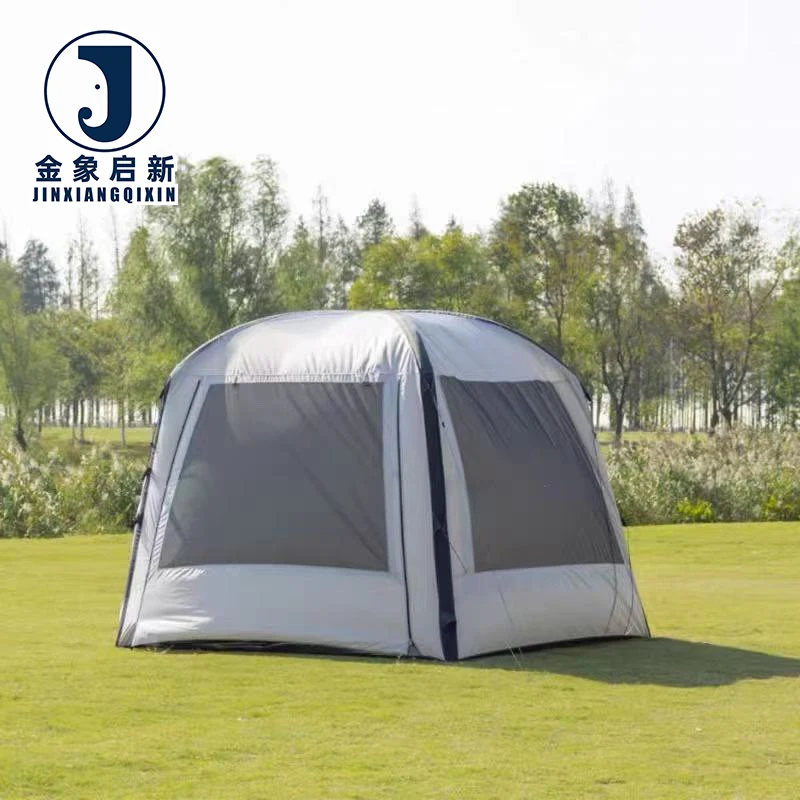
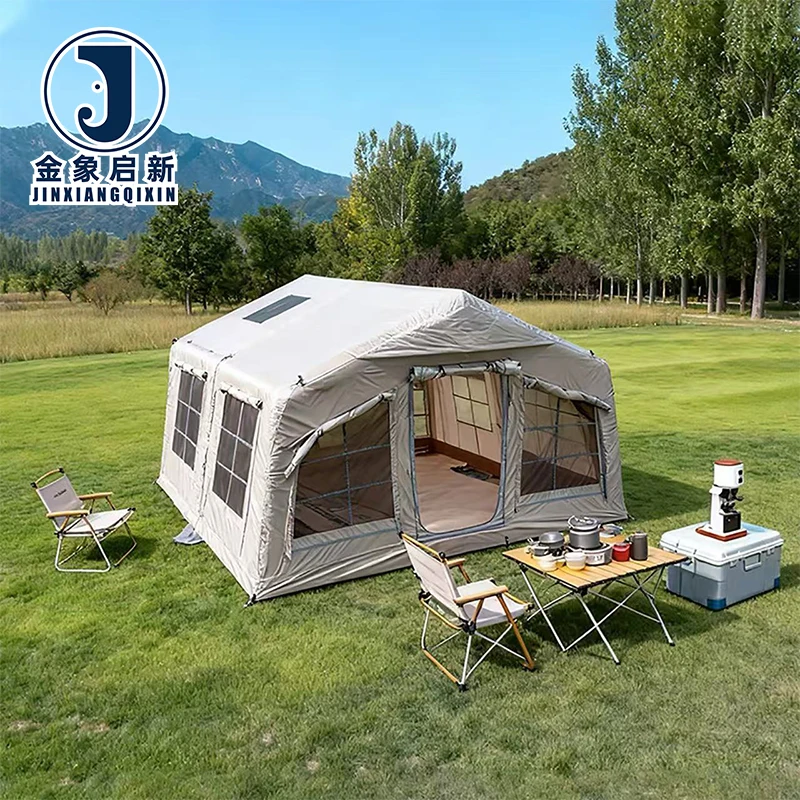
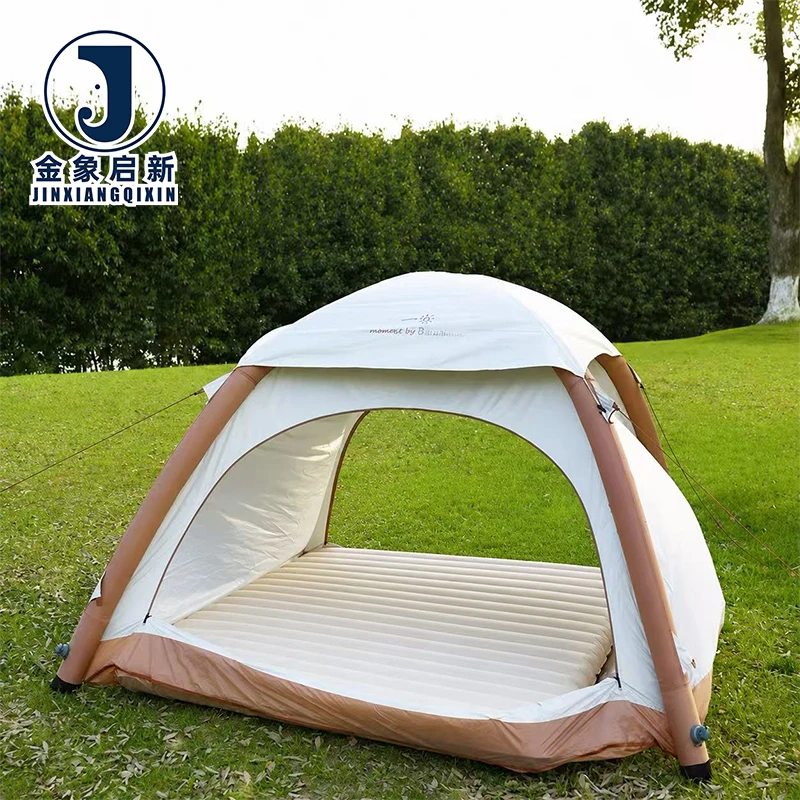
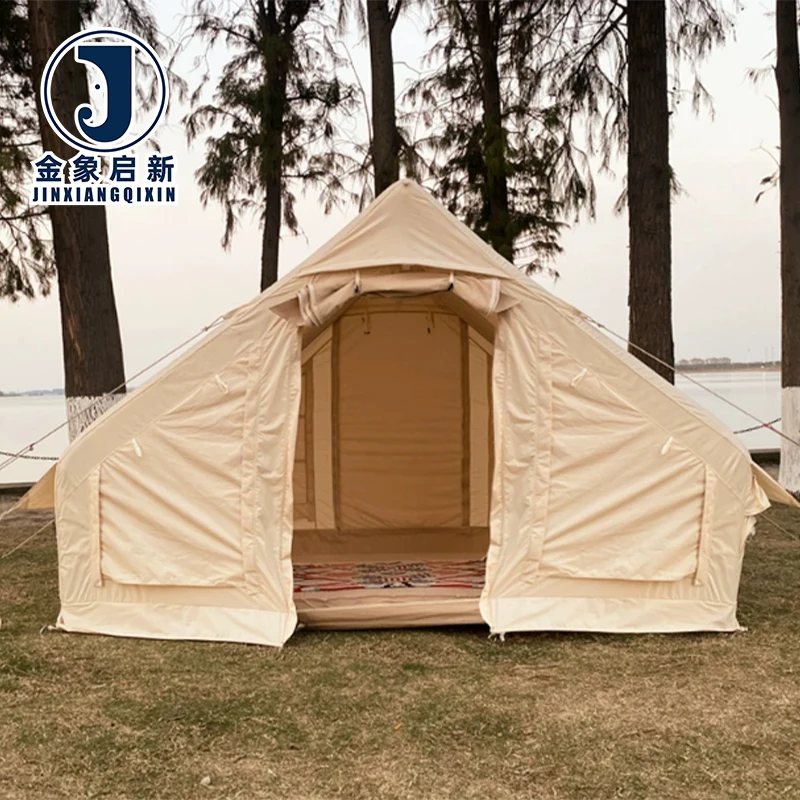
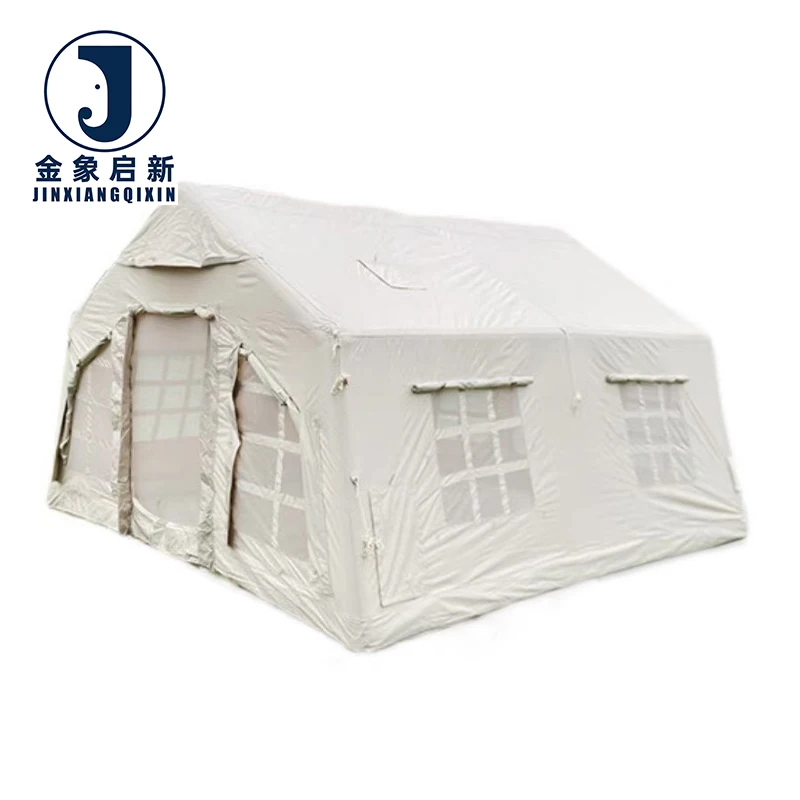
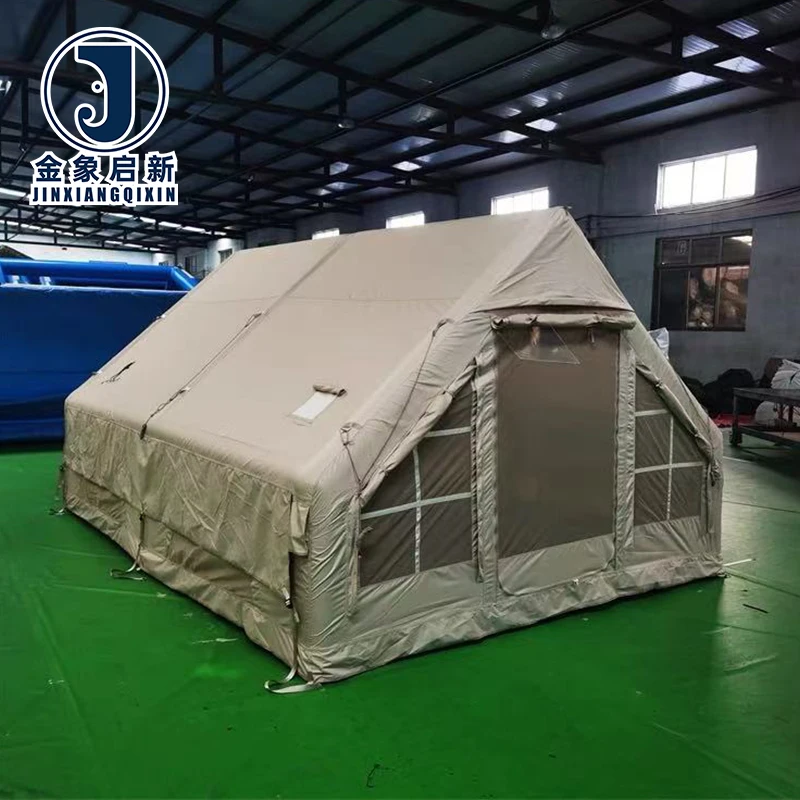
Description
Coating Weight Control — every roll of PVC tarpaulin for inflatable structures is verified against stated GSM before dispatch, ensuring your fabricated tents meet the structural and safety specifications quoted to your end users.
Technical Specifications
| Parameter | Value |
|---|---|
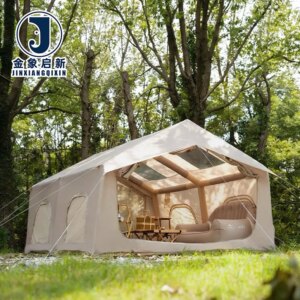
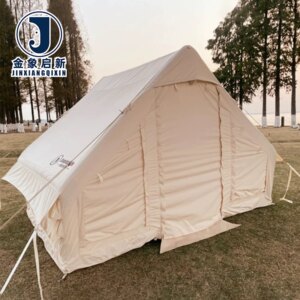
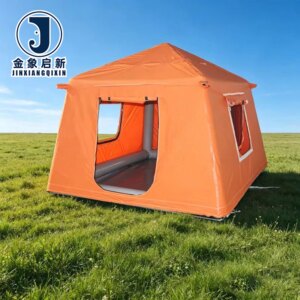
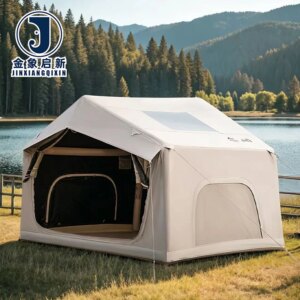
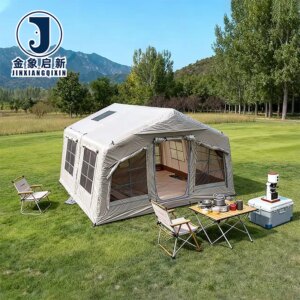
| Product Type | Automatic Inflatable 3-5 Person PVC Camping Tent |
| Core Material | PVC Tarpaulin |
| Construction | Single Layer |
| Design Type | Extended Type, Four-Season Design |
| Deployment Mechanism | Automatic Inflatable, Quick Opening |
| Capacity | 3-5 Person |
| Waterproof | Fully waterproof coated construction |
| UV Resistance | Available in UV-resistant grades — confirm the test basis required for your market |
| Fire Retardancy | Available in fire-retardant grades — confirm the grade required for your market |
| Anti-static | Available in anti-static options — confirm surface resistance or standard required |
| Tear Resistance | Tear-resistant base fabric construction |
| Customization | OEM & ODM: sample customization, pattern printing, material selection, product design |
| Production Facility | 9,180 m² |
| Production Lines | 3 full production lines |
| Processing Equipment | 36 sets |
| R&D Team | 10 technicians |
| Quality Control | Strict full-process inspection with dedicated QA & QC staff |
| Standards | ISO 9001, ISO 14001, ISO 45001, CE |
Application Suitability
| Application | Exposure & Requirement |
|---|---|
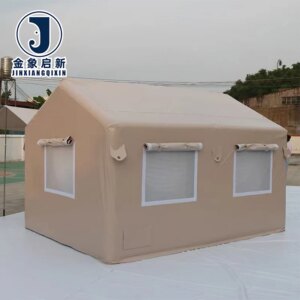
| Temporary site offices at remote construction projects | Continuous outdoor weathering, wind load, UV exposure, rapid deployment needed |
| Equipment storage coverings during maintenance shutdowns | Abrasion from equipment edges, moisture ingress prevention, repeated inflation cycles |
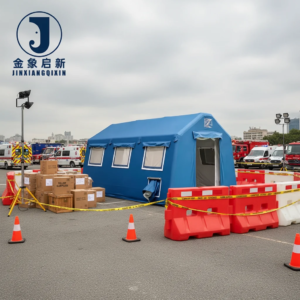
| Mobile command centers for infrastructure inspections | Structural rigidity under inflation pressure, quick-opening for emergency response scenarios |
| Temporary workspace enclosures in outdoor industrial settings | Fire-retardant compliance on active sites, anti-static considerations in sensitive environments |
Why Stated Flame Retardancy Without a Grade Is a Procurement Risk
When sourcing an Automatic Inflatable PVC Tent aftermarket supplier, the term "flame retardant" on a data sheet means nothing without the specific test standard and classification behind it. A fabric either passes a named standard for your jurisdiction or it does not — there is no middle ground.
Industrial and construction sites enforce fire safety codes tied to specific classifications. If your inflatable tent fabric arrives with a generic claim but no test report matching the standard your local authority requires, the entire structure may be rejected at the site safety inspection. This is not a theoretical concern; it halts operations, triggers replacement orders, and damages your reputation with the contractor who trusted your specification. [NEED_CITE: fire classification standards for temporary structures and coated fabrics]
Single Layer Construction for Rapid Deployment Structures
Inflatable tent manufacturers sourcing PVC fabric by the roll need material that balances structural performance with practical weight. Single layer construction in this inflatable tent fabric keeps the overall mass manageable while maintaining the waterproof barrier and tensile integrity required for pressurized beam structures. The Automatic Inflatable PVC Tent aftermarket supplier provides this fabric with coating formulations that support high-frequency welding, which is the dominant joining method for inflatable beam and tube fabrication.
Fire-Retardant and Anti-Static Options for Site Compliance
Construction sites, mining operations, and aviation maintenance facilities each impose distinct fire safety and electrostatic requirements on temporary structures. The PVC tarpaulin used for these inflatable shelters is available in fire-retardant grades and anti-static variants, but the specific classification must be confirmed against your project specification before production begins. Buyers must state the exact standard — whether a national building code classification or an industry-specific protocol — so the correct formulation is selected and documented. [NEED_CITE: industrial site fire safety requirements for temporary inflatable enclosures]
How Coating Method and Base Fabric Determine Real-World Performance
The tensile and tear behaviour of inflatable tent fabric is not dictated by GSM alone. Base fabric denier and weave density establish the structural skeleton, while the PVC coating method — whether knife-over-roll, lamination, or calendering — determines coating adhesion, weld compatibility, and surface finish. A heavier coating on a loosely woven base may show a high GSM figure but underperform in tear propagation resistance compared to a lighter coating on a tighter weave. For inflatable beam structures, the peel strength between coating and substrate is critical because the pressurized tubes place continuous stress on the coating interface, and delamination at a weld line compromises the entire structure.
The Hidden Cost of Weld Failures in Inflatable Beam Structures
Inflatable tents fail most often at the seams, not in the field of the fabric. When the coating formulation is not matched to the welding parameters — temperature, pressure, and dwell time — the bond at the joint degrades before the fabric itself reaches its service limit. On a pressurized beam, this means the structure deflates under load, potentially during use. Fabricators who receive roll stock without clear guidance on compatible welding temperatures, or who work with PVC that has inconsistent coating thickness across the roll width, face unpredictable rejection rates on the production floor. [NEED_CITE: coated fabric weld integrity and peel strength testing methods]
Consistent Supply Infrastructure Behind Every Roll
The 10-person R&D team handles material selection, sample development, and pattern printing specifications, so custom inflatable tent fabric requirements move from inquiry to approved sample within days rather than weeks. Three full production lines and 36 sets of processing equipment provide the capacity to fulfil large-volume roll orders while maintaining batch-to-batch colour and coating consistency. Dedicated QA and QC staff conduct inspection at every production stage, with 100% pre-shipment checks including seam integrity evaluation. The facility holds ISO 9001, ISO 14001, ISO 45001, and CE certifications, each tied to documented process controls rather than displayed as wall decorations.
Documentation & Verification
- Material specification sheet stating GSM, base fabric construction, and coating type for every inflatable tent fabric roll
- Colour reference documentation ensuring batch consistency across multi-roll orders for large tent fabrication runs
- Test reports for UV-resistant and fire-retardant grades provided where applicable to your specified standard
- Pre-shipment inspection record covering coating weight verification and visual surface quality
- Certificate of origin and customs documentation included with each export shipment
Fabrication, Handling & Storage
- Set high-frequency welding parameters to match the specific PVC coating formulation used on this inflatable tent fabric
- Allow roll stock to acclimate to workshop temperature before unrolling to prevent creasing in the coated surface
- Store rolls vertically on pallets in a dry environment to avoid permanent compression marks on the PVC coating
- Use compatible PVC-based repair patches and solvent cements matched to the coating chemistry for field repairs
- Plan cutting layouts to minimize waste, accounting for the roll width and the beam diameter patterns of your tent design
- Avoid dragging cut panels across unprotected floors to prevent abrasion damage to the single layer coated surface
What We Need to Quote Your Inflatable Tent Fabric Accurately
Provide the intended application environment and the specific fire-retardant or anti-static classification your market requires, along with the annual volume and preferred roll width. If you need pattern printing or custom colour matching, share the reference codes or physical samples so the R&D team can prepare a coating formulation match. State whether you require raw roll stock for your own fabrication line or finished cut-to-size panels with welded seams.
Frequently Asked Questions
Q: How is the GSM and coating weight verified before shipment for inflatable tent fabric orders?
A: Every roll undergoes weight verification against the stated GSM at the pre-shipment inspection stage. Dedicated QA staff sample from each production batch, measure the coated fabric weight, and record the result in the inspection report that accompanies your shipment. Any deviation outside the agreed tolerance triggers a hold and review before dispatch.
Q: What fire-retardant grades are available for inflatable tent applications?
A: The fabric is available in fire-retardant formulations, but the specific grade must be confirmed against your local regulatory requirement or project specification. State the standard you need — whether a national building material classification or an industry-specific fire safety protocol — and the corresponding test report will be supplied with your documentation package.
Q: What is the anti-UV test basis and expected outdoor exposure performance?
A: UV-resistant formulations are available, but the specific test basis and performance classification depend on the grade selected for your order. Provide the exposure conditions and any regional testing standards your end market requires, and the R&D team will recommend the appropriate coating formulation with supporting documentation.
Q: How are batch colour consistency and pattern printing quality controlled across large-volume roll orders?
A: Colour reference standards are established during sample approval and maintained across all rolls in a production run. The quality control team checks colour consistency between rolls using the approved reference, and pattern printing quality is verified for registration accuracy and ink adhesion before the rolls are packed for dispatch.
Q: What OEM and ODM customization options are available for inflatable tent fabric?
A: Customization covers material selection, coating weight, colour matching, pattern printing, and finished product dimensions. The 10-person R&D team develops samples based on your specification, covering everything from base fabric grade and surface finish to custom widths and printed branding, with approved samples serving as the production reference.