Description
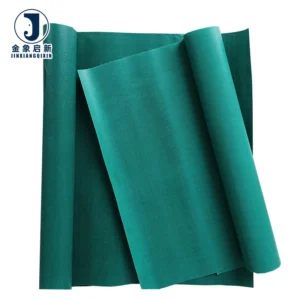
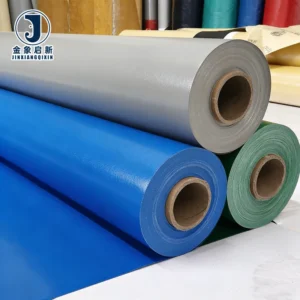
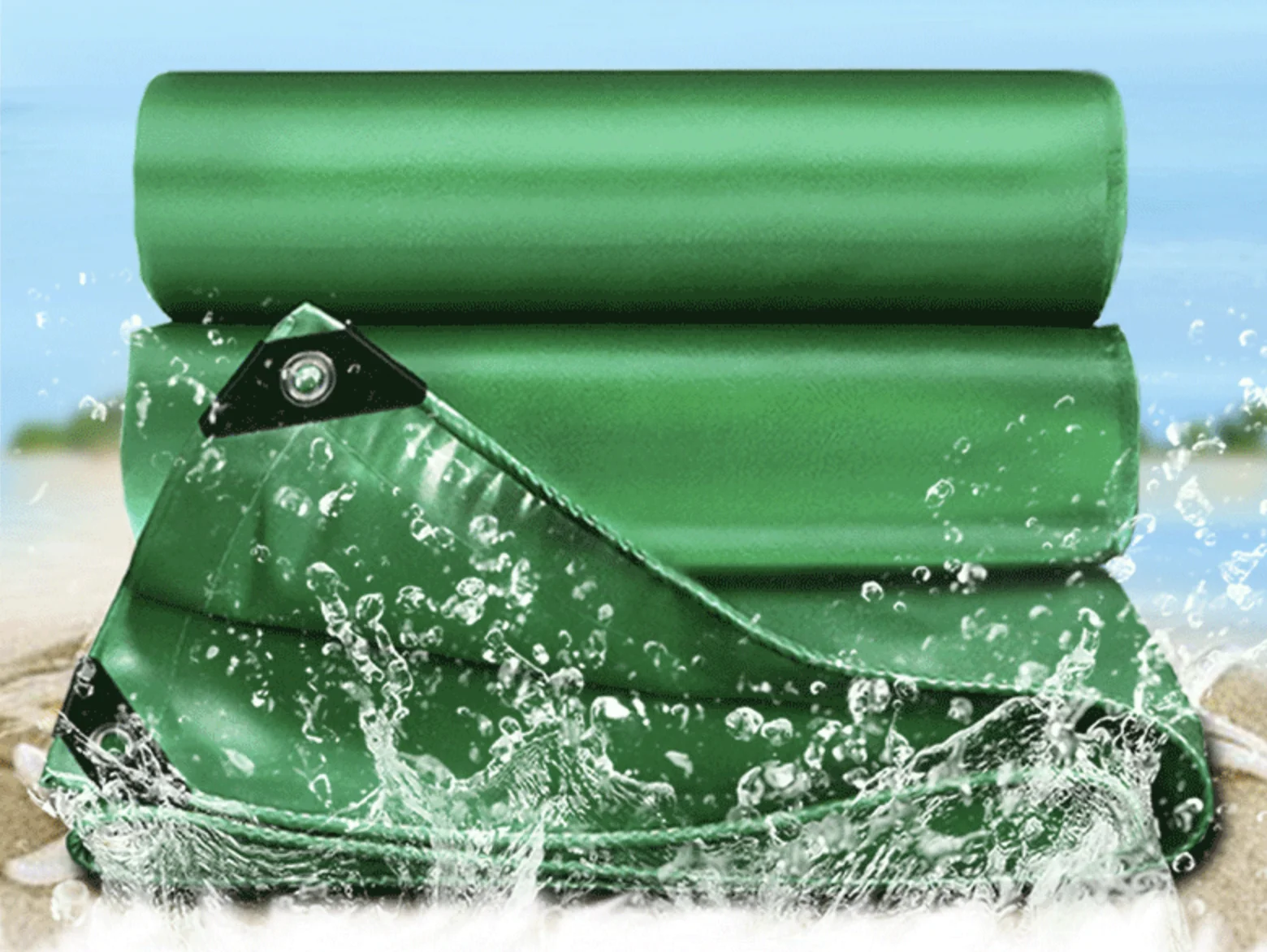
Batch-Verified Roll Consistency — Every roll of PVC knife coated tarpaulin leaving the production line carries a pre-shipment inspection record confirming GSM and colour match, so your container load arrives as uniform as the sample you approved.
Technical Specifications
| Parameter | Value |
|---|---|
| Product Type | PVC Coated Tarpaulin |
| Coating Method | Knife Coated |
| Coating Material | PVC |
| Welding Compatibility | HF, Hot Air, Sewing |
| Waterproof Performance | Waterproof (grade not stated in source) |
| Flame Retardant | Fire retardant grades available — confirm the grade required for your market |
| UV Resistance | UV treated — test basis available on request |
| Anti-Mildew | Antibacterial and mildew proof |
| Oil and Stain Resistance | Yes |
| Acid and Alkali Resistance | Yes |
| Temperature Range | High temperature and cold resistance (specific range not stated in source) |
| Anti-Oxidation | Yes |
| Flexibility | Highly flexible, resistant to cracking |
| Self-Cleaning Surface | Yes |
| Tensile Strength | Excellent (test standard not stated in source) |
| Tear Strength | Excellent (test standard not stated in source) |
| Peeling Resistance | Excellent (test standard not stated in source) |
| Certifications | ISO, CE |
Application Suitability
| Application | Exposure & Requirement |
|---|---|
| Tarpaulin distributor regional stock | Consistent colour and GSM across rolls, broad width selection for downstream cutting |
| Tent, awning and inflatable manufacturing | Clean weld-ability by HF or hot air, flexibility for repeated folding and tensioning |
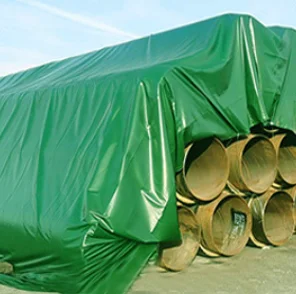
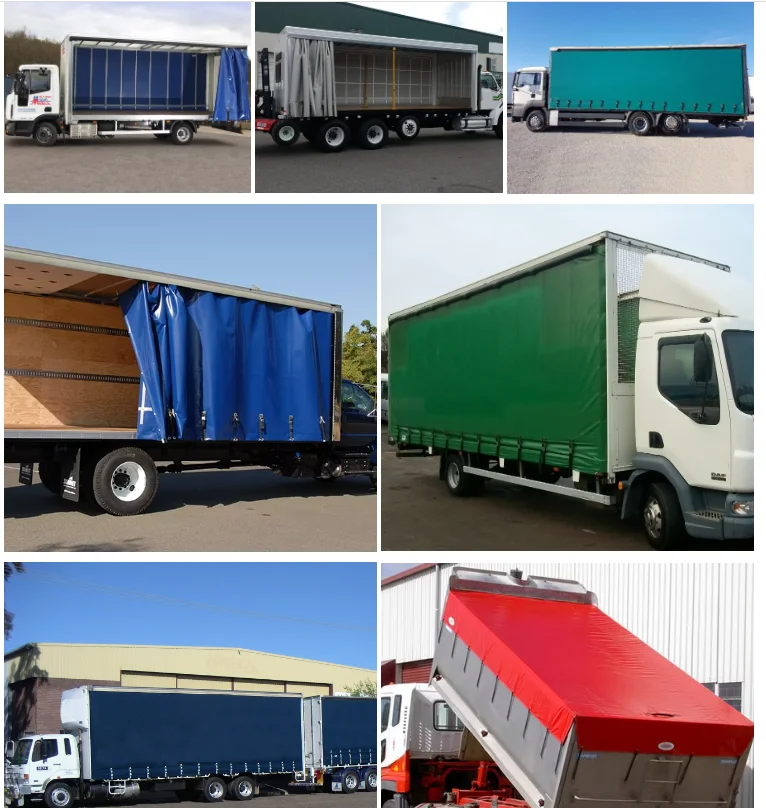
| Truck side curtain and trailer cover fabrication | Constant flexing at load points, road abrasion, UV exposure, seam integrity under load shift |
| Tensile and membrane structures | Long-term weather exposure, tensile load bearing, resistance to ponding water and wind flutter |
| Shade systems and stadium canopies | Solar heat buildup, UV degradation risk, structural tension over wide spans |
| Portable storage and airport hangar covers | Wind load, temperature fluctuation, handling stress during erection and dismantling |
Why a Quoted GSM Does Not Guarantee Roll-to-Roll Uniformity
A stated GSM on the invoice means little if the rolls in your container were not individually verified before dispatch.
Buyers who purchase PVC Coated Tarpaulin Roll wholesale frequently discover, only after unrolling multiple pieces side by side on a job site, that the weight and colour drift between rolls. The coating thickness varies across the production run, and a lighter roll installed next to a heavier one creates a visible tonal shift that the end client rejects. Colour inconsistency and under-weight material are not separate failures — they share the same root cause: insufficient in-line process control during the coating pass [NEED_CITE: coating weight monitoring methods for knife-coated PVC fabric].
Knife Coating Process and Why It Affects Fabrication Behaviour
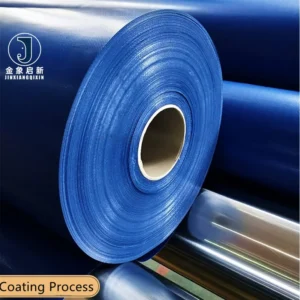
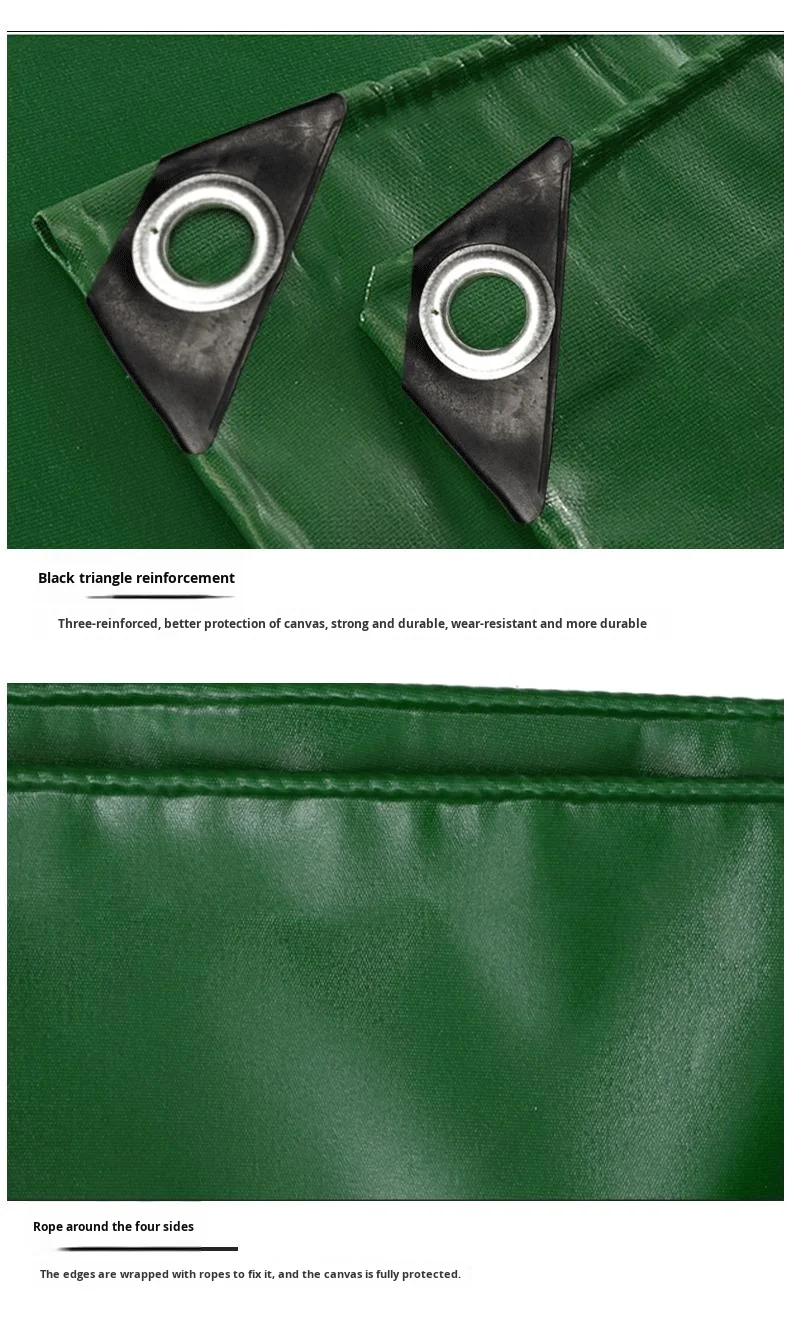
Knife coating applies the PVC compound directly onto the base fabric under a precisely set blade gap, building a thicker and more uniform film than dip or calender methods. This produces stronger adhesion between the yarn and the coating layer, which matters directly when fabricators hot-air weld seams on truck curtains or tensile structures. The PVC Coated Tarpaulin Roll produced this way supports HF, hot air and sewing without delamination at the weld line.
Batch Colour Consistency from Controlled Pigment Dispersion
Colour drift between rolls typically originates from uneven pigment dispersion in the plastisol mixing stage or from temperature fluctuation across the oven zones during curing. Maintaining tight control over these variables ensures that a buyer ordering twenty rolls for a fleet curtain project receives material that matches visually once installed panel to panel. Pre-production sample approval locks the colour reference before the bulk run begins [NEED_CITE: colour fastness test methods for coated technical textiles].
How GSM, Base Fabric Density and Coating Weight Interact
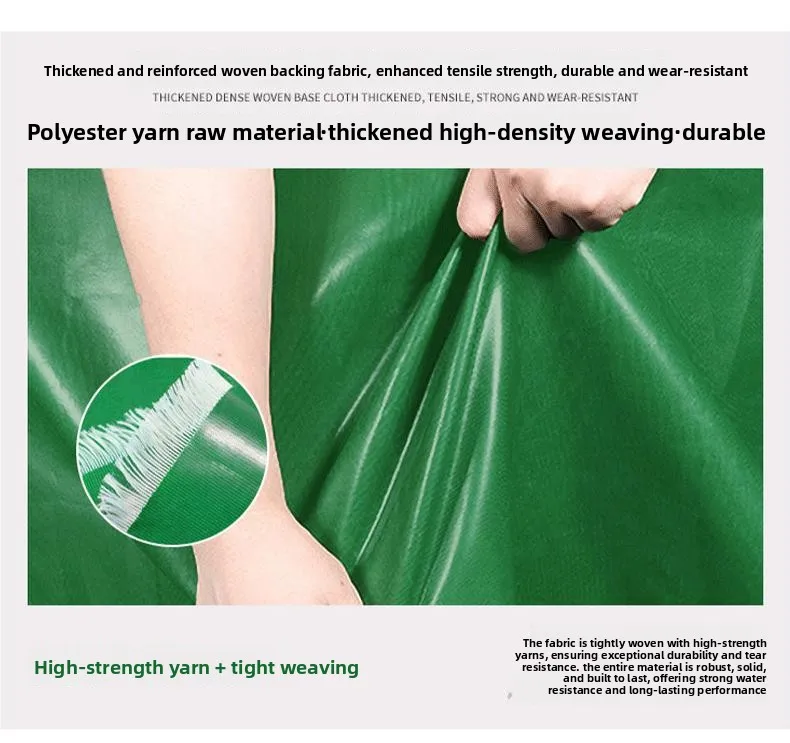
A common mistake in sourcing PVC coated tarpaulin is treating GSM as the sole indicator of strength. The base fabric denier and weave density determine how load distributes across the yarn matrix, while the coating weight contributes puncture resistance and environmental protection. A roll with moderate GSM but a tight base weave can outperform a heavier roll built on a loose scrim. Knife coating allows the PVC to penetrate the yarn interstices more thoroughly than lamination, raising peel resistance — the property that prevents the coating from separating under flex fatigue at fold points and welded seams. Understanding this relationship helps buyers specify on performance rather than weight alone.
The Hidden Cost of Specifying on Quotation Weight Alone
When a distributor accepts a PVC tarpaulin roll shipment without individual roll verification, the downstream risk compounds. A fabricator cutting truck covers from under-weight rolls may see weld seams fail prematurely because the coating film is too thin to fuse properly under hot air. A tent manufacturer stitching panels from mismatched colour batches faces a full replacement claim from the event organiser. These failures rarely show up at the material intake stage — they emerge weeks later, under real-world load and light conditions, and the rework cost far exceeds the price difference between a verified and an unverified roll [NEED_CITE: common causes of welded seam failure in PVC coated fabrics].
Why Sourcing PVC Tarpaulin Roll Wholesale from This Line
Three full production lines and thirty-six sets of professional equipment provide the volume capacity to fill container orders without splitting production across mismatched batches. A ten-person R&D team develops samples within days for GSM, colour and finish approval before bulk commitment. Dedicated QA and QC inspection runs at every production stage, culminating in a one-hundred-percent pre-shipment check that catches weight drift and visual defects before the roll is wrapped. The knife coating process is controlled in-house from plastisol mixing through curing, keeping adhesion and surface quality within tolerance across the entire order. Roll packing is planned by count and weight to match container limits, reducing the chance of transit damage from over-stacking.
Documentation & Verification
- Material specification sheet per order stating GSM, base fabric denier and coating weight
- Pre-shipment inspection record confirming weight and colour match per roll
- Roll packing list detailing roll count, individual weight and container loading plan
- Test reports for UV and flame-retardant grades supplied where applicable
- Certificate of origin and customs documentation included at dispatch
Fabrication, Handling & Storage
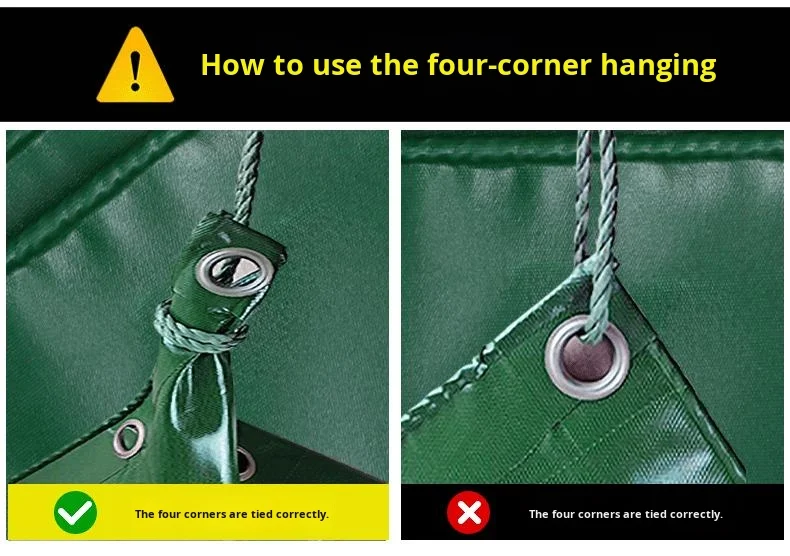
- HF and hot air welding parameters should be calibrated to the knife coated PVC film thickness for consistent seam strength
- Store rolls upright on pallets to prevent flat-spot deformation on the coating surface
- Allow rolls to acclimatise before unrolling in cold conditions to avoid coating stiffness and cracking
- Cut panels with allowance for weld seam overlap to maintain tensile continuity across joins
- Use compatible PVC-based repair patches for field repairs on coated surfaces
- Clean with mild detergent only to preserve the self-cleaning and anti-mildew surface treatment
Requesting a Quote That Matches Your Roll Stock Needs
Provide the target GSM range, required stock widths, and the annual volume you plan to draw down so the production schedule can reserve line capacity. Share any colour reference or finish preference along with your market’s fire classification requirement if applicable. Indicate whether you need rolls shipped at standard length or custom cut-to-length for your fabrication line.
Frequently Asked Questions
Q: How is the actual GSM of each roll verified before shipment?
A: Every roll is weighed and measured during the pre-shipment inspection stage. The results are recorded on the material specification sheet and the inspection report that accompanies the dispatch. This lets you cross-check the arrival weight against the documented value without relying solely on the quotation figure.
Q: Can colour consistency be maintained across twenty or more rolls in a single order?
A: Colour consistency is managed by controlling pigment dispersion during plastisol mixing and maintaining stable oven temperatures across the curing stage. A pre-production sample is sent for approval before the bulk run begins, and the approved reference is used as the benchmark for visual inspection on every roll.
Q: What stock widths are available and how does minimum order quantity work for custom widths?
A: Standard stock widths cover common fabricator requirements and are available in full roll lengths. For custom widths outside the standard range, a minimum quantity applies to justify the line setup. Provide your required width and total meterage so the production team can confirm feasibility and lead time.
Q: How are rolls packed and loaded into containers?
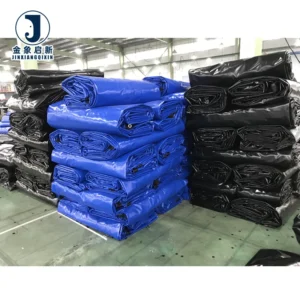
A: Rolls are packed upright on pallets with protective wrapping to prevent surface damage and edge crushing during transit. A roll packing list is provided showing roll count, individual weight, and total container weight, planned to maximise utilisation while staying within container load limits.
Q: Do you supply UV or flame-retardant test reports with the shipment?
A: Test reports for UV resistance and flame-retardant performance are provided where the specified grade has been tested. Buyers should confirm the exact classification required for their market at inquiry stage so the correct grade is produced and documented before dispatch.