Description
Batch Consistency — Every roll in your order is checked against the stated GSM and colour reference before it leaves the facility, so what you quote matches what arrives at your warehouse.
Technical Specifications
| Parameter | Value |
|---|---|
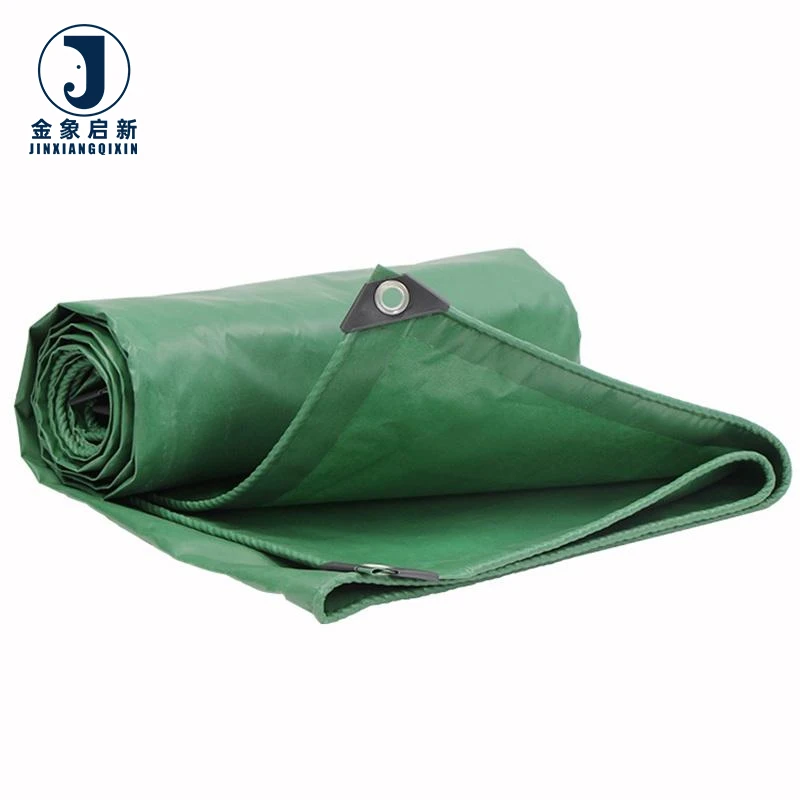
| Product Type | PVC Coated Tarpaulin Roll |
| Coating Material | PVC |
| Base Fabric | High-strength polyester mesh fabric |
| Weight (GSM) | 350gsm / 420g / 500gsm / 550gsm / 600gsm / 750gsm (confirm the grade for this item) |
| Total Thickness | 0.32mm / 0.35mm / 0.4mm / 0.45mm / 0.5mm / 0.65mm |
| Coating Method | Laminated technology & Hot-melt Coating technology |
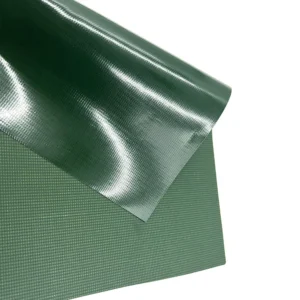
| Finish | Glossy Surface or Matt Surface |
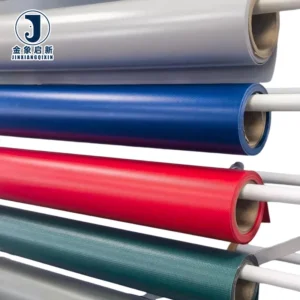
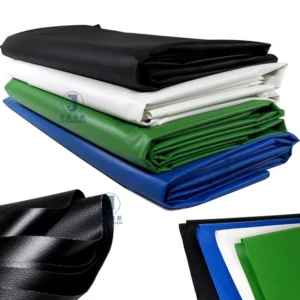
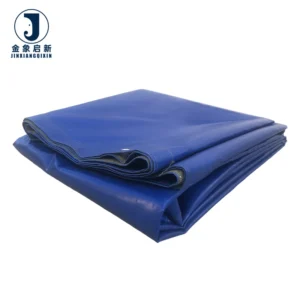
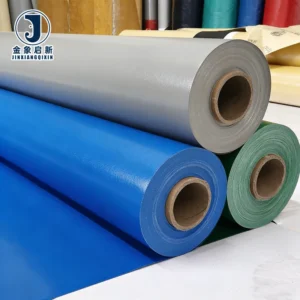
| Color | Blue / Red / Yellow / Light blue / Grey (Customized) |
| Width | 2m / 2.1m |
| Roll Length | 75m (for 2m width) / 50m (for 2.1m width) |
| Waterproof | Double-sided 100% Waterproof |
| Cold Crack Resistance | Stated (test basis not stated in source) |
| Anti-Mildew | Stated |
| Anti-Static | Stated (standard or surface resistance not stated in source) |
| UV Treatment | Sunproof stated (test basis not stated in source) |
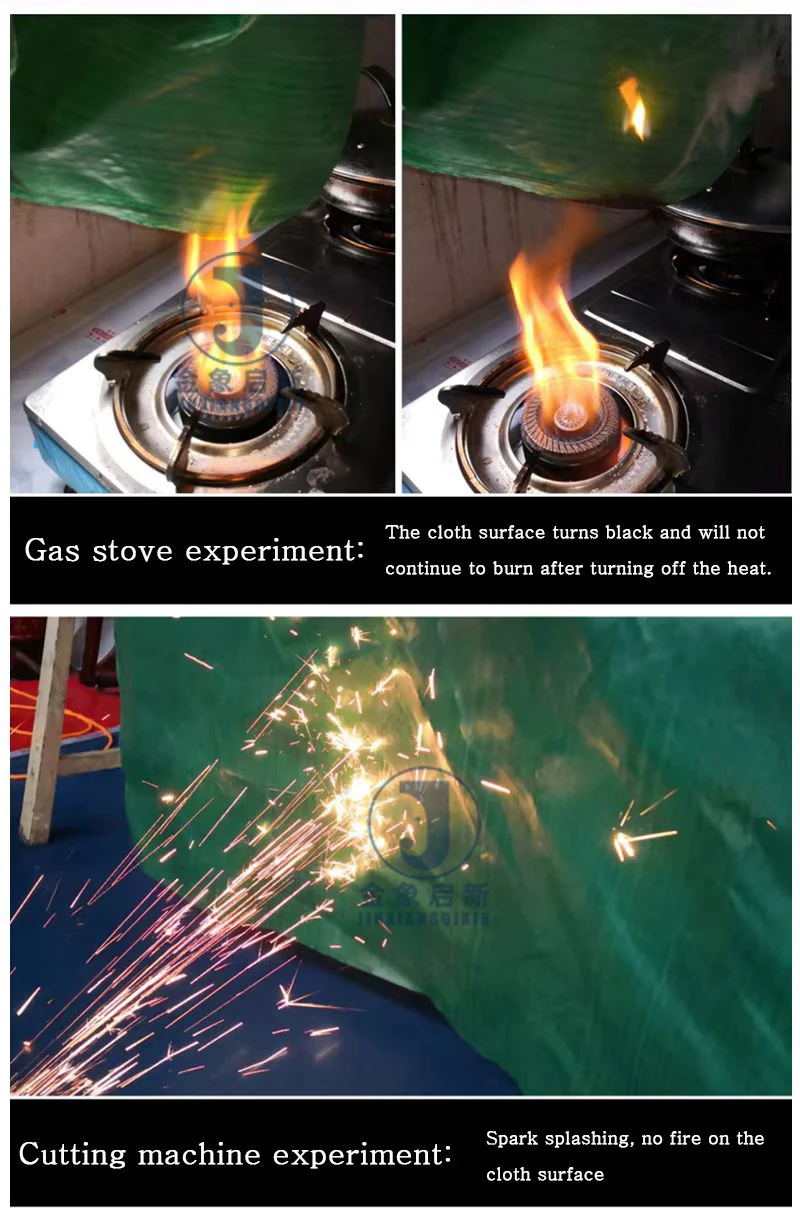
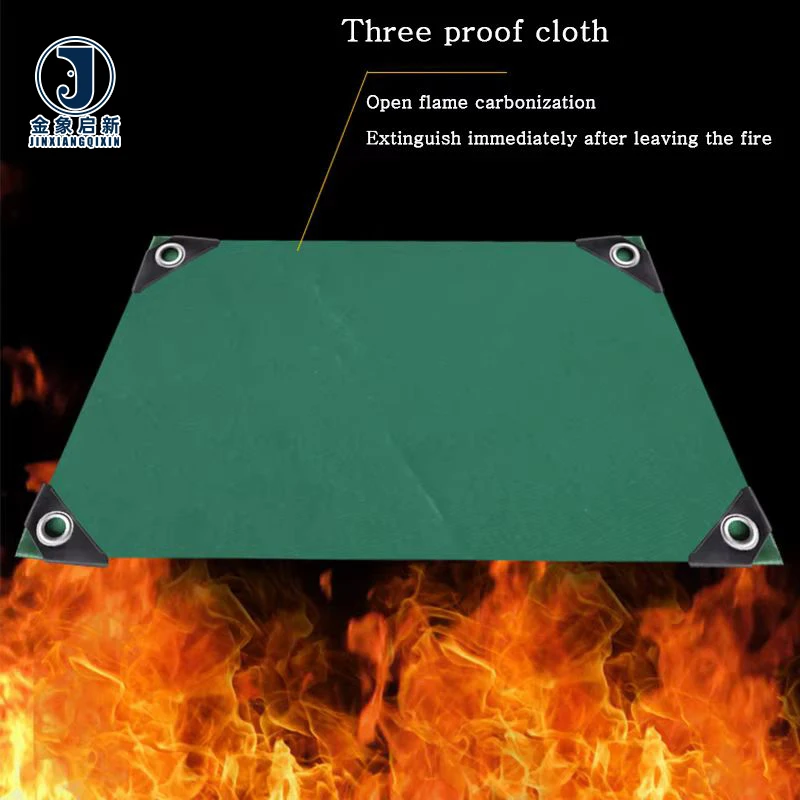
| Flame Retardant | Available in flame retardant grades — confirm the grade required for your market |
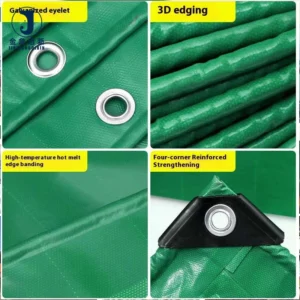
| Key Features | High tensile & tear strength, weldable, printable for custom branding |
| Standards | ISO, CE |
Application Suitability
| Application | Exposure & Requirement |
|---|---|
| Tarpaulin distributor resale stock | Broad weight range to serve regional contractors, consistent shade across rolls for customer-facing display |
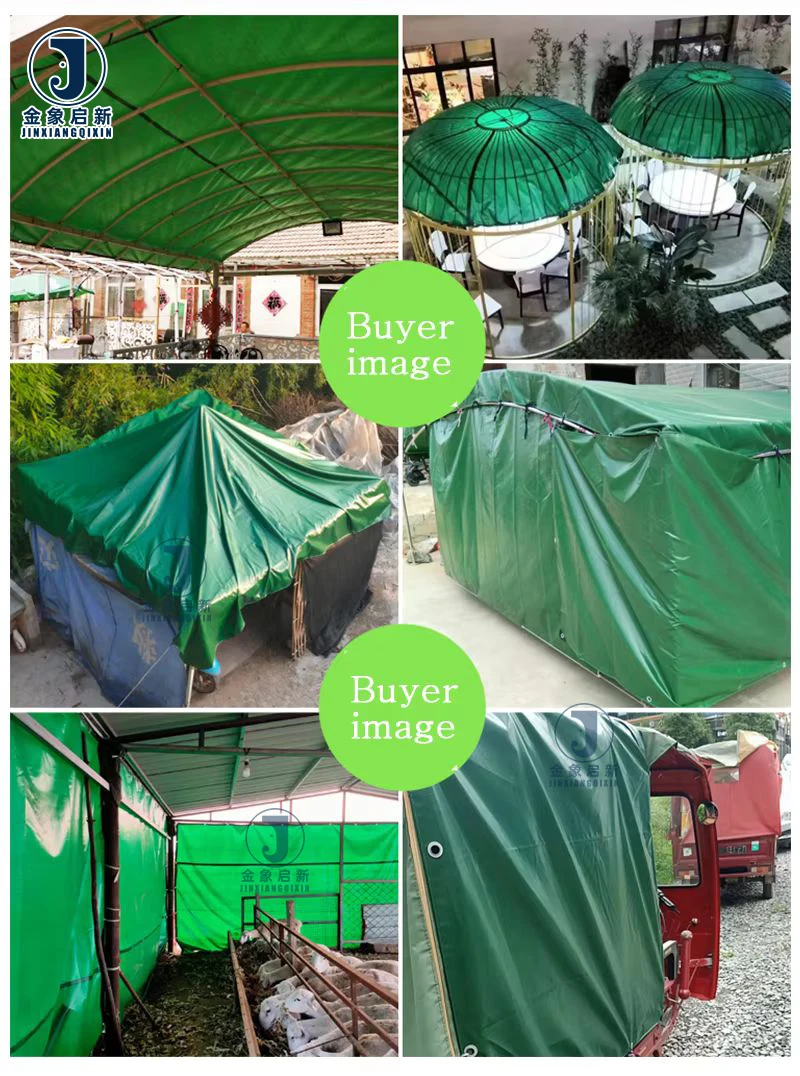
| Tent and awning fabrication | Roll-stock cutting and heat welding, glossy or matte finish depending on end-use aesthetics |
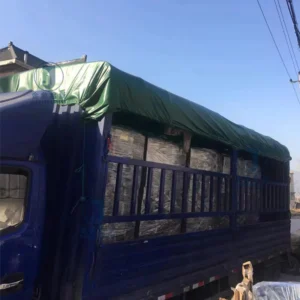
| Truck and trailer side curtains | Continuous flexing, road debris abrasion, prolonged sun exposure |
| Pond and reservoir liners | Permanent water immersion, soil chemistry contact, puncture risk from substrate |
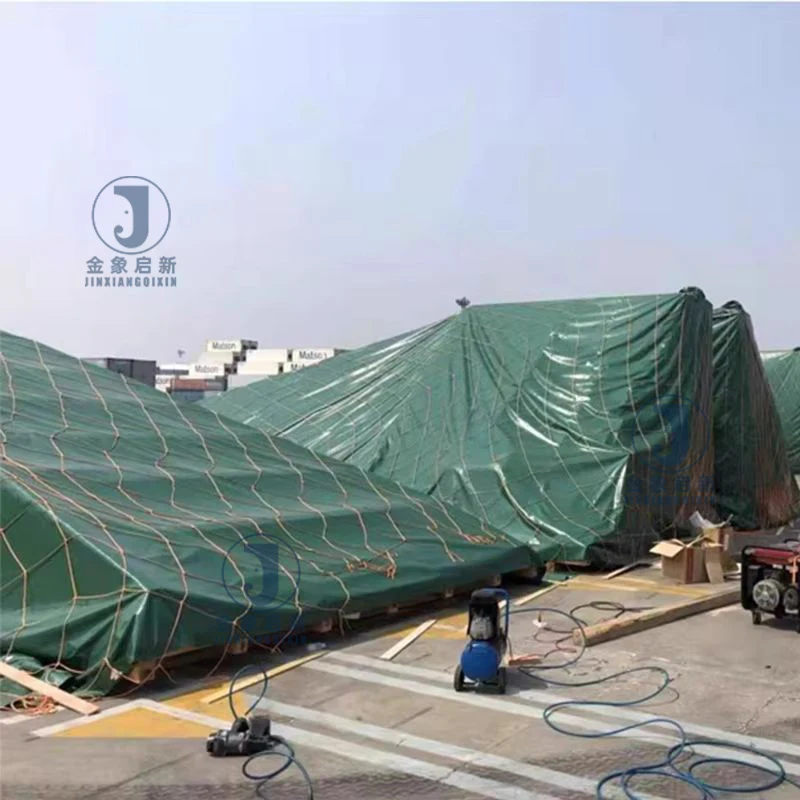
| Cargo ship covers | Salt spray, high winds, heavy rain, mechanical handling during loading |
Why Batch Weight Verification Matters for PVC Coated Tarpaulin Roll Wholesale and Bulk Orders
Every roll ships with a documented GSM specification so you can verify weight on arrival against your purchase order.
In the wholesale roll-stock trade, the gap between quoted GSM and actual delivered weight is a recurring dispute. Distributors have received containers where the coating felt lighter than agreed, only to find the supplier’s own inspection records were incomplete or missing. When a PVC coated tarpaulin roll wholesale or bulk shipment arrives underweight, the downstream fabricator cuts panels that fail earlier than expected, and the blame travels back to the distributor. The cost is not just the material — it is the reputational damage with your own customers who trusted your specification [NEED_CITE: GSM verification methods for coated fabrics per ISO 1421].
Roll-to-Roll Consistency Across GSM Grades
Distributors and importers need confidence that roll number one and roll number fifty in the same container carry the same weight and coating density. This PVC coated tarpaulin roll range is produced on lines where coating weight is monitored during the run, not just sampled at the start. Whether you are ordering the 350gsm grade for light-duty covers or the 750gsm grade for heavy transport applications, each roll in your PVC coated tarpaulin roll wholesale or bulk order is checked against the batch specification before packing.
Container Loading Optimised by Standard Roll Dimensions
The two standard formats — 2m × 75m and 2.1m × 50m — are dimensioned to maximise container utilisation. A 20-foot container accommodates a predictable roll count by weight and volume, which simplifies freight costing for importers consolidating multiple grades in a single shipment. Roll length and diameter are controlled so that pallet stacking does not crush the inner layers, preserving the coating surface through ocean transit [NEED_CITE: container loading standards for textile rolls].
Understanding How Coating Method Affects Downstream Fabrication
The laminated and hot-melt coating technologies used in this range produce different adhesion profiles between the PVC layer and the polyester base fabric. Hot-melt coating drives the PVC into the mesh under heat and pressure, creating a bond that resists delamination at welded seams — a critical factor when fabricators heat-weld panels into truck covers or tent structures. Laminated construction offers a cost-effective alternative for applications where seam welding is less demanding. The glossy surface option supports digital printing and branded finishes, while the matte surface reduces glare and accepts paint or adhesive more readily for field repairs.
What Happens When Colour Drifts Between Rolls in the Same Order
A distributor unrolls two batches side by side for a customer installation and discovers a visible shade difference — one roll skews slightly greener, the other more neutral. This is not a cosmetic complaint; it forces the fabricator to segregate rolls by batch, waste usable material, and explain the inconsistency to the end client. Colour drift in bulk roll orders typically originates at the coating stage when pigment dosing is not locked to a reference standard per production run. For wholesale buyers, the consequence is margin erosion from returns and rework, and loss of trust with downstream customers who expected a uniform appearance [NEED_CITE: colour consistency standards for coated textiles].
Why Distributors Source This Range
The product family spans six weight grades from 350gsm to 750gsm, allowing a single supplier relationship to cover light-duty through heavy-duty stock requirements rather than managing multiple vendors. Coating weight and adhesion are controlled through in-process QA on the production line, not left to end-of-line sampling. Custom colours, widths, and lengths are supported with sample development before full production runs, reducing the risk of committing a container load to the wrong specification. The ten-person R&D team handles material selection and pattern printing requirements, so fabricators with specific downstream needs get technical input before the order is placed. Pre-shipment inspection covers every roll, not a statistical sample, so the documentation matches what is in the container.
Documentation & Verification
- Material specification sheet stating GSM, base fabric, and coating type per roll batch
- Pre-shipment inspection record with weight and coating adhesion check on every roll
- Roll packing list detailing roll count, individual weight, and total container payload
- Batch colour reference confirmed against approved sample before production
- Certificate of origin and customs documentation for cross-border clearance
Fabrication, Handling & Storage
- Heat-weld parameters should be set according to the specific GSM grade — 750gsm requires longer dwell time than 350gsm for full seam penetration
- Store rolls upright on pallets to prevent flat spots on the coating surface, especially on the 2.1m × 50m format
- Glossy-surface rolls should be handled with clean gloves to avoid fingerprint marks that affect print adhesion
- Allow cold-stored rolls to reach ambient temperature before unrolling to prevent coating micro-cracking on the 0.65mm thickness grades
- Matte-surface stock accepts field-repair adhesives more effectively than glossy; match patch material to the original finish
Specifying Your Roll Order
Provide the weight grade, width, and colour you need for your target market, along with estimated annual volume so we can plan production slots. If your downstream customers require flame retardant or anti-static certification for specific applications, state the standard and grade required — we will confirm test availability before quotation. Let us know whether you need rolls as stock inventory or if you require custom printing or non-standard lengths for container optimisation.
Frequently Asked Questions
Q: How is GSM verified per roll and what documentation supports arrival inspection?
A: Each roll is weighed and measured during pre-shipment inspection, with results recorded on the batch inspection report. The material specification sheet accompanies the shipment, stating the target GSM, base fabric denier, and coating type. On arrival, you can cross-reference the roll weight against the packing list to confirm compliance before distributing to your customers.
Q: How do you control colour consistency across rolls in the same bulk order?
A: Pigment formulation is locked to an approved sample before the production run begins. Coating parameters and pigment dosing are monitored throughout the run to prevent drift. Rolls from the same order are grouped by production batch on the packing list, so you can trace any shade query back to the specific run.
Q: What are the standard roll sizes and how do they optimise container loading?
A: Standard formats are 2m width by 75m length and 2.1m width by 50m length. Roll diameter and weight are controlled to allow efficient stacking on pallets within standard containers. We provide a loading plan showing roll count per container so you can calculate freight cost per roll before confirming the order.
Q: What is the MOQ per GSM grade and colour for roll stock orders?
A: MOQ varies by grade and whether the colour is from the standard range or a custom match. Standard colours in high-volume grades typically carry lower minimums. For custom colours or non-standard widths, we provide the MOQ after reviewing your specification and target container load to ensure production efficiency.
Q: How are rolls packed and protected for long-distance ocean freight?
A: Each roll is wrapped in protective film to guard the coating surface against moisture and abrasion during transit. Rolls are loaded on pallets and secured to prevent shifting inside the container. The packing list details the wrapping method and pallet configuration so your warehouse team can plan unloading and storage on arrival.