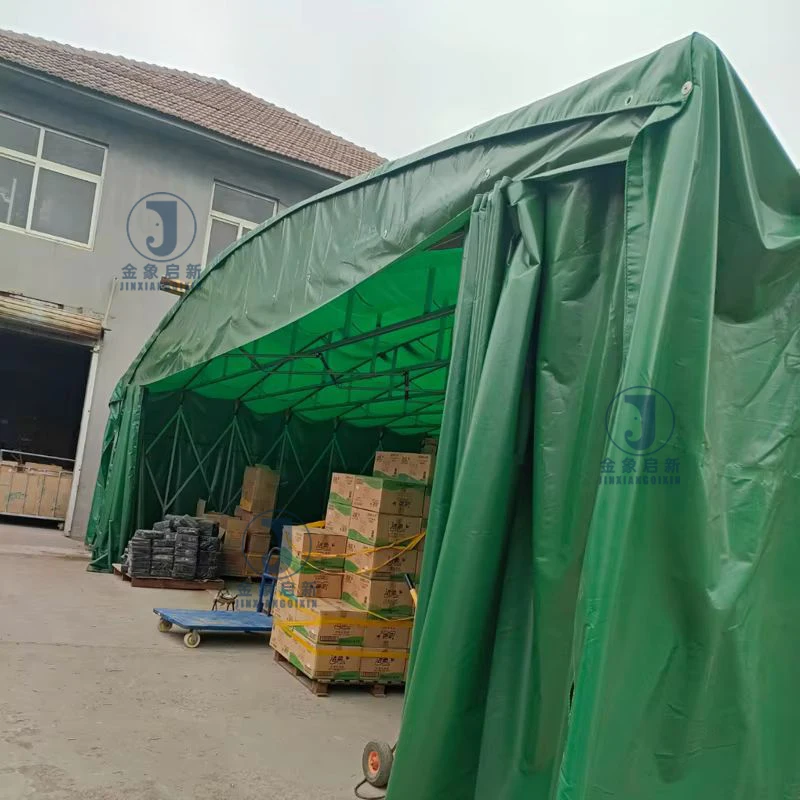
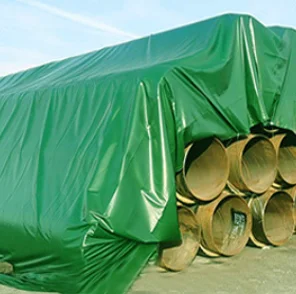
Description
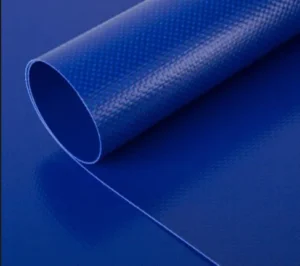
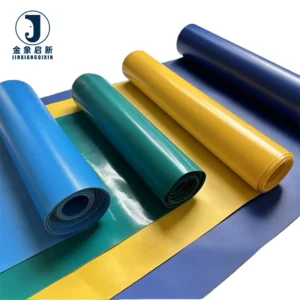
Batch Consistency — verified through in-process coating weight control across every roll in the same production run, eliminating colour drift between adjacent panels on large farm cover installations.
Technical Specifications
| Parameter | Value |
|---|---|
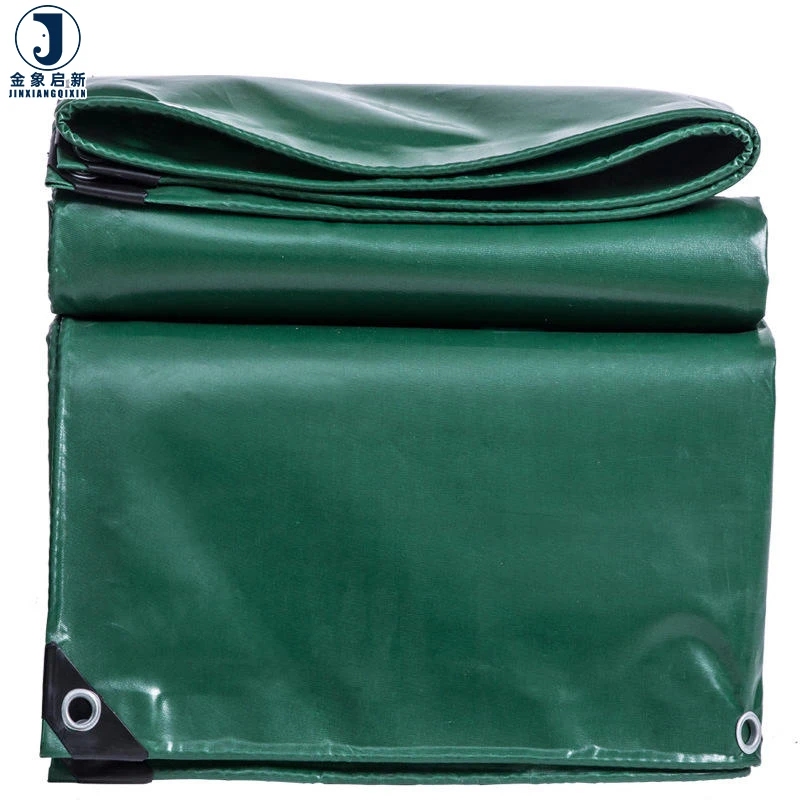
| Product Type | PVC Coated Tarpaulin Roll |
| Base Fabric | Warp Knitted Polyester |
| Weave Style | Plain |
| Coating Material | PVC |
| Waterproof Rating | Waterproof |
| Anti-Static | Stated — surface resistance or standard not confirmed |
| Tear Resistance | Tear Resistant — test basis not stated |
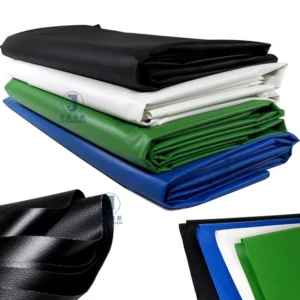
| Color | Customizable (specific shades not stated) |
| Certifications | ISO, CE |
Application Suitability
| Application | Exposure & Requirement |
|---|---|
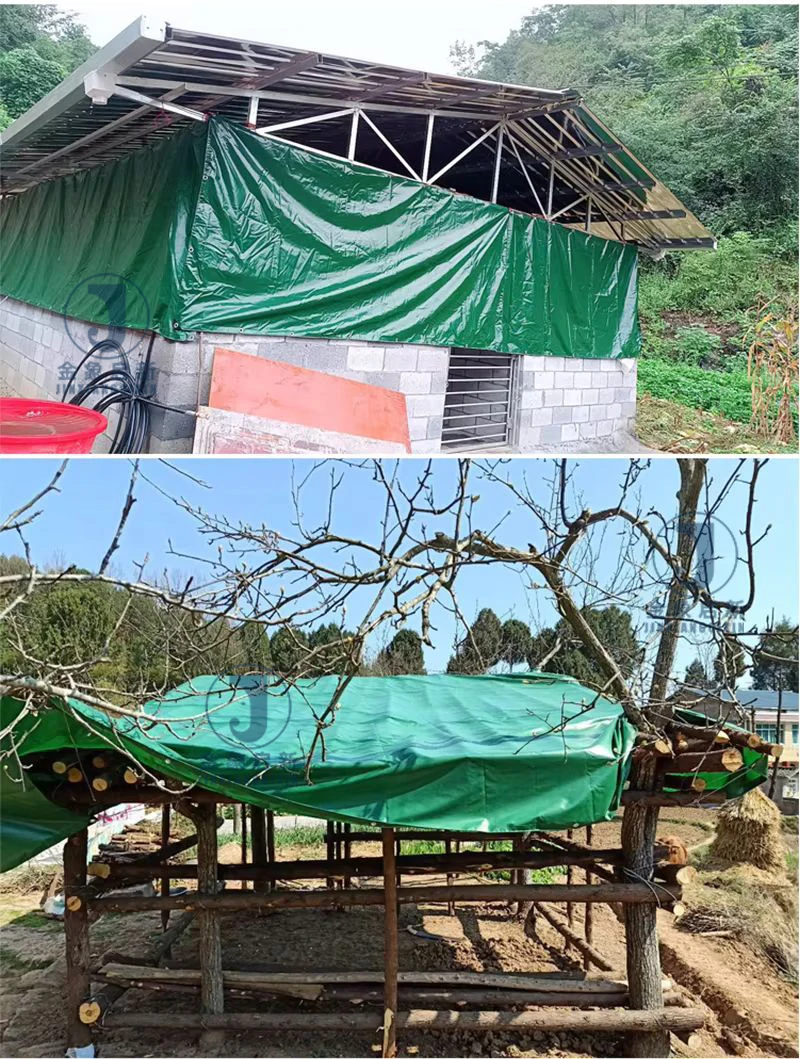
| Poultry Farm Covers | Constant humidity, ammonia exposure, wind load, daily temperature fluctuation |
| Broiler and Pig Tent Enclosures | Livestock contact, organic matter accumulation, frequent wash-down |
| Agricultural Pond Liners | Permanent water immersion, soil chemistry, puncture from substrate |
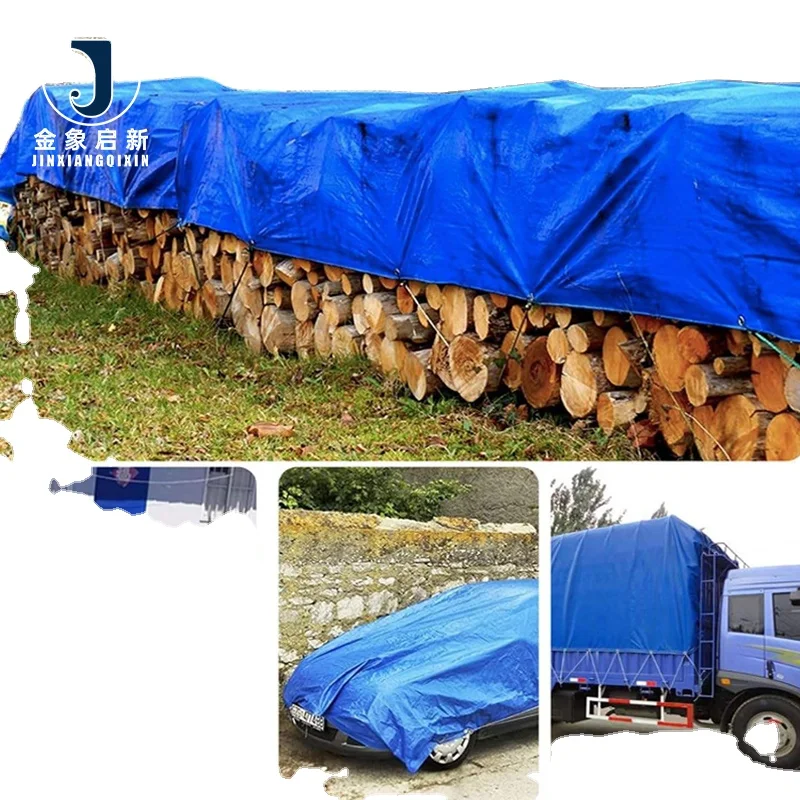
| Livestock Shelter Tarps | UV exposure, snow load, mechanical abrasion from equipment |
| Farm Equipment Covers | Dust ingress, rain penetration, tie-down stress at edges |
Why Batch Colour Drift Destroys Multi-Roll Farm Cover Projects
Roll-to-roll colour control at the coating stage is the only reliable safeguard against visible variation once panels are installed side by side across a large poultry house.
Sourcing PVC coated tarpaulin rolls from different production batches often reveals a shade difference that was invisible at the warehouse but glaring once unrolled on the farm. For distributors supplying agricultural fabric in volume, a single mismatched roll in a container can trigger a full-order rejection [NEED_CITE: colour consistency measurement methods for coated fabrics per ISO 105 series]. The cost is not the material — it is the labour of removing and replacing panels already heat-welded and tensioned in place. Our production protocol locks colour reference at the compounding stage, ensuring every PVC Coated Tarpaulin Roll in the same dispatch window matches the agreed shade within a tolerance defined before the order enters the line.
Controlling Coating Weight Across the Full Roll Length
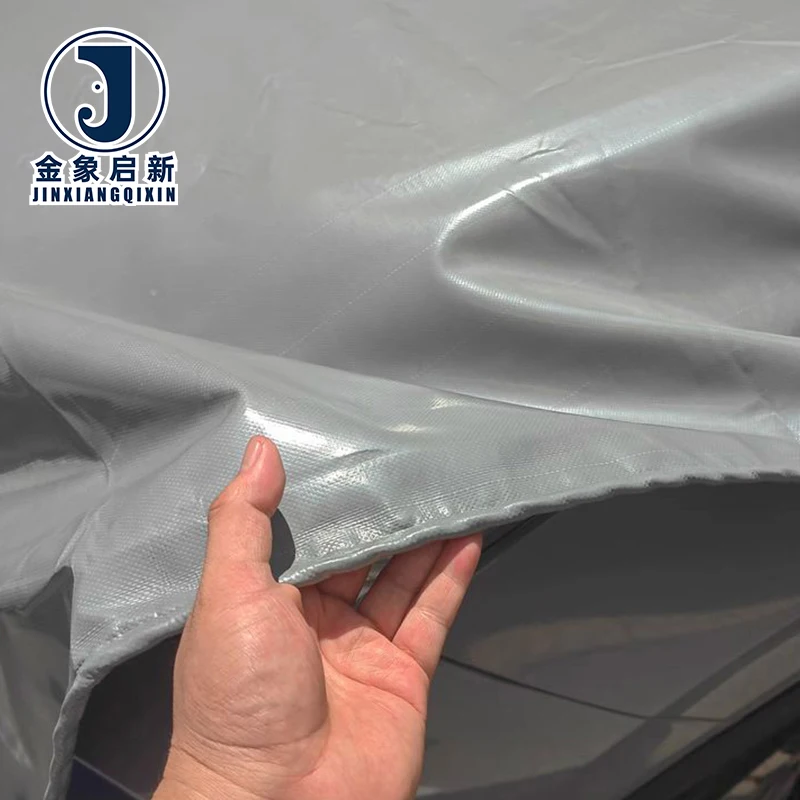
Maintaining uniform GSM from the first metre to the last metre of a roll requires continuous monitoring of the coating gap and line speed. In farm cover applications, a section of lighter coating becomes a weak zone where humidity and mechanical stress concentrate, leading to premature delamination. Our three-line facility runs in-process checks that record coating weight at intervals, catching drift before a full roll is wound. This is the reason our PVC Coated Tarpaulin Roll stock arrives with consistent hand-feel and thickness from edge to edge.
Warp Knitted Base and Dimensional Stability in the Field
A plain-weave warp knitted base fabric provides multidimensional stability that a woven scrim cannot always match when the cover is tensioned over a curved frame. Under wind load, the panels must resist stretching in both warp and weft without distorting the heat-welded seams. This structural behaviour is what keeps a poultry farm cover flat and wrinkle-free through seasonal storms [NEED_CITE: tensile and tear test methods for coated fabrics per ISO 1421]. When the base fabric moves, the PVC coating follows — and the seam takes the consequence.
Reading the Spec Sheet Beyond the GSM Number
GSM alone tells a buyer nothing about how the fabric will behave under load. A PVC coated tarpaulin can achieve a target weight through heavy coating on a light base, or light coating on a dense base — and the tear resistance will differ enormously between the two. For farm covers that face livestock contact and equipment abrasion, the base fabric denier and mesh count determine how a small puncture propagates into a full panel failure. Coating method also matters: knife-coated fabric generally shows higher peel strength at the weld line compared to laminated alternatives, which is critical when the cover flexes under snow or wind pressure. Width selection affects fabrication yield — ordering a PVC Coated Tarpaulin Roll in a width that matches the panel layout reduces off-cut waste and the number of field welds required.
The Hidden Cost of Skipping Pre-Shipment Roll Verification
When rolls arrive without a documented GSM check per roll, the buyer discovers weight discrepancies only during fabrication — at the point where cutting yield falls short or a panel feels noticeably thinner. In farm cover projects, a lighter section of fabric installed on the windward side of a poultry house will degrade faster under UV and mechanical stress, triggering warranty claims that trace back to the original material order [NEED_CITE: pre-shipment inspection standards for coated fabric rolls]. Batch colour variation discovered after installation multiplies the cost because the affected panels must be removed, re-cut, and re-welded as a group.
Sourcing PVC Coated Tarpaulin Roll Stock for Volume Distribution
Our coating process control is built around the reality that wholesale buyers need every roll in a container to perform identically. Three full production lines allow us to allocate dedicated runs for large farm cover orders rather than fitting them between unrelated jobs. The 10-person R&D team handles custom width and colour matching at the sample stage, so the approved swatch is the exact formulation that enters bulk production. Dedicated QA inspection at every stage — from base fabric intake to final winding — means the PVC Coated Tarpaulin Roll you receive has passed checks at points where defects are still correctable, not just at the shipping dock.
Documentation & Verification
- Material specification sheet listing GSM, base fabric type, and PVC coating weight per roll
- Pre-shipment inspection record with roll-by-roll weight and visual check before dispatch
- Batch colour reference card matching the agreed shade for the entire production run
- Roll packing list detailing roll count, individual dimensions, and total weight per container
- ISO and CE certificates available for compliance documentation in agricultural markets
Fabrication, Handling & Storage
- Heat-weld at temperatures suited to PVC coating on warp knitted base for full peel strength
- Store rolls upright on pallets to prevent flat-spot deformation of the coating surface
- Allow cold-stored rolls to reach ambient temperature before unrolling to avoid coating crack
- Use compatible PVC adhesive for field repairs on tear-resistant coated panels
- Plan cut layout to roll width to minimise off-cut waste on large farm cover panels
- Avoid dragging rolls on unprotected ground to preserve the waterproof coating surface
What to Include in Your Roll Stock Inquiry
Specify the target GSM range, required roll width, and annual volume so we can match stock grades or schedule a dedicated production run. Indicate whether the fabric is destined for farm covers, pond liners, or tent enclosures — each application places different demands on coating weight and base fabric density. If colour consistency across rolls is critical for your end user, request a batch reference sample before confirming the bulk order.
Frequently Asked Questions
Q: How is the stated GSM verified on arrival and what documentation supports it?
A: Each roll is weighed and measured during pre-shipment inspection, with results recorded on an inspection report that accompanies the shipment. The material specification sheet provides the target GSM, coating weight, and base fabric details for cross-checking upon arrival at your warehouse.
Q: How do you guarantee no visible colour variation between rolls in the same shipment?
A: Colour formulation is locked at the compounding stage and monitored throughout the coating run. A batch colour reference card is included with the documentation, and all rolls in a single order are produced within the same production window to eliminate batch-to-batch drift.
Q: What are the available custom width options and minimum order quantities?
A: Custom widths are available subject to line capability, and minimum order quantities depend on whether the specification is a stock grade or a dedicated custom run. Submit your target width and volume for a lead time and minimum confirmation.
Q: How are rolls protected during ocean freight to prevent coating damage?
A: Rolls are packed upright on pallets with protective end caps and wrapped to prevent moisture ingress. Container loading plans specify roll count and weight distribution to avoid crushing and surface abrasion during transit.
Q: What test evidence is provided for the anti-static treatment on farm cover rolls?
A: Anti-static treatment is stated in the specification, but the applicable surface resistance standard should be confirmed for your market. Request the relevant test documentation when submitting your inquiry so we can align the treatment with your compliance requirements.