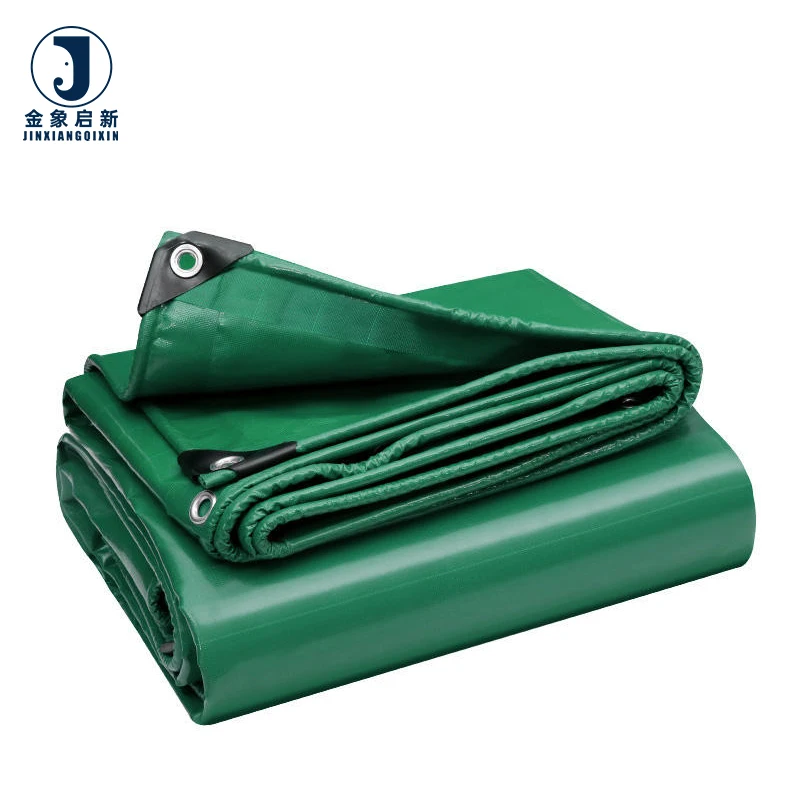
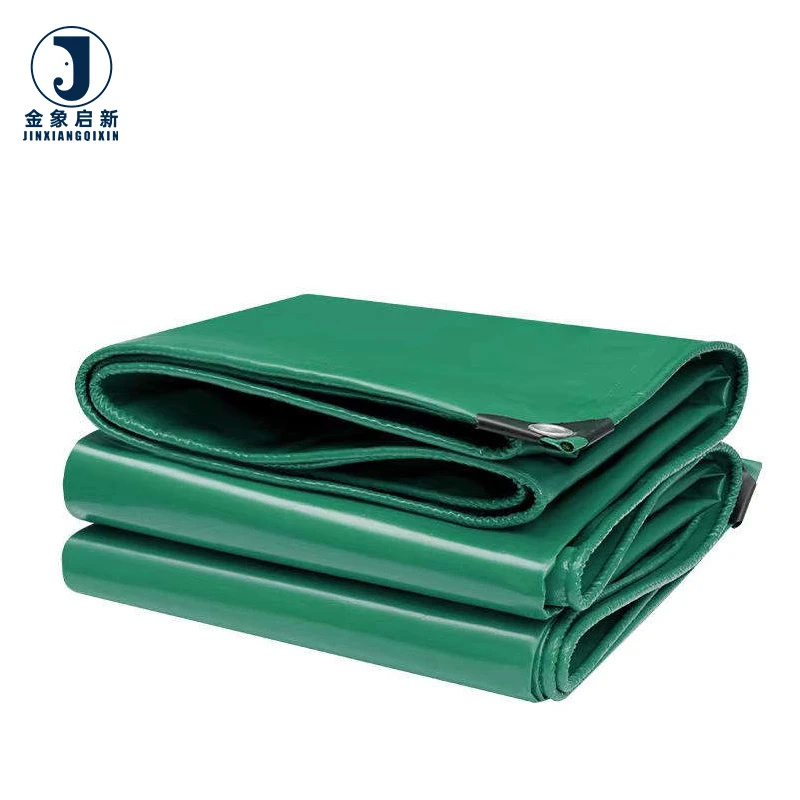
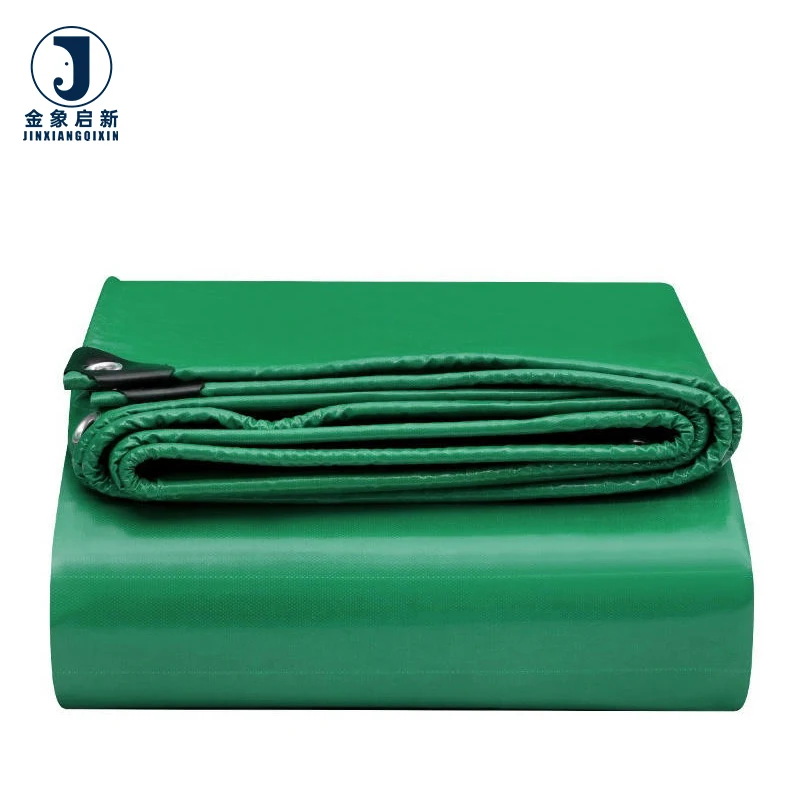
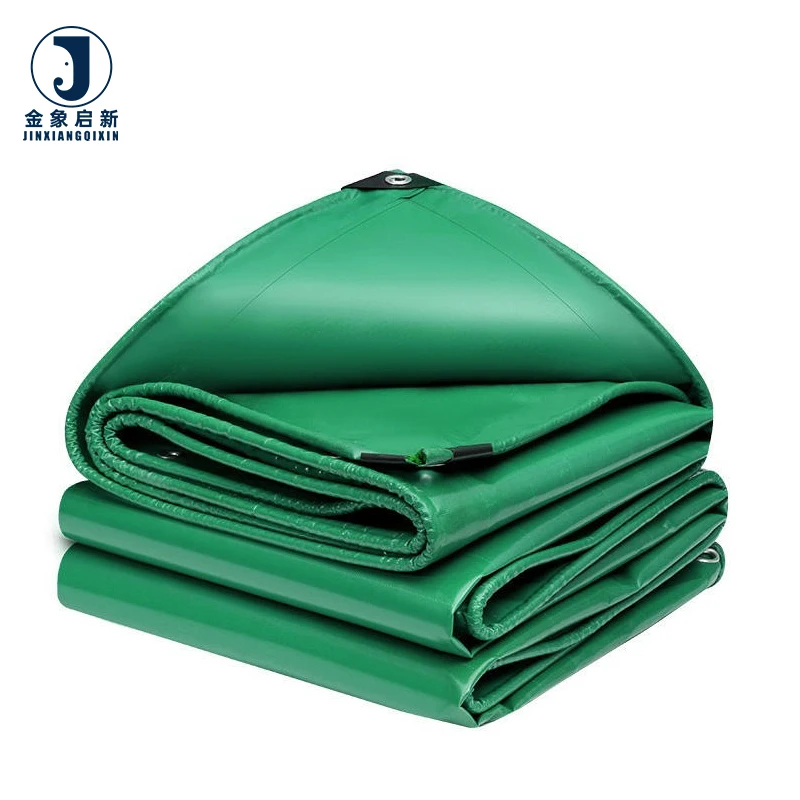
Description
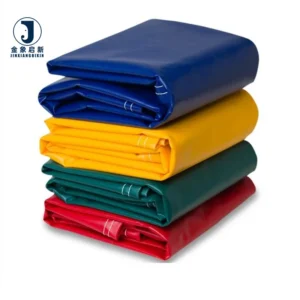
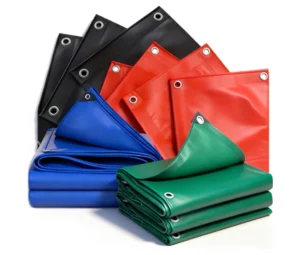
Batch-Matched Consistency — Coating weight and pigment formulation are controlled at every production stage, ensuring roll-to-roll uniformity across container-load orders of PVC coated tarpaulin.
Technical Specifications
| Parameter | Value |
|---|---|
| Product Type | PVC Coated Tarpaulin |
| Weight Range | 250gsm–1500gsm |
| Base Fabric Denier | 200D×300D / 500D×500D / 840D×840D / 1000D×1000D |
| Coating Material | PVC |
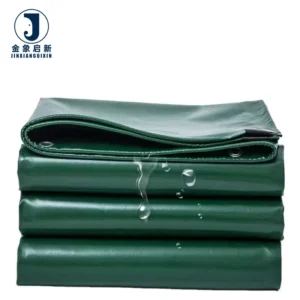
| Surface Finish | Glossy or matte |
| Temperature Range | -15ºC to 70ºC |
| UV Treatment | Customized (test basis not stated in source) |
| Flame Retardant | FR treated (grade not stated in source) |
| Anti-Fungal | Treated |
| Waterproof | Yes |
| Certifications | ISO 9001, CE |
Application Suitability
| Application | Exposure & Requirement |
|---|---|
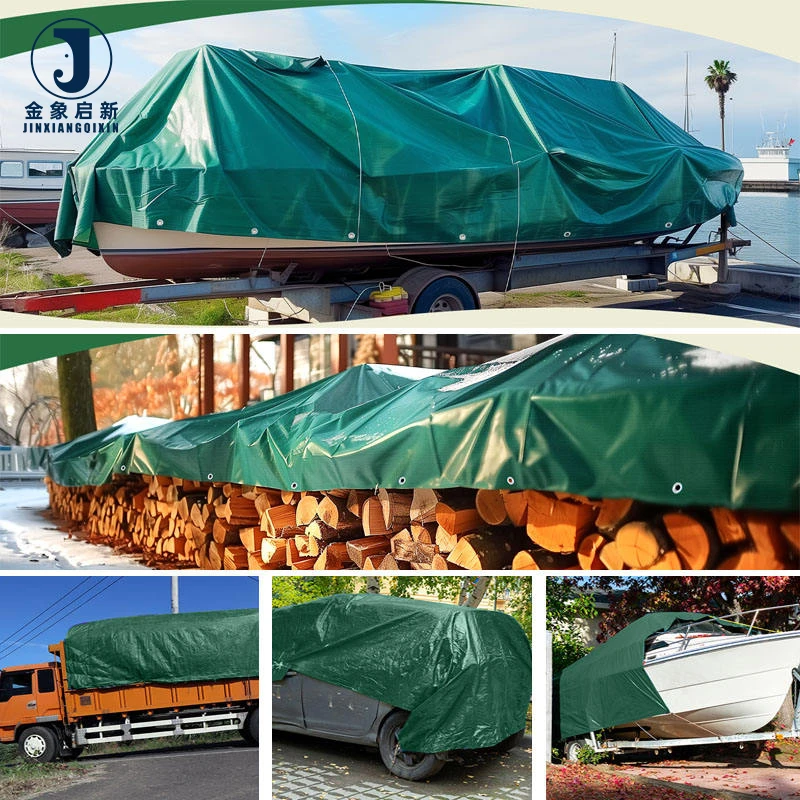
| Truck side curtain | Constant flexing, road debris abrasion, sustained UV and weather exposure |
| Roof and construction cover | Wind uplift load, rain pooling, puncture from falling debris |
| Camping and patio canopy | Frequent fold-unfold cycles, UV degradation, colour retention |
| Pool and boat cover | Continuous water contact, chlorine or salt spray, mildew risk |
| Dump trailer cover | Heavy abrasion from aggregate load, tie-down point stress |
Why Roll-to-Roll GSM Variance Matters More Than the Quoted Number
A stated GSM on paper means little when the roll on your cutting table measures lighter.
Wholesale buyers of PVC coated tarpaulin roll stock regularly face a frustrating reality: the gsm printed on the quotation does not match what arrives. A variance of even a small percentage across a container load can mean some rolls pass inspection while others fall below the threshold your fabricator or end user expects. [NEED_CITE: industry tolerance standards for coated fabric weight per ISO 1421] This is not a materials problem — it is a process control problem that starts at the coating line and compounds through slitting and rewinding.
Bulk Sizing and Container Load Planning
When purchasing PVC coated tarpaulin roll stock by the container, the ability to specify exact roll width and length directly affects your landed cost per usable square metre. Standard stock widths are available, and custom cutting is supported to match your fabrication patterns — whether you are slitting into narrower strips for side curtain panels or cutting full-width rolls for equipment covers. Efficient container loading depends on matching roll dimensions to pallet and carton configurations, reducing dead space and transit damage risk.
Denier Selection and Tensile Matching
Selecting the correct base fabric denier is the single most consequential decision in a bulk order. A 200D×300D fabric suits light-duty covers and temporary shelters where weight and pack size matter more than long-term tear resistance. Moving to 840D×840D or 1000D×1000D provides substantially higher resistance to tear propagation, which matters when covers experience repeated tension cycles — such as dump trailer tarps flexing under uneven aggregate loads. [NEED_CITE: tensile and tear test methods for coated fabrics per ISO 1421] The denier choice also determines how well the fabric holds eyelets and reinforced hems under sustained tie-down tension.
Reading the Specification Matrix
GSM alone does not predict how the fabric will perform under load. A 500gsm roll built on a 200D×300D base with heavy coating will behave very differently from a 500gsm roll on a 500D×500D base with lighter coating — the former relies on coating mass for weight, the latter on yarn strength. For wholesale buyers consolidating container loads across multiple SKUs, understanding this relationship prevents specifying a grade that meets the weight number but underperforms in tensile or tear. The glossy or matte surface choice affects more than appearance: glossy finishes shed dirt and water more readily, while matte surfaces reduce glare and can improve print adhesion for branding. The stated temperature window of -15ºC to 70ºC defines the practical climate envelope; operating below or above these limits risks cold-cracking or coating softening respectively.
The Hidden Cost of Batch Colour Drift
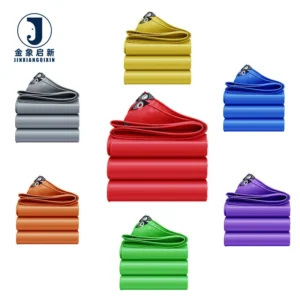
Nothing damages a distributor’s reputation faster than two rolls installed side by side showing visibly different shades. Colour drift occurs when pigment dosing varies between production runs — a problem that multiplies when orders span multiple GSM grades or are split across separate production dates. Fabricators cutting custom covers from roll stock also face waste when inconsistent coating weight forces them to reject panels that fall outside their own QA tolerance. [NEED_CITE: pigment dispersion standards in PVC coating operations] For wholesale PVC coated tarpaulin roll stock, the cost of a single mismatched roll extends beyond the material itself — it triggers return logistics, re-cutting labour, and delayed project timelines.
Why Source Your Roll Stock Here
Three full production lines with dedicated equipment allocation mean your container-load order runs in a continuous campaign rather than being split across machines, which directly supports batch colour and coating consistency. A ten-person R&D team develops sample rolls against your exact denier, GSM and finish requirements within days, allowing you to verify material before committing to a full order. Every roll undergoes inspection at each production stage with a pre-shipment check against your specification — the roll packing list you receive documents net weight, roll count and container loading plan. ISO 9001 systems govern the entire workflow from coating formulation through to dispatch documentation. Custom widths are slit to your specified dimensions, reducing the secondary cutting your fabricators need to perform on arrival.
Documentation & Verification
- Weight verification record confirming GSM per roll against quoted specification
- Material specification sheet listing base denier, coating type and finish per SKU
- Pre-shipment inspection record with roll-level pass or fail notation
- Roll packing list detailing roll count, net weight and container load plan
- Certificate of origin and full customs clearance documentation set
Fabrication, Handling & Storage
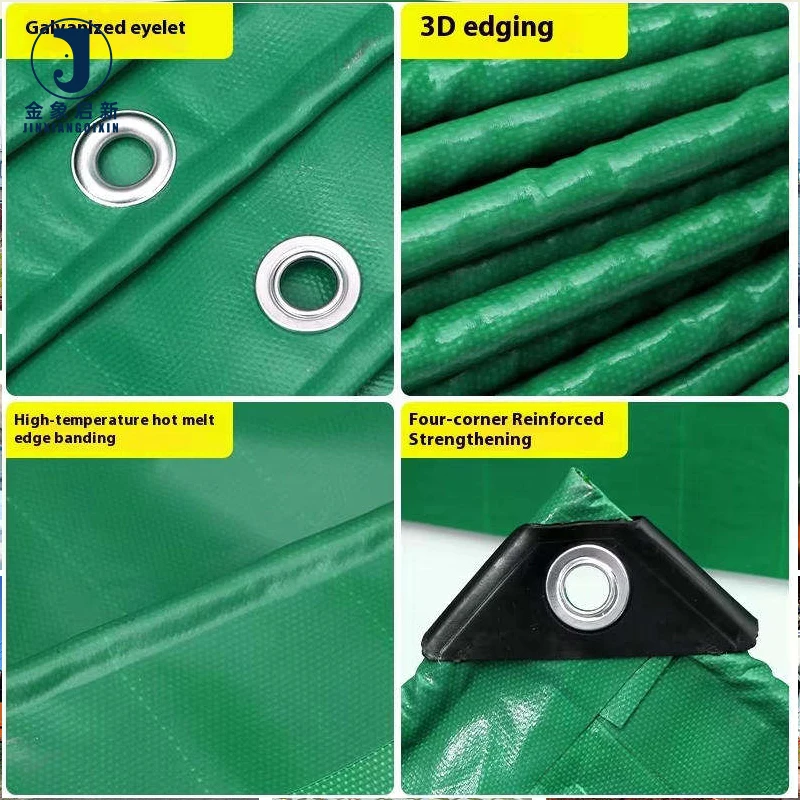
- Hot-air welding temperature must match the PVC coating formulation — request weld parameter guidance per GSM grade
- Store rolls upright on pallets to prevent edge crushing and permanent creasing in the coating layer
- Allow cold-weather rolls to acclimate to workshop temperature before unrolling to avoid coating micro-cracking
- Glossy finish rolls require interleaving paper during storage to prevent surface blocking between layers
- Matte surface variants accept screen and digital print with appropriate PVC-compatible ink systems
- Reinforce eyelet zones with welded PVC patches when fabricating from lighter denier grades
Request a Roll Stock Quotation
To provide an accurate quotation for PVC coated tarpaulin roll stock, specify the denier grade, target GSM, roll width and length, and whether you require glossy or matte finish. Let us know if your market mandates a particular flame retardant classification so we can confirm the available grade. Indicate your container load plan and whether mixed SKUs across colour and weight are required in a single shipment.
Frequently Asked Questions
Q: How is GSM verified per roll before dispatch?
A: Each roll is weighed and measured at the rewinding stage. The actual GSM is recorded and compared against your quoted specification. Rolls that fall outside the agreed tolerance are flagged and excluded from shipment. A weight verification record accompanies the roll packing list so you can cross-check on arrival.
Q: How do you control colour consistency across rolls in a single order?
A: Pigment formulation is prepared as a single batch for each colour in your order and dosed through calibrated metering at the coating head. Rolls produced in the same campaign share the same pigment source, minimising shade variation. Pre-shipment inspection includes a visual colour comparison under standardised lighting.
Q: What roll widths and lengths are available, and what is the MOQ per SKU?
A: Stock widths are available alongside custom slitting to your specified dimensions. Roll length is cut to your requirement. Minimum order quantities vary by GSM grade and colour — request a quotation with your SKU list for exact thresholds per variant.
Q: How is the tarpaulin packed for container shipping to prevent damage?
A: Rolls are wound on cores, wrapped in protective film and palletised upright to avoid edge compression. The packing method is selected based on roll diameter and weight to prevent coating creasing and surface abrasion during ocean transit and handling.
Q: Can I mix different GSM grades and colours in one container?
A: Yes. Container load consolidation across multiple denier grades, GSM weights and colour variants is supported. The roll packing list details the exact SKU breakdown, roll count and weight distribution per pallet to support your receiving and customs clearance process.