Description
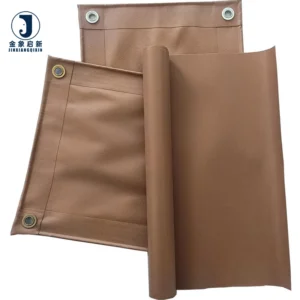
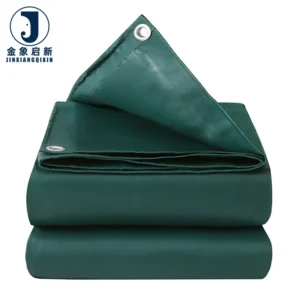
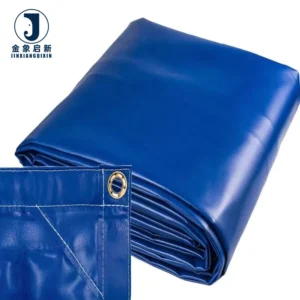
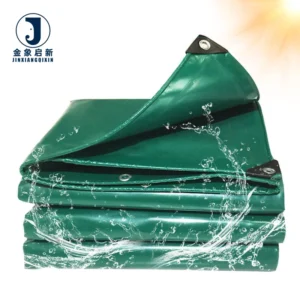
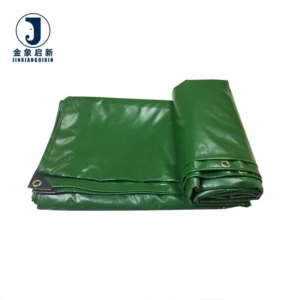
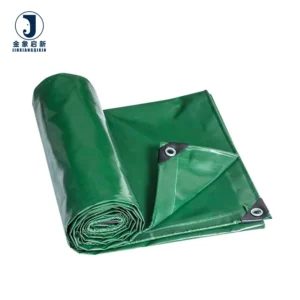
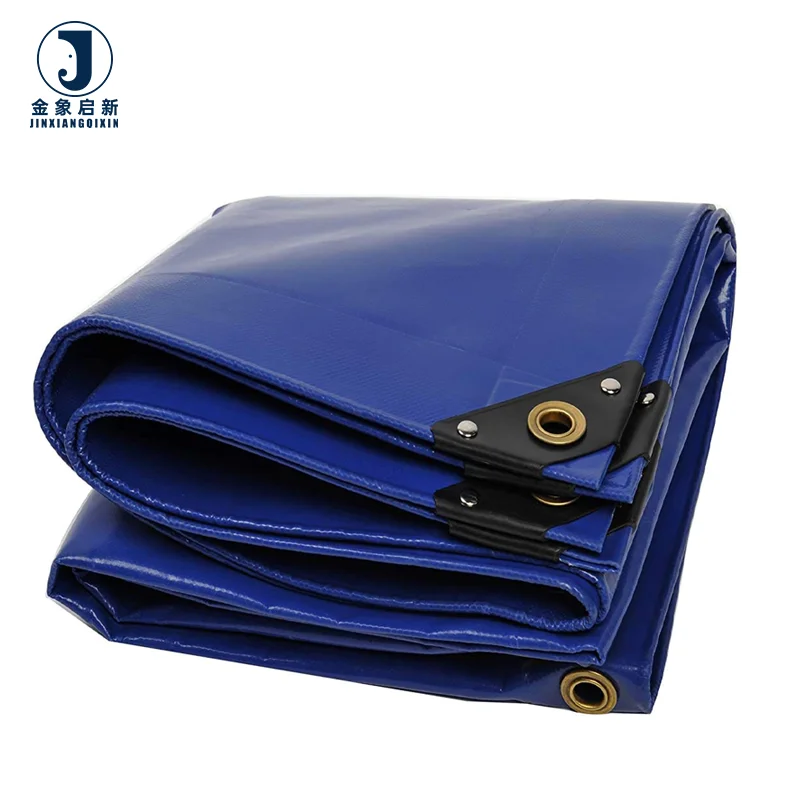
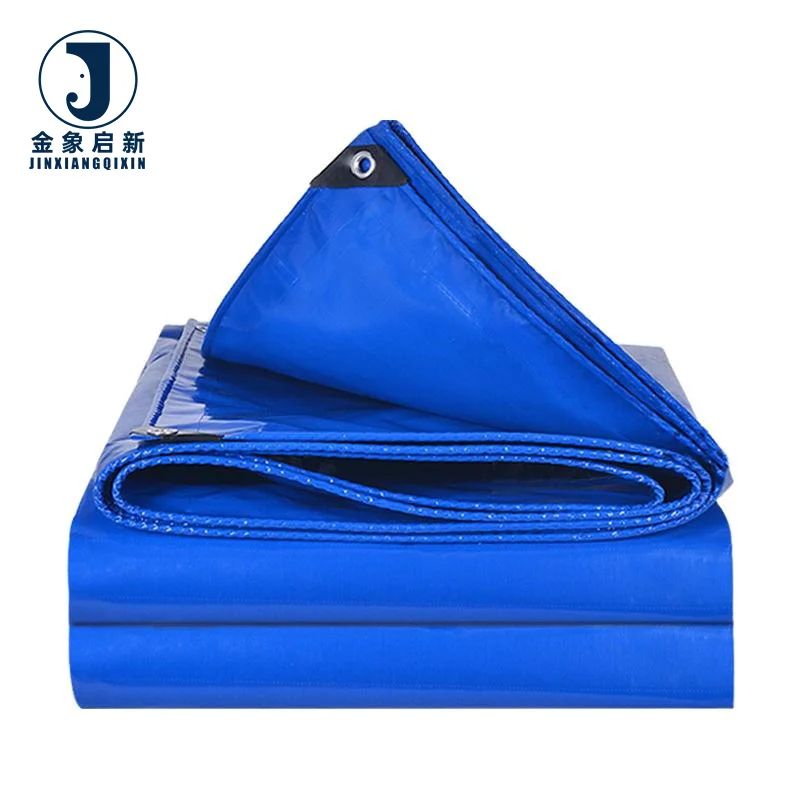
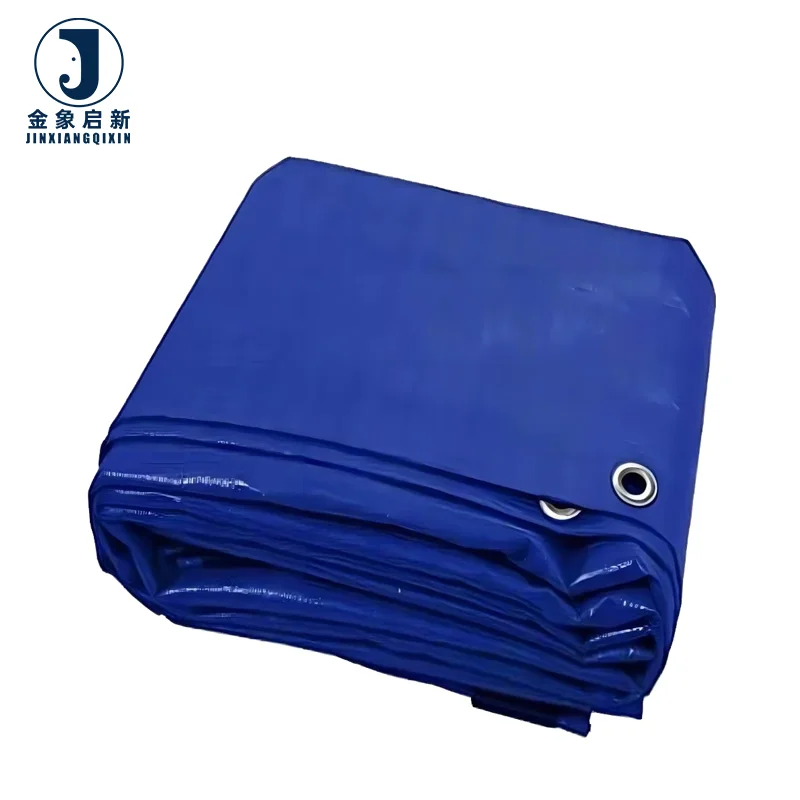
Coated Fabric Consistency — Every roll of PVC Coated Tarpaulin Roll is inspected against the quoted weight and colour reference before container loading, backed by a pre-shipment inspection record that matches the packing list.
Technical Specifications
| Parameter | Value |
|---|---|
| Product Type | PVC Coated Tarpaulin Roll |
| Weight | 250gsm-1500gsm |
| Base Fabric Denier | 200DX300D / 500DX500D / 840DX840D / 1000DX1000D |
| Surface Finish | Available in glossy or matte finish |
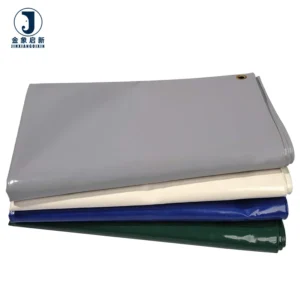
| Colour Options | Blue, yellow, black, green, white, and custom colours available |
| Temperature Range | -15°C to 70°C |
| Waterproof | Fully waterproof coated construction |
| UV Treatment | Available with UV treatment — confirm the standard required for your market |
| Flame Retardant | Available in flame retardant grades — confirm the grade required for your market |
| Anti-Fungal | Treated (standard available upon request) |
| OEM/ODM | Accepted for custom width, colour, and printing |
Application Suitability
| Application | Exposure & Requirement |
|---|---|
| Tarpaulin distributor redistribution | Bulk roll consistency, uniform colour across rolls, container-efficient packing |
| Tent and awning fabrication | Clean cutting, reliable heat welding at seams, surface finish for print adhesion |
| Inflatable structure manufacturing | Air-holding seam integrity, repeated inflation flex cycles, coating adhesion under stress |
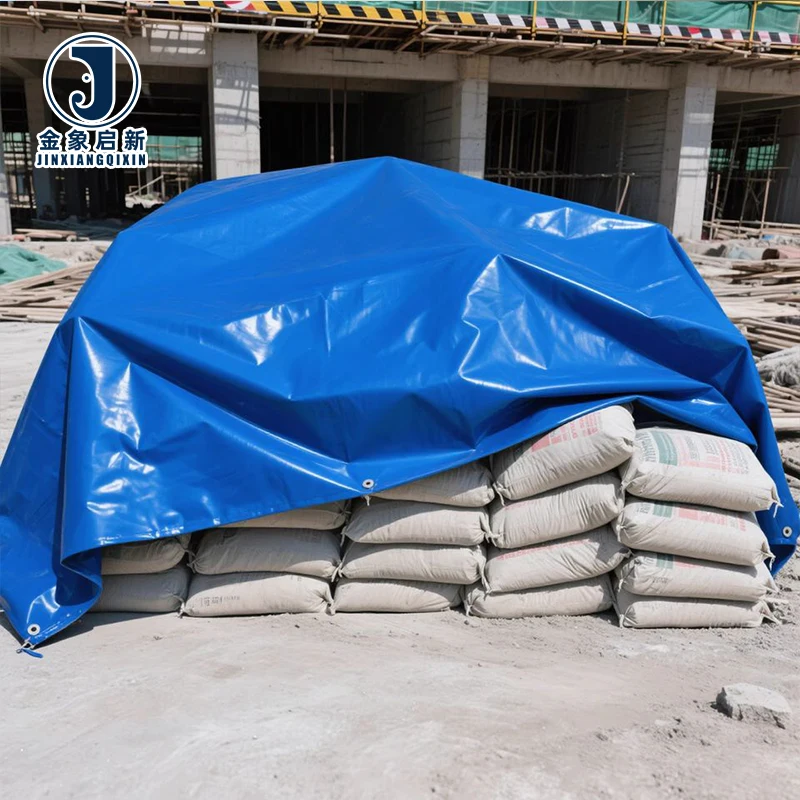
| Agricultural and aquaculture pond lining | Continuous water immersion, soil chemistry contact, puncture resistance from substrate |
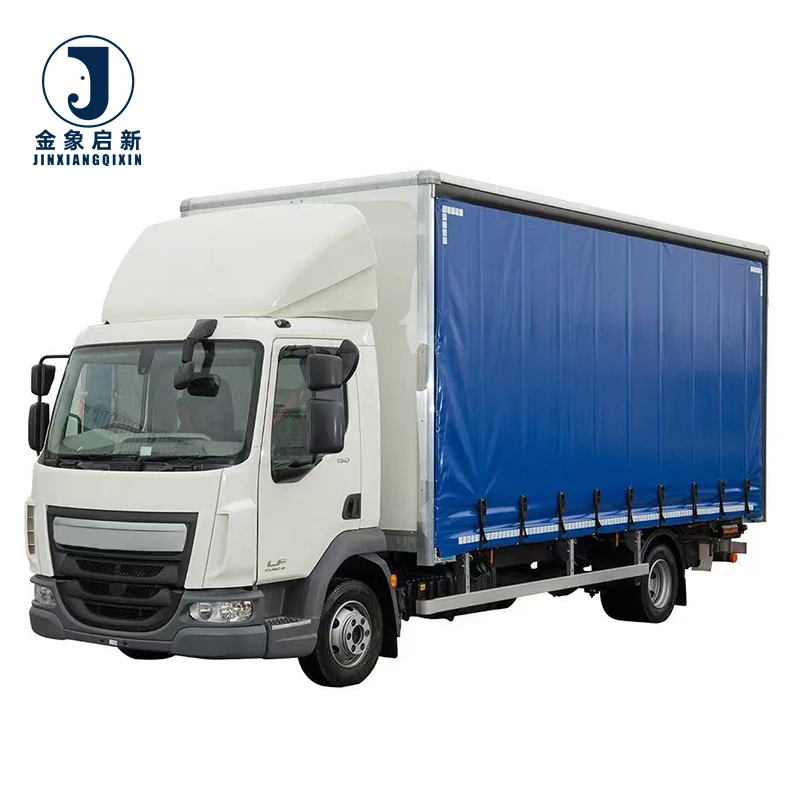
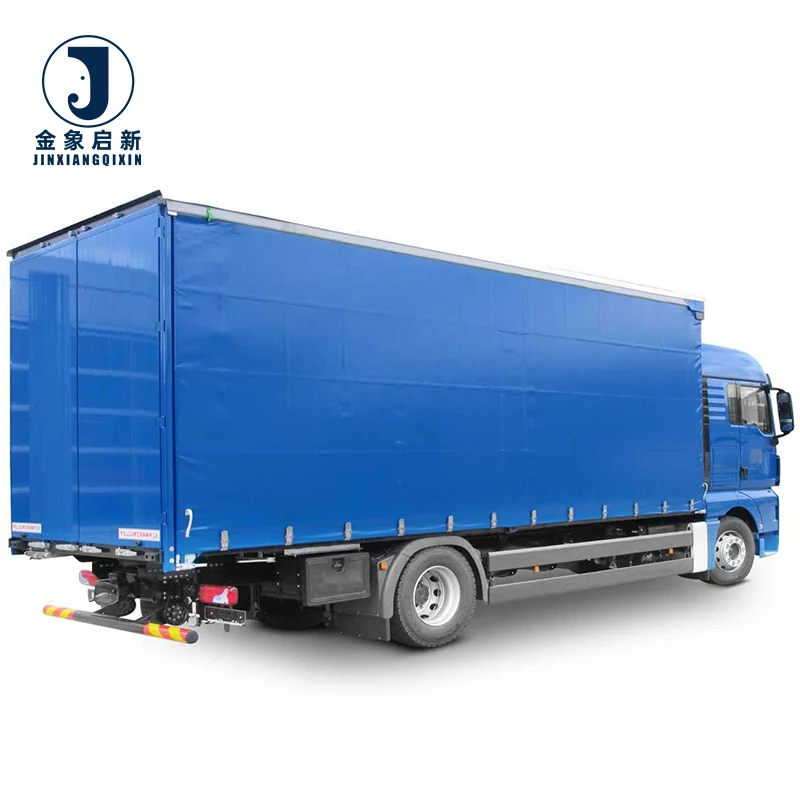
| Truck and trailer side curtain conversion | Constant road vibration, flex at tie-down points, weather and UV exposure |
Why Colour Drift Between Rolls Costs More Than the Fabric Itself
Batch colour consistency is the specification that determines whether a container load is usable or a liability.
When rolls in the same shipment show visible colour variation once unrolled and installed side by side, the converter faces a choice: accept the mismatch and risk end-customer complaints, or reject the batch and absorb the freight, duty, and lead time loss. For a distributor holding stock for regional resale, inconsistent colour across rolls means some inventory becomes difficult to move, tying up capital in slow-turning SKUs [NEED_CITE: colour matching standards for PVC coated fabrics in roll form]. Sourcing PVC Coated Tarpaulin Roll wholesale requires confirming that the supplier controls pigment dispersion at the mixing stage and verifies colour against an agreed reference before every roll leaves the line.
Roll Stock Yield and Container Loading Efficiency
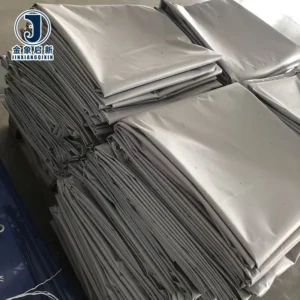
Buying PVC coated tarpaulin rolls in container quantities means every centimetre of width and every metre of length directly affects your cutting yield and your cost per finished piece. Rolls supplied in widths matched to your standard panel sizes reduce off-cuts and edge waste on the factory floor. A detailed container loading plan — listing roll count, net weight per roll, and total payload — lets you coordinate freight forwarders and warehouse receiving without guesswork.
Maintaining Coating Weight Across a Full Production Run
Coating weight consistency from the first roll to the last in a production run is what separates reliable stock from a mixed-quality batch. In-process QA checks during coating verify that GSM holds within tolerance across the run, so the distributor or converter receives material that behaves predictably during heat welding, cutting, and fabrication. This level of control is essential when PVC Coated Tarpaulin Roll wholesale orders span multiple widths or colourways in a single shipment [NEED_CITE: in-process coating weight verification for PVC tarpaulin production].
How Denier, GSM, and Coating Method Shape Real-World Performance
The base fabric denier — ranging from 200DX300D through to 1000DX1000D — determines the tensile and tear foundation that the PVC coating builds upon. A higher denier yarn provides greater resistance to tear propagation, which matters when a puncture or cut occurs in service and must not spread under load. GSM alone does not define strength: a 650gsm fabric woven from fine denier yarn with heavy coating may resist abrasion well but tear more easily than a lighter fabric built on a coarse denier base. The coating method — whether knife-over-roll, lamination, or calendering — affects peel strength between the PVC layer and the base fabric, which in turn determines how well heat-welded seams hold under repeated flexing. Glossy surfaces tend to shed dirt and water more readily, while matte finishes can offer better adhesion for printed graphics and signage applied in secondary fabrication. The stated temperature range of -15°C to 70°C sets the boundary for cold flex and heat softening behaviour during use and storage.
The Downstream Cost of Overlooking Batch-Level Inspection
When a roll arrives lighter than the GSM stated on the quotation, the converter may not notice until the finished product fails in the field — a truck cover tearing at the hem, a pond liner puncturing under water pressure, or a tent panel sagging under wind load. Similarly, flame retardant treatment claimed without a supporting test report can result in failed site inspections or rejected shipments at the port of entry. Welded seams that fail before the fabric itself often trace back to coating inconsistencies between rolls, where heat sealing parameters calibrated on one batch do not transfer to the next [NEED_CITE: heat weld failure analysis in PVC coated tarpaulin fabrication]. These downstream costs — warranty claims, freight for replacements, reputational damage — far exceed the unit price difference between verified and unverified roll stock.
What Consistent Supply Looks Like in Practice
Three full production lines with dedicated coating capacity mean roll stock orders can be scheduled without competing against finished-product runs for machine time. A ten-person R&D team supports sample development for custom colour matching, width requests, and OEM printing — with samples produced before bulk commitment so the buyer can verify appearance and fabrication behaviour. Pre-shipment inspection covers every roll individually, not just a statistical sample, with results recorded against the quoted specification. The documentation package — including material specification sheets, roll packing lists, and certificates of origin — is assembled per shipment rather than generated generically, supporting customs clearance and incoming quality checks at the destination.
Documentation & Verification
- Material specification sheet per roll stating GSM, denier, coating type, and colour reference
- Pre-shipment inspection record with individual roll weight verification against quoted GSM
- Roll packing list detailing roll count, dimensions, net weight, and container loading plan
- UV and flame retardant test reports available for specified grades upon order confirmation
- Certificate of origin and customs documentation prepared per destination country requirements
Fabrication, Handling & Storage
- Heat weld temperature and dwell time should be calibrated to the specific GSM and coating type of each roll batch
- Store rolls upright on pallets in a dry, shaded area to prevent surface flattening and edge deformation
- Allow cold-stored rolls to acclimatise above -15°C before unrolling to avoid coating crack or crease damage
- Matte finish rolls require verified print adhesion testing before committing to full-run graphic application
- Cut panels with sharp rotary blades to prevent base yarn fraying at edges before hemming or welding
- Clean glossy surface rolls with mild detergent only; solvent-based cleaners may degrade the top coating layer
What to Include in Your Inquiry
Provide your target roll width and the standard panel sizes you cut from them, so we can recommend stock widths that optimise your yield. Specify the colour reference system you work with — Pantone, RAL, or a physical swatch — and whether you require OEM printing or branding on the roll surface. Confirm any compliance requirements your end market mandates, such as specific flame retardant grades or UV stability standards, so the correct treatment can be quoted from the outset.
Frequently Asked Questions
Q: What is the minimum order quantity per roll width and colour?
A: Minimum quantities depend on the width and colour selected, with standard stock grades typically available in lower volumes than fully custom specifications. Mixed widths and colours can be consolidated into a single container, subject to confirmation at the quotation stage. Request a MOQ indication for your specific combination.
Q: How do you ensure GSM consistency on every roll shipped?
A: Each roll is individually weighed and measured during pre-shipment inspection, with results recorded against the GSM stated on the quotation. This inspection record accompanies the shipment documentation so the buyer can cross-reference on arrival. Any roll falling outside tolerance is replaced before dispatch.
Q: Can you ship mixed widths and colours in one container?
A: Yes, mixed roll configurations are packed according to a container loading plan that accounts for roll dimensions, weight distribution, and access sequence at the destination warehouse. The packing list details each roll’s position, width, length, colour, and net weight for straightforward receiving.
Q: What is the typical lead time for custom width or colour rolls?
A: Custom widths and colours require sample approval before the bulk production run begins, adding a sample development phase to the timeline. Once the sample is confirmed, production lead time depends on order volume and current line scheduling. Confirm timing at the quotation stage for your specific requirements.
Q: Do you provide test reports for UV and flame retardant treatments?
A: Test reports are available for the specific flame retardant grade and UV treatment standard applied to your order. The applicable standard must be confirmed at the inquiry stage, as treatment grades vary by market requirement. Reports are included in the shipment documentation package upon request.