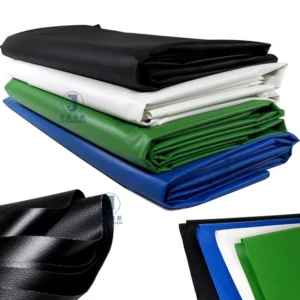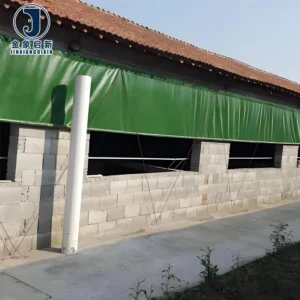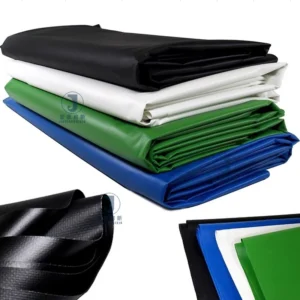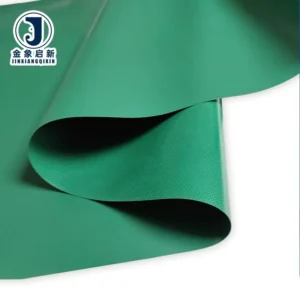
Description
Bulk GSM Verification — every roll is weighed and measured against the spec sheet before dispatch, backed by 100% pre-shipment QA on three dedicated coating lines.
Technical Specifications
| Parameter | Value |
|---|---|
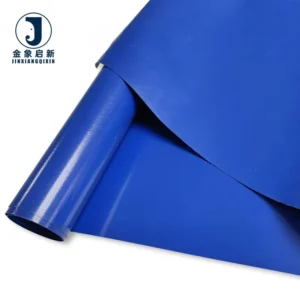
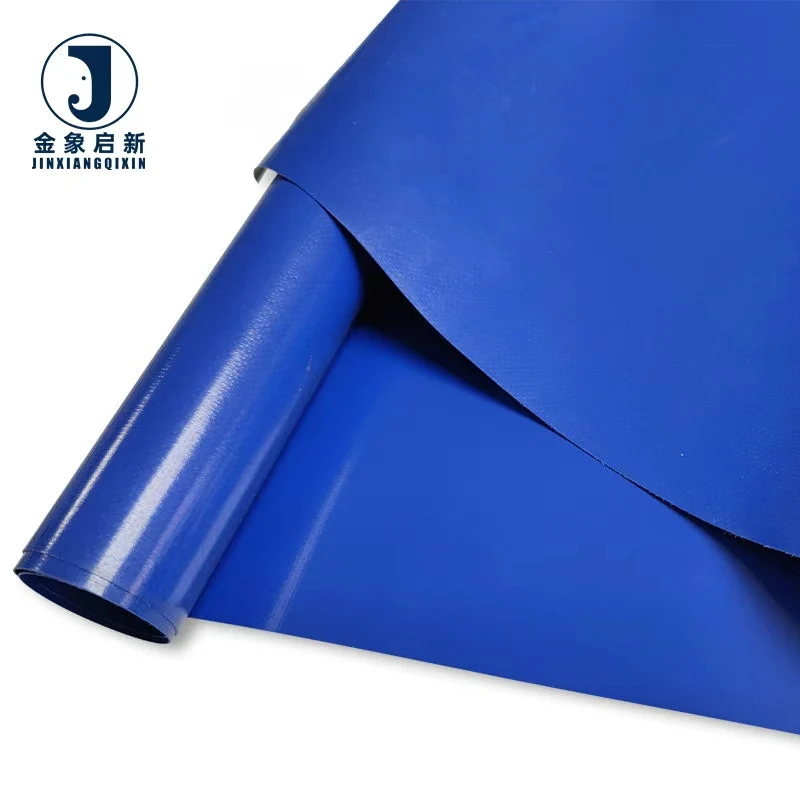
| Product Type | PVC Coated Tarpaulin Roll |
| Coating Material | PVC |
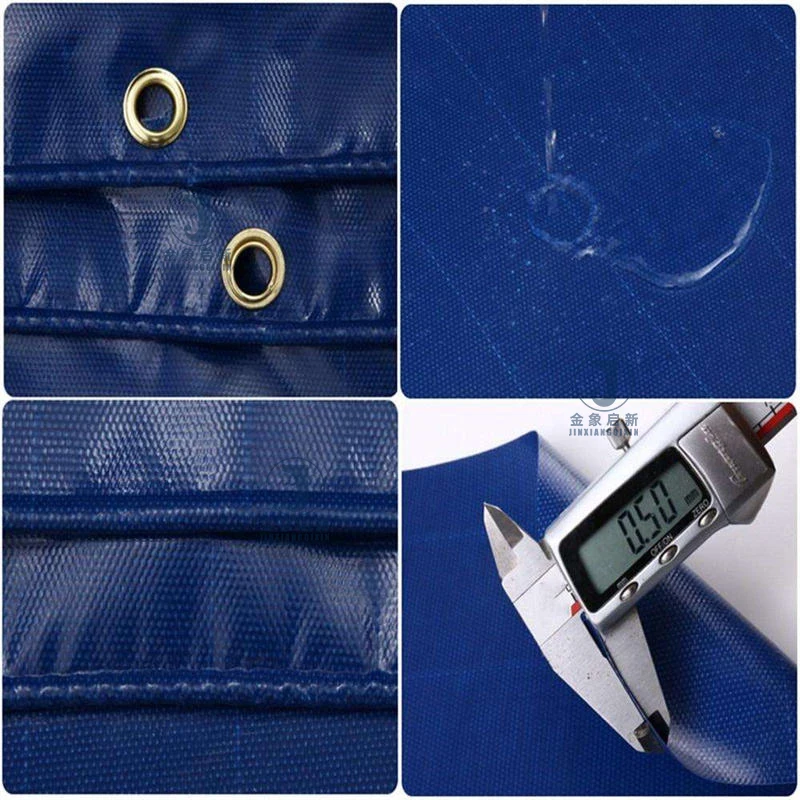
| Base Fabric | High-strength polyester mesh fabric |
| Coating Method | Laminated technology & Hot-melt Coating technology |
| Weight (GSM) | 350gsm / 420gsm / 500gsm / 550gsm / 600gsm / 750gsm |
| Total Thickness | 0.32mm / 0.35mm / 0.4mm / 0.45mm / 0.5mm / 0.65mm |
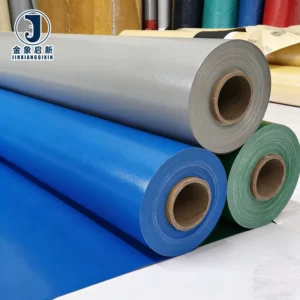
| Roll Size | 2m × 75m / 2.1m × 50m |
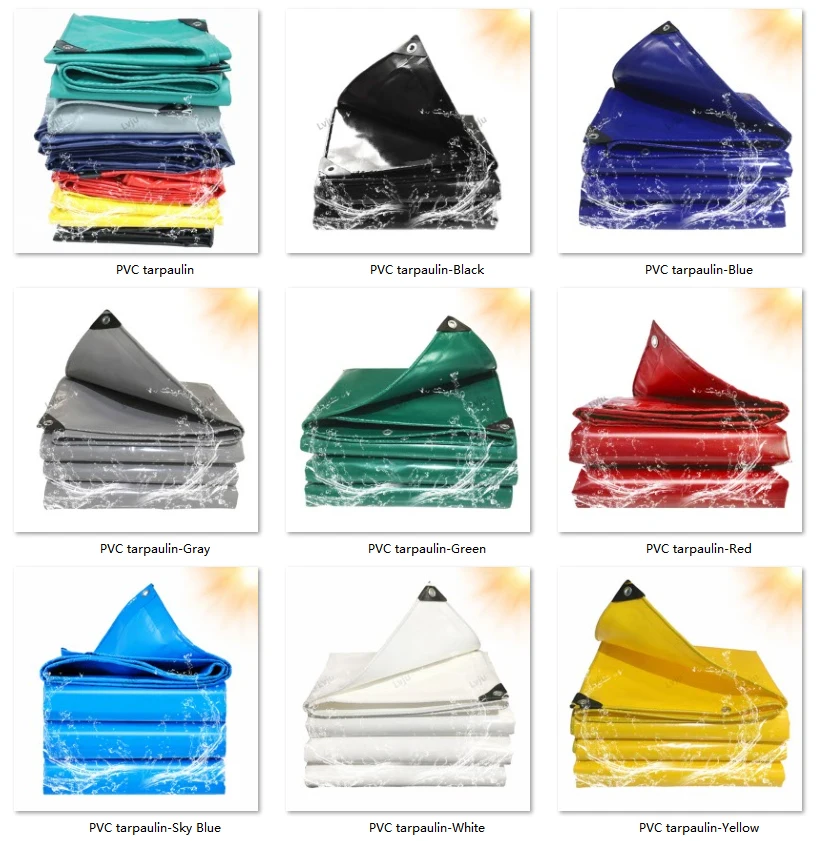
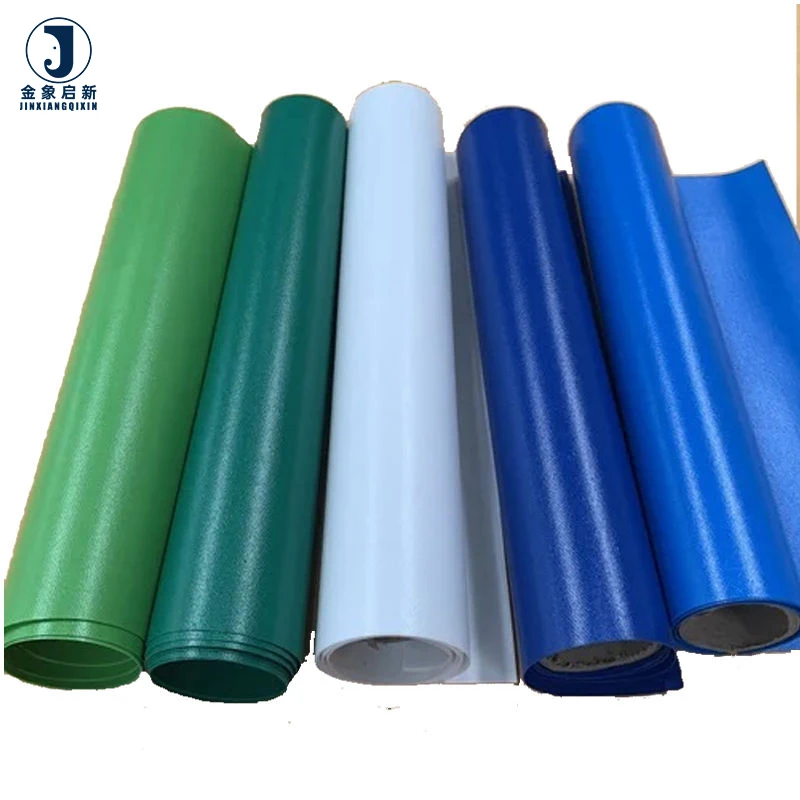
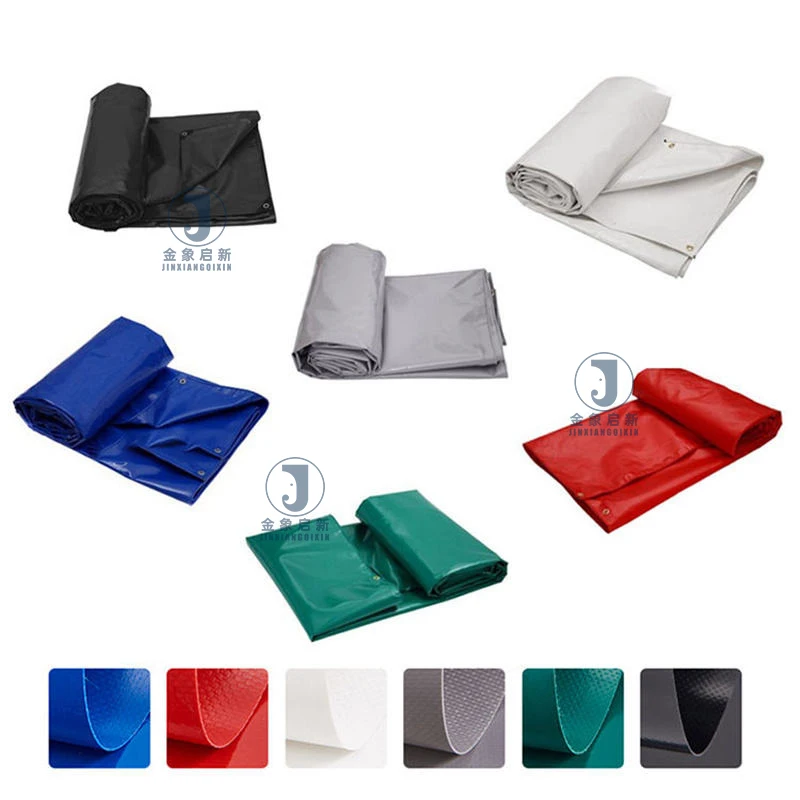
| Color Options | Blue, Red, Yellow, Light Blue, Grey, or customized |
| Key Features | Waterproof, cold crack resistance, anti-mildew |
| Flame Retardant | Available as special treatment — confirm the grade required for your market |
| Anti-Static | Available as special treatment — confirm the grade required for your market |
| Service Life | Suited to extended outdoor exposure |
| Standards | ISO, CE |
Application Suitability
| Application | Exposure & Requirement |
|---|---|
| Tarpaulin distributor stock | Multiple GSM grades in standard widths for regional resale, batch colour consistency across container loads |
| Tent and awning fabrication | Roll-to-roll colour matching, clean weld lines, surface ready for custom printing |
| Construction site enclosure | Weather exposure, abrasion from scaffolding contact, wind load on large panels |
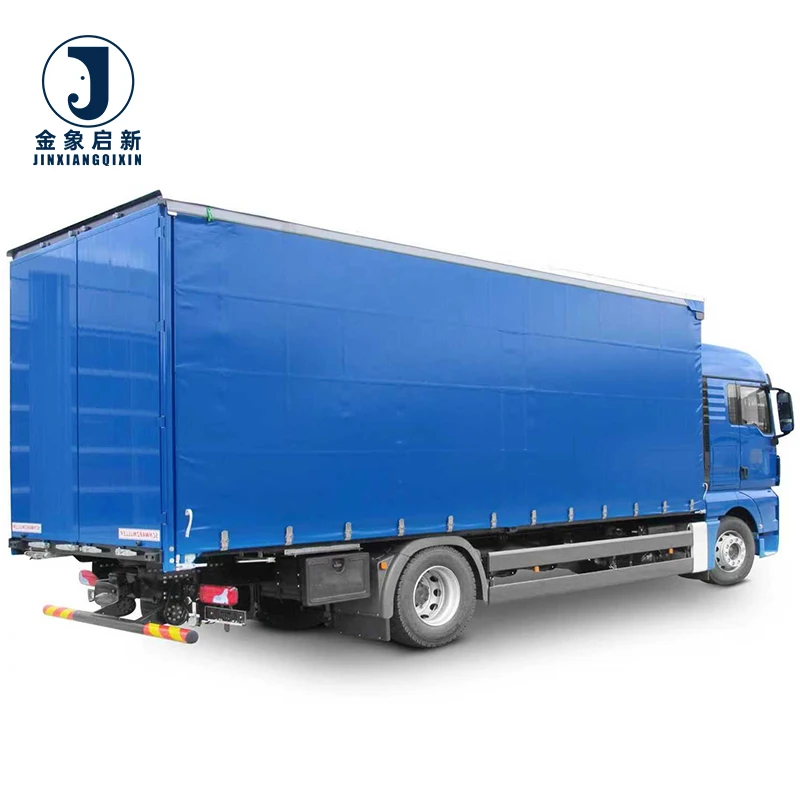
| Equipment and machinery covers | UV and rain exposure, repeated folding and unfolding, resistance to mildew in humid storage |
| Inflatable structure fabric | Consistent coating adhesion for heat-welded seams, air-holding integrity across long panels |
| Agricultural and aquaculture covers | Permanent moisture contact, chemical exposure from fertilisers, anti-mildew performance |
Why Weight Claims on Paper Do Not Match What Arrives
The quoted GSM means nothing unless someone physically weighs and measures each roll before it leaves the factory.
Wholesale buyers of PVC coated tarpaulin roll regularly face a frustrating pattern. The specification sheet states 550gsm, the invoice references 550gsm, yet the rolls that arrive on site feel noticeably lighter. This happens when the coating weight applied on the production line drifts below the target and nobody checks the output against the order. A few grams of missing PVC per square metre adds up across a full container — the buyer pays for material that was never applied. Over time, those thinner rolls tear sooner at stress points and degrade faster under weather exposure. [NEED_CITE: coating weight variance in PVC tarpaulin production]
Roll-to-Roll Consistency at Scale
When a distributor orders several hundred rolls of PVC coated tarpaulin roll for regional resale, the margin between profit and loss depends on whether every roll matches the same specification. Colour drift between batches forces fabricators to cut from different rolls to make a single panel, and the seam line becomes visible once installed. This coating facility controls colour matching through dedicated QA checkpoints at every production stage — pigment is metered into the PVC compound under controlled ratios, and each batch is compared against the approved reference before coating begins. The result is a wholesale PVC coated tarpaulin roll supply where the blue in roll 400 matches the blue in roll 4, even when they were produced weeks apart.
Coating Adhesion and Fabric Integrity
The base fabric here is a high-strength polyester mesh, and the PVC is applied using either laminated technology or hot-melt coating. Laminated coating bonds a pre-formed PVC film to the polyester under heat and pressure, producing a smooth, uniform surface that welds cleanly and holds printed branding well. Hot-melt coating extrudes molten PVC directly onto*or stronger peel resistance. Both methods are used across the GSM range — lighter grades such as 350gsm and 420gsm tend to use lamination for cost efficiency, while heavier grades at 600gsm and 750gsm often benefit from hot-melt penetration for applications where the fabric will be folded repeatedly or welded into complex shapes. The choice between the two is dictated by the end use, not just price. [NEED_CITE: laminated vs hot-melt coating adhesion in PVC tarpaulin]
Reading GSM, Thickness and Weave Together
Weight per square metre is the single most quoted number in PVC coated tarpaulin roll purchasing, but it does not tell the full story. A 550gsm roll made with a low-denier, loosely woven base may feel heavy yet tear easily along the warp, because the coating thickness compensates for a weak fabric. The same 550gsm with a high-tenacity, densely woven polyester mesh will resist tear propagation far more effectively. Thickness values from 0.32mm to 0.65mm track with GSM, but two rolls at the same thickness can have very different tensile properties depending on how much of that thickness is PVC versus polyester. The coating method — laminated or hot-melt — further affects how the two layers interact under load. A hot-melt coat that penetrates the mesh creates a more integrated structure that resists delamination at the edges, while a laminated film sits more as a bonded skin. Buyers specifying for welded fabrication should ask which coating method applies to their chosen GSM grade.
The Hidden Cost of Inconsistent Batch Weight
When rolls in the same shipment vary in actual GSM, the consequences show up downstream in ways that are expensive to fix. A fabricator cutting truck covers from a batch that came in lighter than expected will find the material failing at fold lines within the first season of use, while covers from the correct-weight batch last. The fabricator then faces warranty claims that trace back to material they already cut and welded, making returns impractical. [NEED_CITE: premature tarpaulin failure from under-weight material batches] Similarly, if anti-mildew treatment was specified but not actually applied, rolls stored in humid warehousing develop staining before they even reach the end customer. Colour variation between rolls in one order means a distributor cannot guarantee matching panels to their retail customers, leading to rejected shipments and reorders. These are not rare edge cases — they are the recurring friction points in PVC coated tarpaulin roll wholesale purchasing.
Why Source Rolls Through This Supply Chain
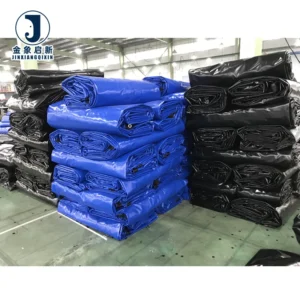
Three full production lines and 36 sets of professional equipment support container-volume output without the extended lead times that buyers associate with custom orders. A 10-person R&D team handles custom colour matching, brand printing setup and sample development, turning sample requests around within days rather than weeks. Every roll passes through dedicated QA/QC inspection before dispatch, not a spot-check — the entire shipment is verified. The facility holds ISO and CE certification, and all documentation from material specification sheets to pre-shipment inspection records accompanies the order. Roll packing plans are prepared per container, showing roll count, weight and position so that the buyer knows exactly what is inside before the container is sealed.
Documentation & Verification
- Material specification sheet listing exact GSM, base fabric denier and coating method per roll
- Pre-shipment inspection record confirming 100% weight verification before dispatch
- Roll packing list with container loading plan by roll count and position
- Test reports for flame retardant or anti-static treatments where specified
- Certificate of origin and customs documentation for import clearance
Fabrication, Handling & Storage
- Heat-weld settings must be adjusted between 350gsm and 750gsm grades to avoid burning through lighter rolls
- Hot-melt coated rolls tolerate higher weld temperatures than laminated grades of the same GSM
- Store rolls upright on their cores to prevent flat-spotting and permanent crease marks in the PVC surface
- Unroll in temperatures above freezing to avoid cold crack damage on anti-cold treated grades
- Clean printed surfaces with mild detergent only — solvents will dissolve the PVC coating and blur brand graphics
- Cut layouts should account for the 2m or 2.1m roll width to minimise off-cuts and seam count
Requesting a Quote for Your Application
To receive a targeted specification, share your end-use application, the environmental exposure conditions the fabric will face, and the GSM grade or thickness you currently use. If your market requires flame retardant or anti-static certification, state the standard your local authority enforces. Indicate the roll width, colour and any brand printing requirements, along with the approximate annual volume so that production scheduling and container loading can be planned accordingly.
Frequently Asked Questions
Q: How is GSM verified on each roll before shipment?
A: Every roll is sampled and weighed per square metre during the pre-shipment inspection process. The measured value is recorded against the specification sheet, and any roll falling outside the accepted tolerance is pulled from the batch. The inspection record ships with the container so you can verify the data on receipt.
Q: How do you control colour consistency across rolls in the same order?
A: Pigment is metered into the PVC compound at controlled ratios before coating begins. Each production batch is compared against the approved colour reference under standardised lighting. Rolls within the same purchase order are grouped to a single coating batch wherever volume allows.
Q: What roll widths, lengths and GSM grades are available from stock?
A: Standard stock rolls ship in 2m × 75m and 2.1m × 50m configurations. The GSM range covers 350gsm, 420gsm, 500gsm, 550gsm, 600gsm and 750gsm. Availability of specific grades and colours from stock varies — confirm current inventory when placing your order.
Q: What is the MOQ for custom colour or printed rolls?
A: Custom colour and brand printing require a minimum order that covers the coating line setup and pigment batch preparation. The exact MOQ depends on the roll width and GSM grade selected. Request a sample first to confirm colour and surface finish before committing to the full production run.
Q: How are rolls packed and loaded for container shipping?
A: Each roll is wrapped and labelled with its GSM, colour and batch reference. A roll packing list details the count, weight and loading position inside the container. The plan is shared with the buyer before sealing so that unloading and warehouse sorting can proceed without delay.