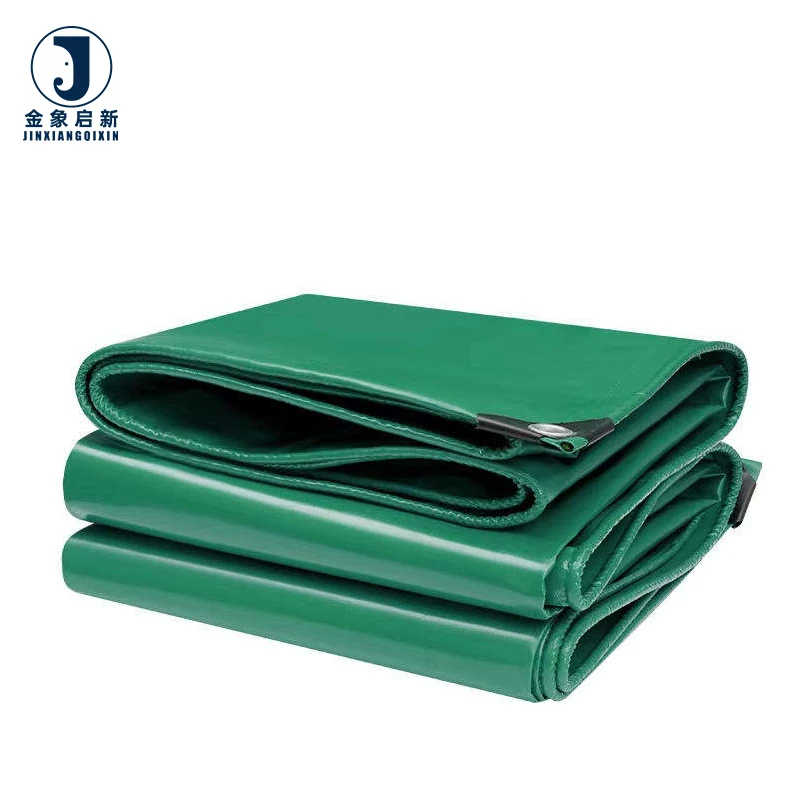
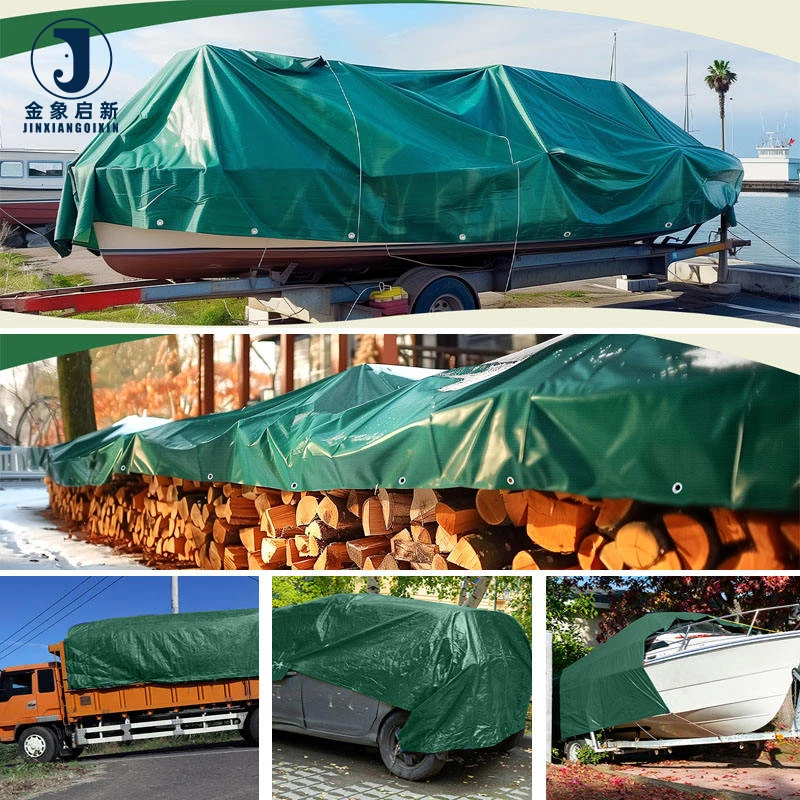
Description
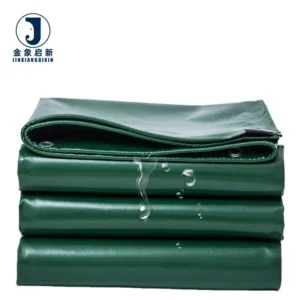
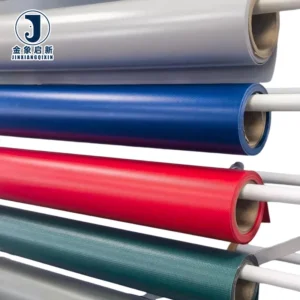
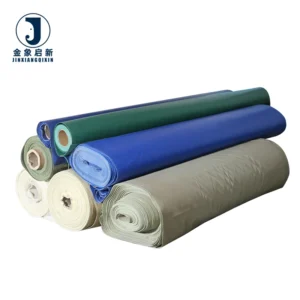
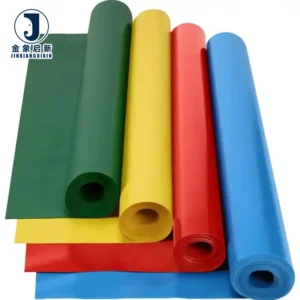
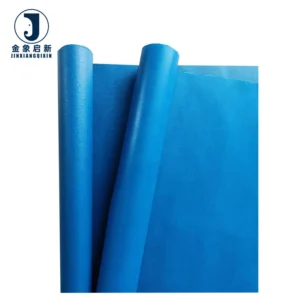
Bulk Volume Consistency — Every roll of PVC coated tarpaulin produced on our three dedicated lines is checked against the stated GSM and colour reference before it leaves the factory, ensuring batch-to-batch uniformity for wholesale redistribution.
Technical Specifications
| Parameter | Value |
|---|---|
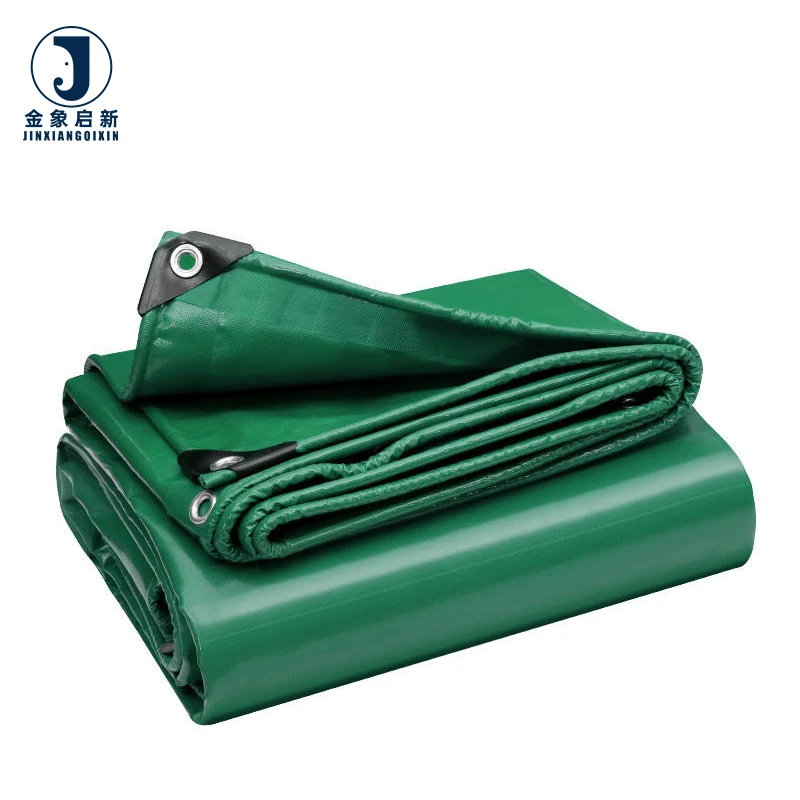
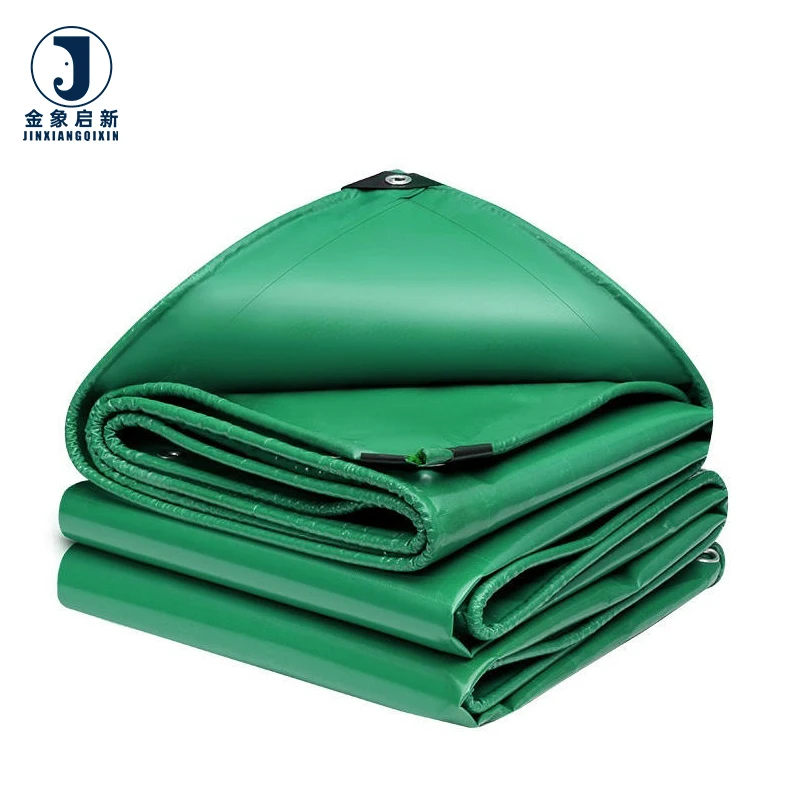
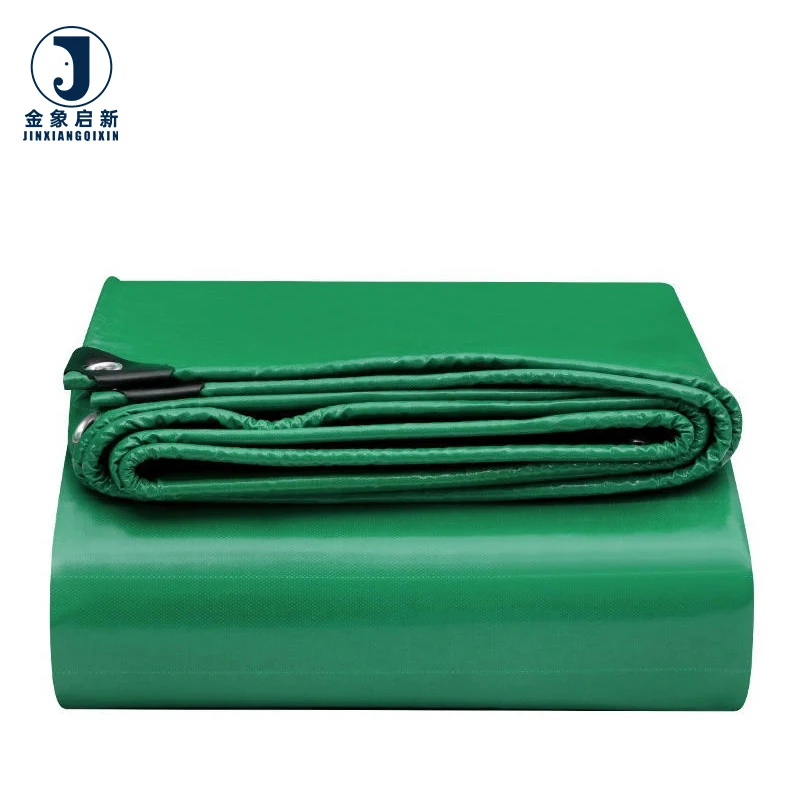
| Product Type | PVC Coated Tarpaulin Roll |
| Coating Material | PVC |
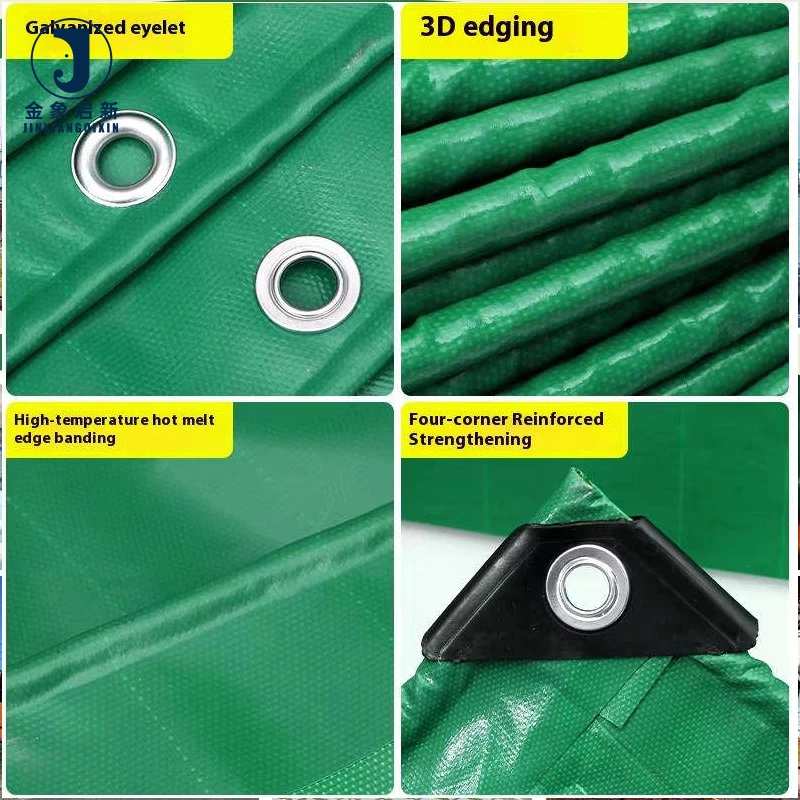
| Coating Method | Heat combined with high-frequency |
| Weight Range | 500 to 800 g/m² |
| Waterproof Rating | Anti-permeable ≥20KPa |
| Flame Retardant | ≤10 seconds (grade not stated in source) |
| Low-Temperature Flexibility | Not fractured at -30°C |
| Corrosion Resistance | Acid, alkali, brine |
| Mildew Proofing | Yes |
| Water Absorption | Almost none |
| Seaming Method | High-frequency heat combined |
Application Suitability
| Application | Exposure & Requirement |
|---|---|
| Tarpaulin Distributor Stock | Regional redistribution requiring consistent GSM, colour, and roll length across the entire container shipment |
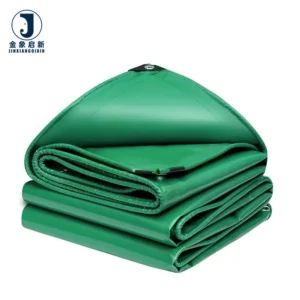
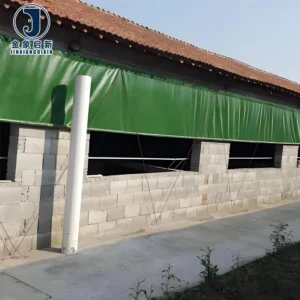
| Fabricator Workshop Supply | Bulk cutting and high-frequency welding into custom covers, side curtains, and industrial enclosures |
| Logistics Fleet Maintenance | In-house production of truck and trailer covers requiring abrasion resistance and flex durability at seam points |
| Tent and Awning Manufacturing | Roll-fed production lines needing uniform coating thickness and surface finish for reliable heat-sealed joins |
Why Roll-to-Roll GSM Variance Matters More Than the Number Itself
A stated gsm on paper means nothing if the roll on your cutting table is lighter than what you paid for.
When tarpaulin distributors and importers receive a container of roll stock, the first check is usually the label. But the label does not tell you whether the coating weight was maintained throughout the production run or whether the material at the core of the roll matches the outer layers. Inconsistent PVC coated tarpaulin roll wholesale supply creates downstream problems that only surface when fabricators start cutting — panels that should be identical weights end up in different finished products, and customers notice the difference in feel and performance. [NEED_CITE: coated fabric weight tolerance standards for wholesale textile distribution]
Stock Grade Availability for Volume Buyers
Roll-stock procurement operates on different logic than custom-cut orders. Distributors need a PVC coated tarpaulin roll supplier who holds standard weight grades ready for immediate dispatch while also offering custom widths without prohibitive minimums. The 500 to 800 g/m² range covers the majority of regional market demand, from lighter grades used for temporary covers and agricultural sheeting to heavy-duty rolls destined for truck side curtains and industrial enclosures. Maintaining stock across this spectrum means a single container can be loaded with mixed grades to match a distributor’s regional product catalogue.
Colour Matching Across Multi-Roll Orders
Batch-to-batch colour consistency is where many wholesale shipments fail the receiving inspection. When a fabricator lays two rolls side by side to cut panels for a single truck cover, even a slight hue shift becomes visible once the cover is installed. Our production control checks colour reference at the coating stage and again at the winding station, ensuring that every PVC coated tarpaulin roll within a single order matches the confirmed sample. For distributors stocking multiple widths of the same colour, this means end-customers receive visually consistent material regardless of which roll the fabricator pulls from inventory. [NEED_CITE: colour measurement standards for PVC coated textiles in roll form]
Coating Weight and Base Fabric Density: The Relationship Buyers Overlook
The gsm figure printed on a roll label combines two distinct components — the base polyester fabric and the PVC coating applied to both sides. A roll can reach a target weight through heavy coating on a light base fabric or through a dense base with moderate coating, and these two constructions behave very differently under tension and tear stress. The base fabric denier and weave density determine the structural strength, while the coating weight governs waterproofing, surface durability, and heat-seal performance. When evaluating roll stock for wholesale, buyers should request the base fabric specification alongside the total gsm to understand what they are actually purchasing. The coating method — heat combined with high-frequency in this product family — affects how well the coating bonds to the base and how the material responds to fabrication welding.
What Happens When Welds Fail Before the Fabric Does
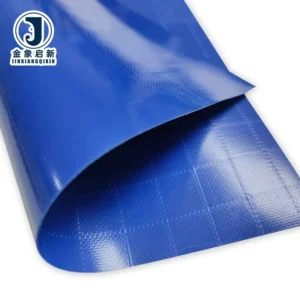
The most common failure point in fabricated PVC covers is not the material itself but the welded seam. When high-frequency heat-combined seaming is performed on roll stock with inconsistent coating thickness, the weld temperature that works on one section may under-bond or burn through on another. This is why roll-to-roll coating uniformity is not just a quality preference — it directly determines whether fabricators can set their welding machines to fixed parameters and trust the output. Seam failure under load flex, particularly on truck side curtains that experience constant wind pressure and vibration, traces back to either coating inconsistency in the roll stock or welding parameters that were not adjusted for the actual material received. [NEED_CITE: high-frequency welding parameters for PVC coated polyester fabrics]
Why Volume Buyers Source From This Production Line
Three full production lines running dedicated PVC coating schedules mean that roll stock orders do not compete for machine time with custom fabricated items. The 10-person R&D team handles sample development for custom widths and colours within days, allowing distributors to confirm material before committing to a full container order. Every roll undergoes 100% inspection at the winding stage, with GSM verification recorded against the specification sheet. High-frequency heat-combined seaming capability is built into the production process, ensuring that the material leaving the factory has proven weld compatibility. Container loading plans are provided by roll count and weight before dispatch, so logistics teams know exactly what they are receiving.
Documentation & Verification
- Material specification sheet stating base fabric denier, coating weight, and colour reference per roll grade
- Pre-shipment inspection record confirming gsm, colour match, and surface quality per roll
- Roll packing list with individual roll weights, dimensions, and container loading sequence
- Certificate of origin and customs documentation package for cross-border wholesale clearance
- Test report for flame retardant and anti-UV grades where specified in the purchase order
Fabrication, Handling & Storage
- Set high-frequency welder temperature based on the confirmed coating thickness of the specific roll grade received
- Store rolls horizontally on racking to prevent compression creasing that affects downstream cutting accuracy
- Allow cold-stored rolls to reach workshop temperature before unrolling to avoid coating micro-cracking at -30°C flexibility limit
- Use the acid and alkali corrosion resistance specification to confirm suitability for chemical exposure environments
- Verify mildew proofing treatment is specified when storing rolls in high-humidity warehouse conditions
Requesting a Quotation That Matches Your Market
Specify the weight grade, width, and total roll count your regional market requires, along with any colour matching requirements against a Pantone or RAL reference. Confirm whether your fabricators need test reports for specific flame retardant or anti-UV standards applicable in your destination market. Indicate whether you require standard stock widths or custom slitting, and whether sample rolls should be dispatched before the full container order enters production.
Frequently Asked Questions
Q: How is gsm verified per roll before shipment?
A: Every roll is weighed and measured at the winding station, with the actual gsm recorded against the specification sheet. The pre-shipment inspection record includes these verified weights, and any roll falling outside the tolerance band is flagged before container loading.
Q: What is the minimum order for custom width on roll stock?
A: Custom slit widths are available with minimums that depend on the base roll width and the number of cuts required. Request a quotation with your target width and total metreage to receive the specific minimum and lead time for your order configuration.
Q: How is colour consistency maintained across multiple rolls?
A: Colour reference is checked at the coating stage and again during final winding inspection. Rolls within a single production batch are matched against the approved sample, and the inspection record documents the colour verification for your receiving team to review upon arrival.
Q: What stock widths and roll lengths are available immediately?
A: Standard stock widths and lengths vary by production schedule and current inventory. Confirm your required width and total metreage to receive current availability, or request placement on the next production run for specific grades that are temporarily out of stock.