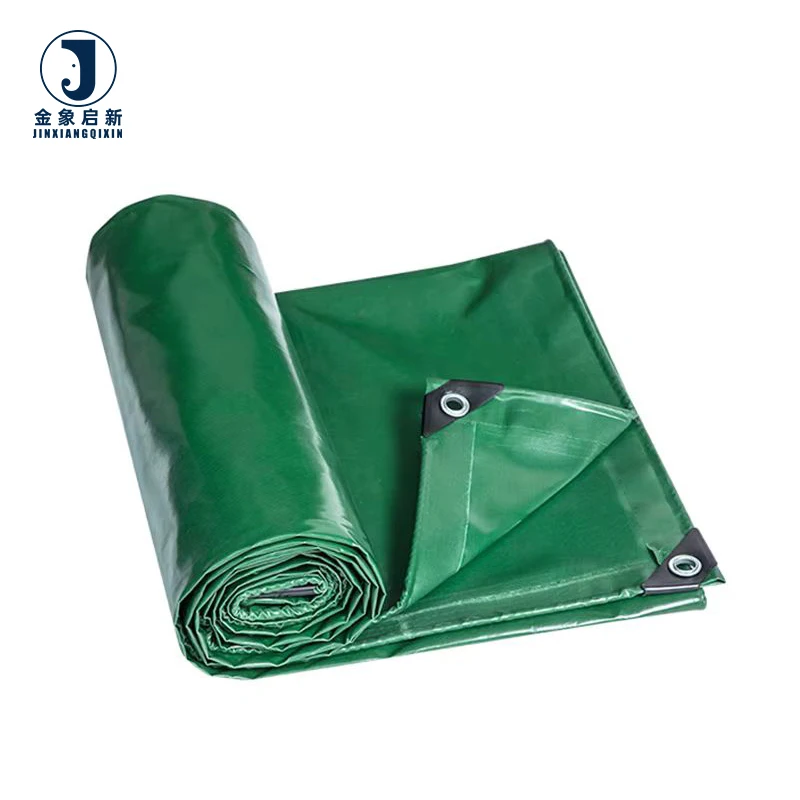
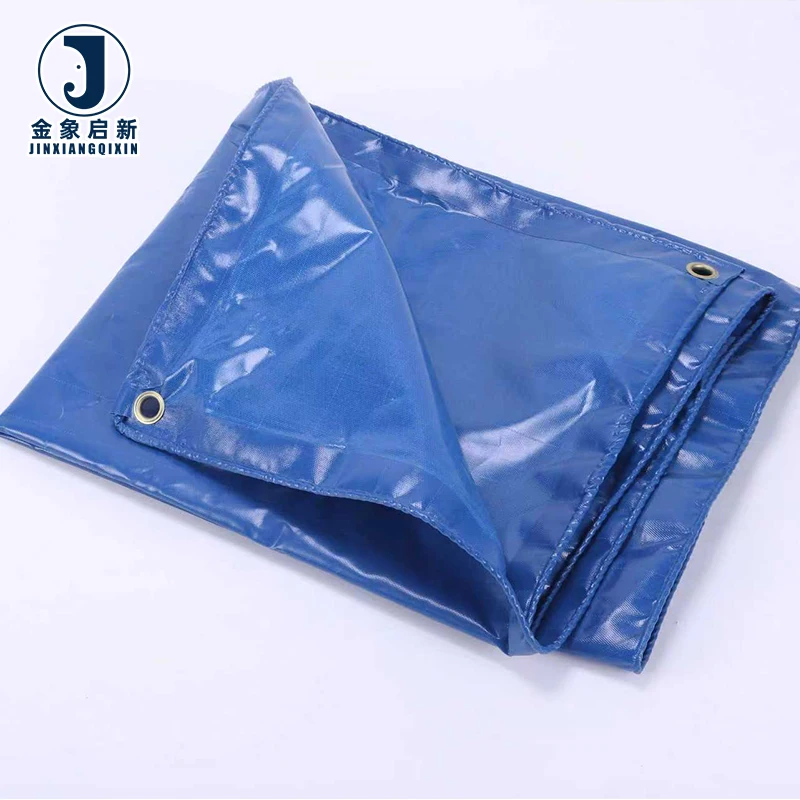
Description
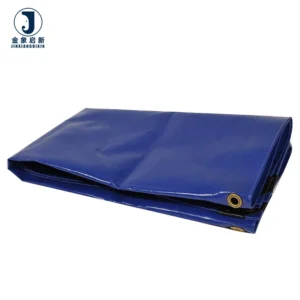
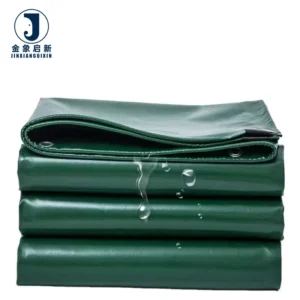
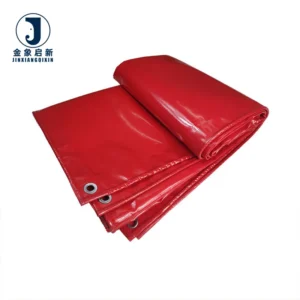
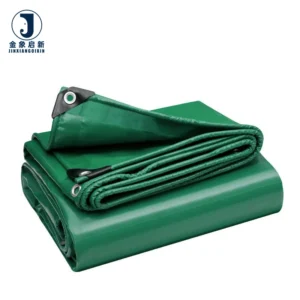
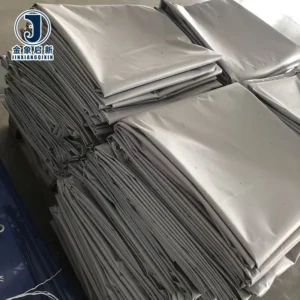
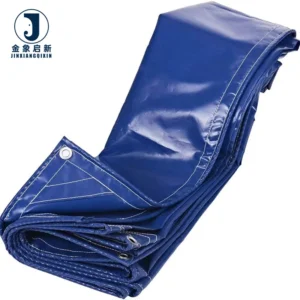
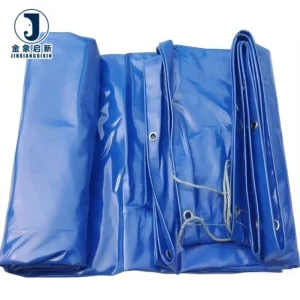
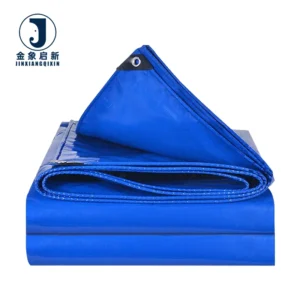
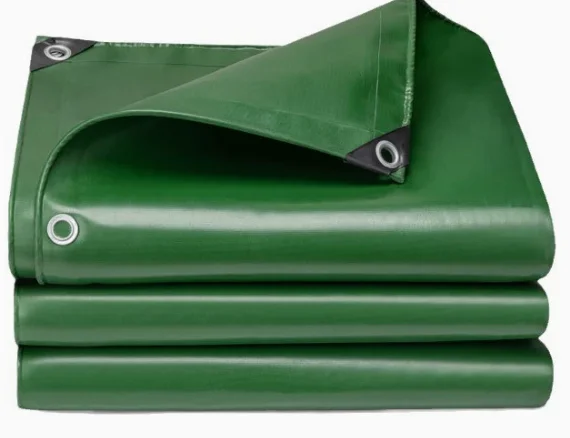
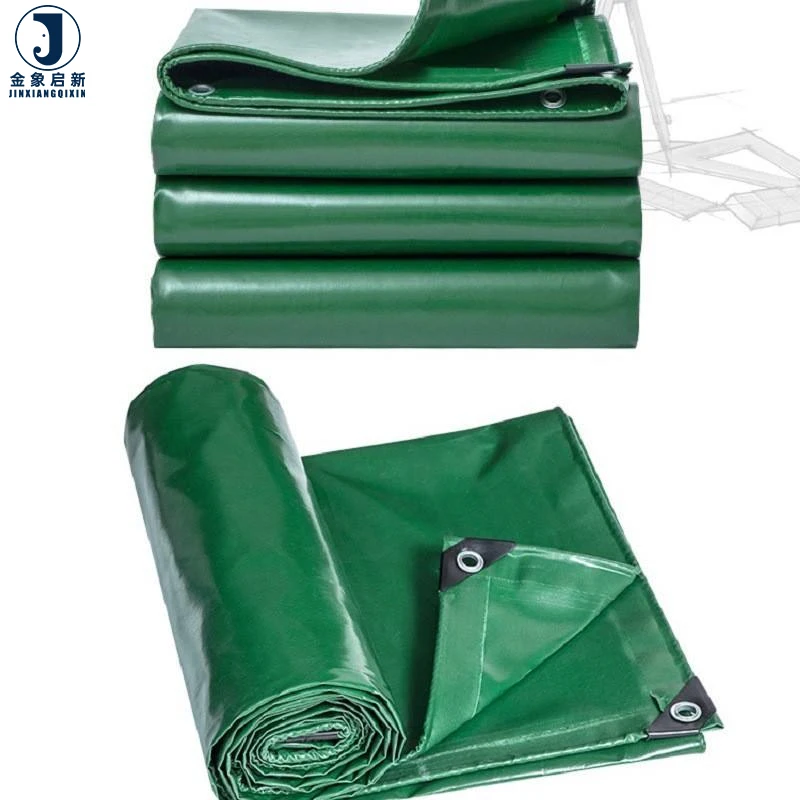
Consistent Roll-to-Roll Weight Verification — every PVC coated tarpaulin roll is weighed and measured against the quoted GSM at both production and pre-shipment stages, eliminating the variance that wholesale buyers most frequently report.
Technical Specifications
| Parameter | Value |
|---|---|
| Product Type | PVC Coated Tarpaulin Roll |
| Coating Material | PVC Vinyl |
| Base Fabric | Woven Fabric |
| Weight | At least 450 g/m² (source value — verify against manufacturer catalog) |
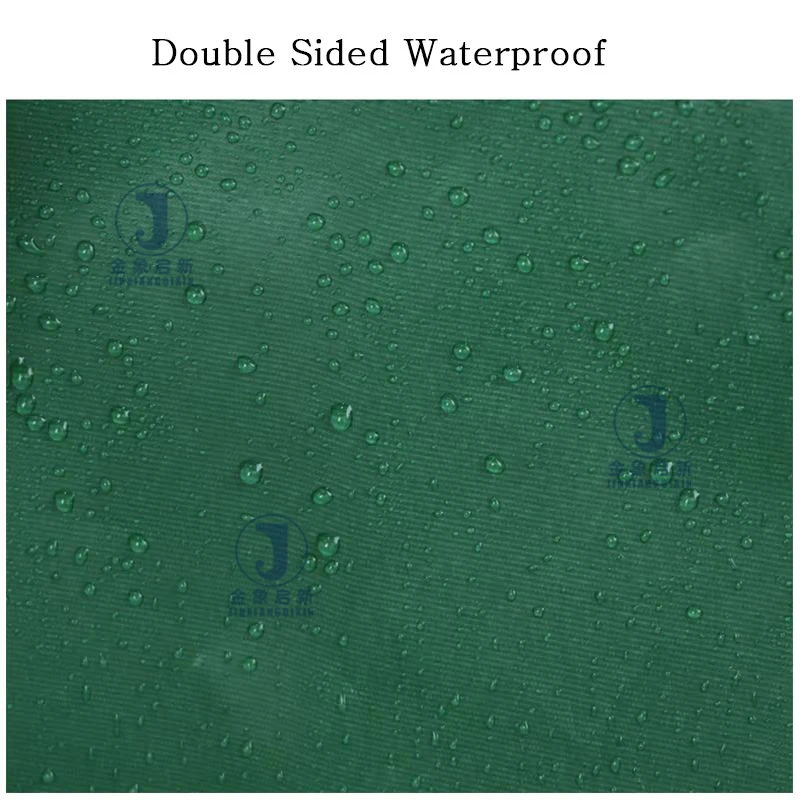
| Waterproof Construction | Yes |
| Tear Resistance | High |
| Flame Retardant Grade | Available in flame retardant grades — confirm the grade required for your market |
| UV Treatment | Available with UV treatment — confirm requirements for your region |
| Custom Widths | Available on request |
| Roll Length | Available on request |
Application Suitability
| Application | Exposure & Requirement |
|---|---|
| Tarpaulin distributor stock | Warehouse storage, repeated handling, consistent colour across rolls for retail cutting |
| Truck and trailer cover fabrication | Road abrasion, constant flexing at load points, weather exposure during transit |
| Construction site equipment covers | Prolonged outdoor storage, dust and moisture ingress, UV degradation on idle plant |
| Agricultural structure sheeting | Wind load, seasonal temperature swings, chemical exposure from livestock or fertiliser |
| Large-scale project covers | Multi-roll deployment requiring colour and weight uniformity across the full order |
Why Stated GSM Fails the Roll-Stock Buyer
Weight verification must happen at production and again before the container is sealed — not just on the quotation.
When buying PVC coated tarpaulin roll stock by the container load, the gap between the GSM printed on the invoice and the material that actually arrives can be enough to change the fabric’s behaviour under load. A roll that measures lighter than agreed will tear sooner at the eyelet line, stretch under wind load on a construction hoarding, or fail the incoming quality check your customer runs on receipt [NEED_CITE: tensile and tear test methods for coated fabrics per ISO 1421]. The problem compounds: one underweight roll in a twenty-roll shipment may not be noticed until the fabricator cuts into it and finds the hand-feel is wrong, by which time the container has cleared customs and the cost of return freight exceeds the margin on the entire order.
How Roll-to-Roll Consistency Is Held Across a Container Order
Coating weight is set by the gap between the coating blade and the base fabric as it passes through the PVC vinyl application head. On a PVC coated tarpaulin roll line, even small shifts in this gap or in oven temperature create measurable variation in grams per square metre from one roll to the next. The three full production lines running at this facility allow dedicated line allocation for large orders, meaning the same machine, same operator settings, and same coating batch run from the first roll to the last.
Colour Matching Across Multiple Rolls in One Shipment
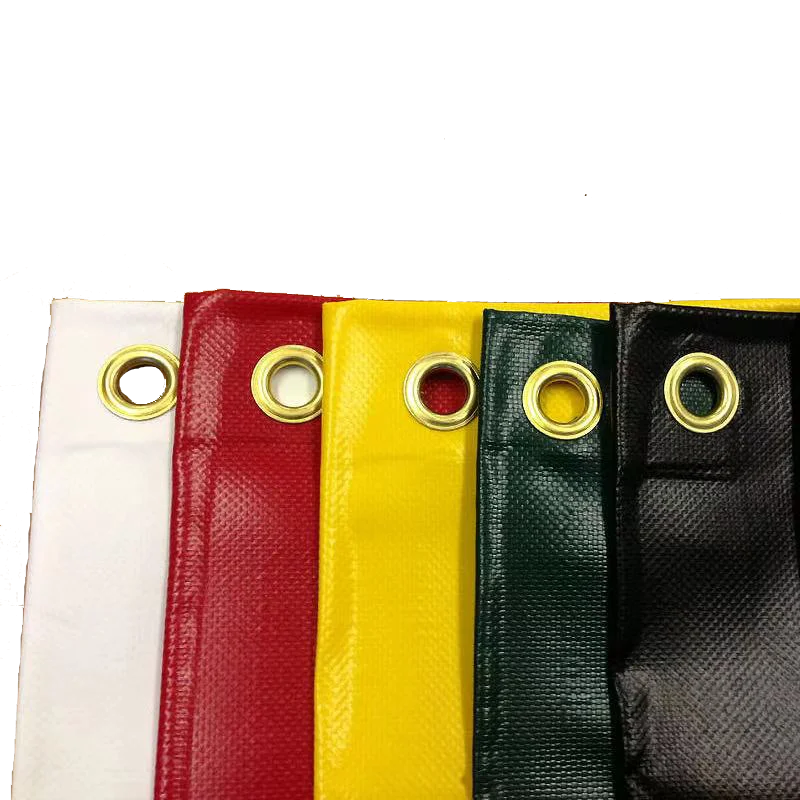
Pigment dispersion in the PVC vinyl compound must be uniform before it reaches the coating head. Batch-to-batch pigment variation is the usual cause of visible shade difference when two rolls are unrolled side by side on a warehouse floor. Pre-production colour samples are approved against a reference standard, and in-process checks compare each subsequent roll against that approved swatch before it is wound and packed. This matters especially when the PVC coated tarpaulin roll stock is destined for fabricators who cut panels that will be heat-welded together — a shade mismatch at the seam line is immediately visible once installed [NEED_CITE: colour fastness and batch consistency standards for coated textiles].
Reading the Specification Sheet Beyond the GSM Number
The stated weight of at least 450 g/m² combines the woven base fabric and the PVC vinyl coating applied to it. A high GSM achieved mainly through heavy coating with a light base fabric will feel stiff but may lack the tensile strength needed for tensioned truck side curtains. Conversely, a dense woven base with a thinner coating delivers better tear propagation resistance but may sacrifice some surface waterproofing at the coating layer. The woven fabric construction — yarn denier and thread count in both warp and weft directions — determines how the material behaves when a puncture starts, because tear force travels along the yarn path. When evaluating PVC coated tarpaulin roll stock, requesting both the base fabric specification and the total coated weight gives a clearer picture than GSM alone.
The Cost of Skipping Incoming Inspection on Roll Stock
A distributor who accepts a container of rolls without verifying weight and colour on arrival absorbs all the downstream risk. If the GSM is below the quoted value, the fabric may be sold on to a fleet operator whose truck covers then fail at the hem line within the first season, generating a warranty claim the distributor must honour. If the colour varies between rolls, a fabricator installing panels on a single structure will see banding across the surface — a defect that is only visible after installation and extremely costly to replace [NEED_CITE: common causes of coated fabric warranty disputes in wholesale distribution].
What Supports Repeat Orders from This Facility
Three full production lines with thirty-six sets of professional equipment run dedicated allocations for large wholesale orders, so a single PVC coated tarpaulin roll batch stays on one line from start to finish. A ten-person R&D team handles custom width and colour sampling before the buyer commits to container volume. Every production stage carries in-process quality checks, and a full pre-shipment inspection verifies weight and colour against the approved sample before dispatch. Material specification sheets, ISO and CE certificates, and a roll packing list with lot traceability ship with every container. Custom widths and colour runs are developed as samples within days, letting the buyer confirm the material before production begins.
Documentation & Verification
- Material specification sheet stating GSM, base fabric denier, and PVC vinyl coating weight per roll lot
- Pre-shipment inspection record confirming weight and colour against the approved sample
- Roll packing list with individual roll weight and lot number for container load planning
- ISO and CE certificates included with each shipment for customs and compliance purposes
- Test reports for flame retardant or UV-treated grades supplied where applicable to the order
Fabrication, Handling & Storage
- Heat-weld PVC vinyl seams using temperature and dwell settings matched to the at least 450 g/m² weight to avoid delamination at the joint
- Store rolls upright on pallets in a dry warehouse to prevent flat-spotting and permanent crease marks on the coating
- Allow cold-stored rolls to reach workshop temperature before unrolling to avoid cracking the PVC vinyl surface
- Cut panels with the woven fabric grain direction aligned to the primary load axis for maximum tear resistance
- Use solvent-compatible cleaners on the PVC vinyl surface; avoid strong alkalis that can degrade the coating over repeated washes
- Plan roll width selection against finished panel dimensions to minimise off-cuts and seam count in the final product
Before You Request a Quote
Provide the target market, intended application, and the annual volume you expect to move so we can recommend the right base fabric construction and coating weight. Specify whether you need standard stock widths or a custom roll width optimised for your cutting layout. If your end-use requires flame retardant or UV-treated material, confirm the grade or standard your market mandates so the correct test reports ship with your order.
Frequently Asked Questions
Q: How is the GSM of each roll verified before the container ships?
A: Weight is checked at the coating line during production and again during a dedicated pre-shipment inspection. Each roll is sampled, weighed on calibrated scales, and recorded against the approved specification. The inspection report ships with the packing list so you can cross-reference lot numbers on arrival.
Q: What is the minimum order when I need a custom width or colour?
A: Custom widths and colours require a minimum run that covers one dedicated coating batch. The exact volume depends on the width requested and the colour changeover involved. A sample roll is produced first so you can approve weight, hand-feel, and shade before the full order enters production.
Q: Can I mix different roll grades in a single container?
A: Yes, mixed-grade containers are standard for wholesale buyers stocking multiple product lines. Each grade is listed separately on the roll packing list with its own lot number and weight. Container loading plans showing roll count, weight, and cubic volume are provided for freight planning before dispatch.
Q: How is colour consistency controlled when the order spans many rolls?
A: Pigment is batched for the entire order before coating begins, and each roll is compared against the approved reference swatch during winding. Any roll that falls outside the agreed tolerance is pulled from the production run before packing, ensuring all rolls in your container match when unrolled side by side.
Q: What documentation comes with each container shipment?
A: Every shipment includes a material specification sheet, pre-shipment inspection record, roll packing list with lot traceability, ISO and CE certificates, and a certificate of origin. Additional test reports for flame retardant or UV-treated grades are included where those treatments were specified on the purchase order.