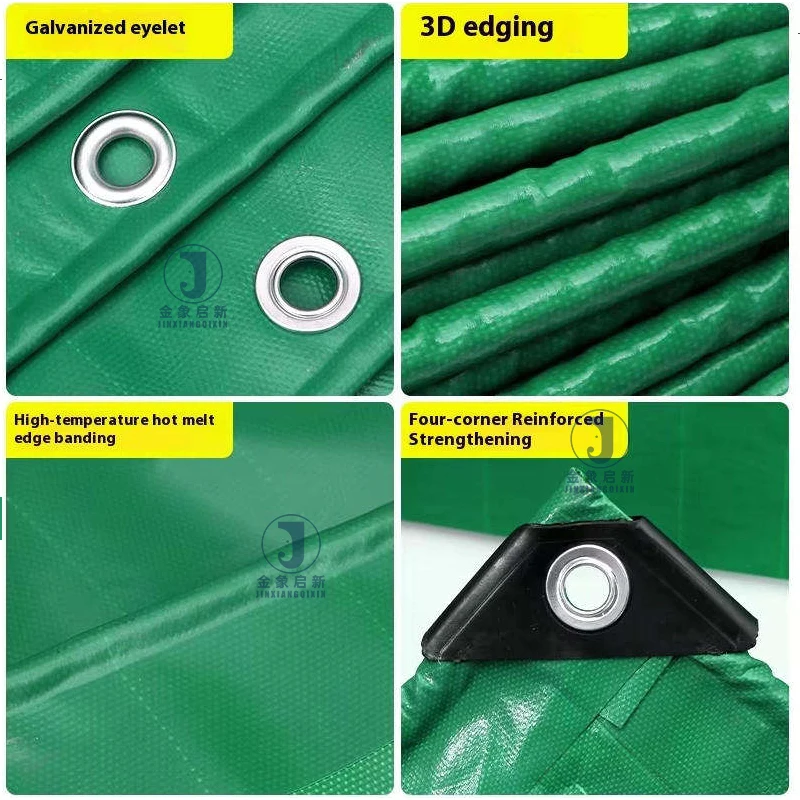
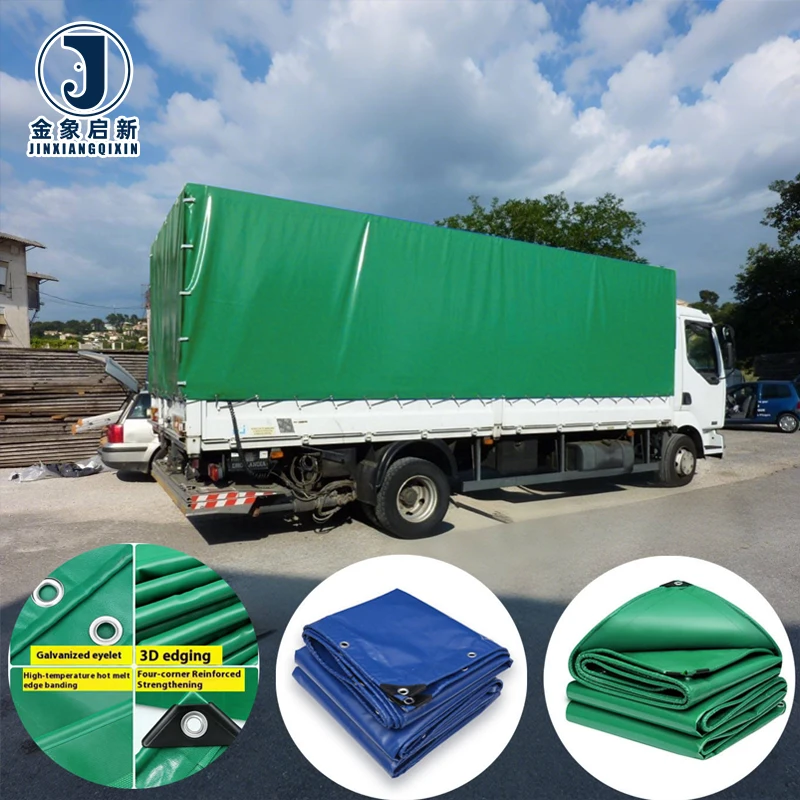
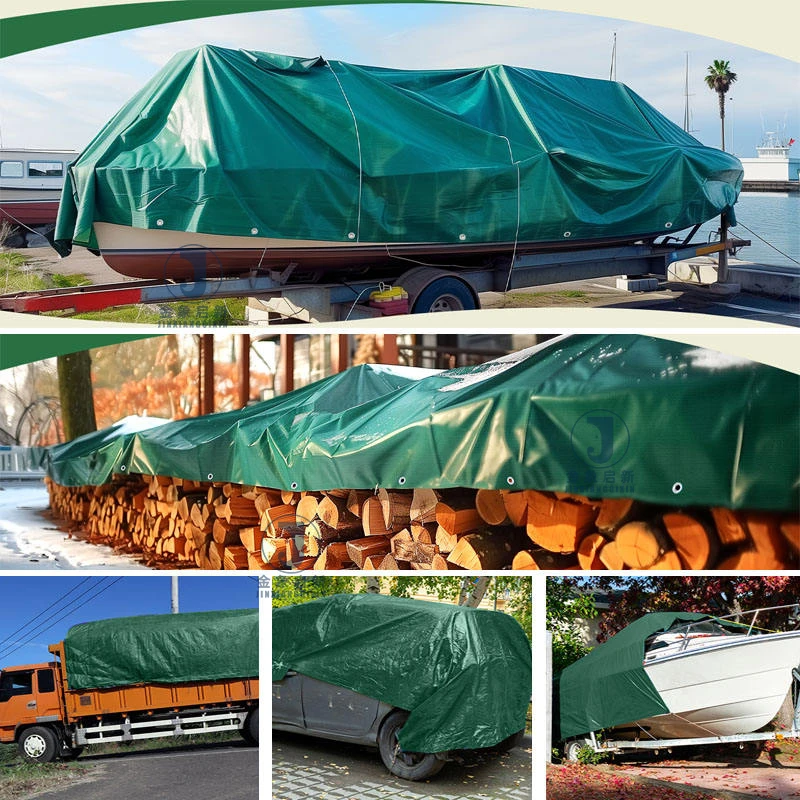
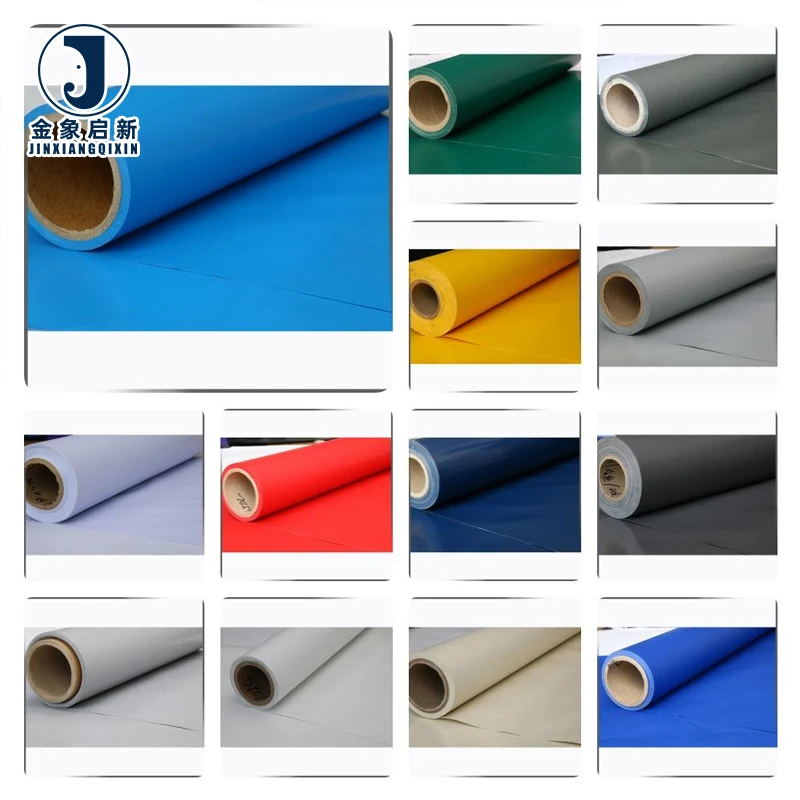
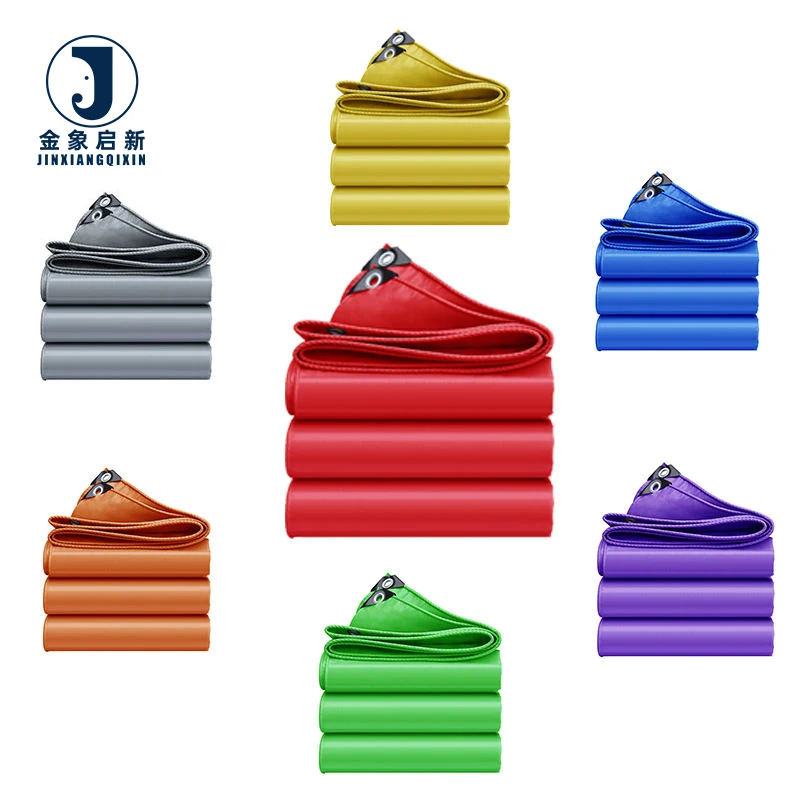
Description
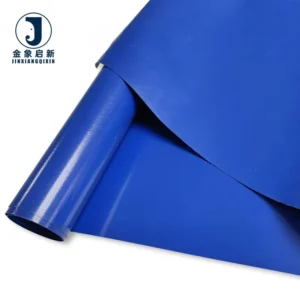
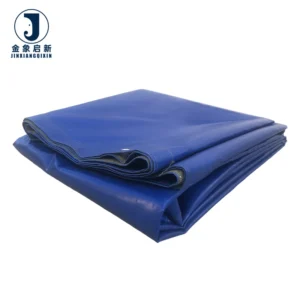
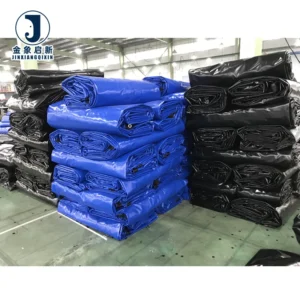
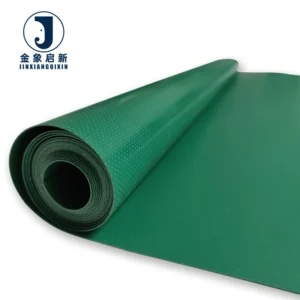
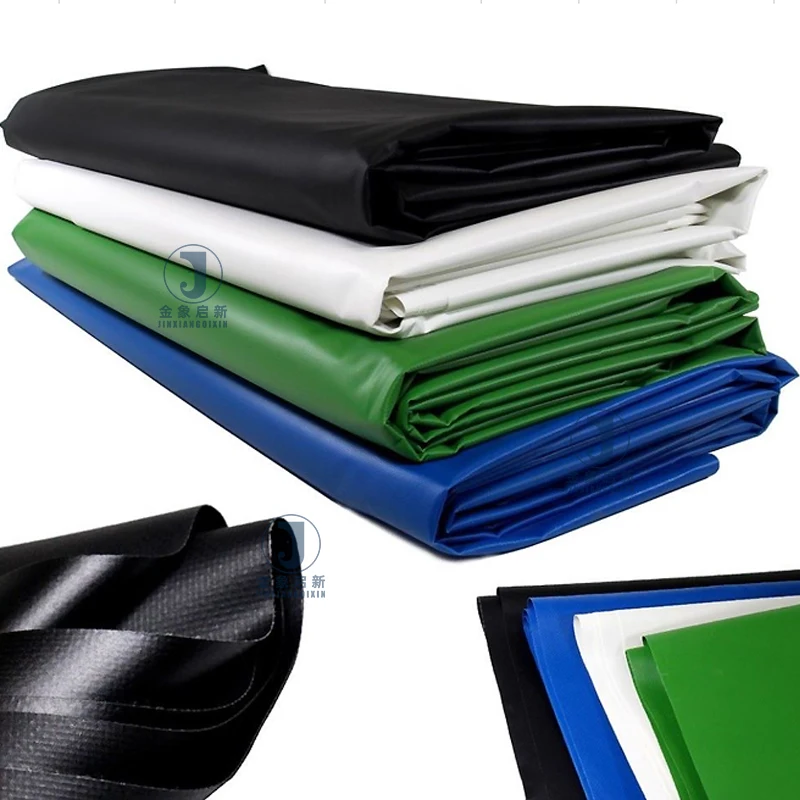
Verified Roll Weight — Every PVC coated tarpaulin roll leaving the facility is weighed and cross-referenced against the quoted GSM, ensuring wholesale buyers receive the exact grade ordered without hidden shortfalls.
Technical Specifications
| Parameter | Value |
|---|---|
| Product Type | PVC Coated Tarpaulin Roll |
| Base Fabric | 100% high tenacity polyester yarn |
| Coating Material | PVC |
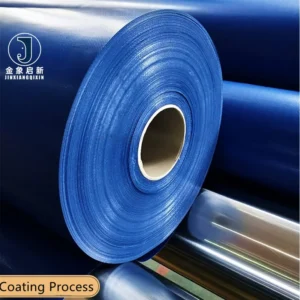
| Coating Technology | Laminated & Hot-melt Coating |
| Special Treatment Options | Flame retardant (grade not stated — confirm required grade for your market), Anti-static (test basis not stated — request report), Anti-cold, Anti-mildew |
| Waterproof | Yes |
| Cold Crack Resistance | Yes |
| Color Fastness | High grade (manufacturer claim) |
| Welding Tear Strength | Outstanding tearing strength for welding (no test standard stated) |
| Outdoor Life Assurance | 3–5 years (source value — verify against manufacturer catalog) |
| Certifications | ISO, CE |
Application Suitability
| Application | Exposure & Requirement |
|---|---|
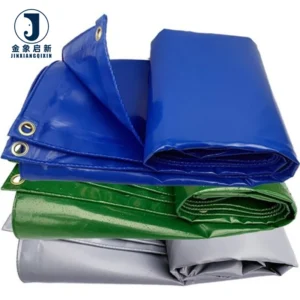
| Tarpaulin distributor stock | Consistent roll-to-roll weight, colour, and width across large container shipments |
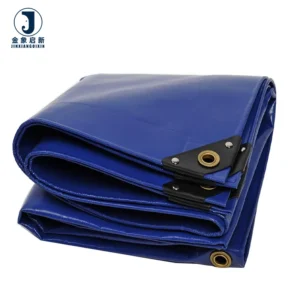
| Truck cover fabrication | Constant flexing at load points, road abrasion, weld seam integrity |
| Tent and awning production | Long roll lengths for continuous panels, colour match across event installations |
| Industrial equipment covering | Water ingress protection, mildew exposure during storage, UV exposure on site |
Why Roll Consistency Matters More Than Quoted GSM for PVC Tarpaulin Roll Wholesale
A quoted weight means nothing when half the rolls in your container arrive lighter and the other half shift colour once laid side by side on the cutting table.
When buyers source PVC tarpaulin roll wholesale, the number on the invoice rarely tells the full story. Coating weight can vary across the roll width, and a batch that looked uniform at the sample stage can show visible shade differences once multiple panels are welded together [NEED_CITE: ISO 1421 tensile and tear test methods for coated fabrics]. Fleet operators and fabricators who cut and weld in-house absorb the cost of every inconsistent roll through wasted material, re-cutting time, and rejected finished covers.
How Batch Consistency Is Held Across Every Roll in a Shipment
Sourcing PVC tarpaulin roll wholesale requires confidence that the twentieth roll in the container performs identically to the first. Our production control tracks coating weight at intervals across each roll, not just at the leading edge. The hot-melt coating and laminated processes maintain adhesion between the high-tenacity polyester base fabric and the PVC layers, so weld seams hold at the fabric’s flex points rather than peeling apart under load.
Container Loading That Matches the Packing List Exactly
Wholesale buyers reconcile roll count, net weight, and dimensions against the bill of lading at destination. Every PVC coated tarpaulin roll in a shipment is recorded with its individual width, length, and net weight before container sealing. This level of detail eliminates receiving disputes and lets distributors allocate rolls to sub-orders with confidence, knowing the documentation matches the physical cargo.
Reading the Specifications Beyond the Headline Weight
GSM alone does not determine how a roll will behave on the welding table or in service. The base fabric denier and weave density work together with the coating weight to set tensile and tear performance — a lighter coating on a tightly woven, high-denier base can outperform a heavier coating on a loose weave. The laminated and hot-melt coating technologies used here affect peel strength differently: hot-melt coating drives PVC into the yarn structure for stronger adhesion, which directly affects how welded seams resist delamination when the finished cover flexes under road vibration [NEED_CITE: peel strength test methods for PVC coated polyester fabrics]. Anti-mildew treatment matters for rolls stored in humid transit conditions, while cold crack resistance determines whether the fabric can be unrolled and fabricated in cold climates without the coating shattering at the fold line.
The Real Cost When Roll Specifications Are Wrong
A distributor who accepts rolls without independent weight verification often discovers the shortfall only when customers return finished covers that tear prematurely at load-bearing points. Colour variation between rolls becomes visible only after fabrication, when panels from different rolls sit side by side on a truck — by then the cost includes labour, freight, and reputation damage, not just the material. Flame retardant grades without supporting test reports can cause a fabricator to fail a site inspection, halting an entire installation [NEED_CITE: fire classification requirements for temporary fabric structures]. These failures trace back to a single sourcing decision: accepting a quotation without demanding matched documentation.
Why Fabricators and Distributors Source Roll Stock Here
Coating weight control comes from process discipline across three full production lines with 36 sets of equipment, not from a single check at the end of the run. A dedicated QA/QC protocol inspects every PVC coated tarpaulin roll before dispatch, with records tied to the specific batch. The 10-person R&D team develops custom widths, colours, and treatment combinations with samples turned around in days, not weeks. Production capacity supports full container loads with on-time dispatch, backed by pre-shipment inspection records rather than verbal assurances.
Documentation & Verification
- GSM verification per roll recorded against the quotation before container loading
- Roll packing list showing individual width, length, and net weight for customs reconciliation
- Material specification sheet listing base fabric denier, coating type, and treatment options
- Test reports for flame retardant and anti-static grades supplied with batch reference where applicable
- Pre-shipment inspection record confirming coating adhesion and visual consistency
- Certificate of origin and customs documentation aligned with destination market requirements
Fabrication, Handling & Storage
- Hot-melt coated rolls weld reliably at standard HF parameters — adjust dwell time if switching from laminated grades
- High-tenacity polyester base allows aggressive tensioning during welding without base fabric distortion
- Store rolls upright on end cores to prevent flat spots that show as creases after unrolling
- Unroll anti-cold treated grades at low ambient temperatures without risk of coating crack at the fold
- Cut panels with allowance for weld overlap; high adhesion strength supports narrow seam widths
- Mildew-resistant treatment reduces storage risk, but avoid wrapping rolls in non-breathable film for extended periods
What to Include in Your Roll Stock Inquiry
Specify the GSM grades, widths, and roll lengths you need for your cutting tables, along with your annual volume and container frequency. If your market requires flame retardant or anti-static certification, state the grade or standard your end users demand so we match test reports to your order. Note any colour references or custom treatments, and confirm whether you need sample rolls before committing to full container production.
Frequently Asked Questions
Q: How is roll-to-roll color consistency controlled across a bulk order?
A: Every PVC tarpaulin roll wholesale order is produced within a single coating run where pigment dosing is monitored continuously. Approved physical samples set the reference, and each roll is visually inspected against that standard before packing. Rolls showing deviation are held and excluded from the shipment rather than mixed into the container.
Q: What GSM grades and widths are available as stock, and which require custom production?
A: Standard stock covers a range of common GSM grades in widths suited to container loading efficiency. Non-standard widths, custom colours, and special treatments like flame retardant or anti-static require a production run. The R&D team develops a sample roll for approval before the full order enters coating, keeping lead times short.
Q: How is GSM weight verified before shipment, and can I inspect on arrival?
A: Each roll is weighed individually and recorded on the packing list against the quoted specification. The pre-shipment inspection record documents these figures before the container is sealed. On arrival, you can cross-check any roll against the packing list and request a resolution if a discrepancy is found.
Q: What are the container loading configurations by roll count and weight?
A: Loading plans are calculated by roll diameter, width, and net weight to maximise container utilisation without crushing lower layers. A detailed roll packing list accompanies every shipment, listing each roll’s dimensions and position in the container for straightforward receiving and warehouse allocation.
Q: What minimum order quantities apply to custom widths, colors or treatments on roll stock?
A: Custom widths and colours carry minimums sized to a single coating run, keeping batch consistency intact. Special treatments such as flame retardant or anti-static follow the same principle — the minimum covers one continuous production pass so every roll in your order shares the same treatment batch and test report.