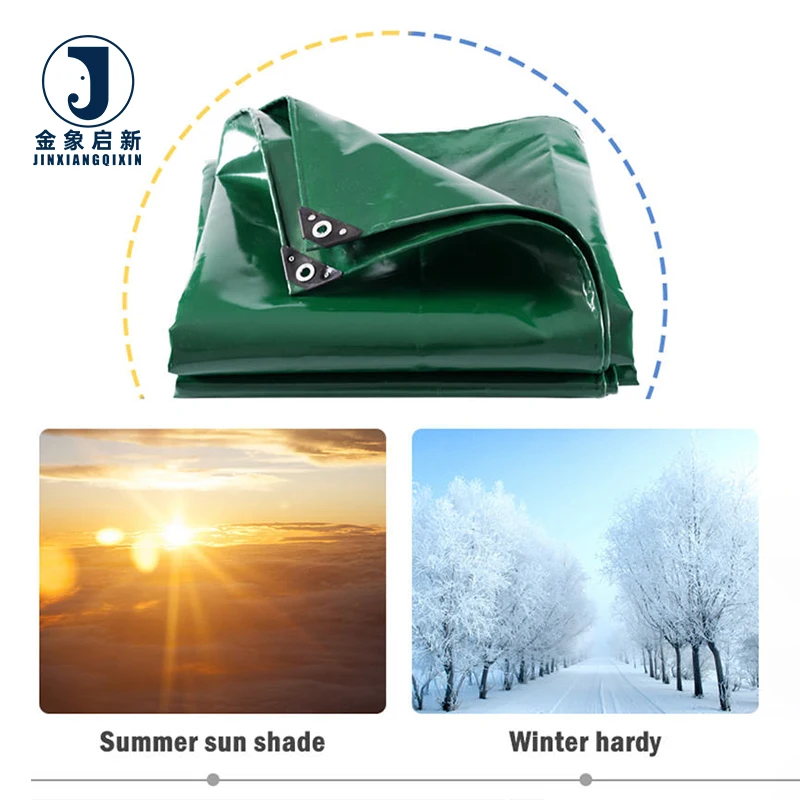
Description
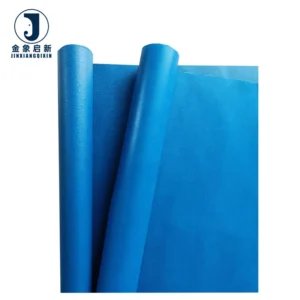
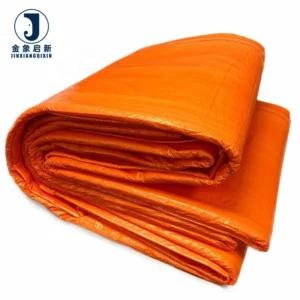
Roll-Ready Inventory — Three dedicated production lines maintain batch-level consistency on coating weight and color across every PVC coated tarpaulin roll shipped from our facility.
Technical Specifications
| Parameter | Value |
|---|---|
| Product Type | PVC Coated Tarpaulin Roll |
| Coating Material | PVC |
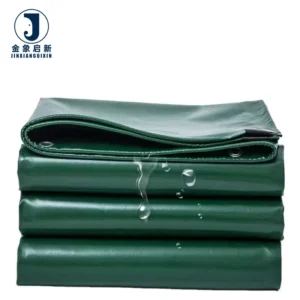
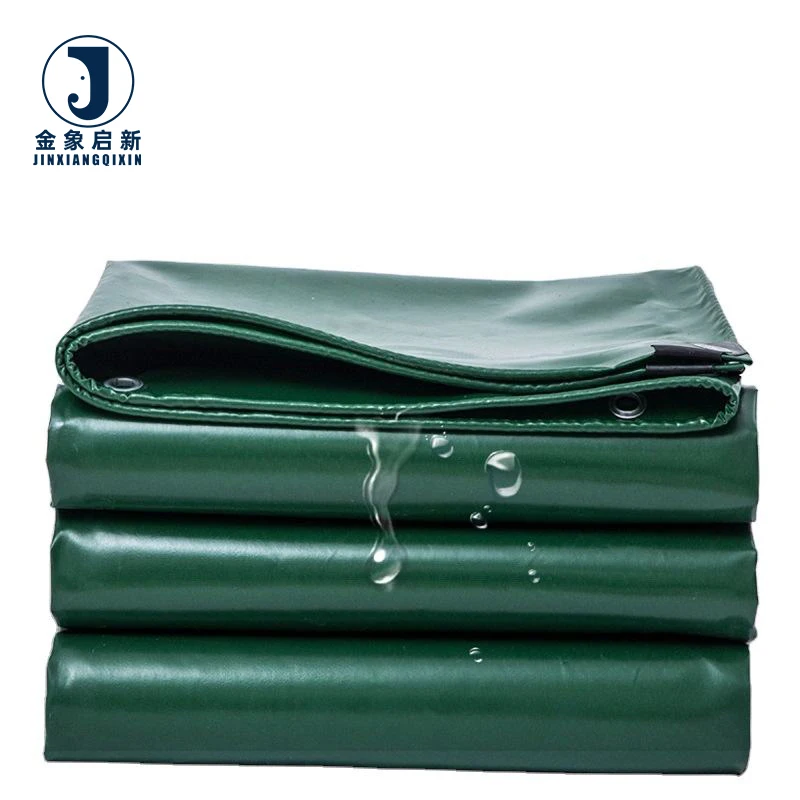
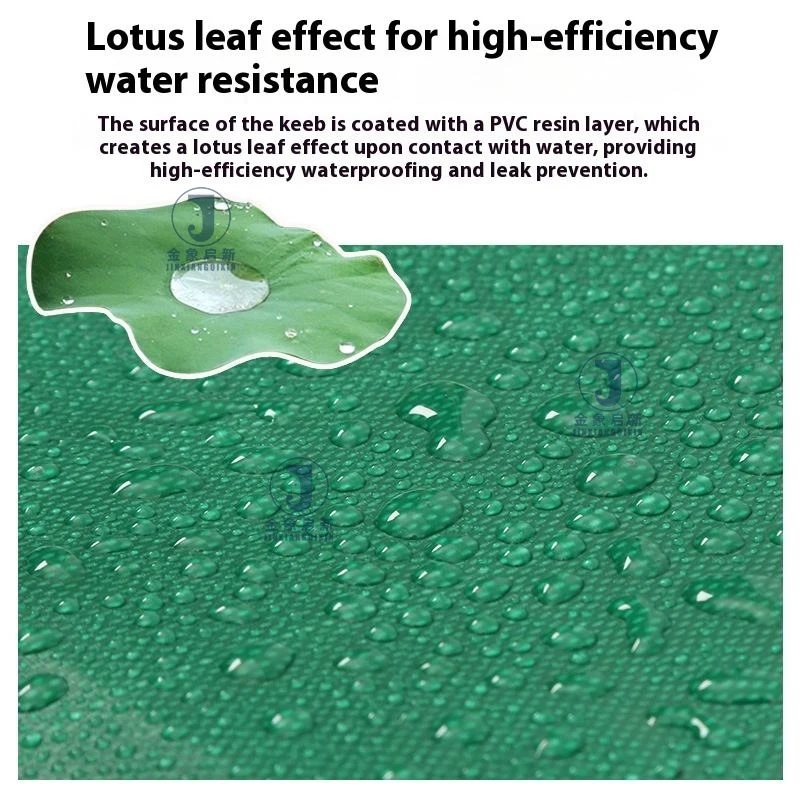
| Water Resistance | Fully waterproof coated construction |
| UV Protection | Anti-UV treated (test basis available on request) |
| Flame Retardant | Available in flame retardant grades — confirm the grade required for your market |
| Surface Finish | Double-faced |
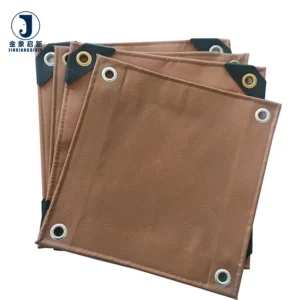
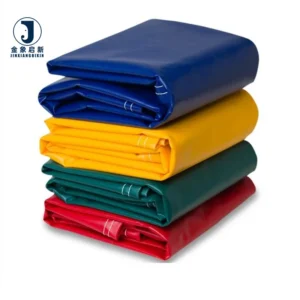
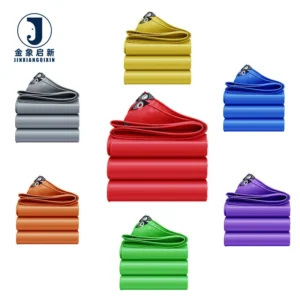
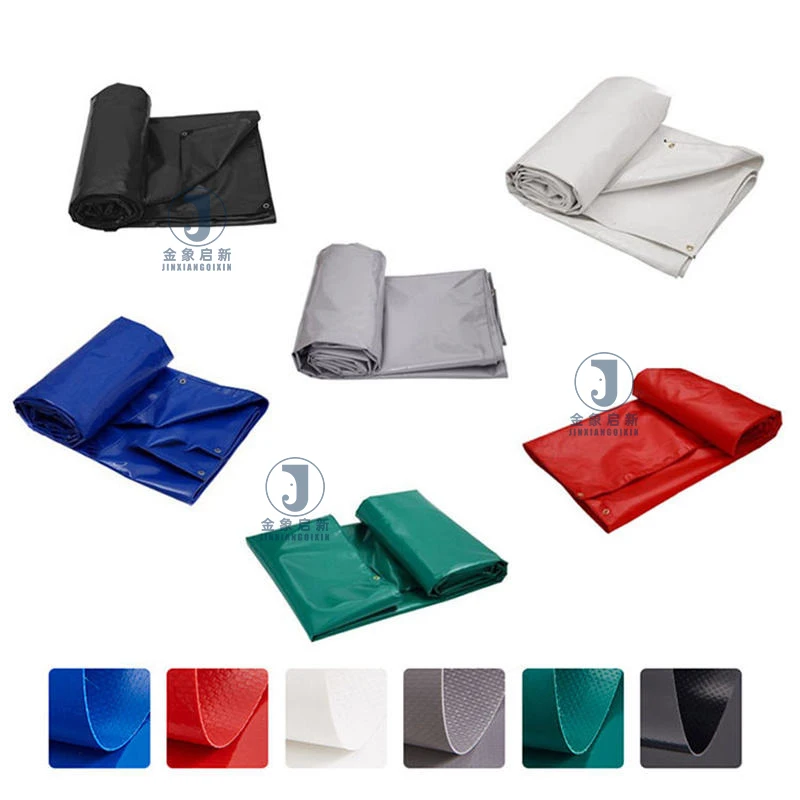
| Color Options | Multiple colors available |
| Form | Roll / Sheet |
Application Suitability
| Application | Exposure & Requirement |
|---|---|
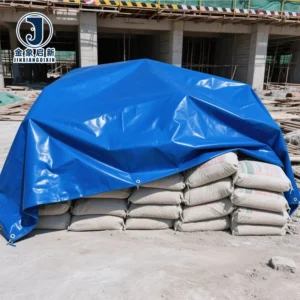
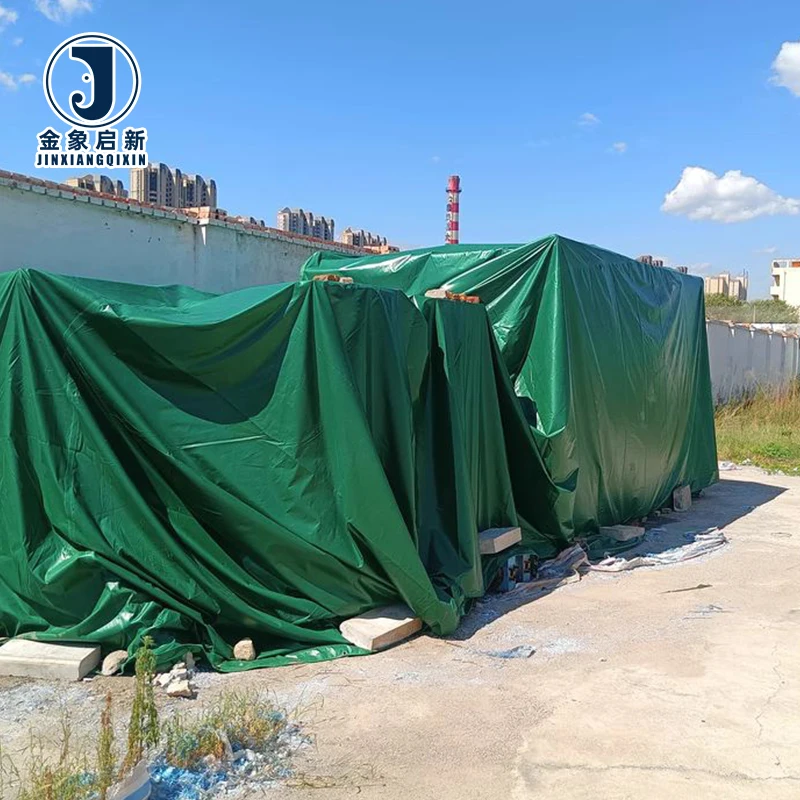
| Flatbed trailer load covering | Constant road vibration, wind uplift, UV exposure, tie-down abrasion at edges |
| Lumber transport protection | Moisture ingress risk, heavy load flexing, forklift contact during loading |
| Heavy-duty truck cargo shielding | Long-haul weather exposure, repeated tarp deployment and folding |
| Freight weather protection for logistics yards | Outdoor storage, stacking compression, seasonal temperature swings |
Why Batch Consistency Matters More Than Quoted GSM for Roll Buyers
A roll that matches the quotation on paper but shifts in weight or shade across the container creates downstream failures that no certificate can fix.
When sourcing PVC coated tarpaulin roll wholesale, buyers often anchor decisions on the stated GSM. Yet the real risk lies in variation between rolls within the same shipment — a lighter roll installed on one trailer flexes differently, a shade difference between adjacent rolls becomes visible once the fleet is parked in line. These are not cosmetic complaints; they trigger rejection at the fleet level and return freight across borders [NEED_CITE: batch consistency standards for coated fabric in transport applications]. I have seen distributors lose an entire container order because three rolls in a twenty-roll shipment measured below tolerance on coating adhesion, even though the base fabric GSM was within spec.
How Roll-to-Roll Uniformity Is Held Across a Production Run
Coating weight on a PVC coated tarpaulin roll is governed by knife gap, paste viscosity, and line speed — all three must remain stable from the first meter to the last. On our lines, each roll is sampled at head, middle, and tail positions during coating, with GSM recorded against the batch ticket. Rolls that drift outside tolerance are segregated before they reach the packing station, so the PVC coated tarpaulin roll bulk order you receive carries one consistent specification throughout.
Color Matching Across Multiple Rolls in a Single Container
Pigment dispersion in PVC paste is sensitive to mixing time and temperature. A batch mixed Monday morning can read slightly different from one mixed Thursday afternoon if the paste kitchen does not control these variables. Our approach is to compound the full color volume for a single order in one mixing cycle, then feed all rolls in that order from the same vat. This holds the ΔE shift within limits that are invisible when rolls are unrolled side by side on the warehouse floor [NEED_CITE: color tolerance measurement methods for PVC coated textiles].
What Double-Faced Construction Means for Yield and Cutting Layouts
A double-faced PVC coated tarpaulin roll presents the same coating thickness and surface character on both sides. For fabricators cutting flatbed covers or side curtains, this eliminates the need to track a "top" and "bottom" during lay-up — every ply in the cutting stack performs identically. The practical result is fewer handling steps on the cutting table and no risk of installing a panel face-down where the reverse side has lower UV loading or a different gloss level.
Reading the Specification Sheet Beyond the GSM Number
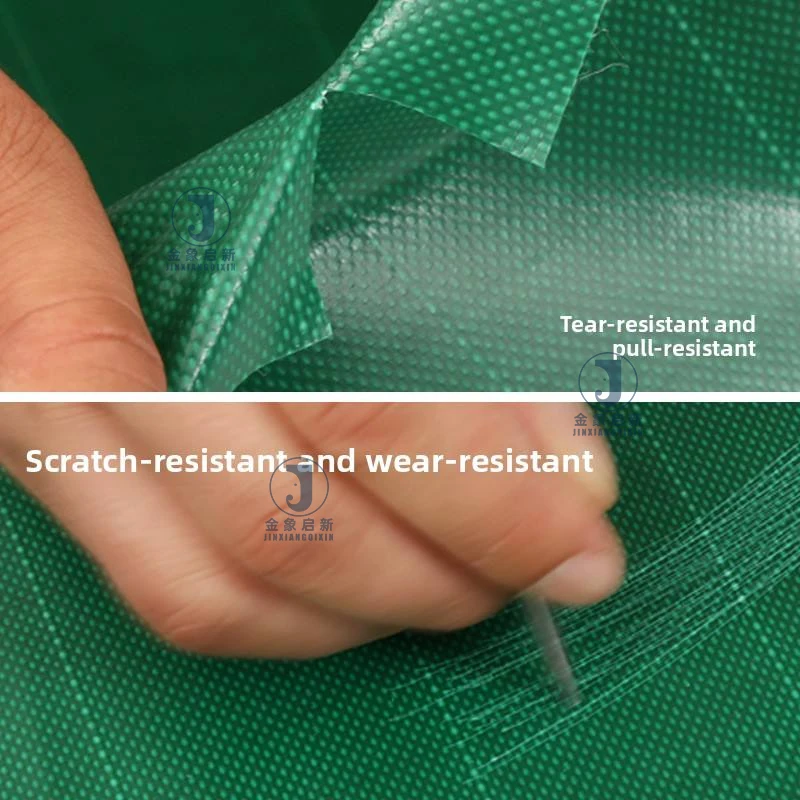
GSM tells you the total mass per square meter, but it does not separate base fabric weight from coating weight. Two rolls can share the same GSM yet behave very differently: one may carry a heavier base yarn with a thinner coat, offering higher tensile strength but reduced weld integrity; the other may have a lighter scrim buried under a thick PVC layer, giving good waterproofing but lower tear propagation resistance. For flatbed and lumber transport, where the tarp is repeatedly dragged across rough cargo edges, both the denier of the base yarn and the coating adhesion matter equally [NEED_CITE: tensile and tear test methods for coated fabrics per ISO 1421]. When reviewing a material specification sheet, check that it lists base fabric denier, weave count, and coating weight as separate line items rather than a single GSM figure.
The Hidden Cost of Specifying on Price Per Roll Alone
A lower-priced roll often recoups its margin through material that is thinner than quoted, forcing the fabricator to double-layer high-stress zones or face early warranty claims. Coating adhesion that falls below acceptable levels causes the PVC skin to delaminate at the hem fold — the exact point where tie-down straps concentrate load. I have watched a fleet operator replace an entire set of side curtains within one season because the coating peeled at every welded seam, a failure mode that traces back to paste formulation rather than fabric weight [NEED_CITE: common failure modes in PVC coated tarpaulin at welded seams]. When roll stock is bought purely on unit price, these costs surface later as rework labor, replacement freight, and lost fleet availability.
Why Wholesale Buyers Source This Roll Stock Here
Our three full production lines allow us to hold stock widths and schedule custom-width runs without delaying standard orders — a PVC coated tarpaulin roll bulk buyer can mix stocked and made-to-order items in one container. The ten-person R&D team develops color and treatment samples within days, letting you confirm shade and hand-feel before committing to a full production run. Every roll passes through a staged QA/QC protocol with 100% pre-shipment inspection, so the packing list you receive reflects verified roll count, net weight, and GSM per roll rather than nominal batch averages.
Documentation & Verification
- Material specification sheet listing base fabric denier, coating weight, and treatment per roll grade
- Pre-shipment inspection record confirming GSM and coating adhesion per individual roll
- Batch color reference card matched to the production vat for that order
- Roll packing list showing roll count, net weight, and container loading sequence
- Test report for UV-treated and flame-retardant grades where applicable
- Certificate of origin and customs documentation for cross-border shipment
Fabrication, Handling & Storage
- Heat-weld temperature and dwell time should be matched to the double-faced PVC coating thickness for consistent seam peel strength.
- Store rolls upright on pallets to prevent flat-spot deformation that shows as a permanent crease when unrolled.
- When cutting from roll stock, allow the material to relax for several hours after unrolling to release winding tension before hemming.
- Avoid dragging the PVC surface across unprotected concrete during lay-up to prevent coating scuff that compromises water resistance.
- Use PVC-compatible solvent cleaners only; hydrocarbon-based solvents can soften the plasticizer and reduce coating adhesion over time.
What We Need to Quote Your Roll Stock Order Accurately
Send us the roll width and length your cutting line is set up for, the annual volume you expect to draw down, and the color references you need across your fleet or distribution catalog. If your market requires a specific flame-retardant classification, include the standard and grade so we can match the formulation and supply the corresponding test documentation. Let us know whether you need rolls shipped bare for your own labeling or wrapped with custom branding for direct resale.
Frequently Asked Questions
Q: How is GSM verified on arrival and what does the pre-shipment inspection cover?
A: Each roll in your order is weighed and measured during our pre-shipment inspection, and the actual GSM is recorded on the inspection report that ships with the container. On arrival you can cross-check any roll against this record using a calibrated scale and a known-area sample cut. If a discrepancy is found, the report provides the traceability data needed to identify the production batch.
Q: How do you control color consistency across multiple rolls in one bulk order?
A: We compound the full PVC paste volume for your order in a single mixing cycle and feed all rolls from that batch. Head, middle, and tail samples from each roll are compared against the master color card before packing, and any roll outside the agreed tolerance is held back.
Q: What roll widths and lengths are stocked versus made-to-order?
A: Standard widths used in flatbed and transport applications are held in stock for immediate dispatch. Custom widths or non-standard roll lengths are produced to order, with lead time depending on current line scheduling and whether the color is a stock shade or a custom compound.
Q: How is roll stock packed for container loading to prevent transit damage?
A: Rolls are wound on reinforced cores, wrapped in protective film, and loaded upright or horizontally according to the container plan that maximizes cube utilization while preventing crushing. The packing list details roll position so you can unload in the sequence your warehouse requires.
Q: What is the MOQ for custom color or custom width roll orders?
A: Custom colors require a minimum paste batch volume to ensure proper pigment dispersion, and custom widths depend on the coating line setup. Share your target color and width and we will confirm the minimum quantity along with sample availability before you commit to the full order.