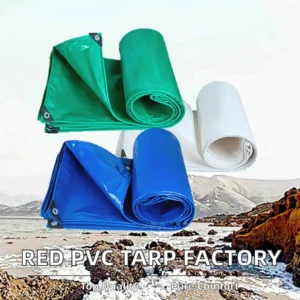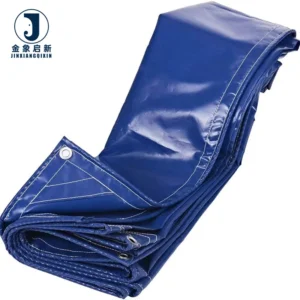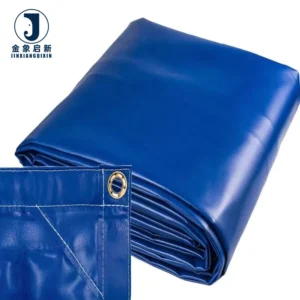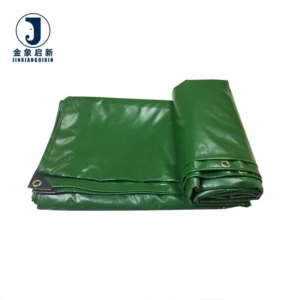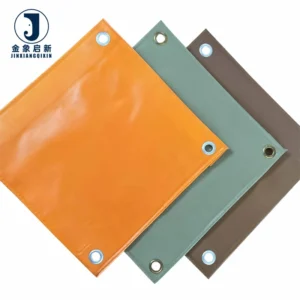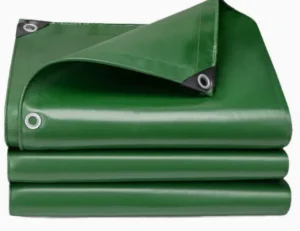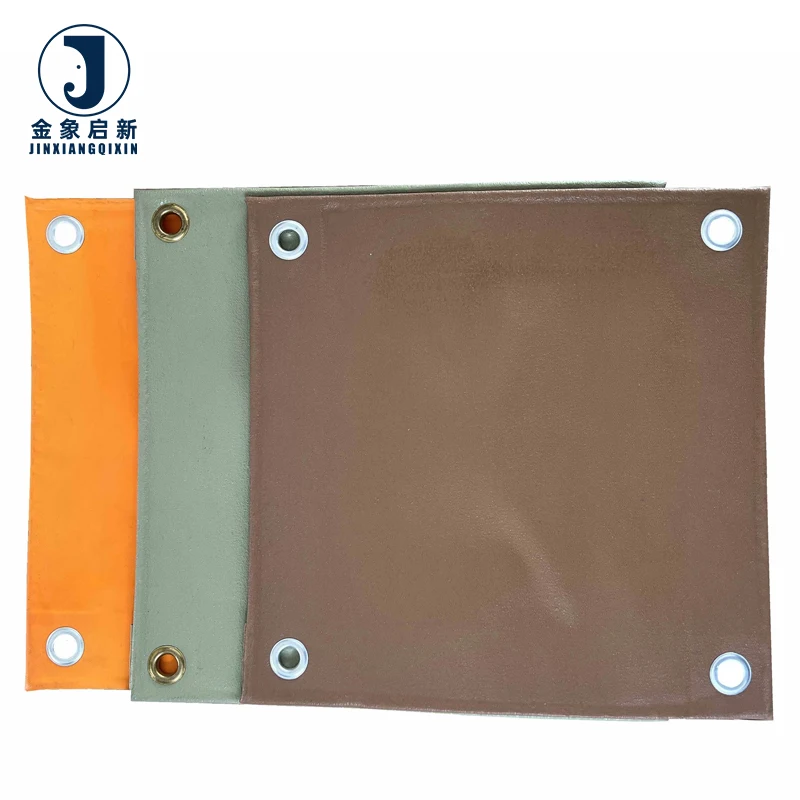
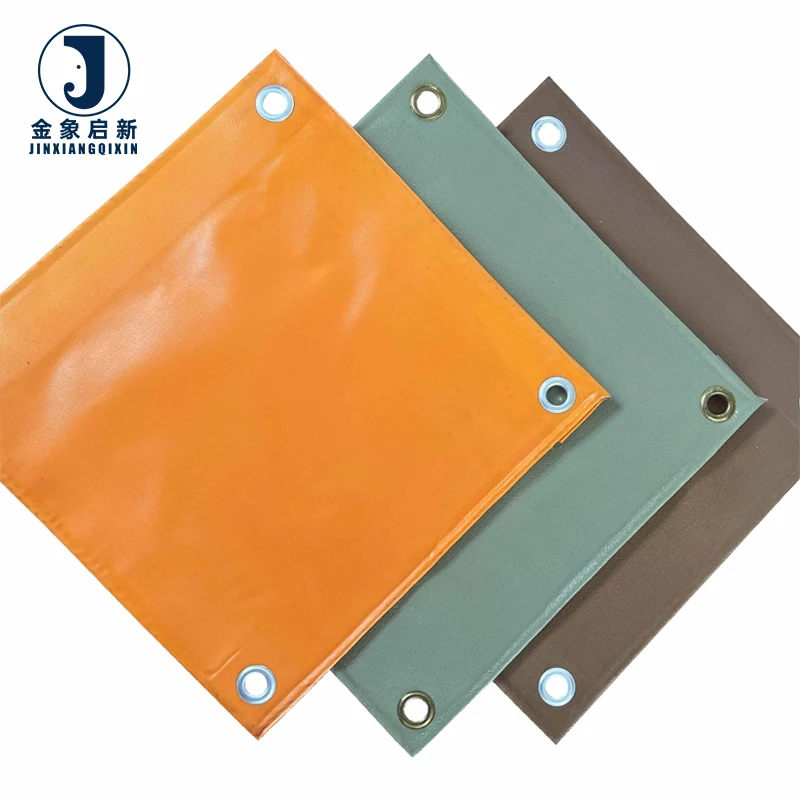
Description
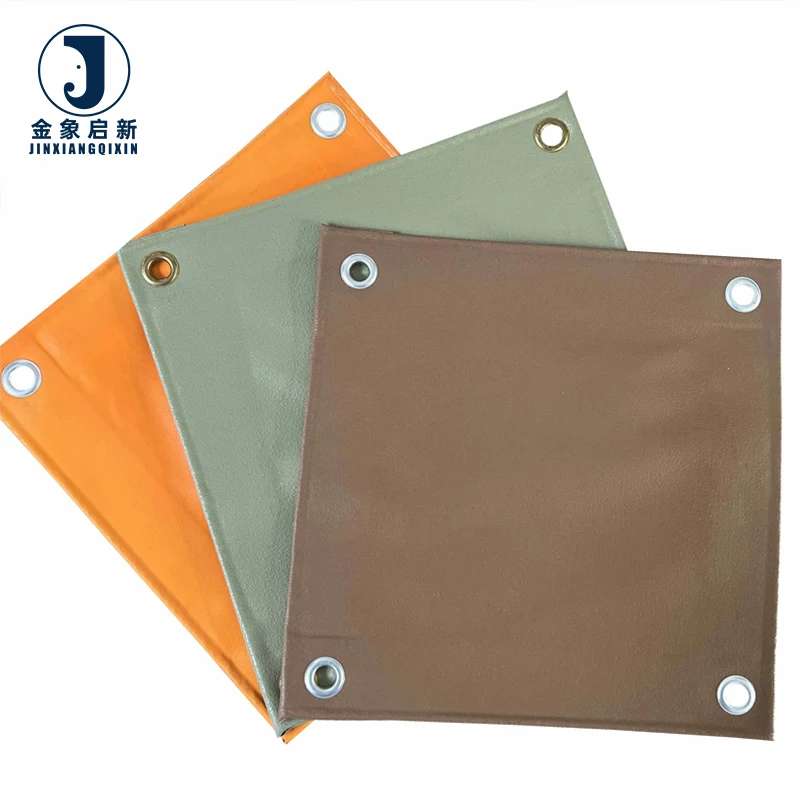
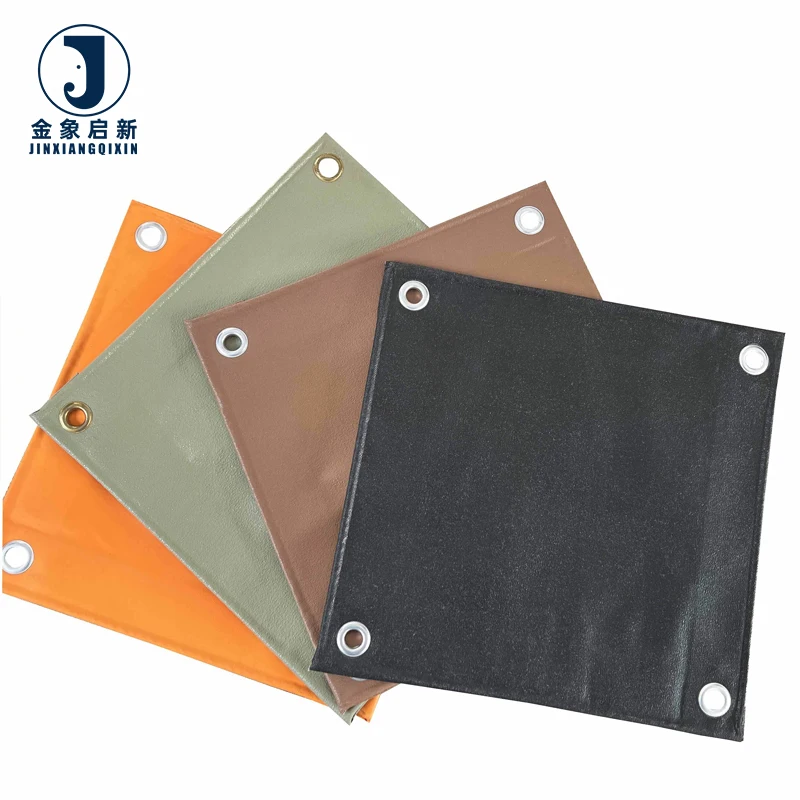
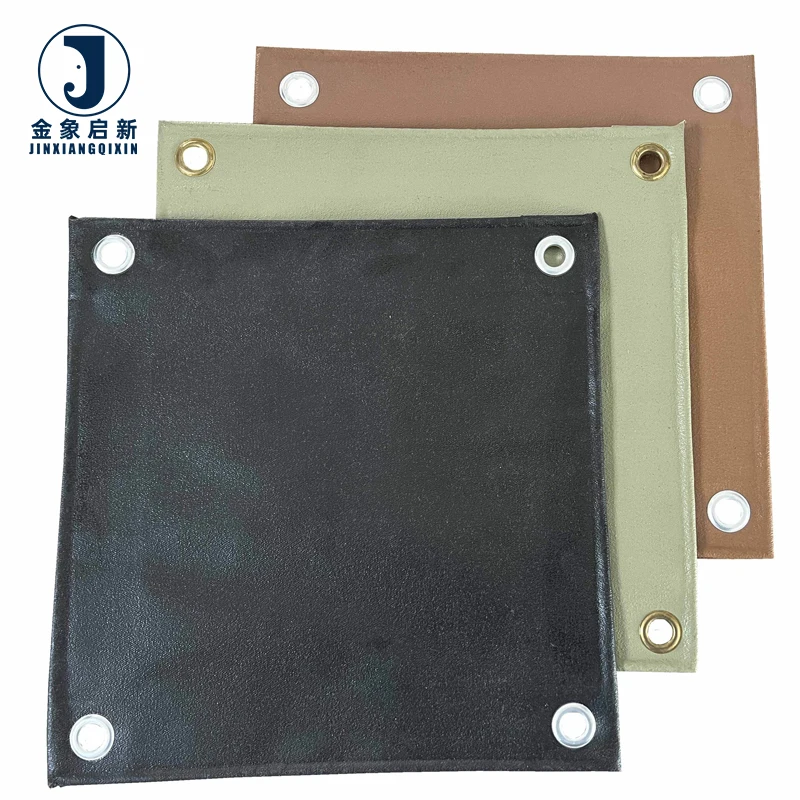
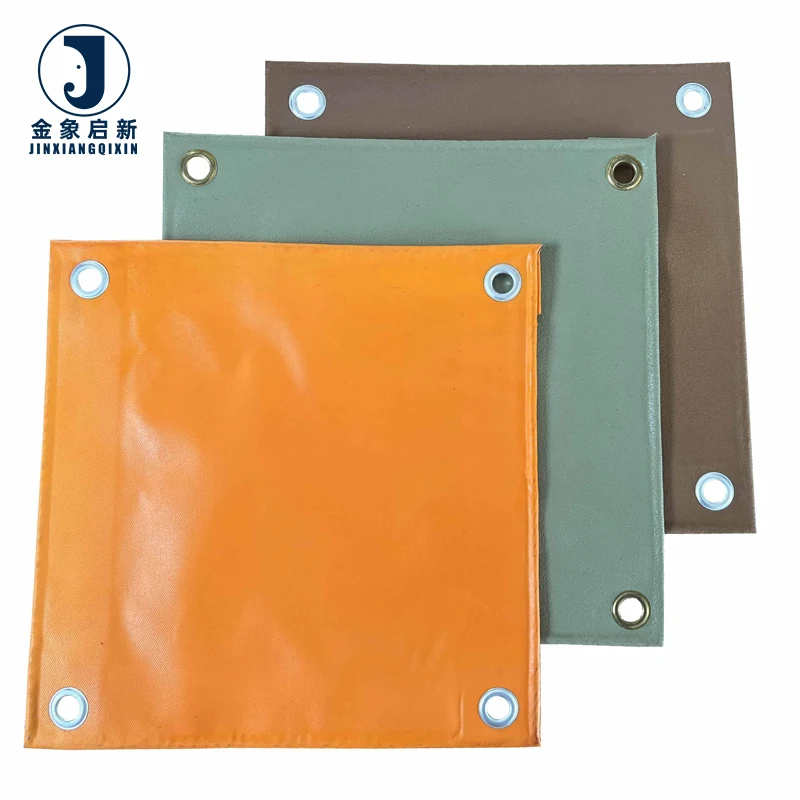
Batch-Verified Roll Stock — every roll of PVC coated tarpaulin is weighed and colour-checked at the coating line before release, ensuring the GSM and shade you ordered match what arrives in your container.
Technical Specifications
| Parameter | Value |
|---|---|
| Product Type | PVC Coated Fabric |
| Coating Material | PVC |
| Base Fabric | High strength polyester |
| Waterproof | Yes |
| Flame Retardant | Available in flame retardant grades — confirm the grade required for your market |
| Anti-Static | Available in anti-static grades — confirm the standard required for your market |
| Anti-Mildew | Yes |
| Anti-Cold Treatment | Available |
| Outdoor Weather Resistance | 1–3 years (source value — verify against manufacturer catalog) |
| Customization | Custom width, length, and sizing available |
| Standards | ISO, CE (company-level certification) |
Application Suitability
| Application | Exposure & Requirement |
|---|---|
| Tarpaulin distributor warehousing | High-volume roll intake with consistent colour and GSM across shipments for regional resale |
| Tent, awning and inflatable manufacturing | Roll-to-roll shade matching for cut panels that join visibly on assembled structures |
| Transport fleet side curtain fabrication | Repeated flexing, road spray, and abrasion at tie-down contact points |
| Truck and trailer cover production | Full load coverage with weather-tight integrity and weld seam durability |
| Pond and reservoir liner projects | Continuous water immersion, soil chemistry contact, and puncture resistance during installation |
Why Roll-to-Roll Colour Drift Costs More Than You Think
Colour shift between rolls in a single order is the leading cause of installed tarpaulin rejection, not fabric strength failure.
When two panels cut from different rolls hang side by side on a truck curtain or a tent wall, even a slight hue variation becomes immediately visible to the end user. The complaint is rarely about performance — it is about appearance. Distributors who stock PVC coated tarpaulin roll for resale absorb the cost of returns and replacements when batch consistency is not controlled at the coating stage [NEED_CITE: colour measurement standards for coated textile batches]. Fleet operators specifying side curtain fabric in volume often discover the mismatch only after installation, when the financial exposure is at its maximum. This product line addresses that risk through controlled pigment dosing and colour verification at every production stage.
Batch Consistency Across a Full Container Load
When you order PVC coated tarpaulin roll stock in container quantities, every roll must match in shade, surface texture, and weight. The coating line controls pigment dispersion and PVC paste viscosity to maintain uniform colour and GSM from the first roll to the last in a production run. Pre-shipment inspection checks each roll against the order specification before it leaves the factory floor, so the stock you receive is ready for resale or fabrication without sorting.
How Wholesale Grading Works for Volume Buyers
Roll stock grades are structured around weight ranges and treatment combinations that align with common market demand. Stock grades in standard widths are held for dispatch, while custom widths or colours move to a scheduled production run. Bulk pricing tiers follow roll quantity, and container loading is planned by roll count and total weight to maximise space utilisation without crushing the bottom layers [NEED_CITE: coated fabric roll packing and transport guidelines].
Reading the Specification Sheet Before You Commit
The material specification sheet states GSM, base fabric type, and coating composition for each roll grade. Coating weight and base fabric denier together determine how the material behaves under tension and at the weld line — a heavier coating on a low-denier base may crack where a balanced construction would flex. Flame retardant and anti-static treatments are available in specific grades, each backed by a test report when requested. Surface finish options include glossy and matte, which affect dirt retention, print adhesion, and visual appearance on installed panels. Custom widths reduce offcut waste for high-volume fabricators but introduce minimum order thresholds that differ from stock-width roll runs [NEED_CITE: ISO 1421 tensile and tear test methods for coated fabrics].
The Hidden Cost of Skipping the Pre-Shipment Check
Orders that bypass documented pre-shipment inspection often surface problems at the worst possible moment — when rolls are already cut and installed. A batch with inconsistent GSM may pass visual inspection yet underperform at the weld, where heat penetration depends on uniform coating thickness. Rolls with unverified flame retardant treatment may fail a site compliance check, halting a construction project until replacement fabric arrives. Colour variation between rolls within the same shipment forces fabricators to sort and re-cut, adding labour cost and material waste that was entirely avoidable at the dispatch stage.
Why Buyers Source Roll Stock Here
Three full production lines and dedicated coating equipment support consistent roll output across standard and custom grades. A dedicated R&D team develops samples within days for custom width, colour, or print requirements, allowing buyers to verify material before committing to bulk. Every roll passes inspection before shipment with a documented QA record, so you receive a verification trail — not just a packing note. Material specification sheets accompany each order, stating GSM, base fabric, and coating details per roll grade. Container loading plans detail roll count, weight distribution, and protective packing to prevent transit damage on long ocean shipments.
Documentation & Verification
- Material specification sheet stating GSM, base fabric, and coating composition per roll grade
- Pre-shipment inspection record confirming weight and colour against the purchase order
- Flame retardant and anti-UV test report matched to the specific grade ordered
- Roll packing list detailing roll count, individual weight, and container loading plan
- Certificate of origin and customs documentation for cross-border shipment
Fabrication, Handling & Storage
- Heat welding parameters vary by PVC coating thickness — test weld settings on each roll grade before production runs
- Store rolls upright on cores to prevent flat spots that cause permanent creasing in high-GSM grades
- Unroll cold-weather shipments and allow fabric to reach ambient temperature before cutting to avoid cracking in anti-cold treated grades
- Matte surface rolls require compatible ink formulations for printed branding — verify adhesion with a test strip
- Plan cut layouts around roll width to minimise welded seams at high-stress panels
What to Include in Your Enquiry
Specify the stock grades and widths your market demands, along with estimated annual roll volume. Note any treatment requirements — flame retardant grade, anti-static standard, or anti-mildew formulation — so the correct product variant is quoted. Confirm whether you need standard roll lengths or custom lengths to suit your cutting tables, and indicate if colour matching to a reference sample is required.
Frequently Asked Questions
Q: How is GSM verified on each roll before shipment?
A: Every roll is weighed on calibrated scales at the end of the production line. The measured weight is recorded against the roll number and compared to the specification sheet value. Rolls that fall outside the tolerance band are flagged and held. A pre-shipment inspection record listing each roll’s verified GSM accompanies the shipment documentation.
Q: What stock widths are available for immediate dispatch?
A: Standard stock widths cover common tarpaulin and fabrication requirements. Custom widths are produced on scheduled runs with minimums based on coating line setup. Buyers ordering custom widths should confirm roll length requirements and provide a target dispatch date so the production slot can be allocated.
Q: Can I receive a test report for flame retardant treatment before placing a bulk order?
A: Test reports are available for each flame retardant grade offered. Request the report during the sample stage so you can verify the grade matches your market’s compliance requirements. Reports cite the test standard used and the classification achieved.
Q: How do you ensure colour consistency across multiple rolls in one order?
A: Pigment dosing is controlled at the mixing stage and verified at the coating line. All rolls within a single order are produced from the same batch of coated material wherever possible. Pre-shipment inspection includes a visual colour check comparing rolls side by side under standard lighting conditions.
Q: How is container loading planned for roll stock orders?
A: Loading plans are calculated by roll diameter, weight, and total count to maximise container space while preventing compression damage to lower layers. Rolls are packed vertically on cores with protective wrapping. A detailed packing list states roll count, gross weight, and cubic volume per container.