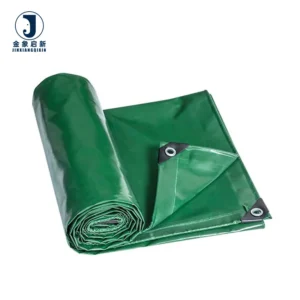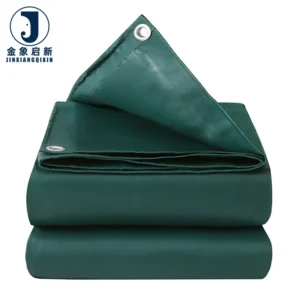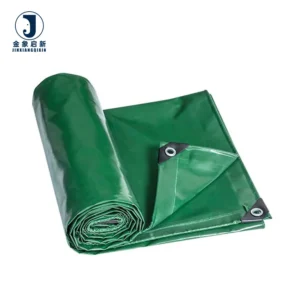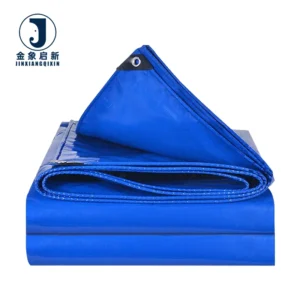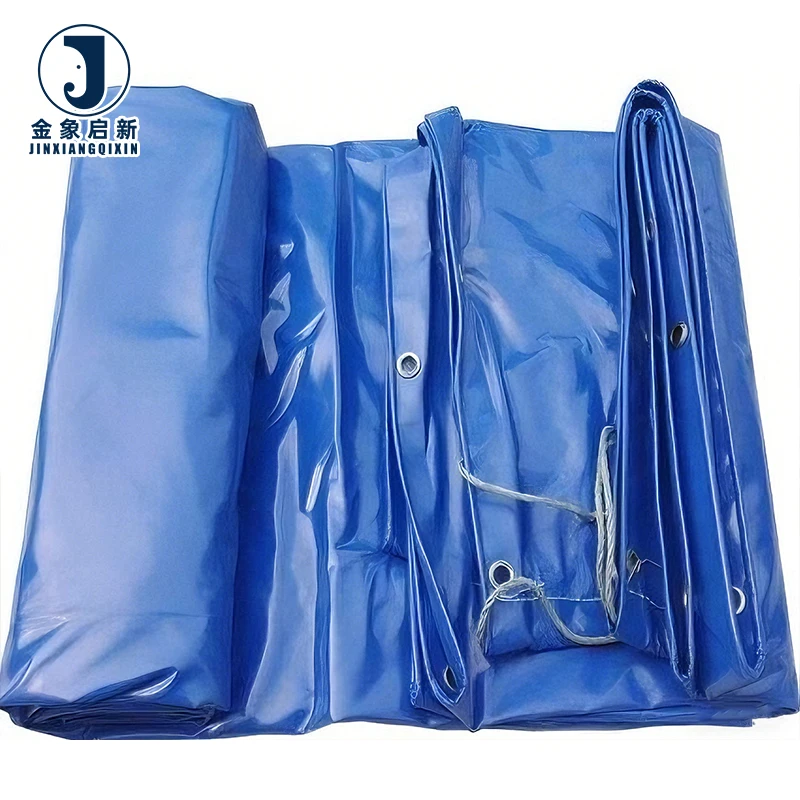
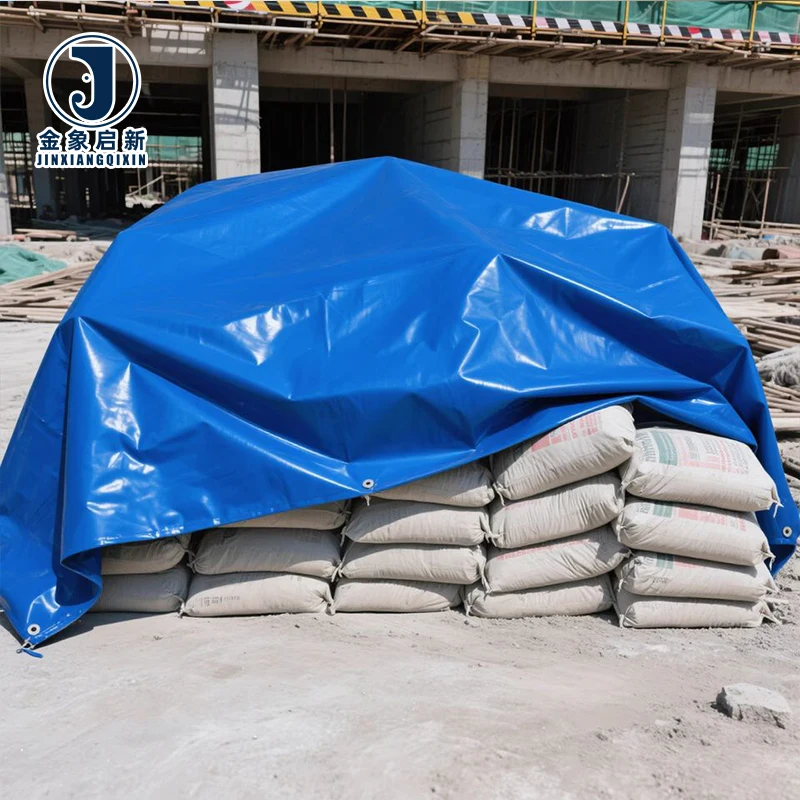
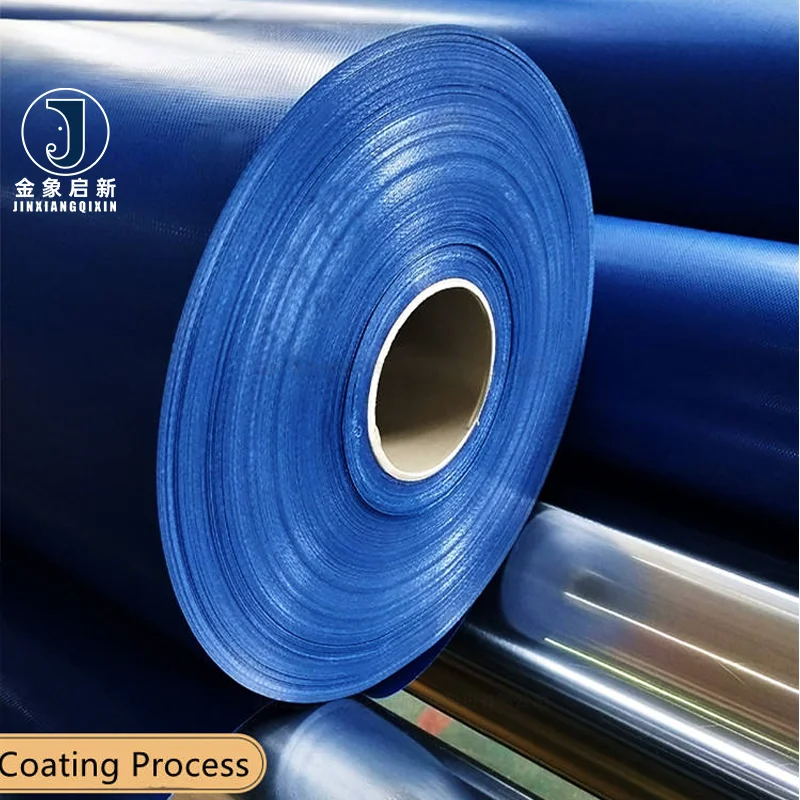
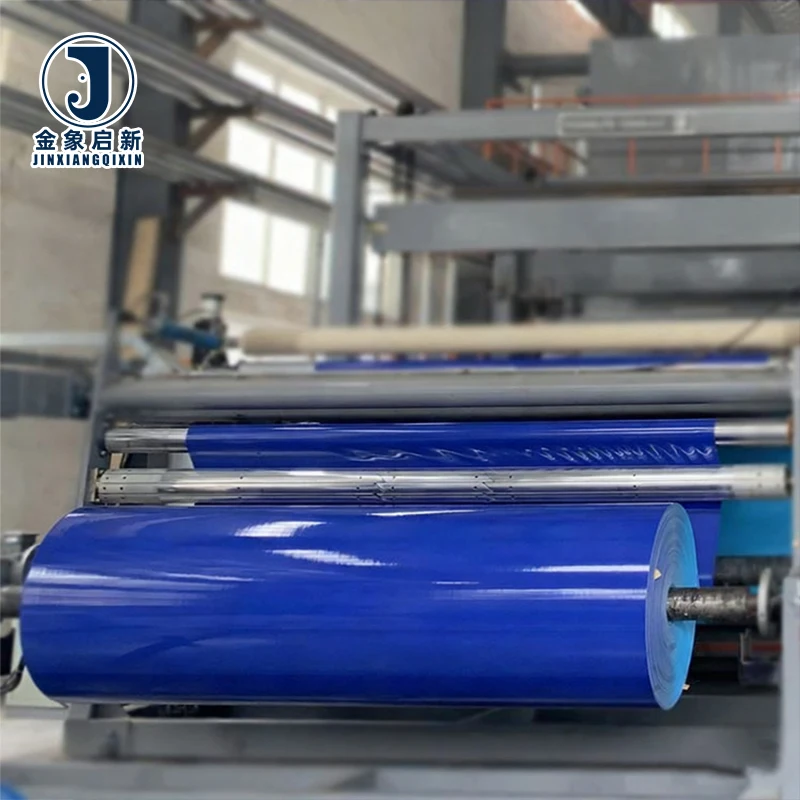
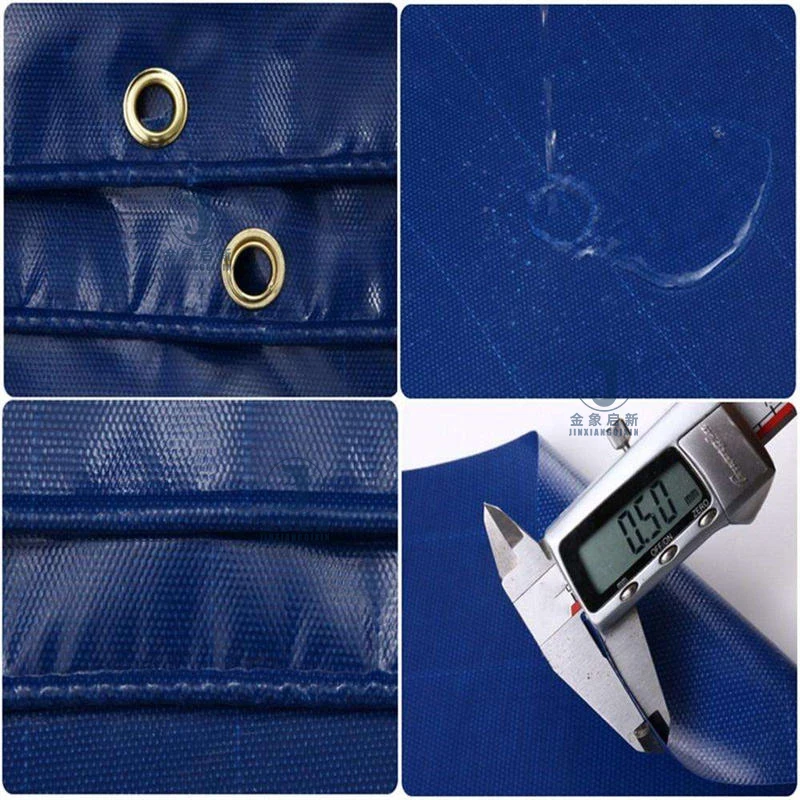
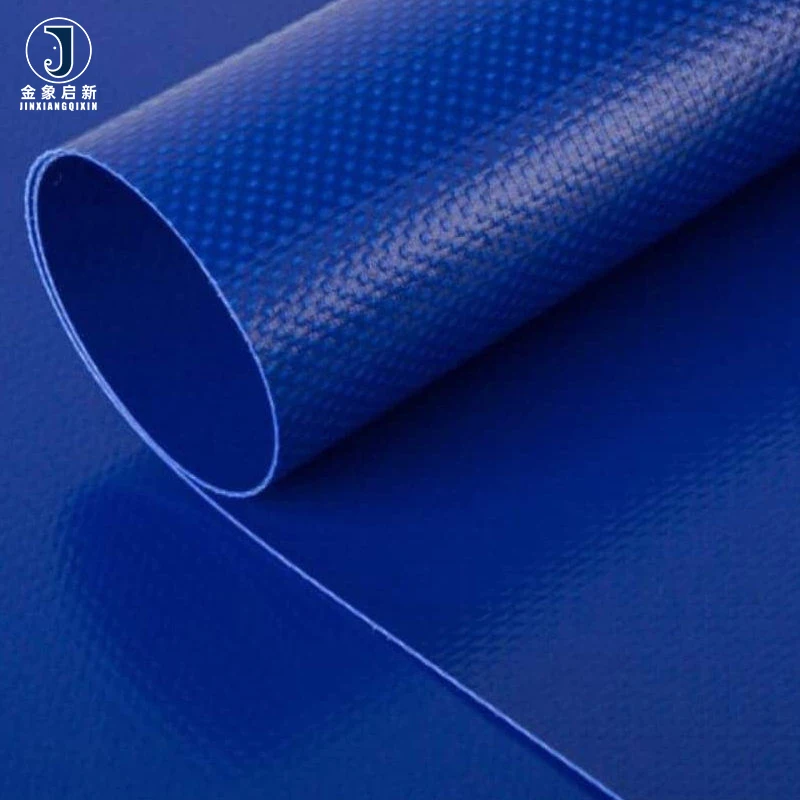
Description
Process-Controlled Output — Every roll of PVC coated tarpaulin produced on our three dedicated lines is weighed and inspected against the quotation specification before it leaves the factory, not just at the sample stage.
Technical Specifications
| Parameter | Value |
|---|---|
| Product Type | PVC Coated Fabric |
| Weight Range | 250gsm-1500gsm (confirm the grade for this item) |
| Base Fabric Denier | 200DX300D / 500DX500D / 840DX840D / 1000DX1000D |
| Surface Finish | Glossy or matte |
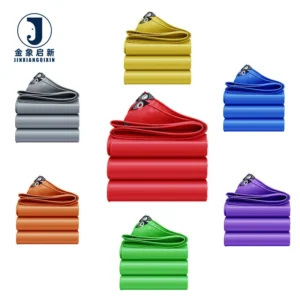
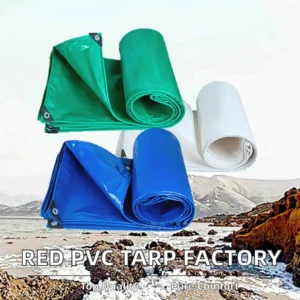
| Color Options | Blue, yellow, black, green, white, etc. |
| Temperature Range | -15°C to 70°C |
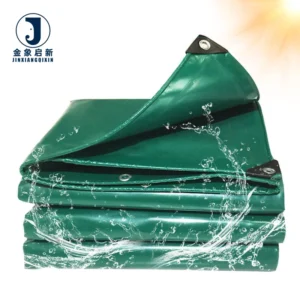
| Waterproof | Yes |
| Anti-Fungal Treatment | Yes |
| UV Treatment | Customized |
| Flame Retardant Grade | Available in flame retardant grades — confirm the grade required for your market |
| Working Life | Suited to extended outdoor exposure |
| OEM/ODM | Accepted |
Application Suitability
| Application | Exposure & Requirement |
|---|---|
| Tarpaulin Distributors & Importers | Full container loads requiring roll-to-roll colour consistency, verified GSM per roll, and complete customs documentation |
| Fabricators & Welding Shops | Roll stock cut and welded into finished covers — demands reliable heat-seal behaviour and consistent coating weight across the roll |
| Tent, Awning & Inflatable Manufacturers | Fabric purchased by the roll for pattern cutting and seam welding — requires uniform base fabric weave and predictable tensile properties |
| Fleet Operators & Transport Builders | Side curtain and truck cover fabric in bulk — constant flexing at load-bearing points, road debris abrasion, and weather exposure |
Why Quoted GSM Seldom Matches What Arrives on the Roll
Every roll of PVC Coated Tarpaulin roll / wholesale stock we ship carries a material specification sheet stating the exact GSM measured at production, not the rounded figure on the proforma invoice.
Buyers who have sourced coated fabric before know the pattern: the quotation lists a weight that looks right for the price, but the material that arrives on the dock feels lighter and tests lighter when you cut a sample and weigh it. The shortfall comes from production shortcuts — thinner coating on one side, a lighter base fabric substituted mid-run, or tension settings that stretch the weave and reduce density without the buyer noticing. [NEED_CITE: GSM verification methods for coated fabrics in transit]
We address this by recording actual measured GSM at each production stage and including that record with your shipment. You verify on arrival against a known figure, not a promised one.
Roll-to-Roll Colour Control Across a Single Shipment
Colour variation between rolls in the same container is one of the most visible defects once fabric is installed side by side. Our PVC Coated Tarpaulin roll / wholesale batches are produced with matched pigment batches and controlled coating temperature, so that rolls within a single order maintain the same colour reference throughout. If your downstream customers expect uniform appearance across a truck fleet or a row of tents, batch consistency is not optional — it is the specification.
Custom Width and Length Without Prohibitive Minimums
Standard roll widths serve some buyers but leave others paying for trim waste. We offer custom width and length runs on our PVC Coated Tarpaulin roll / wholesale stock, with OEM and ODM capability handled by our in-house team. This means a fabricator cutting truck side curtains can order a roll width that matches the curtain panel dimension, reducing off-cuts and labour at the welding bench.
What Denier and GSM Together Determine for Your End Use
GSM tells you total weight per square metre but nothing about how that weight is distributed between the base fabric and the coating. A 650 gsm roll built on a 500DX500D base with balanced coating will resist tearing differently than a 650 gsm roll built on a 200DX300D base loaded with heavier coating to hit the same weight figure. The base fabric denier determines how the material behaves when a puncture starts — higher denier yarns resist tear propagation across the weave. The coating weight determines surface abrasion resistance and waterproofing integrity. [NEED_CITE: relationship between base fabric denier and tear strength in coated textiles per ISO 1421] When you specify, request both the denier and the coating weight, not just the GSM. Our material specification sheet lists all three so you can make an informed comparison between grades.
The Cost of Overlooking Finish and Treatment Documentation
Glossy and matte finishes are not purely aesthetic choices. Glossy surfaces shed water and dirt more readily but can show scuff marks on high-contact applications. Matte surfaces offer better print adhesion and reduced glare but may hold surface contaminants longer. Similarly, UV and flame retardant treatments are only meaningful when backed by a test report that names the standard applied. Rolls shipped with a claimed treatment but no supporting certificate create risk at the point of inspection — a construction site safety officer or a port authority will ask for the test basis, and a verbal assurance does not satisfy that demand. [NEED_CITE: fire classification standards for coated fabric in building and transport applications]
Why Buyers Order Roll Stock Through This Channel
Three full production lines with 36 sets of professional equipment give us capacity to fill container-load orders on schedule without splitting your batch across subcontractors. Our 10-person R&D team handles sample development within days when you need to confirm colour, weight, or finish before committing to bulk. Dedicated QA and QC at every production stage — not just final inspection — means coating weight, colour, and dimensional accuracy are checked during the run, catching deviations before they compound. Nearly 30 years of focused production on coated fabric has given us process control that shows up in roll-to-roll consistency. Pre-shipment inspection with 100% coverage means every roll in your container has been individually verified before packing.
Documentation & Verification
- Material specification sheet per roll stating exact GSM, base fabric denier, and coating weight
- Colour reference card matched to the production batch for on-site comparison
- Test report for UV or flame retardant grades supplied when applicable to the order
- Pre-shipment inspection record documenting actual measured values for every roll
- Roll packing list with container loading details by roll count and total weight
- Certificate of origin and customs documentation for destination-country import clearance
Fabrication, Handling & Storage
- Heat-seal parameters should be tested on a sample cut from the roll before full production, as coating weight affects weld temperature
- Matte finish rolls offer improved print adhesion for branded tarpaulins — confirm ink compatibility with the PVC surface
- Store rolls upright on end-caps to prevent flat-spotting and permanent creasing of the coated surface
- Allow cold-stored rolls to reach ambient temperature before unrolling to avoid coating crack at low temperature
- Cut patterns should account for the full roll width to maximise material yield and minimise weld seams on finished covers
- Reinforced hems on finished products should distribute load across multiple yarns of the base fabric denier, not rely on coating adhesion alone
What We Need to Quote Accurately
Tell us the end-use application and the environmental exposure your customers will subject the fabric to — this determines which GSM grade, denier, and treatment combination to recommend. Specify your target roll width, container volume, and whether you need standard stock colours or a custom colour matched to a reference. If your market requires flame retardant or UV certification, state the standard your local authority or end customer demands so we can match it with the correct test report.
Frequently Asked Questions
Q: How is GSM verified on arrival and what documentation accompanies each roll?
A: Each roll ships with a material specification sheet stating the exact GSM, base fabric denier, and coating weight measured during production. Your receiving team can cut a sample, weigh it, and compare against this sheet. The pre-shipment inspection record included with your order documents measured values for every roll in the container, giving you traceability from production line to your warehouse.
Q: How is batch colour consistency controlled across rolls in a single order?
A: Rolls within one order are produced using matched pigment batches and controlled coating temperatures on the same production line. A colour reference card accompanies the shipment so you can visually verify consistency when rolls are placed side by side. If you are ordering for a fleet or installation where visible mismatch is unacceptable, request a sample approval step before full production.
Q: What roll widths are available and how is container loading optimised?
A: Standard and custom widths are available depending on the grade selected. Container loading is calculated by roll count, roll diameter, and total weight to maximise utilisation. The roll packing list provided with each shipment details how the container is loaded, so your logistics team can plan unloading and storage space in advance.
Q: What is the MOQ for custom colour or custom width roll orders?
A: Minimum order quantities depend on the specific colour, width, and GSM grade you require. Custom runs are handled through our R&D team, who develop a sample for your approval before bulk production begins. Contact us with your specification and required volume for a quotation that includes lead time and minimum.
Q: How are rolls packed for ocean freight to prevent transit damage?
A: Rolls are packed in cartons or bales depending on the grade and order configuration. End-caps protect the roll edges from impact, and packing is designed to prevent rolls from shifting or being crushed during transit. The packing method is confirmed at the quotation stage based on your handling and storage requirements at destination.