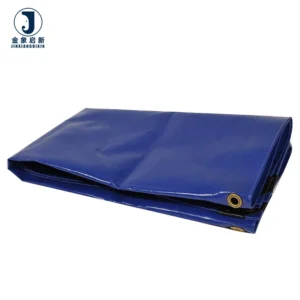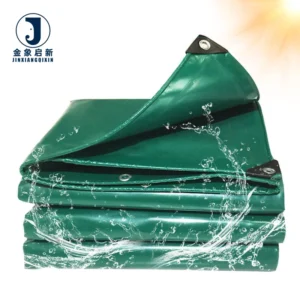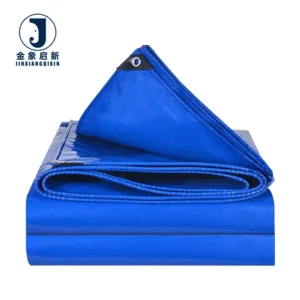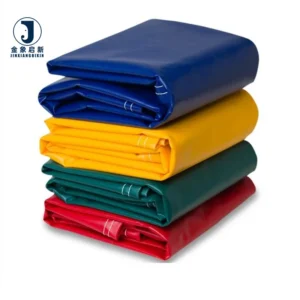
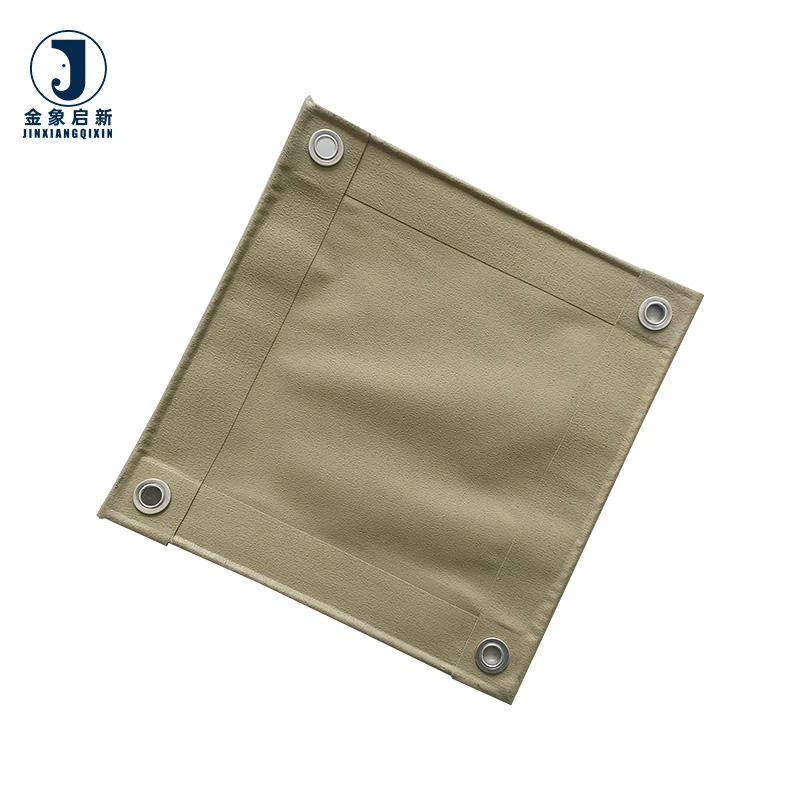
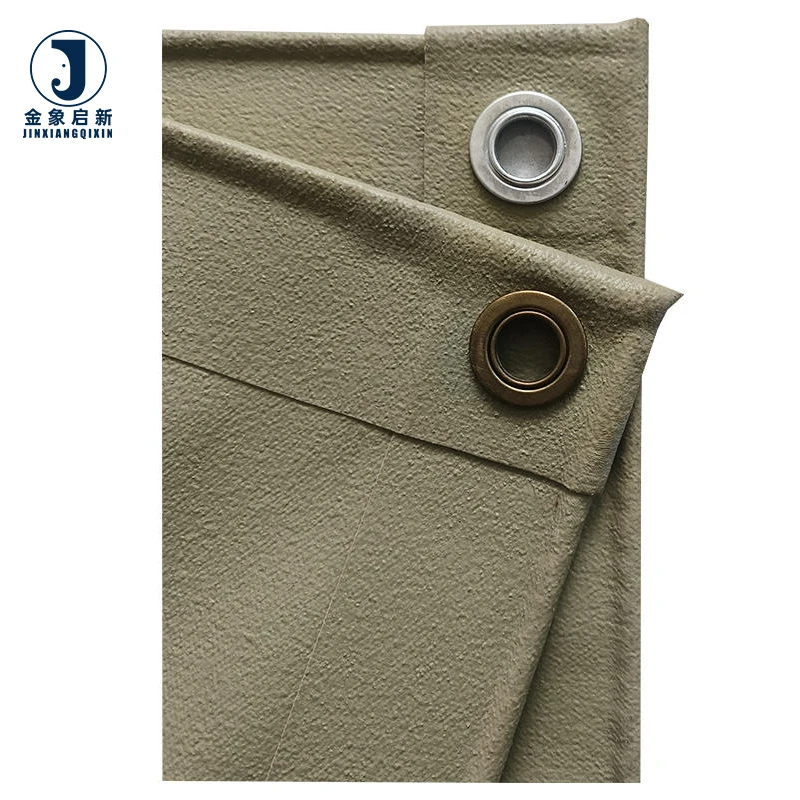
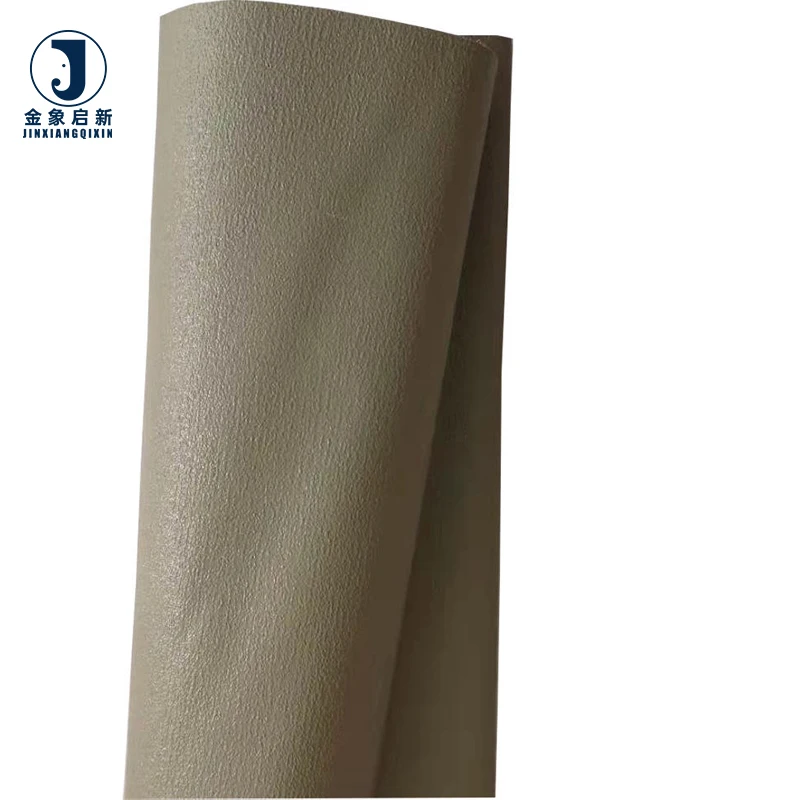
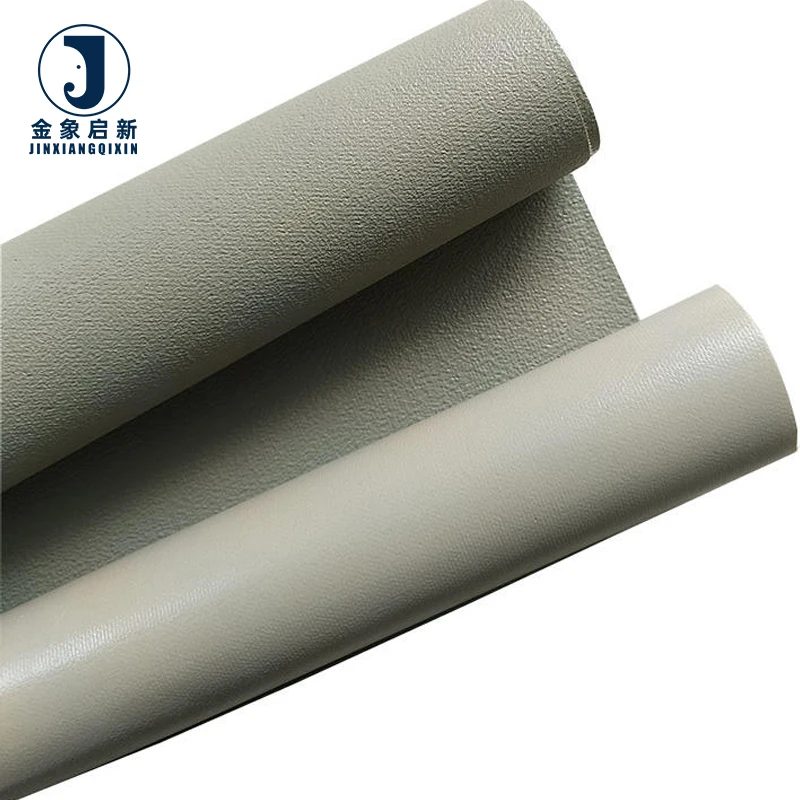
Description
Roll-Stock Consistency — Every roll leaves the line with verified GSM weight and batch-matched colour, so your warehouse inventory stays predictable from first container to last.
Technical Specifications
| Parameter | Value |
|---|---|
| Product Type | PVC Coated Tarpaulin Roll |
| Base Fabric Denier | 1000×1000 |
| Coating Method | Knife Coated |
| Coating Material | PVC |
| Weight | 450 GSM |
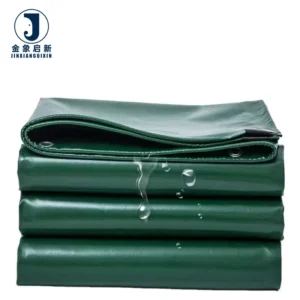
| Waterproof | Yes |
| Oilproof | Yes |
| Tear Resistance | Tear-resistant woven base (grade not stated in source) |
| Anti-UV Treatment | Anti-UV coated (test basis not stated in source) |
| Finish | Custom size available |
Application Suitability
| Application | Exposure & Requirement |
|---|---|
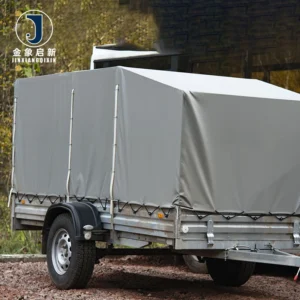
| Truck and trailer load covers | Road abrasion, wind flex, rain ingress, repeated tie-down tension |
| Outdoor tent and awning structures | Prolonged sun exposure, wind loading, seasonal temperature swings |
| Vehicle and equipment coverings | Dust, moisture, UV degradation, contact with oils and greases |
| Industrial weather protection | Continuous outdoor storage exposure, handling abrasion, puncture risk |
Why Roll-to-Roll GSM Consistency Matters More Than the Number on the Quotation
A stated 450 GSM only protects your operation if every roll in the shipment actually weighs 450 GSM.
Buyers who source PVC coated tarpaulin rolls in volume often discover, after the container is opened and the first roll hits the cutting table, that the material feels lighter than expected. The quotation says one thing; the scale says another. Over a full container load, even a small shortfall per roll compounds into metres of missing fabric and margins that evaporate before the first cover is fabricated [NEED_CITE: pre-shipment weight verification methods for coated fabric rolls]. Colour variation between rolls in the same batch creates visible mismatches once panels are installed side by side — a problem that only surfaces after labour and hardware costs are already committed.
Batch-Matched Colour and Weight Across the Full Shipment
Colour drift between rolls is one of the most common complaints in the PVC coated tarpaulin roll wholesale trade. When a distributor stocks multiple rolls from a single order, end users expect uniform appearance across every panel they fabricate. Our in-process quality control checks coating weight and colour reference at each production stage, not just at the end of the line. This means a fleet operator cutting side curtains from three different rolls will see consistent colour and hand feel across every vehicle in the fleet.
Knife Coated Construction for Uniform Adhesion
The knife coating process applies PVC to the 1000×1000 woven base fabric under controlled blade pressure, forcing the compound into the weave interstices. This produces a bond between coating and base that resists delamination during flexing — a critical property for truck covers that flex with every load shift. Compared to simpler lamination methods, knife coating delivers a more uniform coating thickness across the full roll width [NEED_CITE: knife over roll coating adhesion performance on woven polyester base fabrics]. The result is a fabric that behaves predictably when heat-welded or sewn.
Reading the Specification Sheet Beyond the GSM Figure
A 450 GSM weight on a 1000×1000 base tells you the fabric sits in the medium-duty range, but the denier and weave density define how that weight translates into usable strength. The 1000×1000 yarn count in both warp and weft directions provides balanced tensile behaviour, so the fabric does not favour one axis over the other when stretched under tie-down straps. Knife coating adds structural rigidity compared to lighter coating methods, which improves tear initiation resistance at cut edges. For buyers evaluating PVC coated tarpaulin fabric from an aftermarket supplier perspective, the combination of base denier and coating method is a more reliable predictor of field performance than GSM alone. Anti-UV treatment is available — confirm the specific test standard required for your market before placing a bulk order.
The Hidden Cost of Specifying on Price Per Kilogram Alone
When procurement decisions reduce to the lowest cost per kilogram, the rolls that arrive often carry less coating than the data sheet promised. Thinner coating means the base fabric sits closer to the surface, accelerating wear at high-abrasion zones like trailer corners and tie-down points. Welded seams on under-coated fabric tend to fail at the bond line rather than within the coating itself, because there is insufficient PVC compound to form a proper fusion joint [NEED_CITE: heat weld peel strength relative to coating weight on PVC tarpaulin]. Batch colour inconsistency forces fabricators to sort and match rolls manually, adding labour hours that were never budgeted. These downstream costs routinely exceed the per-roll savings that motivated the switch in the first place.
Why Volume Buyers Source Rolls Here
Three dedicated production lines with 36 sets of professional equipment provide the capacity to fill full-container orders without splitting across multiple production windows — reducing the batch variation risk that comes from staggered runs. A 10-person R&D team handles custom width, colour, and print requests with sample turnaround measured in days rather than weeks, so trial orders do not stall your product launch. Every roll passes through dedicated QA and QC checkpoints with a complete pre-shipment inspection record, giving your receiving team a document to match against the packing list. Nearly 30 years of focused coated-fabric production means the process parameters for a 450 GSM knife-coated construction are long established and repeatable.
Documentation & Verification
- Material specification sheet confirming base fabric denier, coating weight, and colour reference for every batch
- Pre-shipment inspection record with individual roll GSM weight checks before dispatch
- Roll packing list showing roll numbers, weights, and batch codes for traceability
- Test reports for anti-UV or flame-retardant grades available upon confirmation of required standard
- Certificate of origin and customs documentation included with each shipment
Fabrication, Handling & Storage
- Heat-weld at temperatures suited to knife-coated PVC to ensure full fusion through the 450 GSM construction
- Allow rolls to acclimatise before unrolling in cold conditions to prevent coating crease marks
- Store rolls upright on pallets to avoid flat-spotting the 1000×1000 woven base under sustained lateral pressure
- Use compatible PVC solvent cleaners to maintain the coated surface without degrading oilproof treatment
- Plan cut layouts to minimise off-cuts across the available roll width and reduce material waste
What to Include in Your Inquiry
Provide the end-use application and the environmental conditions the fabric will face — whether that is continuous UV exposure on outdoor structures or flex-cycle loading on trailer side curtains. Specify the roll widths and lengths your cutting operation requires, along with annual volume estimates so we can align production scheduling. If your market requires specific fire classification or anti-UV test documentation, state the standard name in your initial inquiry to avoid delays.
Frequently Asked Questions
Q: How do you guarantee GSM and colour consistency across multiple rolls in one order?
A: Every roll undergoes in-process weight verification during production and a final check at pre-shipment inspection. Colour is matched against the confirmed reference at each stage. The roll packing list you receive lists individual roll weights and batch numbers, so your receiving team can verify the full shipment against the original specification.
Q: What is the minimum order quantity for custom widths or colours?
A: Minimums for custom widths and colours are structured to accommodate trial orders alongside full-container volumes. Contact us with your required dimensions and colour reference, and we will confirm the minimum run length and sample availability for your specific PVC coated tarpaulin roll configuration.
Q: Can you provide test reports for UV and flame-retardant treatments?
A: Test documentation is available for grades where specific treatment has been applied and verified. State the standard or classification your market requires in your inquiry — such as a particular UV exposure test method or fire classification — and we will confirm which grades carry supporting reports before you commit to the order.
Q: What documentation ships with the rolls?
A: Each shipment includes a material specification sheet, a roll packing list with batch traceability, a pre-shipment inspection record, a certificate of origin, and any applicable test reports. Customs support documentation is also provided to facilitate clearance at the destination port.
Q: How are rolls packed for container loading to prevent damage in transit?
A: Rolls are packed on pallets in an upright orientation to prevent compression damage to the coated surface. The loading plan is calculated by roll count and weight to maximise container utilisation while ensuring rolls remain secure against shifting during ocean freight.