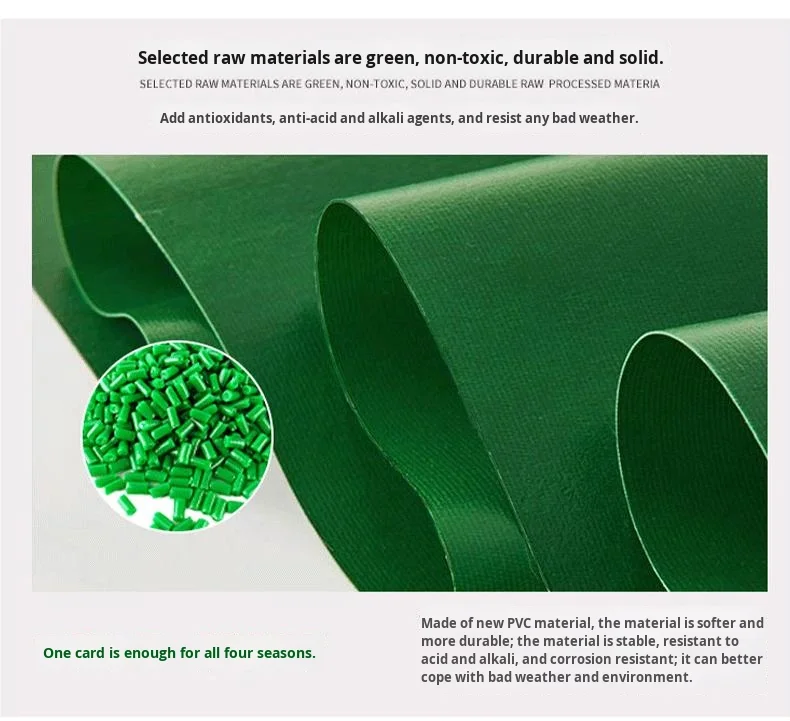
Description
Batch Consistency Assurance — Every roll in a shipment is verified against the stated GSM, base fabric weight, and colour reference before dispatch, closing the gap between quotation and arrival for wholesale buyers.
Technical Specifications
| Parameter | Value |
|---|---|
| Product Type | PVC Coated Tarpaulin Roll |
| Material | PVC + High-strength polyester mesh fabric |
| Coating Method | Laminated technology & Hot-melt Coating technology |
| Weight (GSM) | 350gsm / 420gsm / 500gsm / 550gsm / 600gsm / 750gsm |
| Total Thickness | 0.32mm / 0.35mm / 0.4mm / 0.45mm / 0.5mm / 0.65mm |
| Roll Width | 2m / 2.1m |
| Roll Length | 75m / 50m |
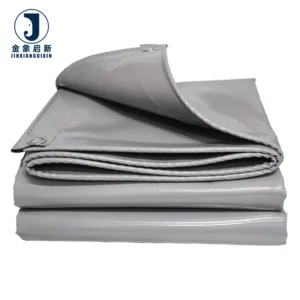
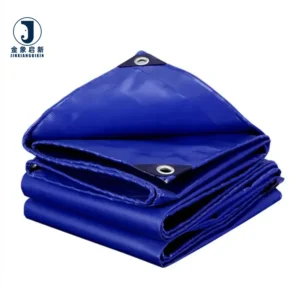
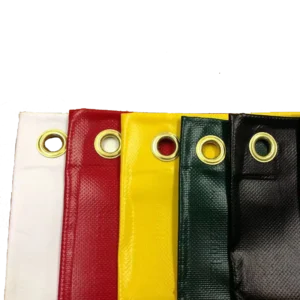
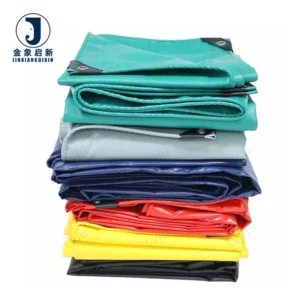
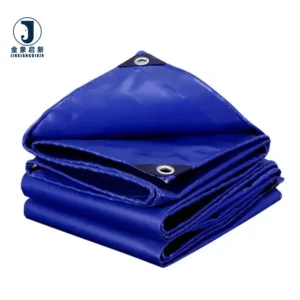
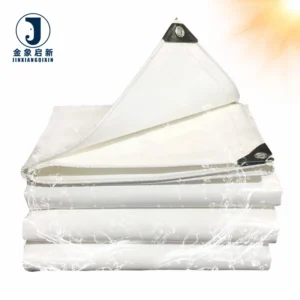
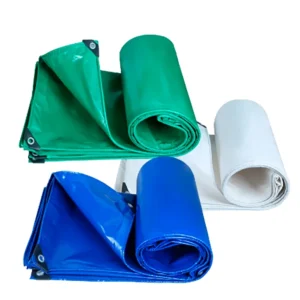
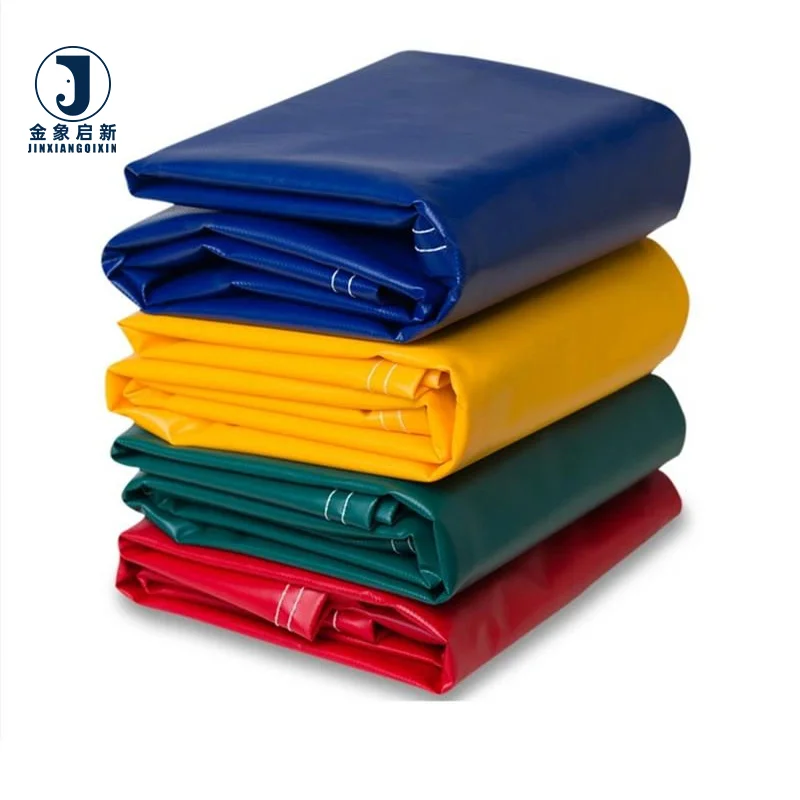
| Colour Options | Blue / Red / Yellow / Light blue / Grey (Customized) |
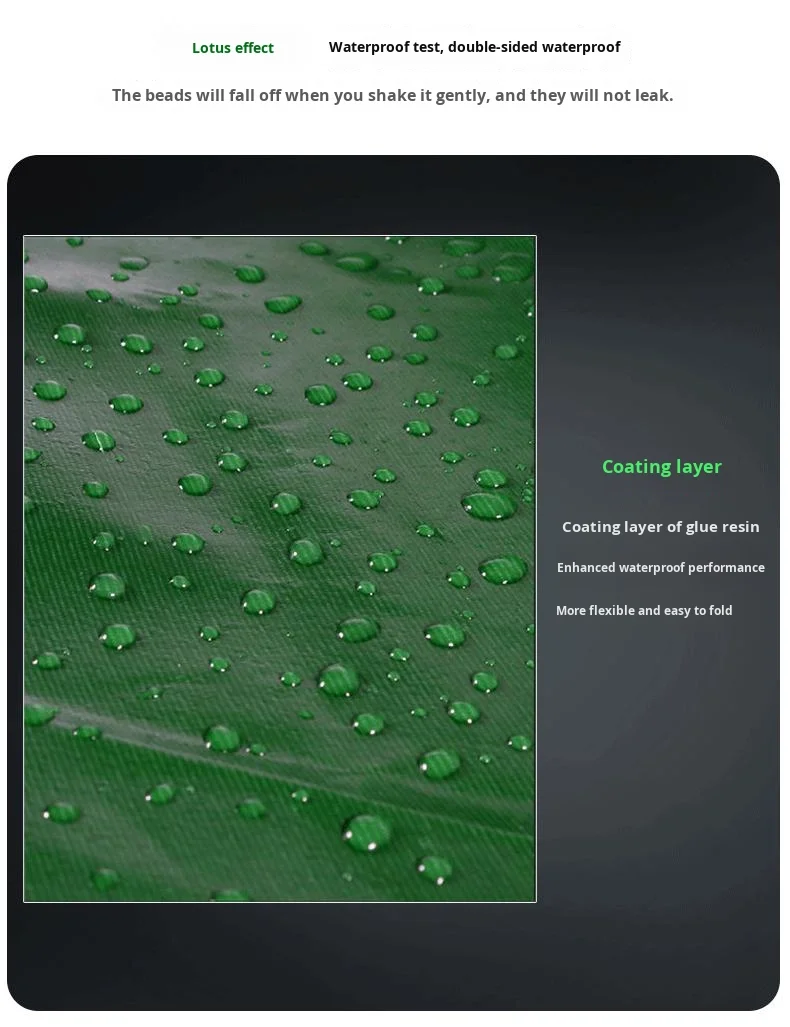
| Key Features | Cold crack resistance, anti-mildew, waterproof, anti-static treatment (grade not stated — confirm requirement for your market) |
| Service Life | 3–7 years under normal circumstances |
Application Suitability
| Application | Exposure & Requirement |
|---|---|
| Tarpaulin distribution & resale | Multiple GSM grades and colours held in regional warehouse stock for on-demand cutting and resale to end users |
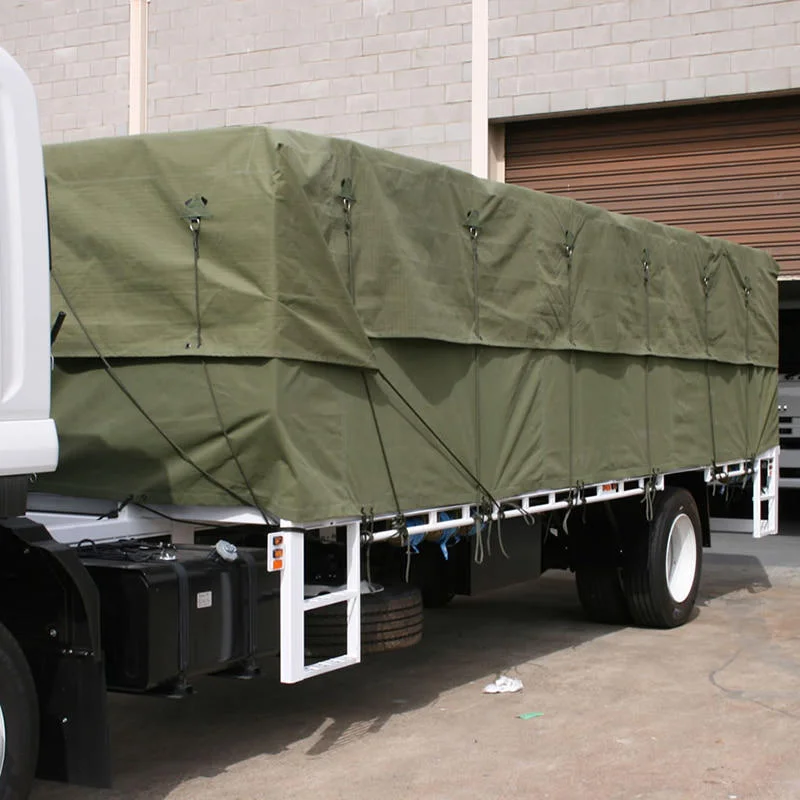
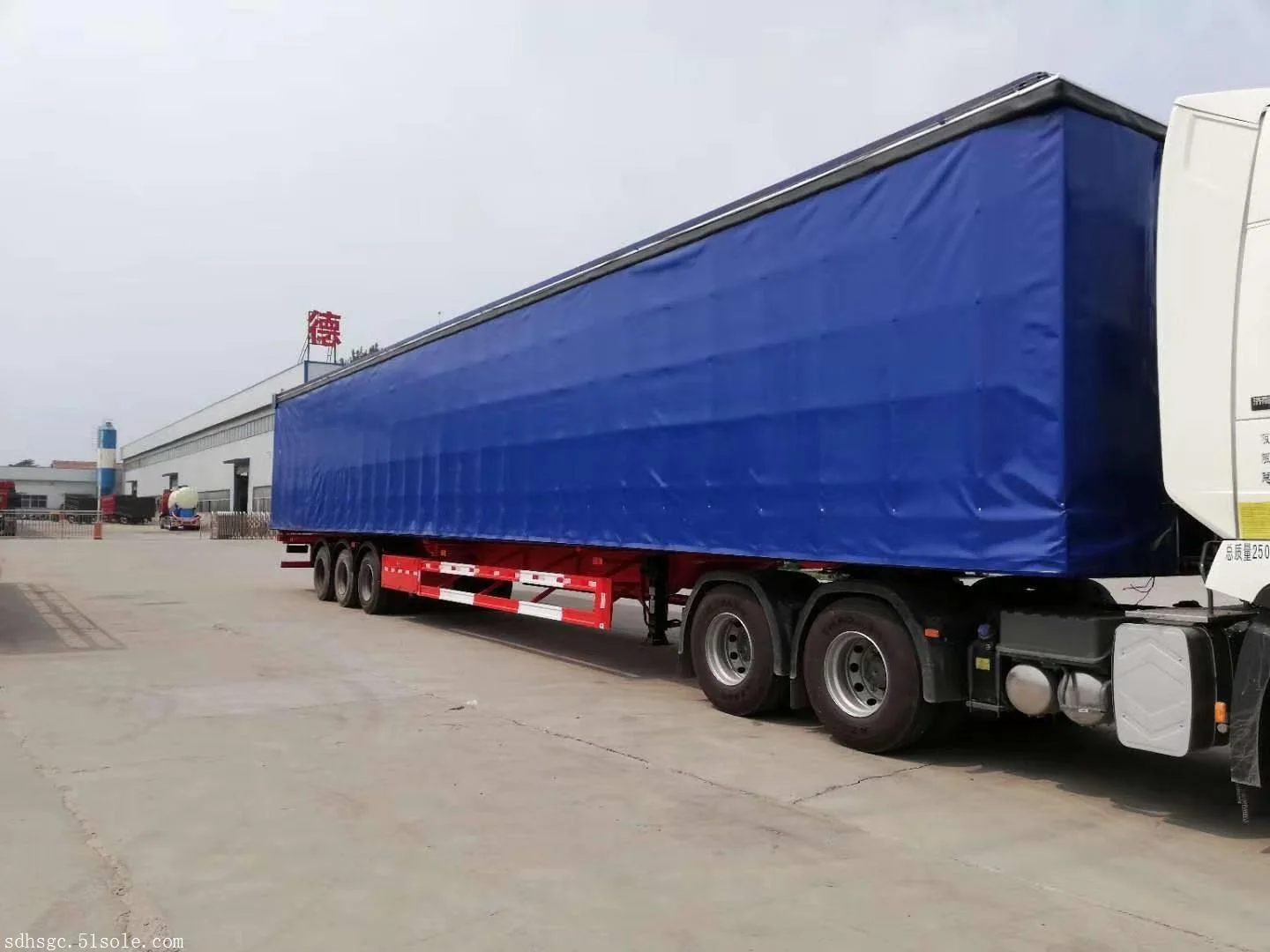
| Truck cover and side curtain fabrication | Roll stock cut and welded to specific trailer dimensions; fabric must hold at welded seams under constant road vibration and flex load |
| Tent and awning panel manufacturing | Bulk roll purchasing with batch-to-batch colour consistency so adjacent panels match once assembled |
| Pond and reservoir liner installation | Continuous water contact and soil chemistry exposure; material supplied by the roll for on-site welding to required dimensions |
| Cargo ship deck cover | Salt spray, sun exposure and heavy abrasion from shifting loads; heavy-grade rolls cut and seamed to cover irregular cargo profiles |
Why Roll-to-Roll Colour Variance Costs Distributors More Than They Think
Shade mismatch between rolls in the same container forces fabricators to reject entire batches or absorb rework costs.
When a distributor orders twenty rolls of grey PVC coated tarpaulin roll wholesale for a fleet client, and three rolls arrive a visible half-shade darker, those rolls cannot be installed on adjacent trailers without the customer noticing. The complaint lands on the distributor, not the mill. Colour variance often traces back to inconsistent pigment dosing between coating batches or insufficient mixing time in the plastisol preparation stage [NEED_CITE: colour fastness and batch consistency test methods for PVC coated fabrics]. In-process QA at the coating head, with spectrophotometer checks against a master colour reference, prevents this from reaching the packing stage.
Stock Grade Availability Across the Full GSM Ladder
Distributors rarely need a single GSM grade. A regional reseller typically stocks 350gsm for light-duty covers, 500gsm and 550gsm for general truck tarpaulin, and 600gsm or 750gsm for heavy transport and industrial applications. Sourcing the full PVC coated tarpaulin roll wholesale range from one production facility means every grade shares the same base fabric sourcing and coating chemistry, which simplifies your warehouse documentation and gives your customers a consistent product story across weight classes. Container loads can mix GSM grades in a single shipment, reducing the number of purchase orders and freight bookings required to replenish inventory.
Container Loading Efficiency and Roll Format Selection
Two standard roll formats are available: 2m width × 75m length and 2.1m width × 50m length. The choice between them affects your cutting line setup and your container loading plan in different ways. The 2m × 75m format yields more linear metres per roll and suits fabricators running high-volume cutting tables, while the 2.1m × 50m format covers wider single-panel applications without a longitudinal weld seam. Both formats are designed for efficient stacking in standard shipping containers, with roll count and total weight calculated per container type to maximise freight utilisation [NEED_CITE: container loading configuration and weight distribution for roll goods in ocean freight].
How Coating Method and Base Fabric Determine Weld Performance
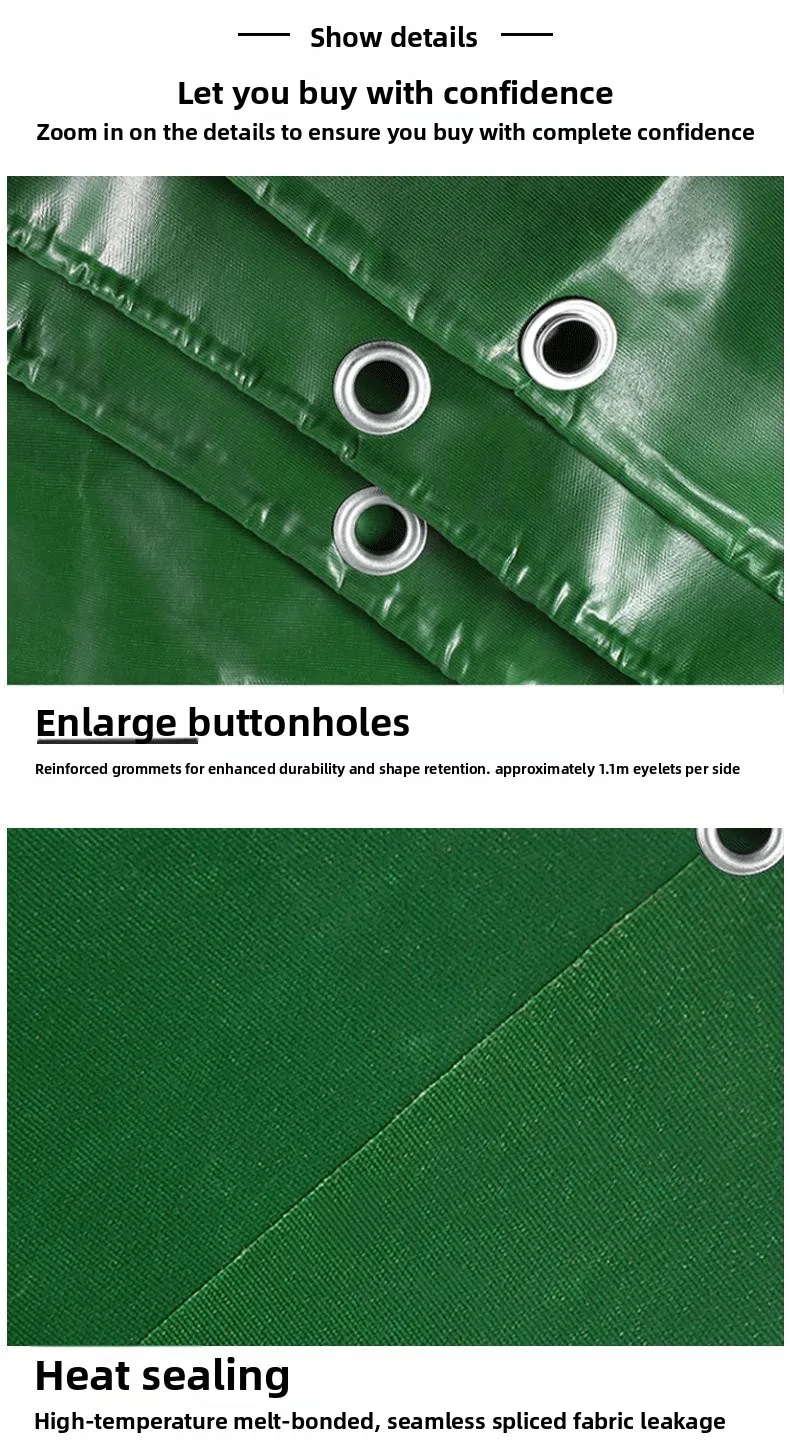
Laminated and hot-melt coating technologies produce different adhesion profiles between the PVC layer and the polyester mesh. Hot-melt coating drives the PVC into the mesh interstices under heat and pressure, creating a mechanical bond that resists delamination when the fabric flexes repeatedly at a welded seam. Laminated technology bonds pre-formed PVC films to the mesh, offering a smoother surface finish that is easier to clean and print on. For fabricators welding truck side curtains or tent panels, the adhesion strength directly determines whether the weld line holds longer than the surrounding fabric or fails first under load. The high-tenacity polyester yarn base provides the tensile backbone — the coating carries the environmental protection and the weld integrity. Base fabric denier and weave density control how a tear propagates once initiated; a tighter weave arrests tear spread more effectively than an open mesh, which matters when a puncture occurs in the field and the damage must not grow before a repair is made.
The Hidden Cost of Specifying on Price Per Kilogram Alone
A PVC coated tarpaulin roll wholesale quotation that looks cheap on a per-kilogram basis may arrive lighter than the agreed GSM, with the coating weight reduced to hit the price point. Distributors who do not verify arrival weight against the material specification sheet end up selling a product that underperforms in the field, generating warranty claims that erase the margin gained on purchase. Colour inconsistency between batches compounds the problem — a customer who receives mismatched rolls on their first order will not reorder. These failures are preventable with pre-shipment inspection and documented weight verification per roll [NEED_CITE: pre-shipment inspection standards and sampling methods for coated fabric rolls].
Why Wholesale Buyers Source from This Facility
Three full production lines with 36 sets of professional equipment support bulk roll output with consistent coating weight across long production runs, so the first roll and the last roll in a batch carry the same GSM.
A 10-person R&D team handles custom colour matching, non-standard width development, and sample preparation within days, allowing distributors to test new grades before committing to container-load volumes.
Dedicated QA and QC at every production stage — from base fabric inspection through coating, curing, and winding — with 100% inspection before shipment catches shade variation and dimensional drift before rolls are packed.
ISO and CE certified production processes provide the compliance documentation that importers need for customs clearance and market entry in regulated destinations.
Documentation & Verification
- Material specification sheet stating GSM, base fabric denier, and coating weight for every roll grade shipped
- Roll packing list with individual roll weight, colour reference, and dimensions per container for customs clearance
- Pre-shipment inspection record documenting shade consistency and dimensional accuracy across all rolls in the order
- ISO and CE certificates and certificate of origin included with every shipment for destination market compliance
Fabrication, Handling & Storage
- Hot-air wedge welding suits the hot-melt coated grades; adjust temperature and speed to the specific GSM and thickness
- Store rolls upright on end caps to prevent flat-spot creasing across the 2m or 2.1m width
- Unroll in ambient temperature above 5°C to avoid cold-crack damage during handling and cutting
- Use compatible PVC solvent cement for field repairs on the anti-mildew treated surface
- Plan cutting layouts around the 75m or 50m roll length to minimise off-cut waste per roll
What to Include in Your Inquiry
Provide the GSM grades and colours you currently stock or plan to stock, along with your typical order volume in rolls or containers. Specify whether you need standard 2m × 75m or 2.1m × 50m roll formats, or if your cutting line requires a non-standard width. If your destination market has specific compliance or labelling requirements, include those details so the correct documentation is prepared before production begins. Confirm whether you need roll stock only or if finished cut-to-size items are part of the order.
Frequently Asked Questions
Q: How can I verify the stated GSM when the rolls arrive at my warehouse?
A: Cut a measured sample from the outer layer of each roll, weigh it on a calibrated scale, and calculate grams per square metre. Compare the result against the material specification sheet included with your shipment. Any deviation beyond acceptable tolerance should be reported immediately with the roll number from the packing list for resolution.
Q: How is colour consistency maintained across multiple rolls in one order?
A: Every production batch is checked against a master colour reference at the coating stage using spectrophotometer readings. Rolls from the same production run are grouped together for packing, and the pre-shipment inspection record documents shade uniformity across all rolls before the container is sealed.
Q: Should I choose 2m × 75m or 2.1m × 50m rolls for my operation?
A: The 2m × 75m format gives more linear metres per roll and suits high-throughput cutting operations. The 2.1m × 50m format covers wider panels without a longitudinal seam. Your choice depends on the finished product dimensions you cut most often and your container loading plan.
Q: Can different GSM grades and colours be mixed in a single container?
A: Yes. Mixed-grade and mixed-colour container loads are standard practice for wholesale orders. The roll packing list details every roll by GSM, colour reference, and weight so your warehouse team can sort and allocate inventory on arrival without confusion.
Q: What is the minimum order quantity for a custom colour outside the standard range?
A: Custom colour production requires a minimum run to ensure pigment batching consistency. Lead times are typically several weeks depending on the colour complexity and order volume. Submit your colour reference or RAL code with your inquiry so the R&D team can prepare a sample roll for approval before full production.