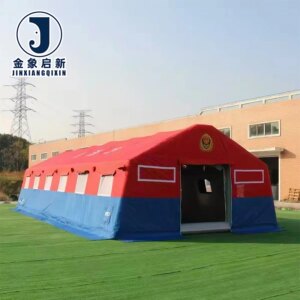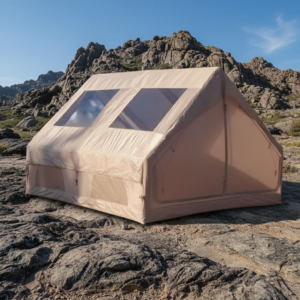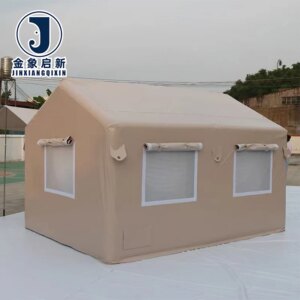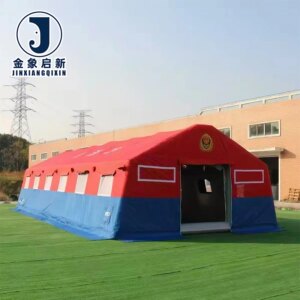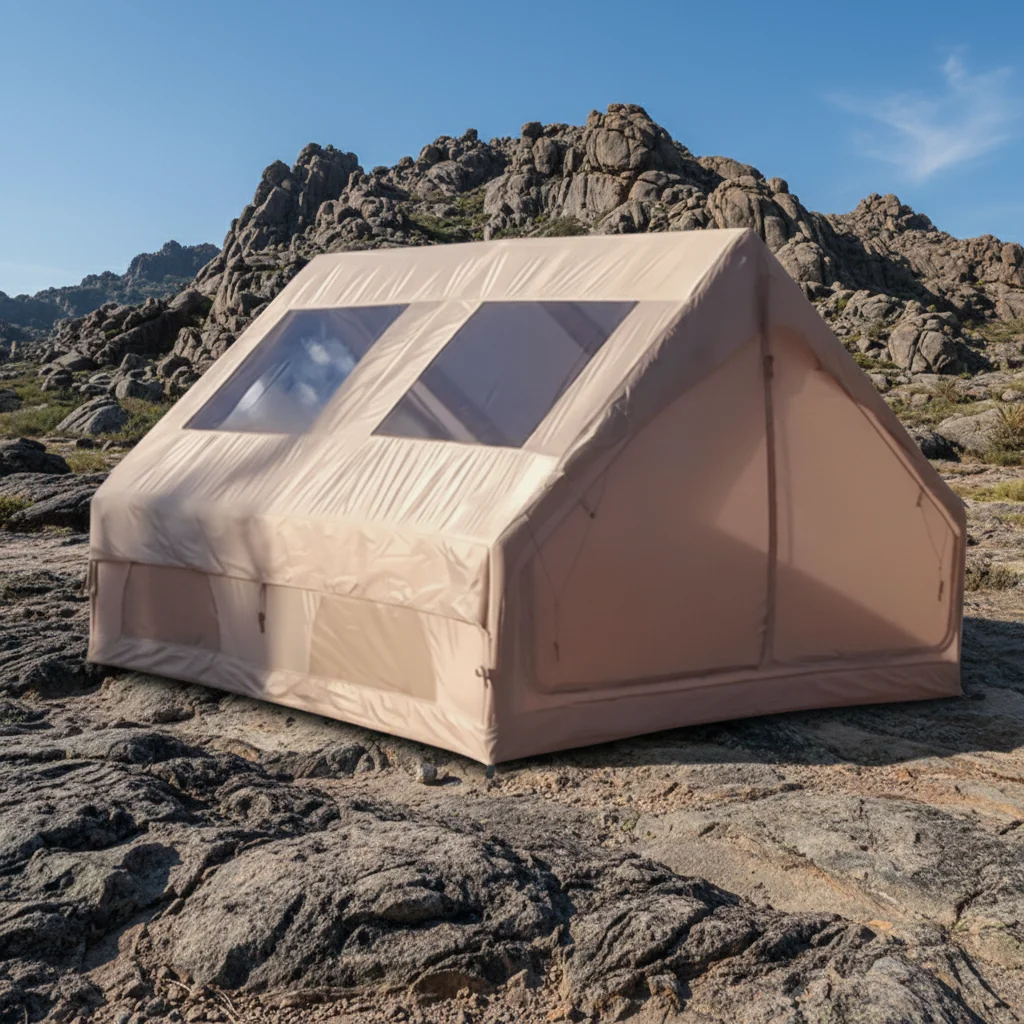



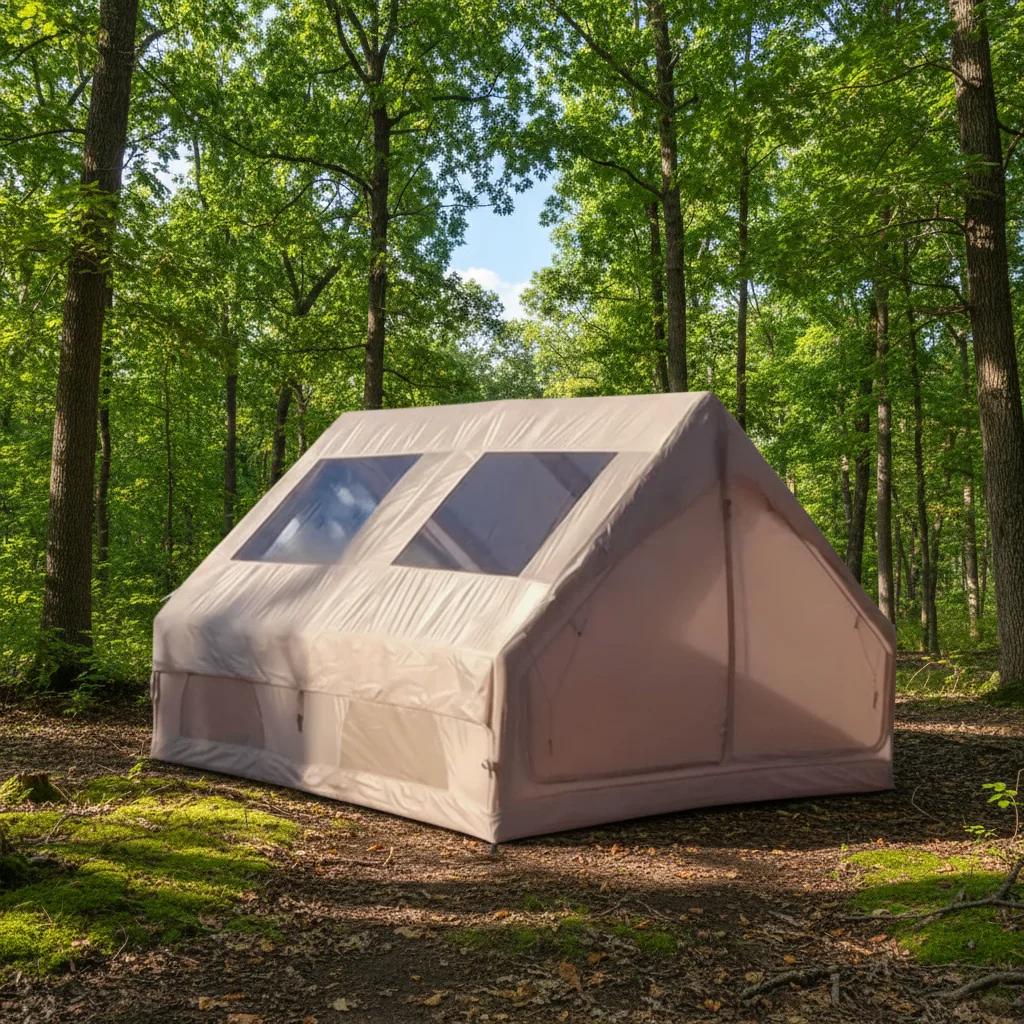

Description
Batch-to-batch roll consistency — every roll of PVC inflatable tent fabric verified for GSM and colour uniformity before dispatch, eliminating mismatched panels on the production floor.
Technical Specifications
| Parameter | Value |
|---|---|
| Product Type | Inflatable Tent Fabric / Inflatable Structure |
| Core Material | PVC Tarpaulin |
| Waterproof | Yes — fully coated construction |
| UV-resistant | Yes (test basis not stated in source — confirm grade required) |
| Tear-resistant | Yes (test standard not stated in source — request batch report) |
| Flame Retardant | Yes (grade not stated in source — confirm grade for your market) |
| Anti-Static | Yes (surface resistance or standard not stated — verify against requirement) |
| Product Forms | Roll stock for inflatable structure fabrication |
| Customization Service | OEM & ODM: sample customization, pattern printing, size adjustment, custom color matching |
| Quality Control | Full-process QA/QC with inflation and seam testing before shipment |
| Production Facility | 9,180 m² with 3 full production lines and 36 sets of processing equipment |
| R&D Team | 10 technicians supporting material and specification development |
| Standards | ISO 9001, ISO 14001, ISO 45001, CE |
Application Suitability
| Application | Exposure & Requirement |
|---|---|
| Inflatable tent manufacturing | Repeated inflation cycles, internal air pressure stress, welded seam integrity, outdoor UV and rain exposure |
| Event infrastructure membrane structures | Temporary erection and teardown, wind loading on fabric panels, colour consistency across joined sections |
| Commercial outdoor adventure shelters | High-frequency deployment, abrasion from ground contact and handling, waterproof performance under sustained weather |
| Inflatable awning and signage production | Print adhesion on coated surface, dimensional stability during heat welding, batch colour matching for brand identity |
| Industrial temporary inflatable enclosures | Fire-retardant and anti-static compliance for site safety audits, chemical and dust exposure resistance |
Why Roll-to-Roll Colour and Weight Consistency Matters for Inflatable Tent Fabric Wholesale Buyers
Mismatched rolls create visible panel lines that no amount of post-assembly adjustment can fix.
When purchasing inflatable structure fabric roll stock in volume, the most frequent complaint arriving at the cutting table is colour variation between rolls from the same order. A manufacturer producing a batch of inflatable tents for a single event client cannot afford one roll reading slightly warmer or cooler than the next — the difference is immediately visible once the panels are welded side by side. Equally damaging is GSM deviation: a roll arriving lighter than specified may pass visual inspection but fail at the weld line when the structure is inflated to working pressure. These issues do not surface at the supplier’s gate; they surface on your factory floor, mid-production run, when switching to a replacement roll is no longer an option without delaying the entire order. [NEED_CITE: coated fabric batch consistency testing methods per ISO 1421]
Roll Stock Availability and Bulk Sizing for Serial Production
Sourcing Inflatable Tent Fabric wholesale requires confidence that the rolls arriving next month will match the rolls that passed your sample approval last month. Our three full production lines support continuous output of PVC tarpaulin roll stock, allowing volume buyers to lock in specification and schedule repeat deliveries without renegotiating base parameters each time. Width and roll length options are configured around standard cutting patterns used in inflatable structure fabrication, reducing offcut waste during panel nesting.
Colour Matching and Custom Print Across Multi-Roll Orders
For inflatable tent manufacturers producing branded event structures, colour must hold across every roll in the order — not just within a single roll. Our QA process checks colour reference at multiple points during production, and pattern printing is calibrated per batch to maintain registration and ink adhesion on the PVC coated surface. OEM and ODM customization extends to custom color matching and printed graphics, with sample rolls produced for approval before the full order runs. [NEED_CITE: colour fastness and print adhesion standards for coated technical textiles]
Reading the Specification Sheet Beyond Stated GSM
GSM alone tells you the weight per square metre but not how that weight is distributed between base fabric and coating. A PVC tarpaulin with a high-denier base fabric and moderate coating weight will resist tear propagation differently than a lighter base with heavy coating — even if both read the same GSM on the spec sheet. The coating method determines weldability: knife-coated fabrics typically offer stronger coating-to-yarn adhesion, which translates to more reliable heat-welded seams at the stress points of an inflatable structure. Surface finish — glossy or matte — affects both print reception and long-term cleaning behaviour, with glossier surfaces shedding dirt more readily but showing scuff marks more visibly in field conditions.
The Hidden Cost of Specifying Inflatable Structure Fabric by Price Per Roll Alone
Choosing the lowest-cost roll stock often means accepting GSM variance that only becomes apparent when the inflated structure is pressure-tested and a seam fails before the fabric does. Fire-retardant treatment claimed without a supporting grade or test report can halt a commercial installation at the site safety audit, forcing replacement at the buyer’s cost and schedule. Batch colour inconsistency discovered after cutting and welding means the entire affected section is scrap — not reworkable — because replacing a single panel in a continuous inflatable membrane requires dismantling the full structure. These downstream costs routinely exceed the per-roll savings that drove the purchasing decision. [NEED_CITE: seam strength versus base fabric strength in welded PVC assemblies]
Why Volume Buyers Source Inflatable Structure Fabric Roll Stock Here
Our 10-person R&D team handles material selection and specification development specifically for inflatable applications, providing sample rolls that let you validate weld parameters and print compatibility before committing to bulk. Three production lines and 36 sets of processing equipment maintain output capacity for multi-container orders without compromising individual roll quality. Dedicated QA/QC at every production stage — not just final inspection — catches GSM drift and colour deviation before rolls are packed. Custom width and length runs are supported without prohibitive minimums, so you can order rolls sized to your cutting pattern rather than paying for offcut waste. Full documentation accompanies every shipment, giving your compliance team the paper trail needed for site certifications.
Documentation & Verification
- Material spec sheet confirming GSM, base fabric denier, and coating weight per roll batch
- Pre-shipment inspection record documenting colour and weight check results for each roll
- Batch-specific test reports for UV and flame-retardant grades where specified
- Roll packing list with net and gross weight for container loading verification
- Certificate of origin and customs documentation for cross-border procurement
Fabrication, Handling & Storage
- Heat-weld temperature and dwell time must be calibrated to the specific PVC coating thickness on each roll batch
- Store rolls upright on end-caps to prevent flat-spot deformation of the coated surface
- Avoid dragging rolls on unprotected floors to prevent surface scoring of the PVC coating
- Allow cold-stored rolls to reach ambient temperature before unrolling to prevent coating crack at low-temperature flex points
- Use PVC-compatible cleaners only — solvent-based products can soften the coating and compromise seam adhesion
Starting Your Inflatable Fabric Roll Order
To specify the right roll stock for your production line, share your target panel dimensions, annual volume requirement, and the fire-retardant or anti-static grade your end market requires. If colour consistency across rolls or branded pattern printing is part of the project, provide Pantone references and artwork files so we can prepare sample rolls for your approval before bulk production runs begin.
Frequently Asked Questions
Q: How is GSM verified per roll and what documentation supports arrival re-inspection?
A: Each roll is weighed and measured during production to confirm GSM against the agreed specification. A pre-shipment inspection record accompanies the order, documenting per-roll results. On arrival, you can cross-check using the same weight-area method, with the inspection record serving as your baseline reference.
Q: How do you ensure colour consistency across multiple rolls in the same order?
A: Colour is checked at multiple stages against the approved reference standard during the production run. Rolls are compared side by side before packing, and any roll falling outside tolerance is pulled from the batch. The packing list identifies which rolls were grouped together by colour verification.
Q: What standard widths and roll lengths are available, and can custom dimensions be ordered in bulk?
A: Standard widths and lengths cover common inflatable panel cutting patterns. Custom widths and roll lengths are available for bulk orders, sized to your specific nesting layout to minimize offcut waste. Sample rolls in custom dimensions can be produced for approval first.
Q: What are the MOQ thresholds for custom width, colour, and printed rolls?
A: Minimum order quantities for custom specifications depend on the complexity of the request — custom colour matching typically requires a smaller run than full pattern printing. Request a quotation with your specific requirements and we will confirm the applicable MOQ and lead time.
Q: How are rolls packed and loaded into containers to prevent damage during transit?
A: Rolls are packed upright on end-caps with protective wrapping to prevent surface abrasion and edge damage. A container loading plan is prepared by roll count and weight distribution to secure the load against shifting during ocean freight. The roll packing list details placement for verification on arrival.