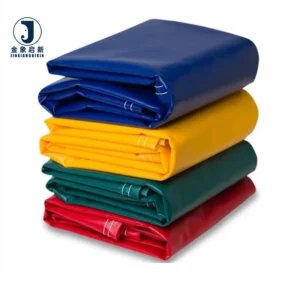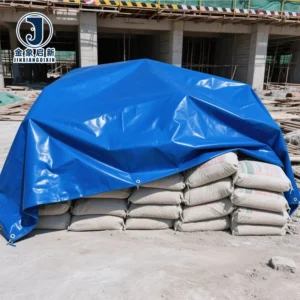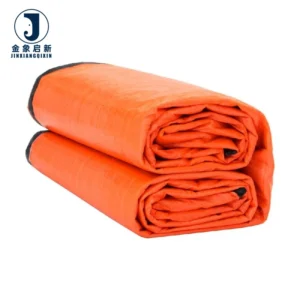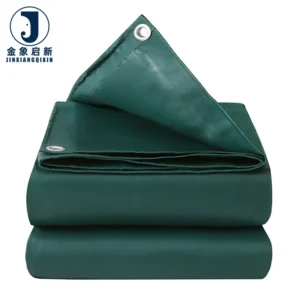
Description
Batch Consistency Control — every roll is verified against its material specification sheet for GSM, colour reference and coating weight before dispatch, supported by three full production lines that maintain uniform output across container-size orders.
Technical Specifications
| Parameter | Value |
|---|---|
| Product Type | PVC Coated Tarpaulin Roll |
| Base Fabric Denier | 1000×1000 |
| Weight (GSM) | 420 g |
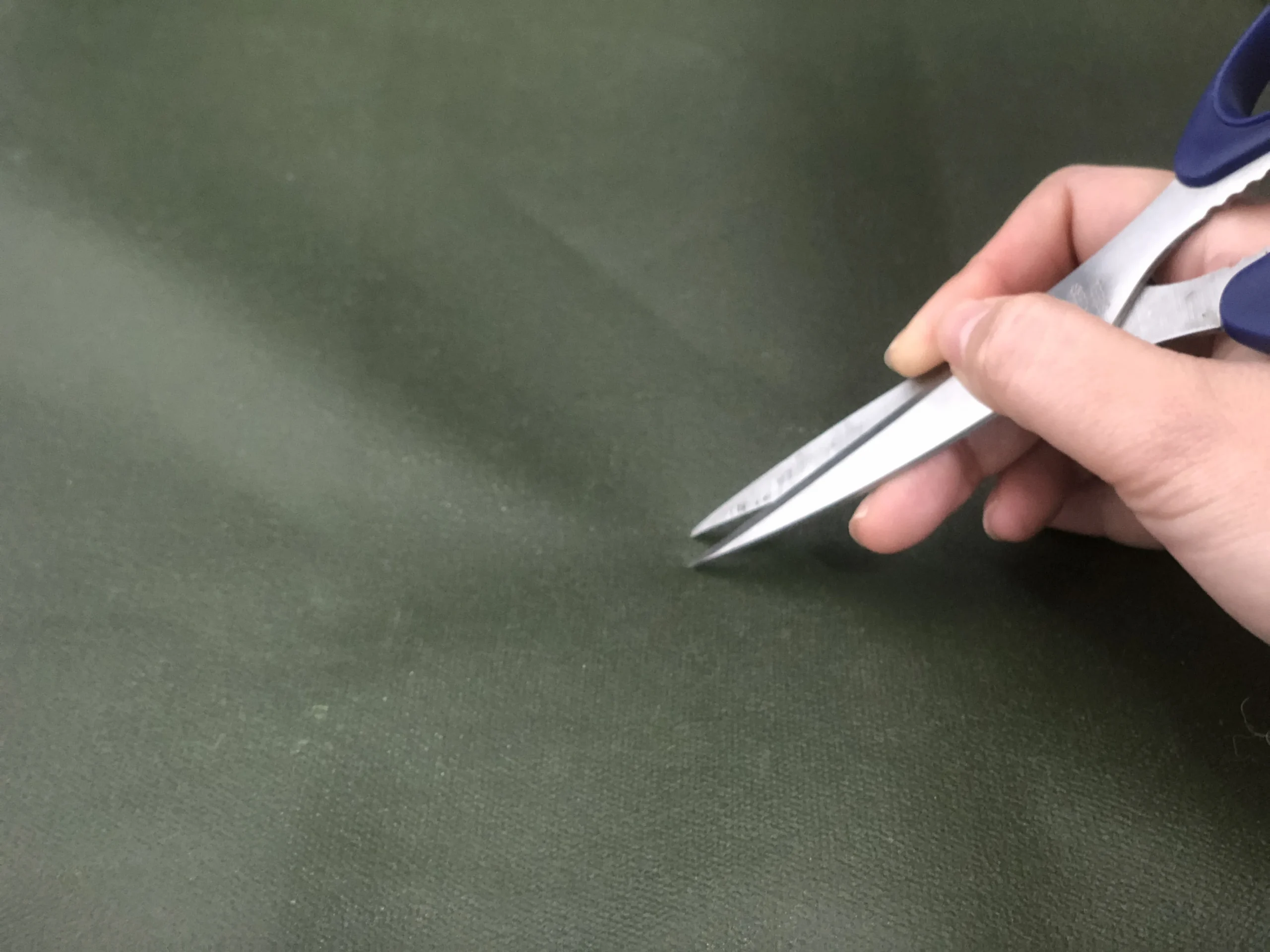
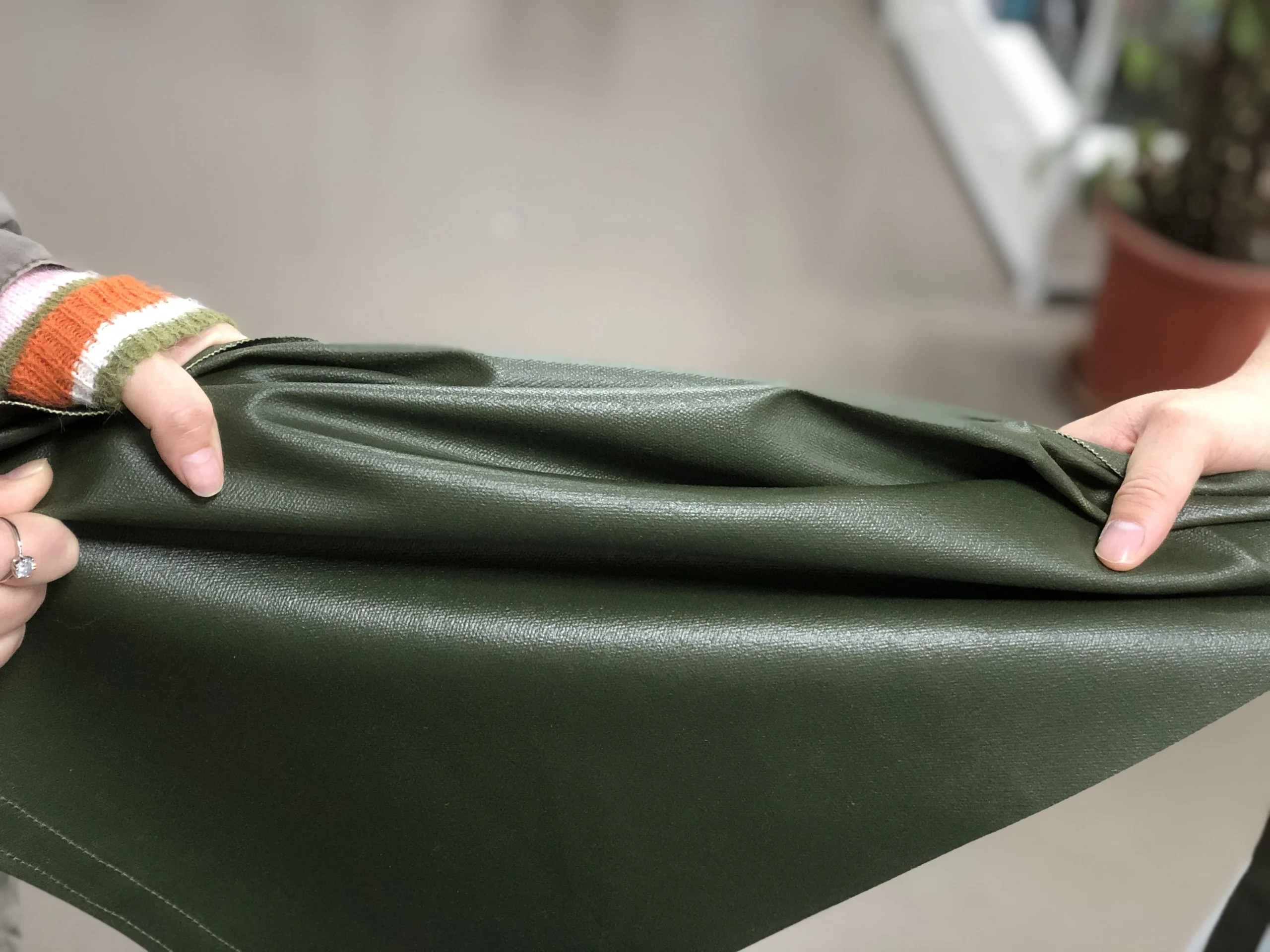
| Coating Method | Knife Coated |
| Coating Material | PVC |
| Finish | Available in glossy or matte |
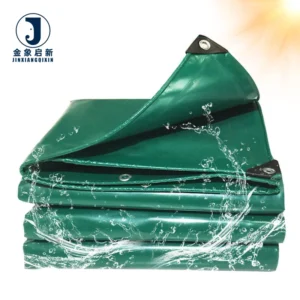
| Waterproof | Fully waterproof coated construction |
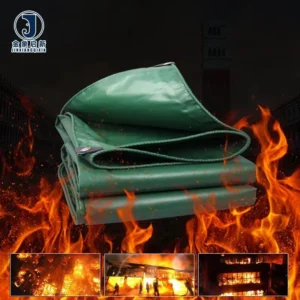
| Flame Retardant | Flame retardant grades available — confirm the grade required for your market |
| Anti-Static | Anti-static grades available — confirm the standard required for your application |
| Anti-UV | Anti-UV treatment available — test basis to be confirmed per order |
| Anti-Mildew | Anti-mildew treatment available |
| Outdoor Life | Suited to extended outdoor exposure |
| Custom Printing | Available on request |
| Certifications | ISO, CE |
Application Suitability
| Application | Exposure & Requirement |
|---|---|
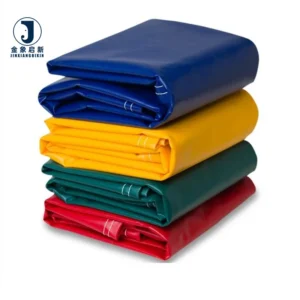
| Tarpaulin distribution & import | Consistent GSM and colour across rolls, standard and specialty grades for resale to regional markets |
| Tent, awning & inflatable manufacturing | Fabric purchased by the roll, requiring uniform coating adhesion for high-frequency welding and seam integrity |
| Banner & signage fabrication | Smooth surface for solvent, UV and latex ink adhesion, roll-to-roll colour matching across print runs |
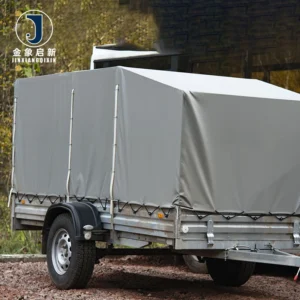
| Truck side curtain & transport cover stock | Flex fatigue at fold points, road debris abrasion, sustained UV and weather exposure |
Why Roll-to-Roll GSM Consistency Matters More Than the Quoted Number
A stated 420 g on paper means nothing if the actual roll weight drifts by the time it reaches your warehouse.
Distributors and importers who buy PVC coated tarpaulin roll wholesale have encountered shipments where the quoted GSM does not match the physical sample on arrival. A lighter roll may still pass a casual visual check, yet it fails prematurely when the end user puts it under tension or exposes it to sustained wind load. Knife coated construction addresses part of this problem by controlling coating weight more precisely than dip or spray methods, but process control at every production stage is what actually keeps the number honest. [NEED_CITE: tensile and tear test methods for coated fabrics per ISO 1421]
Maintaining Colour Uniformity Across a Multi-Roll Shipment
When two or more rolls from the same PVC coated tarpaulin roll wholesale order are installed side by side on a tent frame or truck curtain, even a slight hue shift becomes immediately visible. Batch-to-batch colour matching depends on controlled pigment dosing, consistent coating temperature and uniform curing conditions across the production line. Our 10-person R&D team establishes a colour reference at sample approval stage, then holds every subsequent roll to that standard through in-process QA checks before the material leaves the coating head.
What Happens When Width and Length Vary Within a Container Load
Stocking standard widths reduces waste for most fabricators, but custom width runs are sometimes necessary to match specific cutting tables or minimise seam counts on large structures. Roll length consistency matters equally — a shorter-than-specified roll forces the buyer to absorb the shortfall or disrupt production scheduling. Dedicated QA/QC at every production stage catches these deviations early, ensuring that the PVC coated tarpaulin roll wholesale container you receive matches the roll packing list exactly. [NEED_CITE: dimensional tolerance standards for coated textile rolls]
Reading the Spec Sheet Beyond the GSM Figure
The 420 g weight and 1000×1000 base fabric denier together determine how this material behaves under load. A heavier coating does not automatically deliver higher tear strength if the base fabric weave is loosely constructed; conversely, a dense 1000×1000 weave with a thin coating may tear slowly but delaminate at the weld. Knife coated application deposits a controlled PVC layer that penetrates the weave and bonds mechanically, producing better peel strength than calendered or laminated alternatives. This matters when the material is heat-welded into finished products, because the weld line should not become the failure point before the fabric itself gives way. Glossy and matte finish options influence how the surface accepts print, resists dirt pick-up and sheds water in horizontal applications. [NEED_CITE: peel strength testing methods for PVC coated polyester fabrics]
The Hidden Cost of Specifying on Price Per Kilogram Alone
Choosing a PVC coated tarpaulin roll wholesale supplier based on the lowest cost per kilogram often leads to receiving material that is lighter than the agreed specification. End users then experience premature cracking, seam failure or colour fading, and the reputational damage falls on the distributor who sold it. Flame retardant and anti-static treatments claimed without a supporting test report create compliance risk on construction sites, in mining ventilation and at public event venues. [NEED_CITE: fire classification standards for temporary structures and event venues] Weld failures on lighter-grade stock can appear weeks after installation, at the exact point the load flexes most, which is the most expensive kind of field failure to address.
Supply Reliability Backed by Process Depth
Nearly 30 years focused on coated fabric means the coating formulation and line parameters for this 420 g grade are well established, not experimental. Three full production lines and 36 sets of professional equipment provide capacity to fill container orders without extending lead times beyond what was quoted. The 10-person R&D team develops samples within days when custom width, colour or treatment combinations are requested. Every roll undergoes 100% pre-shipment inspection, and the inspection record travels with the documentation set. ISO and CE certified processes give distributors the audit trail their downstream customers increasingly demand.
Documentation & Verification
- Material specification sheet stating 420 g GSM, 1000×1000 base fabric and knife coated PVC for each roll
- Pre-shipment inspection record with roll-by-roll weight and colour verification
- Roll packing list detailing container loading by roll count and gross weight
- Test reports for flame retardant, anti-UV and anti-static grades where applicable to order
- Certificate of origin and customs documentation matched to shipment
Fabrication, Handling & Storage
- Knife coated PVC surface accepts high-frequency and hot-air welding — confirm weld temperature on a test piece before full production
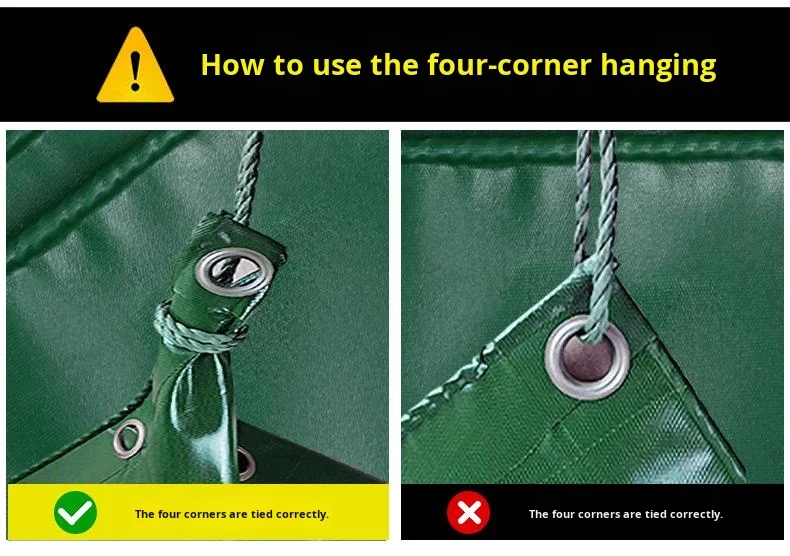
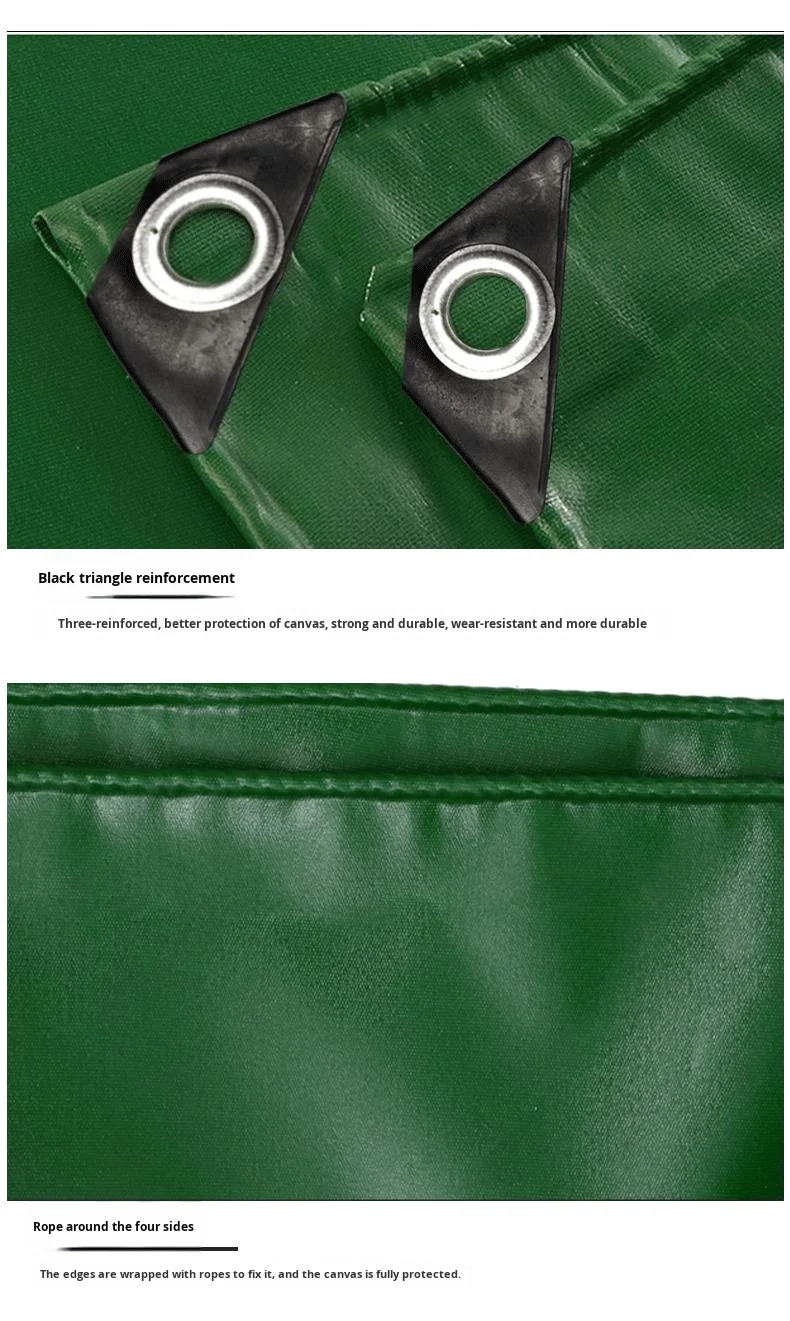
- 420 g material handles standard eyelet and reinforced hem hardware without additional backing patches
- Store rolls upright on pallets to prevent flat-spotting on the outer wrap layer
- Matte finish rolls require lower print-head temperature settings than glossy when using UV-curable inkjet
- Custom width rolls should be unrolled and rested before cutting to release any winding tension
Before You Request a Quotation
Provide the end-use application and the environmental exposure conditions the material will face — sustained UV, chemical contact, flame retardant compliance requirements or anti-static standards for your target market. Confirm whether you need stock widths and standard roll lengths, or custom dimensions to fit your cutting table. Specify colour references or print requirements so that sample development can begin before the bulk production run is scheduled.
Frequently Asked Questions
Q: How is GSM verified on each roll before shipment?
A: Every roll is sampled and weighed against the agreed material specification sheet during pre-shipment inspection. The recorded GSM is logged on the inspection report that accompanies the shipment documentation, so you can cross-check on arrival without waiting for a lab test.
Q: How do you control colour consistency between rolls in the same order?
A: A colour reference is established at sample approval, then pigment dosing, coating temperature and curing conditions are held to that reference throughout the production run. In-process QA checks compare each roll against the approved standard before it is cleared for packing.
Q: What widths and roll lengths are available in stock versus custom runs?
A: Standard stock widths and roll lengths are available for immediate scheduling. Custom width and length runs are produced on request with sample approval first, and the minimum order quantity depends on the specific colour and treatment combination required.
Q: How are rolls packed for container loading to prevent transit damage?
A: Rolls are packed vertically on pallets with protective wrapping to prevent crushing and edge damage. The roll packing list details the number of rolls and total weight per container, allowing you to plan warehouse space and unloading sequence in advance.