Description
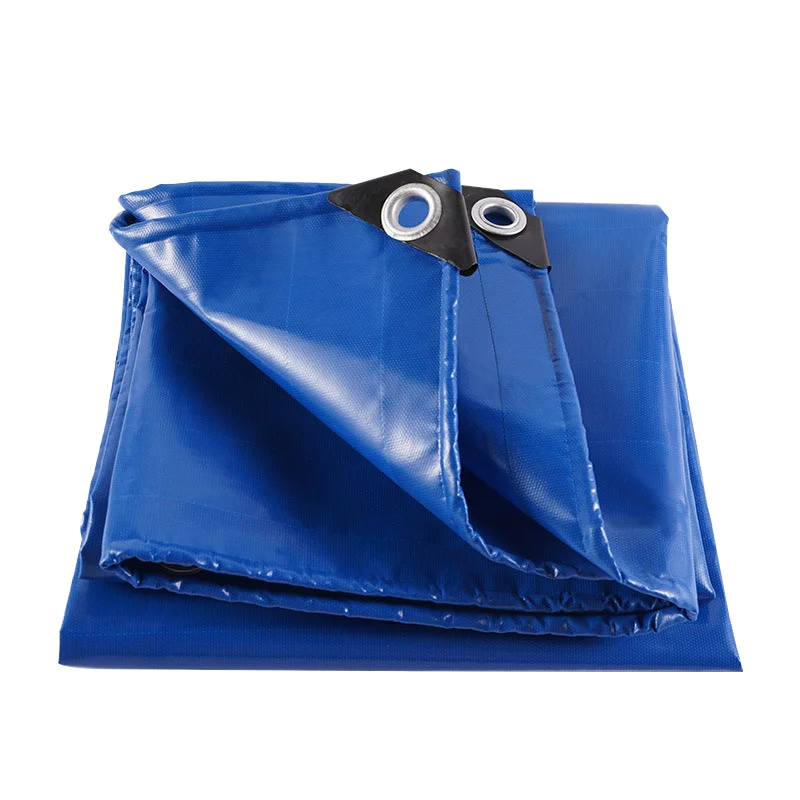
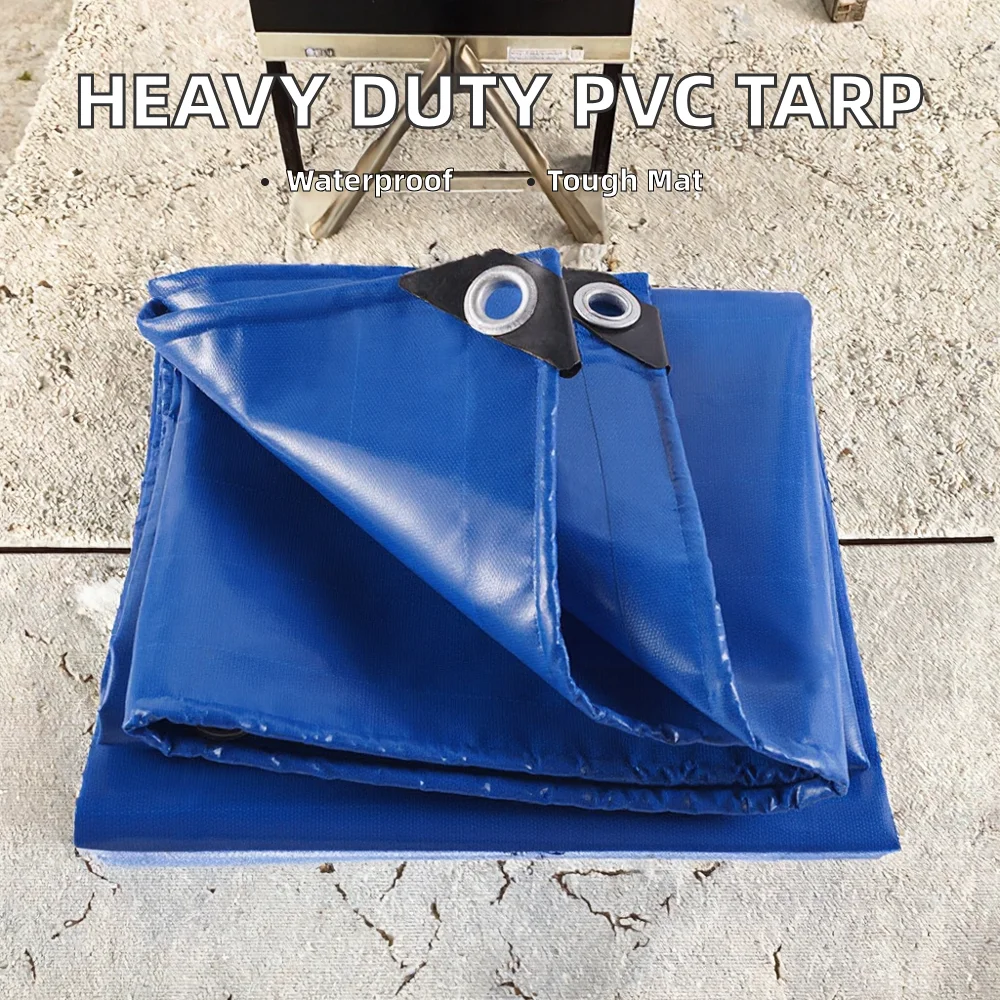
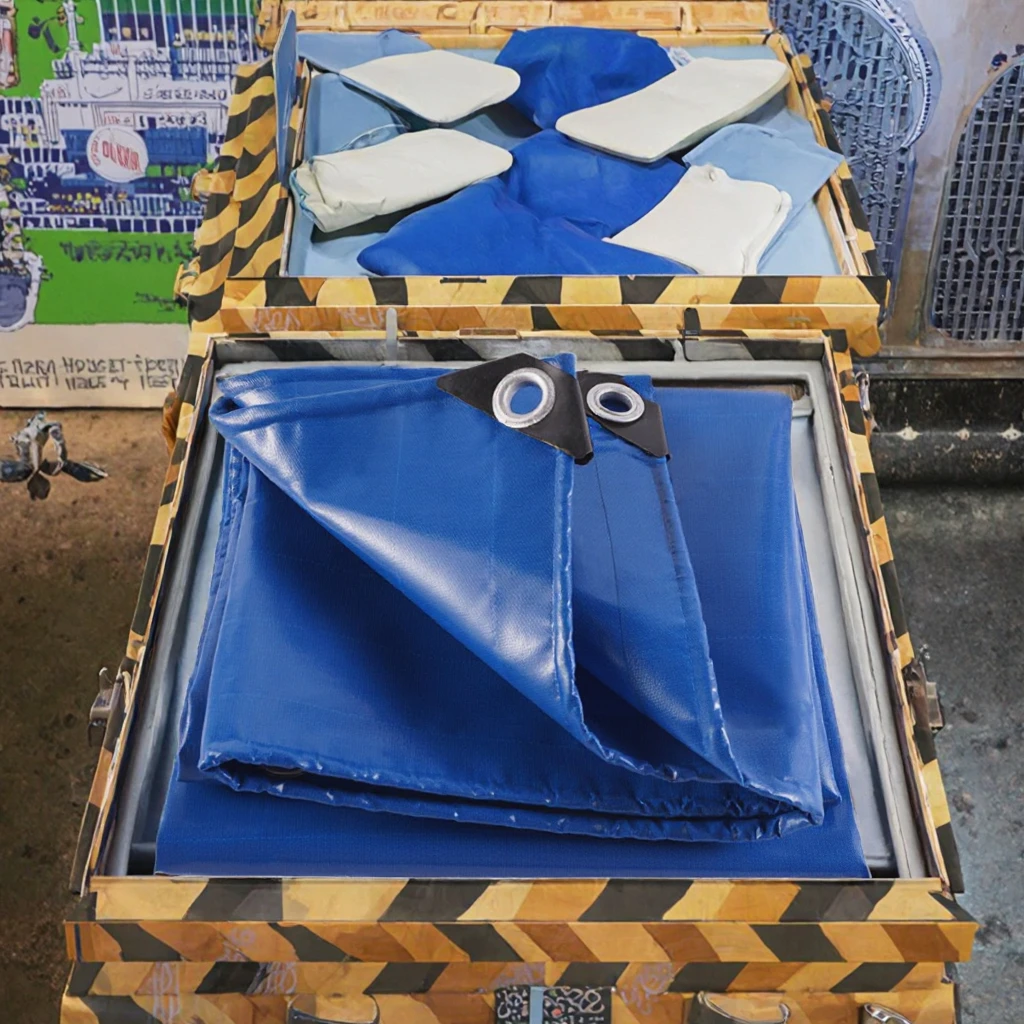
Batch Consistency Control — Every roll in your shipment is weighed, measured, and colour-checked against the material spec before it leaves the production line, ensuring the PVC coated tarpaulin roll stock you order matches what arrives at your warehouse.
Technical Specifications
| Parameter | Value |
|---|---|
| Product Type | PVC Coated Tarpaulin |
| Material | PVC + High-strength polyester mesh fabric |
| Weight (GSM) | 350gsm / 420gsm / 500gsm / 550gsm / 600gsm / 750gsm |
| Total Thickness | 0.32mm / 0.35mm / 0.4mm / 0.45mm / 0.5mm / 0.65mm |
| Roll Size | 2m × 75m / 2.1m × 50m |
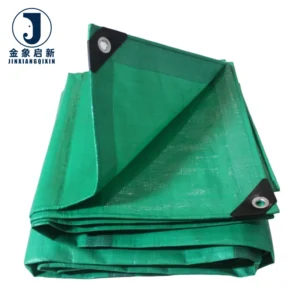
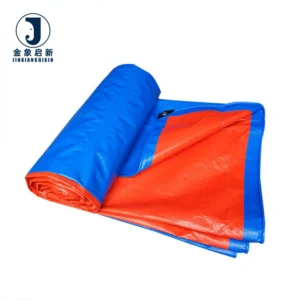
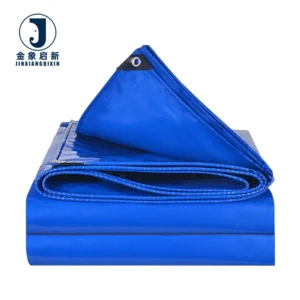
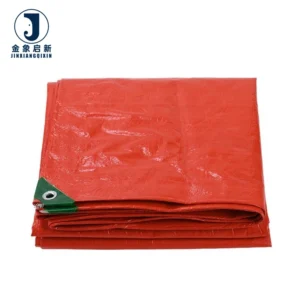
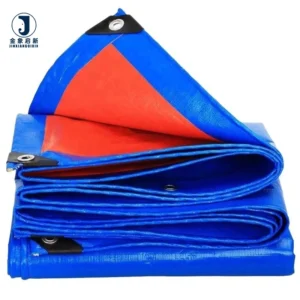
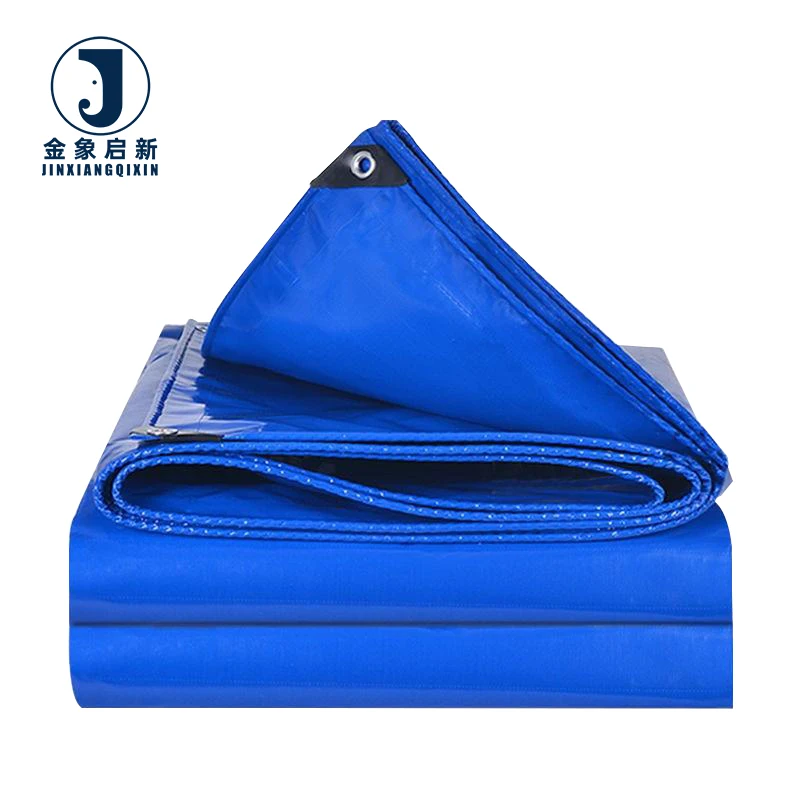
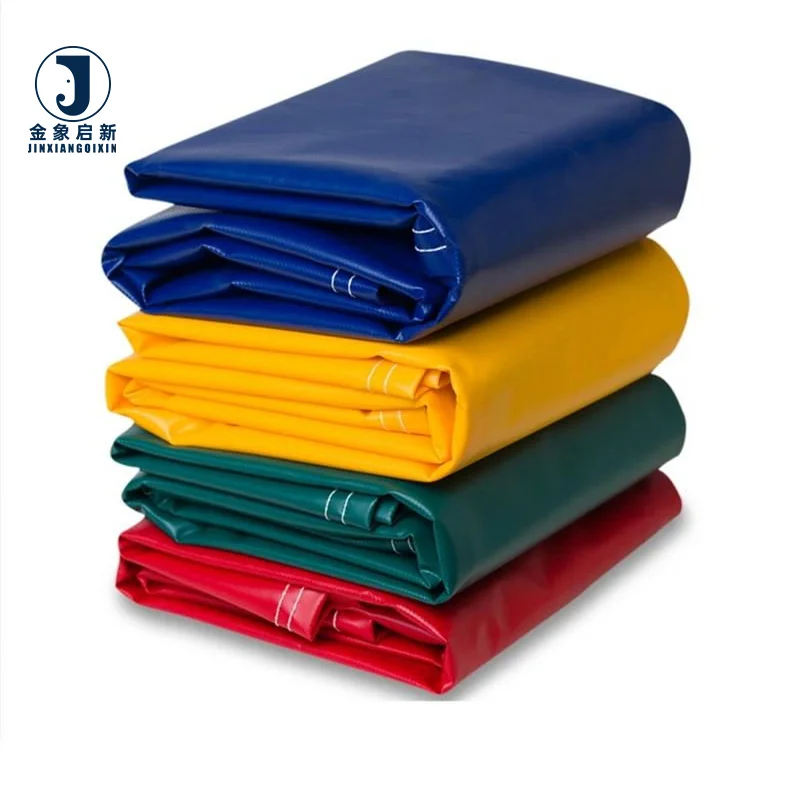
| Color Options | Blue / Red / Yellow / Light Blue / Grey (Customized) |
| Coating Method | Laminated technology & Hot-melt coating technology |
| Key Features | Waterproof, cold crack resistance, anti-mildew, anti-static treatment |
| UV Treatment | Available — test basis not stated in source, confirm required standard |
| Flame Retardant | Available in flame retardant grades — confirm the grade required for your market |
| Service Life | 3–7 years under normal circumstances |
| Standards | ISO 14001, ISO 45001, CE, RoHS |
Application Suitability
| Application | Exposure & Requirement |
|---|---|
| Tarpaulin distributor regional stock | Multiple GSM grades needed for diverse end-user demand, consistent colour across batches for resale credibility |
| Truck side curtain fabrication | Constant flexing at hinge points, road debris abrasion, UV exposure, weld seam integrity under tension |
| Tent and awning manufacturing | Roll-to-roll colour uniformity when panels are joined side by side, clean hot-air welding behaviour |
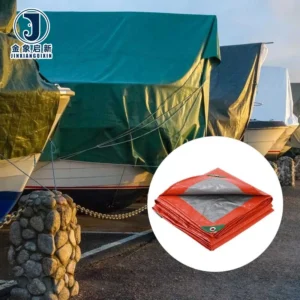
| Cargo ship and freight covers | Salt spray, heavy rain, wind-driven abrasion, tie-down point stress |
| Fish tank and pool liners | Continuous water immersion, chemical resistance to water treatment agents, puncture resistance from substrate |
Why Batch Consistency Matters More Than Quoted GSM for Roll Buyers
A roll that measures lighter than the GSM on your quotation shifts your entire margin calculation.
When buying PVC coated tarpaulin roll stock by the container, the gap between quoted weight and delivered weight is where margin disappears. Distributors and fabricators who have received rolls lighter than specified know that the shortfall compounds — every linear metre under-spec means less coverage per roll, more roll changes on the production floor, and customer complaints when the finished cover underperforms. Equally damaging is colour drift between rolls in the same order; when two rolls are unrolled side by side on a fabrication table, even a slight hue difference forces the fabricator to either reject one roll or absorb the rework cost. [NEED_CITE: coating weight verification methods per ISO 3616 for coated fabrics] These are not material science failures — they are process control failures, and they are entirely preventable with disciplined pre-shipment verification.
Stock Grades Built for Container-Load Efficiency
Standard roll widths of 2.0m and 2.1m with lengths of 75m and 50m are dimensioned to maximise container payload. For wholesale buyers loading full 20ft or 40ft containers, this means fewer wasted cubic metres and a predictable roll count per shipment. The PVC coated tarpaulin roll range spans six weight grades from 350gsm to 750gsm, allowing distributors to stock a complete product ladder — from light-duty temporary covers to heavy-duty transport fabric — from a single production source. Each grade carries a corresponding thickness from 0.32mm to 0.65mm, so spec sheets sent to your end customers remain accurate and verifiable.
Colour Matching Across the Full Shipment
Colour consistency is controlled at the coating stage, not left to chance at the packing bench. When your order calls for a specific RAL or Pantone reference, every roll in that production run is checked against the approved sample under standardised lighting before packing. This matters most for tent and awning manufacturers who join multiple panels into a single structure — a visible seam line caused by shade variation is a rejection waiting to happen. Custom colour orders are sampled and approved before the full run proceeds, giving buyers a physical reference to hold against delivery. [NEED_CITE: colour fastness and batch consistency standards for coated textiles]
Reading the Spec Sheet Beyond the GSM Number
GSM alone does not tell you how a PVC coated tarpaulin will perform in the field. The base fabric denier and weave density determine tensile and tear strength; two rolls at the same GSM can differ significantly in load-bearing capacity if one uses a heavier yarn with fewer picks and the other a lighter yarn woven tighter. The coating method further defines performance: laminated construction bonds the PVC film to the polyester mesh under heat and pressure, producing strong adhesion that holds through repeated flexing and hot-air welding. Hot-melt coating penetrates the mesh more deeply, improving peel strength and creating a more uniform surface for printing or heat-sealing. Thickness correlates with puncture resistance and stiffness, which directly affects how the fabric handles on fabrication tables and how it drapes over irregular loads. Understanding these relationships lets buyers match the correct grade to the end use rather than simply choosing the heaviest option available.
The Hidden Cost of Wrong Specification Choices
Specifying a lighter GSM to save on unit cost often surfaces as a downstream failure. Truck side curtain fabricators who chose a grade below what the flex cycle demands find that the coating cracks at fold lines within months. Tent manufacturers who accepted rolls without batch colour verification face rejection when the finished structure is erected and the panel mismatch becomes visible in daylight. Distributors who skip pre-shipment weight verification discover on arrival that the actual coverage per roll falls short of what was quoted to their customers, eroding trust and forcing credit claims. [NEED_CITE: weld seam failure analysis in coated fabric assemblies per ISO 1421] Each of these outcomes traces back to one decision at the procurement stage — and each is avoided by specifying clearly and verifying before dispatch.
What This Supply Chain Delivers for Volume Buyers
Three full production lines running dedicated PVC coating schedules mean your container order is not slotted in between unrelated product runs, which is where batch inconsistency originates. A 10-person R&D team handles custom colour development, sample cutting, and spec confirmation within days rather than weeks, shortening the approval cycle for new stock-keeping units. Every roll undergoes 100% inspection for weight, coating adhesion, and visual defects before packing — not a sampling plan, but a roll-by-roll check. Hot-melt and laminated coating technologies are both available on the same lines, so switching between coating methods for different product tiers does not require changing suppliers. Production capacity supports full container loading with standard roll dimensions optimised for freight efficiency.
Documentation & Verification
- Material specification sheet confirming GSM, base fabric construction, and coating weight per roll
- Colour reference sample matched and signed off before production begins
- Pre-shipment inspection record with actual weight measurement against quoted GSM
- Roll packing list detailing roll count, individual roll weight, and container loading plan
- Certificate of origin and customs documentation prepared per destination market requirements
- UV and flame retardant test reports provided where applicable to the specified grade
Fabrication, Handling & Storage
- Hot-air welding temperature and speed settings vary by GSM — test weld on each grade before production runs
- Laminated coating construction delivers strong peel resistance at weld seams under flex load
- Store rolls upright on pallets in shaded, ventilated areas to prevent flat-spotting and surface adhesion
- Allow rolls to acclimatise to workshop temperature before unrolling to avoid cold crack stress on the PVC surface
- Cut panels with rotary or straight-blade tools; frayed edges on the polyester mesh base indicate a blade change is due
- Anti-mildew treatment reduces biological growth during storage but does not replace proper ventilation
Before You Request a Quote
Provide your target GSM range, required roll width and length, and annual volume so we can confirm stock availability and container loading plans. If your end market requires flame retardant or UV-stabilised grades, specify the standard your customers expect so the correct grade and test report are included. Let us know whether you need rolls in standard colours or custom shade matching, and whether you require cut-to-size panels or full roll stock only.
Frequently Asked Questions
Q: How is GSM verified per roll before shipment?
A: Every roll is weighed on calibrated scales during final inspection. The actual GSM is recorded on the pre-shipment inspection report and compared against the quoted specification. Rolls that fall outside tolerance are pulled from the shipment before packing. This record travels with your documentation package.
Q: What are the standard roll sizes and container loading options?
A: Standard rolls are 2m × 75m or 2.1m × 50m, both dimensioned for efficient container loading. Roll count per container depends on the GSM grade — lighter grades yield more rolls per container. A packing list with roll count, individual weight, and total payload is provided before dispatch for your logistics planning.
Q: How is colour consistency controlled across rolls in one order?
A: Custom colours are matched to an approved sample under standardised lighting before the production run. Every roll in that run is visually checked against the reference at the packing stage. Rolls showing visible shade deviation are separated, ensuring all rolls in your shipment present a uniform appearance when joined.
Q: What is the minimum order for custom width or colour?
A: Custom widths, colours, and printed branding are available with minimums that vary by specification. Provide your required width, Pantone or RAL colour reference, and estimated volume so we can confirm the applicable minimum and lead time for your specific configuration.
Q: How are rolls packed to prevent damage during transit?
A: Each roll is wrapped in protective material and secured on pallets to prevent movement inside the container. The packing method prevents crushing, edge damage, and moisture ingress during ocean freight. Roll packing lists detail the exact arrangement so you can plan unloading and warehouse placement on arrival.