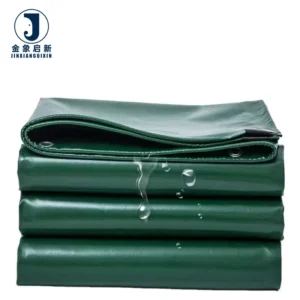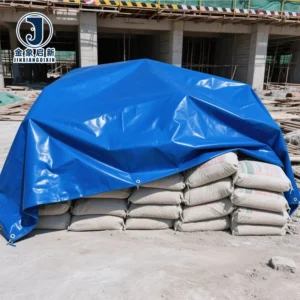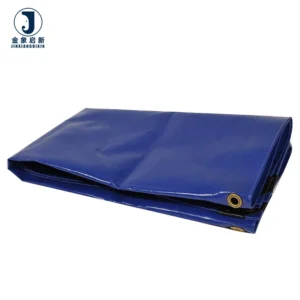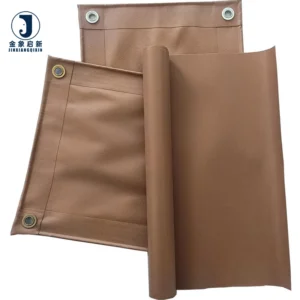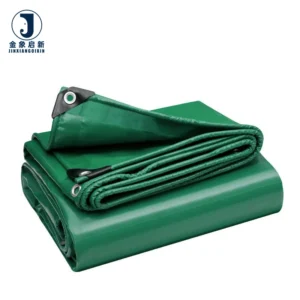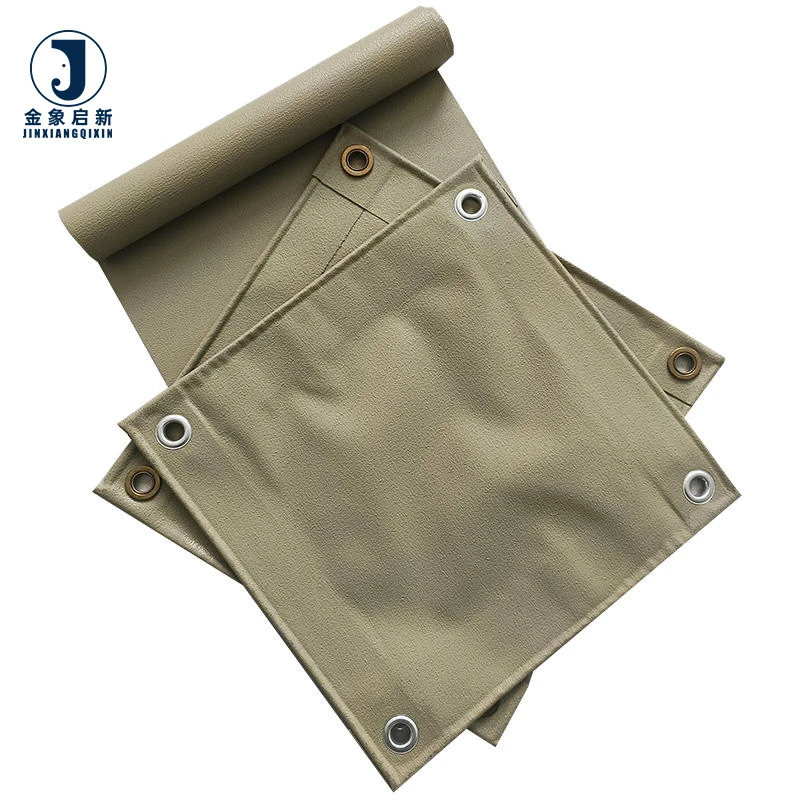
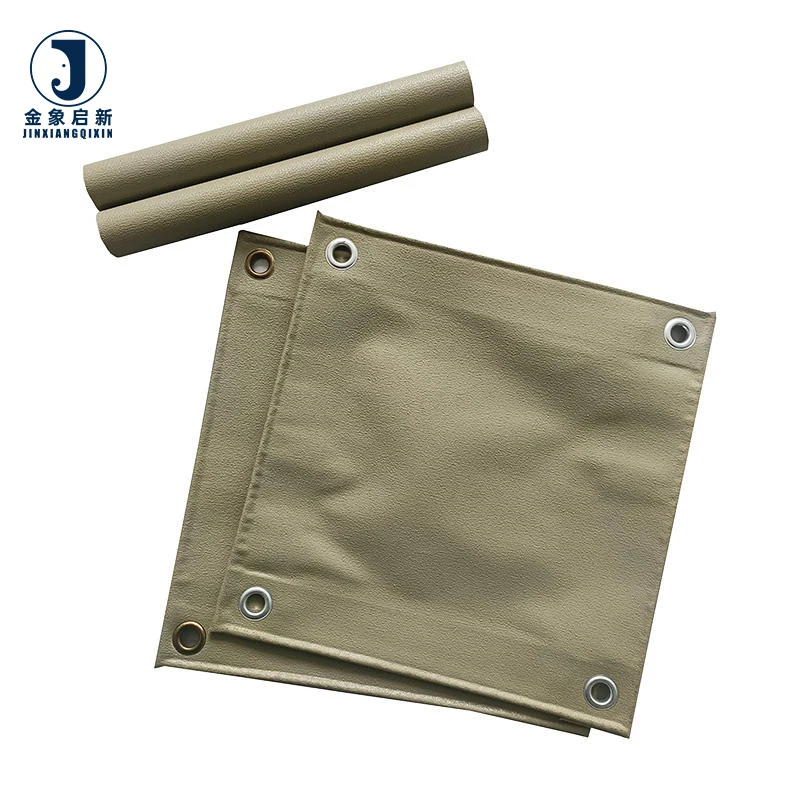
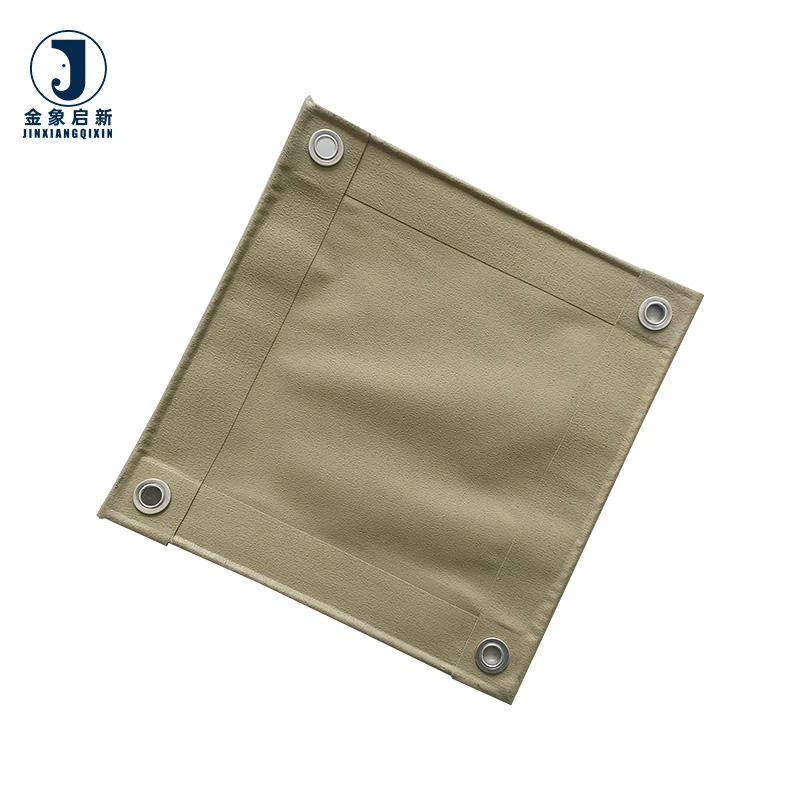
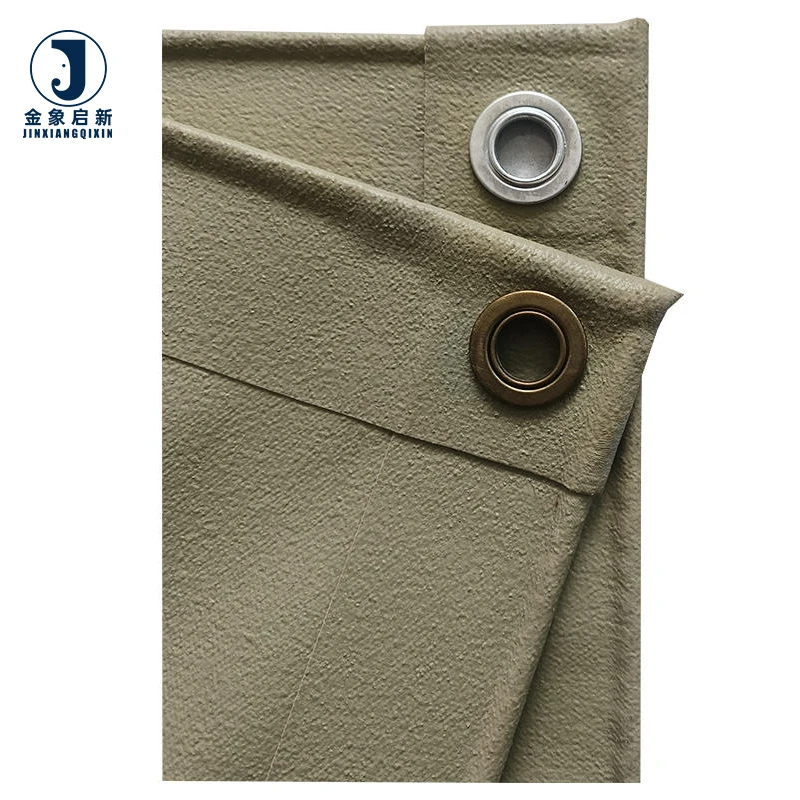
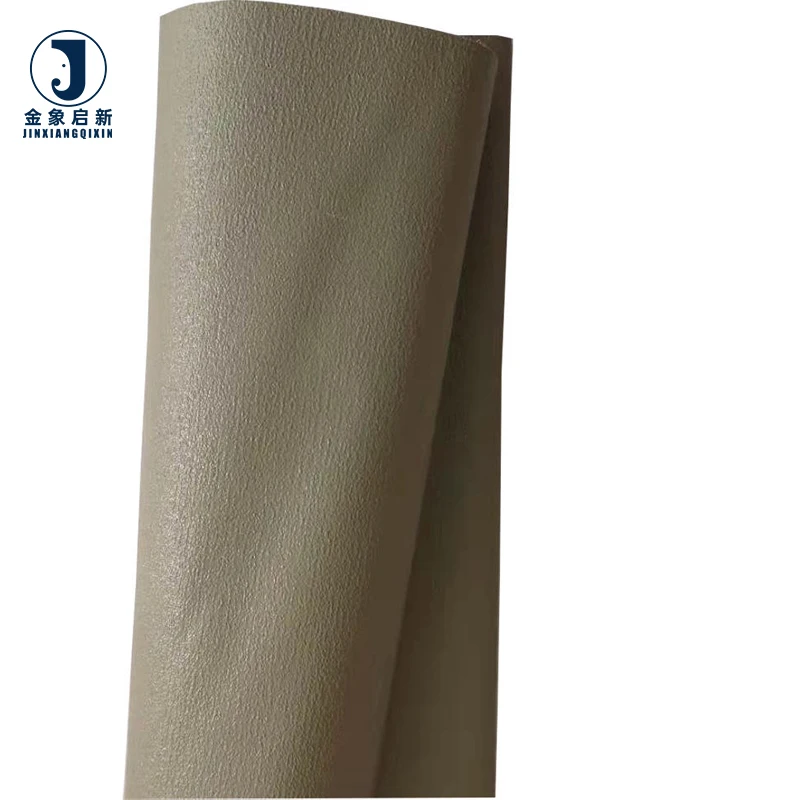
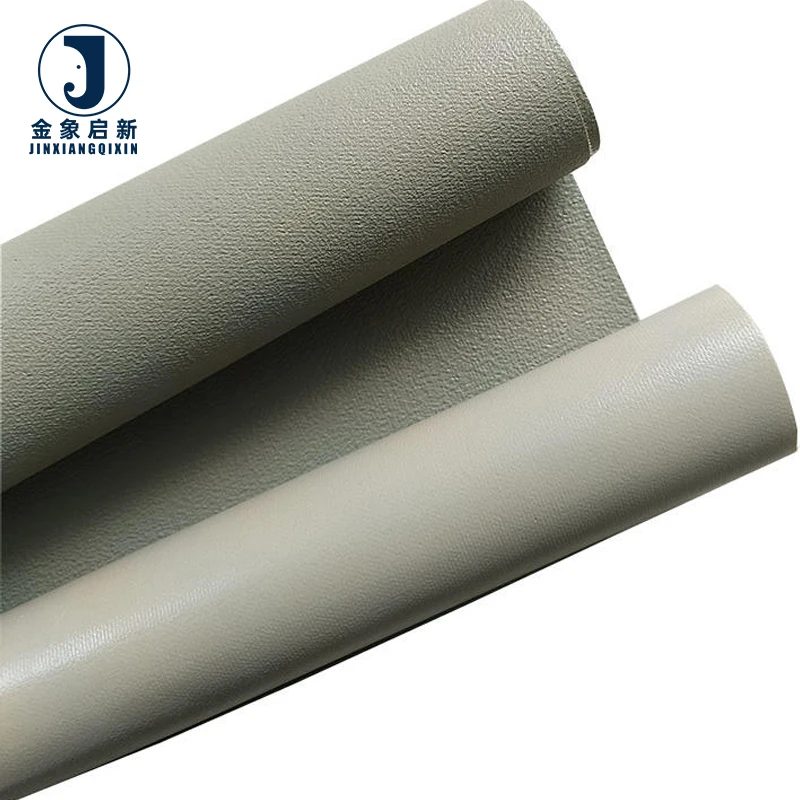
Description
Roll-Stock Supply Precision — Every roll of PVC coated fabric is weighed and inspected before dispatch, with pre-shipment records documenting actual coating weight against the quoted GSM for full batch traceability.
Technical Specifications
| Parameter | Value |
|---|---|
| Product Type | PVC Coated Tarpaulin Fabric |
| Base Fabric Denier | 1000×1000 |
| Weight (GSM) | at least 450 grams |
| Coating Method | Knife Coated |
| Coating Material | PVC |
| Waterproof Rating | Fully waterproof coated construction |
| UV Treatment | Anti-UV (test basis not stated in source) |
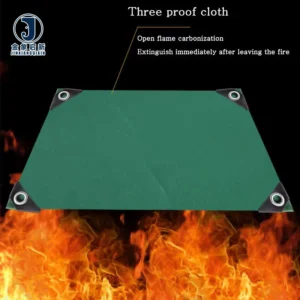
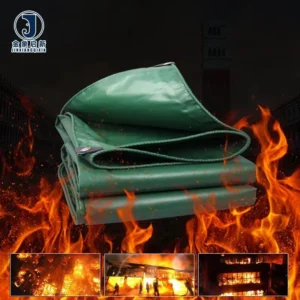
| Flame Retardant Grade | Available in flame retardant grades — confirm the grade required for your market |
| Tear Resistance | Tear-resistant (test standard not stated in source) |
| Oil Resistance | Oilproof |
| Customization | Custom size tarpaulin roll |
Application Suitability
| Application | Exposure & Requirement |
|---|---|
| Truck cover and side curtain | Constant flexing at load points, road debris abrasion, sustained weather exposure |
| Outdoor tent and awning fabric | UV exposure, rain contact, wind load on tensioned panels |
| Industrial equipment protection | Oil splash, dust ingress, mechanical contact during storage and transit |
| Car and vehicle cover | Abrasion from repeated fitting and removal, outdoor weathering |
| Banner and signage printing | Ink adhesion to PVC surface, flat lay for large-format print runs |
Why Roll-to-Roll GSM Consistency Matters for PVC Coated Fabric Buyers
GSM on the quotation means nothing unless it matches what arrives on the dock.
Buyers of PVC coated tarpaulin fabric in bulk regularly face a gap between the weight stated at order and the weight measured after delivery. A roll specified at a given GSM may arrive lighter because coating thickness was reduced to cut production cost. Across a container load, this discrepancy compounds — the fabric handles differently, welds at different temperatures, and tears sooner under load. When multiple rolls are fabricated side by side, even slight GSM variation becomes visible in the finished installation. [NEED_CITE: coating weight verification methods for PVC tarpaulin per ISO 1421]
Sourcing PVC Coated Fabric by the Roll at Wholesale Volume
Wholesale buyers stocking regional inventory need predictable material from one shipment to the next. This PVC coated fabric is supplied with a 1000×1000 base fabric denier, providing dimensional stability across wide-format rolls during unwinding and fabrication. Knife coated construction delivers uniform PVC adhesion to the woven base, reducing the risk of delamination when the fabric is heat-welded or folded repeatedly.
Batch Consistency Across Container-Load Orders
Colour variation between rolls in the same order is a recurring complaint from distributors and fabricators. The production process controls coating weight and pigment loading at every stage, so rolls within a single batch maintain consistent shade and surface finish. This matters when two or three rolls are cut and joined for a single truck curtain or tent panel — any colour shift between adjacent panels is immediately visible once installed. Pre-shipment inspection records document measured GSM and visual check results for every roll before the container is sealed. [NEED_CITE: colour consistency standards for coated fabric batches]
How Base Denier, Coating Weight, and Knife Coating Work Together
The 1000×1000 denier base fabric provides a dense woven grid that resists tear propagation in both warp and weft directions. Coating weight — specified here at a minimum of 450 grams — fills the weave interstices and builds the surface layer that contacts weather, abrasion, and chemicals. Knife coating forces PVC paste into the base fabric under controlled blade pressure, producing a smooth surface suitable for banner printing while anchoring the coating firmly to the yarns. A lighter GSM with the same base denier means less coating thickness, which affects waterproofing at the surface and weld strength at the seam. Conversely, the 1000×1000 weave ensures that even at the lighter weight option, the structural integrity of the base fabric remains intact. Surface finish and treatment options should be confirmed at inquiry stage to match the end-use environment.
The Hidden Cost of Overlooking Specification Mismatch
When rolls arrive with lower GSM than agreed, fabricators find the material tears more easily during welding and the finished cover fails earlier in service. Flame retardant grades specified without a test report may not satisfy local fire codes, leaving the buyer exposed at inspection. Colour drift between rolls forces a fabricator to reject panels or accept a visibly mismatched installation. Welds made on underweight fabric tend to fail before the body of the material does, because the thinner coating cannot sustain the heat and pressure of the weld bar without compromising the base yarns. These failures rarely show up in small samples — they appear only after full production runs and weeks of field use. [NEED_CITE: common failure modes in PVC coated tarpaulin at seam and flex points]
Why Distributors and Fabricators Source Roll Stock Here
Three full production lines with dedicated equipment support large-volume roll orders with reliable scheduling. A ten-person R&D team handles custom width and length requests, developing samples within days rather than weeks. QA/QC runs at every production stage, with full inspection of each roll before packing — not a sampling of a batch. The 1000×1000 base fabric is held in stock, reducing lead times on repeat orders. Coating weight is monitored continuously during the knife coating process, so GSM stays within the specified range from first roll to last in a production run.
Documentation & Verification
- Material specification sheet confirming GSM, 1000×1000 base denier, and PVC knife coating method
- Pre-shipment inspection record with actual measured weight per roll
- UV and flame retardant test reports where applicable to the grade ordered
- Roll packing list detailing roll count, net weight, and container loading plan
- Certificate of origin and export documentation for customs clearance
Fabrication, Handling & Storage
- Heat-weld at temperatures matched to the 450 GSM coating thickness to avoid burn-through
- Store rolls upright on cores to prevent flat-spot creasing on the knife coated surface
- Allow cold-stored rolls to reach ambient temperature before unrolling to prevent coating crack
- Use oil-resistant properties when fabricating covers for machinery exposed to hydraulic fluid
- Cut with rotary or hot knife to seal edges and prevent fraying of the 1000×1000 base weave
- Clean printed banners with mild solvent — test on scrap to confirm surface compatibility
What to Include in Your Roll Stock Inquiry
Provide the end-use application and exposure conditions — outdoor weathering, industrial contact, or print media — so the correct treatment package is recommended. State your required roll width and length, along with estimated annual volume, to receive accurate bulk scheduling. If your market requires a specific flame retardant or anti-static grade, name the standard so the correct certification is prepared before production begins.
Frequently Asked Questions
Q: How is GSM verified per roll before shipment and what documentation is provided?
A: Each roll is weighed and measured during pre-shipment inspection. The actual coating weight is recorded against the quoted GSM value, and these results are included in the inspection report shipped with the order. This ensures the PVC coated fabric you receive matches the specification agreed at order confirmation.
Q: What custom widths and roll lengths are available and what are the minimums?
A: Rolls can be produced in custom widths and lengths to suit your fabrication equipment and cutting layout. The 1000×1000 base fabric supports a range of standard and non-standard widths. Minimum order quantities vary by specification — confirm your required dimensions and volume for a precise quotation.
Q: How is colour and coating consistency maintained across rolls in a bulk order?
A: Coating weight and pigment loading are controlled at every production stage. All rolls in a single order are produced from the same coating batch to maintain uniform shade and surface finish. Pre-shipment inspection includes visual checks for colour consistency before the container is loaded.
Q: What is the difference between the available weight grades and which suits my application?
A: The lighter grade is typically used for banner and signage printing where a smooth surface and manageable roll weight are priorities. The heavier grade suits truck covers and industrial protection where tear resistance and durability under mechanical stress are required. Confirm your end use so the appropriate grade is recommended.
Q: How are rolls packed and loaded for container shipping to prevent transit damage?
A: Each roll is wound on a core, wrapped for moisture protection, and packed according to a container loading plan that accounts for roll diameter and weight distribution. The packing list documents roll count and placement so you can verify the shipment against your order on arrival.