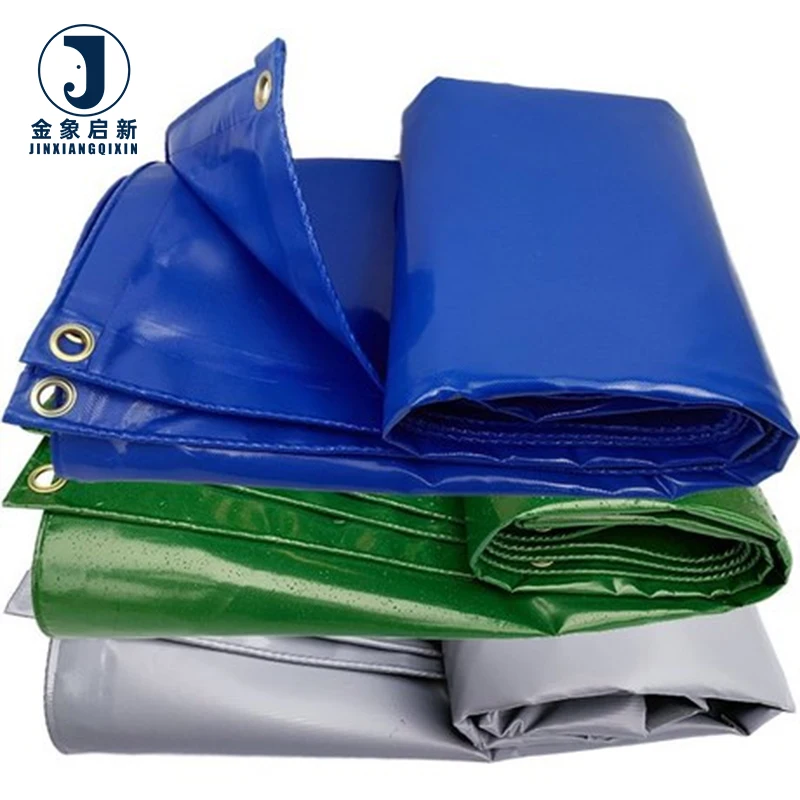
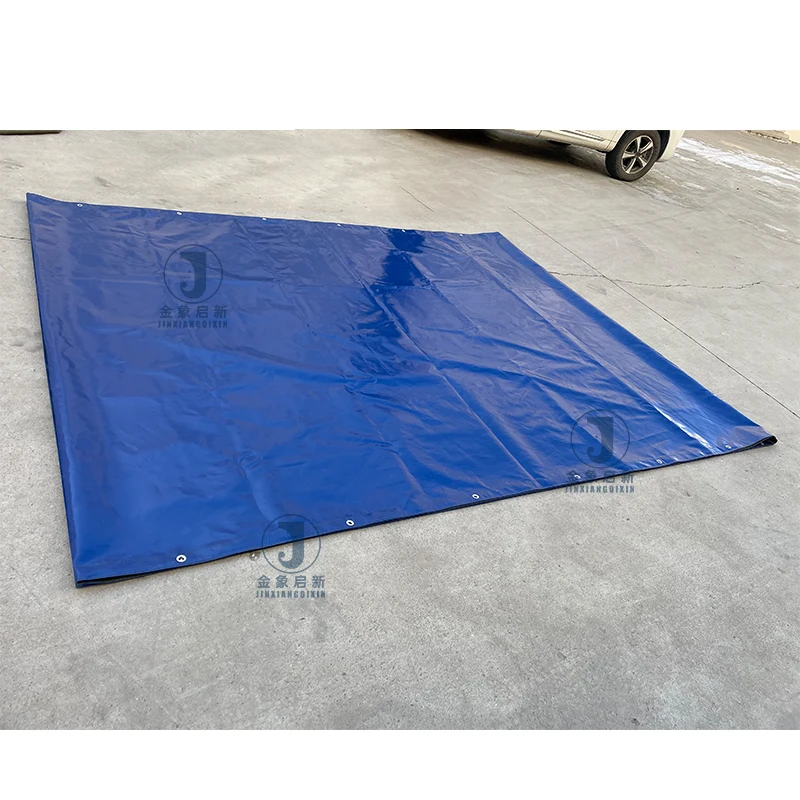
Description
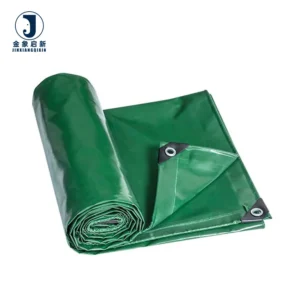
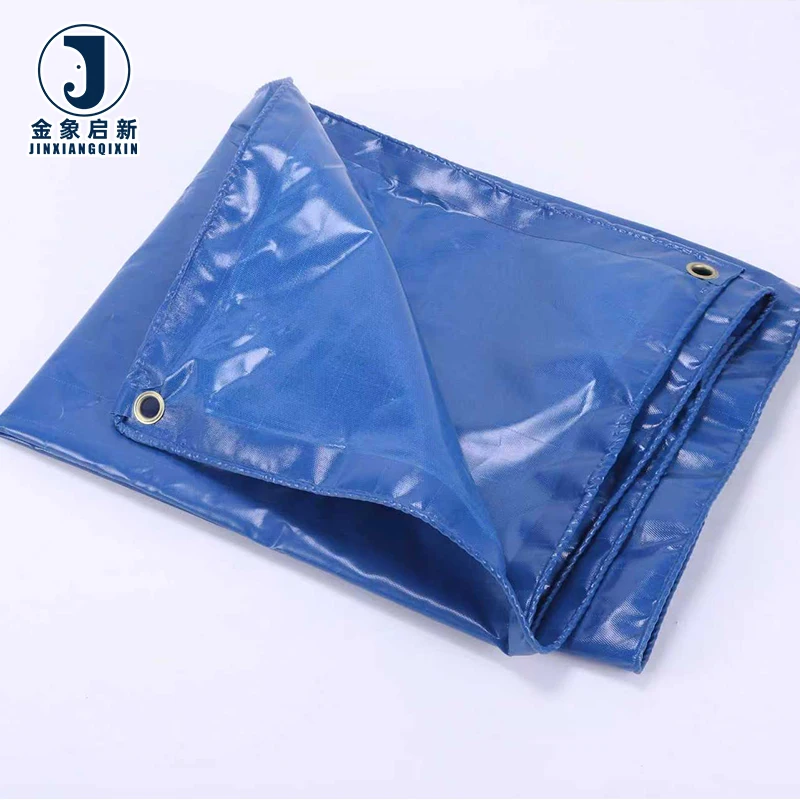
Proven Coating Weight Control — Every PVC coated tarpaulin roll leaves our line with a documented inspection record confirming the actual GSM matches the quotation, eliminating weight discrepancies at receipt.
Technical Specifications
| Parameter | Value |
|---|---|
| Product Type | PVC Coated Fabric |
| Base Fabric Denier | 500D × 500D Polyester |
| Coating Material | PVC (Double-Sided) |
| Thickness Range | 450–900 g/m² |
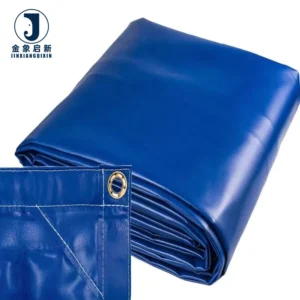
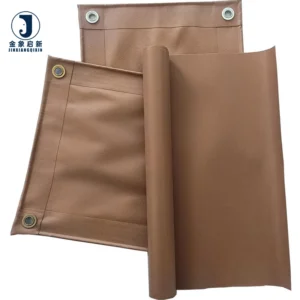
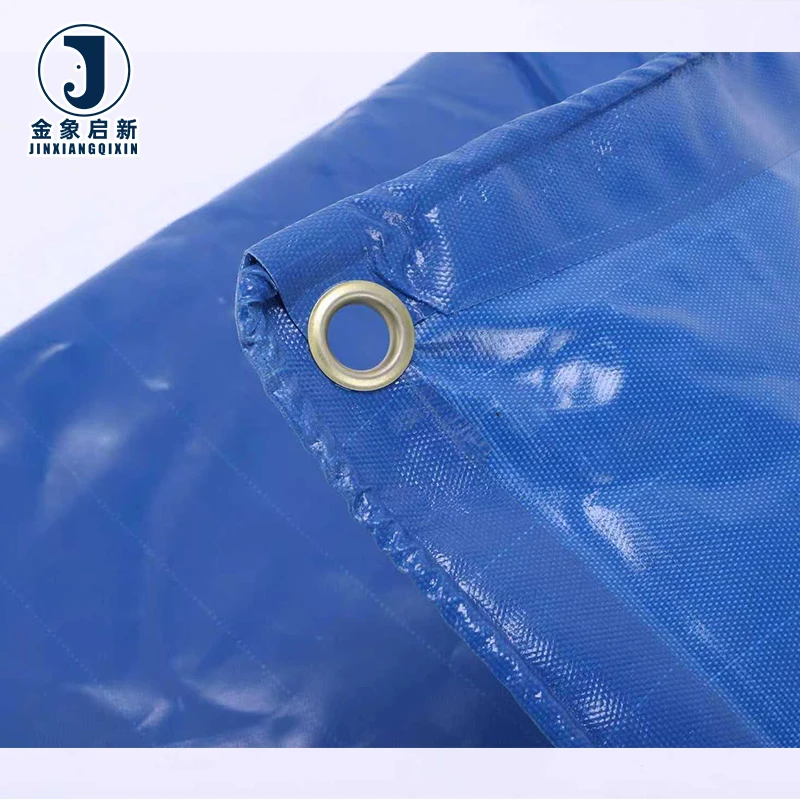
| Surface Texture | Smooth, Leather-Like Finish |
| Flame Retardancy | Flame-retardant grades available — confirm the grade required for your market |
| UV Treatment | Anti-UV options available — test basis to be confirmed per order |
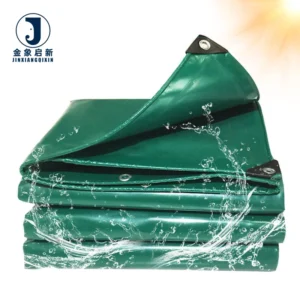
| Water Resistance | Fully Waterproof Construction |
| Repairability | Hot Air Weldable |
| Certifications | ISO, CE |
Application Suitability
| Application | Exposure & Requirement |
|---|---|
| Truck & Trailer Covers | Road abrasion, constant flexing, weather exposure, tie-down stress |
| Awning & Tent Fabric | UV exposure, wind load, repeated folding and deployment |
| Machinery & Equipment Covers | Outdoor storage, dust and moisture ingress, puncture risk |
| Outdoor Timber Protection | Prolonged moisture contact, ground-level humidity, stack weight |
Why Batch Consistency Matters More Than Quoted GSM for Wholesale Buyers
A roll that weighs what the label says is only useful if the next roll in the container matches it.
Tarpaulin distributors and importers regularly face a familiar problem: the first roll off the container floor feels lighter than expected, or the colour shifts noticeably between rolls destined for the same end customer. When you are selling PVC coated tarpaulin roll stock to fabricators who cut and weld multiple panels into a single truck cover, even a slight shade variation between rolls becomes visible once installed side by side. Coating weight drift within a batch also affects weld temperature settings — a fabricator dialled in for one GSM may find seams peeling on the next roll without understanding why [NEED_CITE: tensile and tear test methods for coated fabrics per ISO 1421]. We address this by running in-process QA checks at every coating stage and completing a full pre-shipment inspection on every roll before it enters the container.
Roll Width and Length Options Built for Container Loading
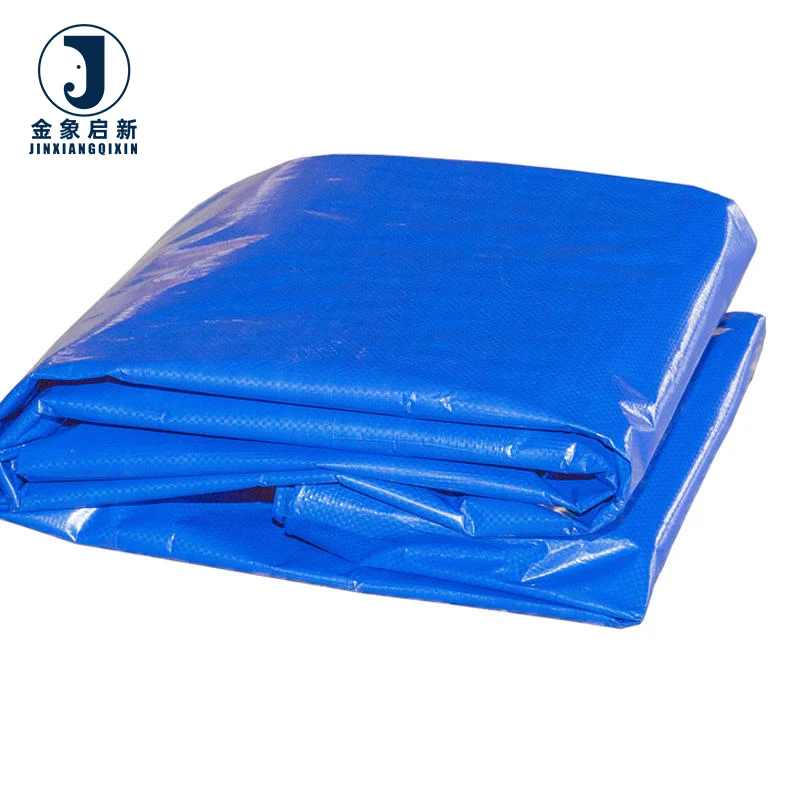
Standard and custom widths are available to suit your fabrication line or your downstream customer’s cutting table. When you are loading a container with wholesale PVC tarpaulin rolls, every centimetre of floor space counts. We offer roll and bale packing configurations optimised for container weight and volume, so you can plan your shipment with confidence. Roll lengths can be adjusted to reduce off-cuts at the fabricator’s end, improving yield and reducing waste on the cutting floor.
Colour Matching Across the Full Purchase Order
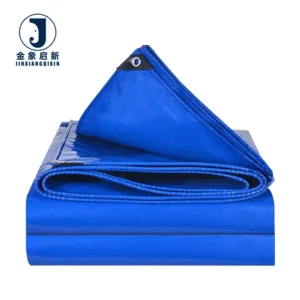
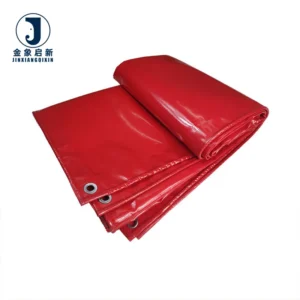
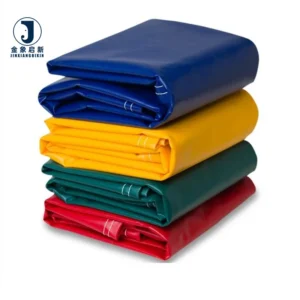
Batch-to-batch colour consistency is controlled through pigment dosing calibration at the coating stage. Each production run references a master colour standard, and rolls within a single order are pulled from the same coating batch wherever volume allows. If your order spans multiple batches, we flag this before production and provide a physical sample from each batch for your approval. This level of control is essential when your customer expects a uniform appearance across a fleet of trailers or a row of warehouse awnings.
How Base Fabric and Coating Weight Work Together
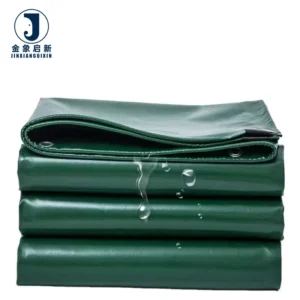
The 500D × 500D polyester base fabric provides the structural skeleton — tensile strength and tear resistance are governed by yarn count and weave density, not by coating thickness alone. A heavier PVC coating improves waterproofing and abrasion resistance but does not compensate for a loosely woven base. The double-sided coating method used here ensures the PVC penetrates and encapsulates the yarn intersections, improving adhesion and preventing delamination under flex stress [NEED_CITE: coating adhesion and peel strength test standards for PVC polyester laminates]. The leather-like surface texture is a by-product of the coating process and provides a smooth finish that resists dirt accumulation and is straightforward to clean in the field. For fabricators, the PVC composition also means the material responds predictably to hot air welding at standard temperature settings.
The Hidden Cost of Specifying on GSM Alone
When a purchasing decision is made solely on quoted GSM, the fabric’s real-world performance often disappoints. Two rolls both labelled at the same weight can have very different tear strengths if one uses a thinner base fabric with more coating to reach the target. Fabricators who weld seams based on assumed coating thickness may find the weld line fails before the fabric body does, particularly at the flex points on a truck side curtain where the load shifts during transit. Similarly, if flame-retardant treatment was specified verbally but no grade was confirmed with a test report, the finished cover may fail a site safety audit — leaving the distributor to explain the gap to the end user [NEED_CITE: DIN 4102 fire classification for building materials]. These are not material defects; they are specification gaps that are entirely preventable with proper documentation before the order is placed.
What You Get When You Source Roll Stock Through Us
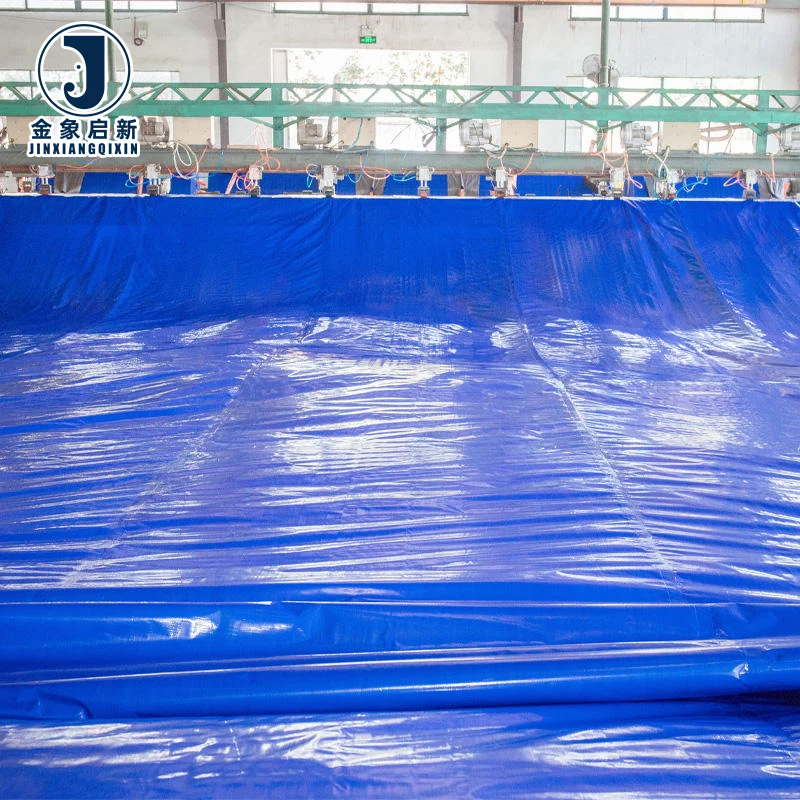
Our three full production lines and 36 sets of professional equipment support container-volume output without sacrificing the coating weight control that wholesale buyers depend on. A dedicated 10-person R&D team handles custom width, colour, and treatment requests, developing samples within days rather than weeks so you can confirm suitability before committing to bulk. Every roll undergoes in-process QA during coating and a final 100% inspection before packing — we do not rely on spot checks. Our facility holds ISO and CE certification, and we provide full customs documentation including certificate of origin to support your import process. For distributors managing recurring orders, we maintain production records that allow us to replicate your previous specification exactly on reorder.
Documentation & Verification
- Material specification sheet listing GSM, base fabric denier, and coating type for every roll shipped
- Pre-shipment inspection record confirming actual coating weight against the quoted value before dispatch
- UV and flame-retardant test reports supplied with the goods when applicable grades are specified
- Roll packing list with net weight and roll count to support container loading and receiving checks
- Certificate of origin and customs documentation prepared for your destination market
Fabrication, Handling & Storage
- Hot air weld at temperatures matched to the specific GSM — test a short section before running full seams on 450–900 g/m² material
- Store rolls horizontally on a flat surface to prevent permanent creasing in the PVC coating layer
- Allow rolls to acclimatise to ambient temperature before unrolling in cold conditions to avoid surface cracking
- Use mild detergent for cleaning — avoid solvent-based cleaners that can degrade the double-sided PVC coating
- Plan cutting layouts to maximise yield from the roll width and minimise off-cuts on the fabrication floor
- Repair field damage by hot air welding a patch of matching PVC coated fabric over the affected area
How to Structure Your Enquiry for a Fast, Accurate Quote
To help us recommend the correct GSM grade and treatment for your market, please specify the end-use application and the environmental conditions the fabric will face — including any flame-retardant or fire-code requirements that apply in your destination country. Let us know the roll widths and lengths that suit your cutting line, along with your annual volume so we can structure pricing tiers accordingly. If colour consistency across multiple rolls is critical for your customer, tell us whether you need all rolls from a single coating batch.
Frequently Asked Questions
Q: How is GSM verified before shipment and how should I recheck on arrival?
A: Every roll is weighed and measured during our pre-shipment inspection, and the actual GSM is recorded on the inspection document that ships with your order. On arrival, we recommend cutting a measured sample from the first roll and weighing it on a calibrated scale to cross-check against the supplied record. Any discrepancy should be reported immediately with photos so we can investigate against our production batch data.
Q: What roll widths and lengths are available, and can I mix grades in one container?
A: Rolls are available in standard and custom widths to suit your fabrication equipment or downstream customer requirements. You can combine different GSM grades and colours within a single container order, provided each variant meets the applicable minimum. We provide a detailed roll packing list showing the position and specification of every roll for easy warehouse sorting on arrival.
Q: How do you control colour consistency across rolls in the same order?
A: Colour is controlled through calibrated pigment dosing at the coating stage, with all rolls in an order pulled from the same batch wherever possible. If order volume requires multiple coating runs, we notify you before production and supply physical samples from each batch for side-by-side approval. This prevents shade variation from reaching your customer’s finished product.
Q: What flame retardant and anti-UV grades are available, and which test reports ship with the goods?
A: Flame-retardant and anti-UV treatments are available as options — the specific grade should be confirmed based on your destination market’s regulatory requirements. When a treatment grade is specified and produced, the corresponding test report is included with the shipping documentation. We recommend stating the exact standard or grade needed in your enquiry so we can match it during sample development.