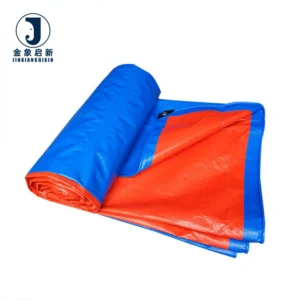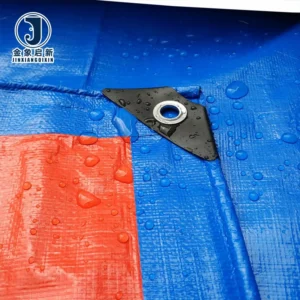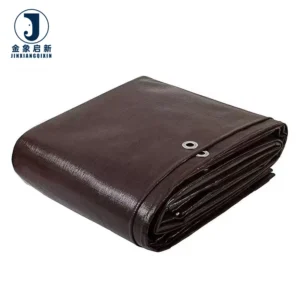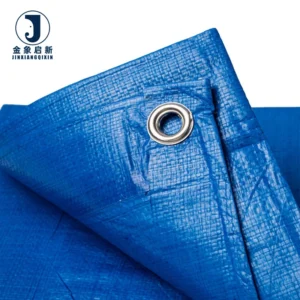
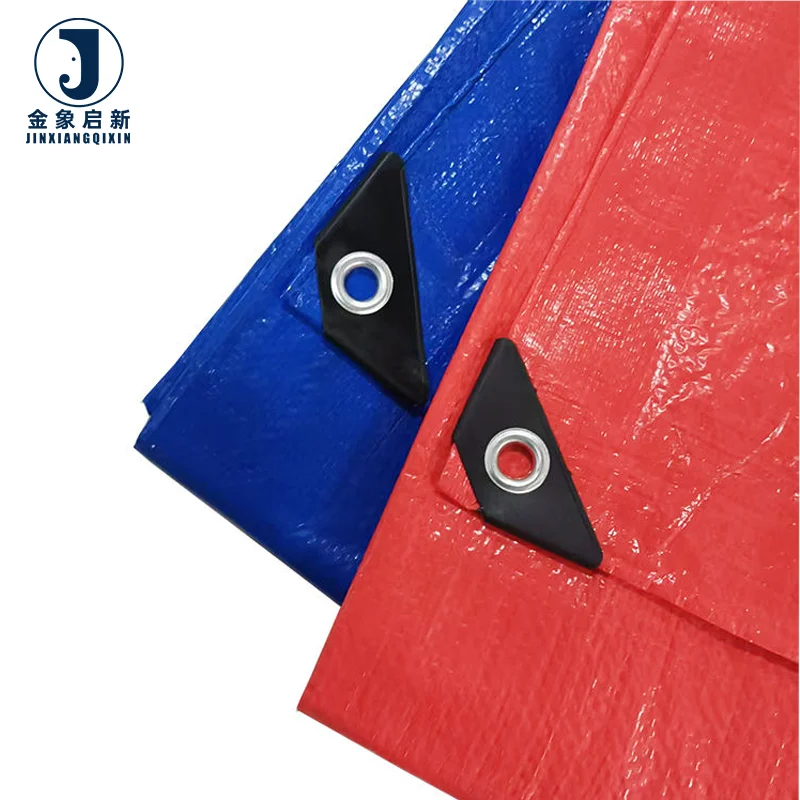
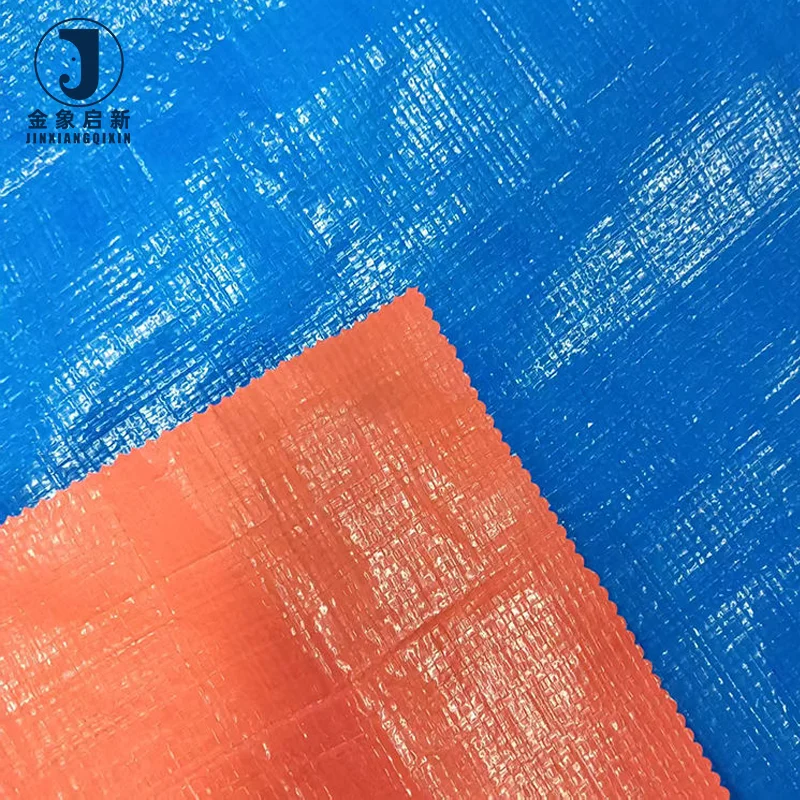
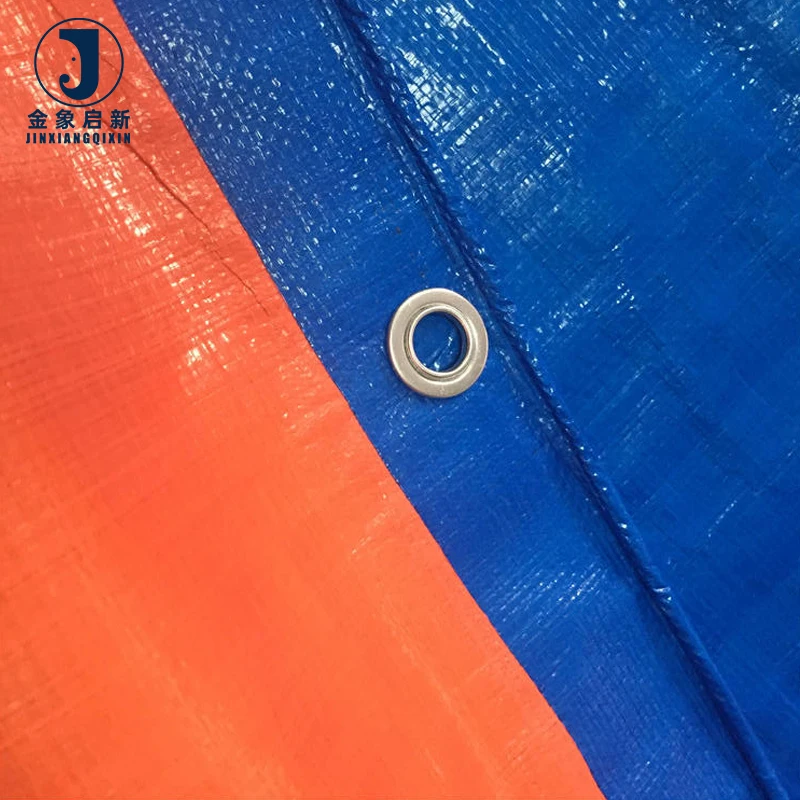
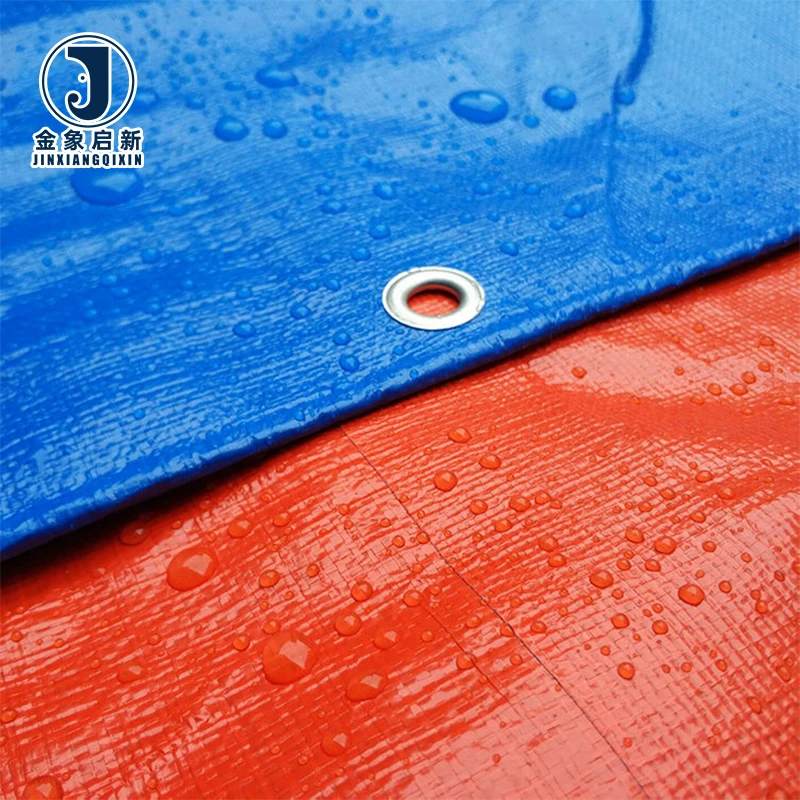
Description
Roll-to-Roll Consistency — every PE tarpaulin roll inspected for GSM and color match before container loading, eliminating batch variation across your shipment.
Technical Specifications
| Parameter | Value |
|---|---|
| Product Type | PE Tarpaulin |
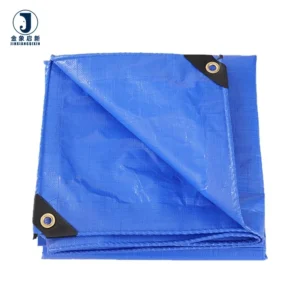
| Coating Material | PE woven fabric |
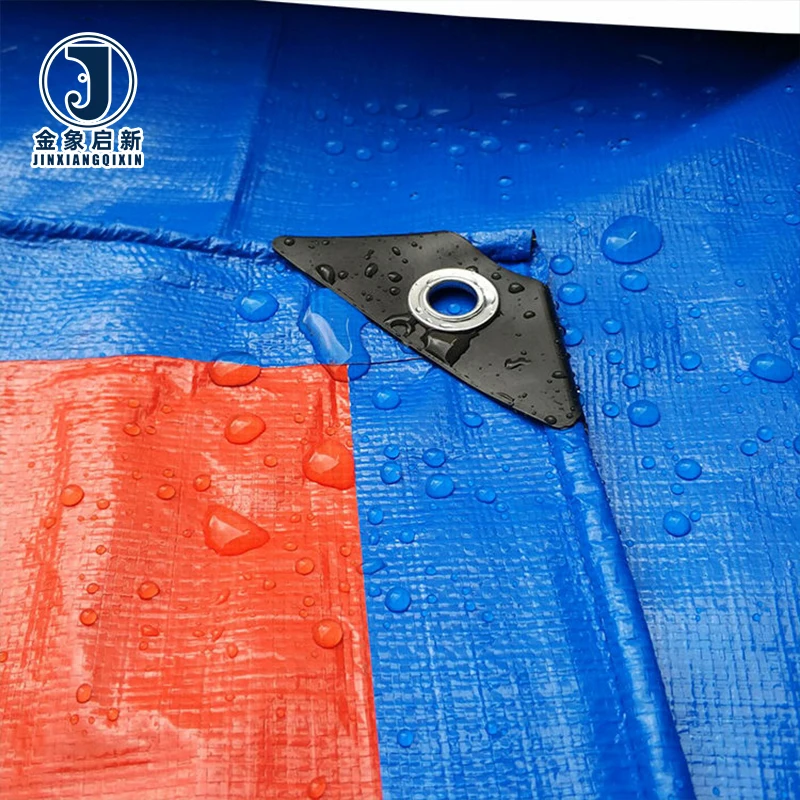
| Waterproof Rating | Waterproof (source value — verify against manufacturer catalog) |
| UV Treatment | UV resistant (test basis not stated in source) |
| Anti-Mildew | Mildew-proof (source value — verify against manufacturer catalog) |
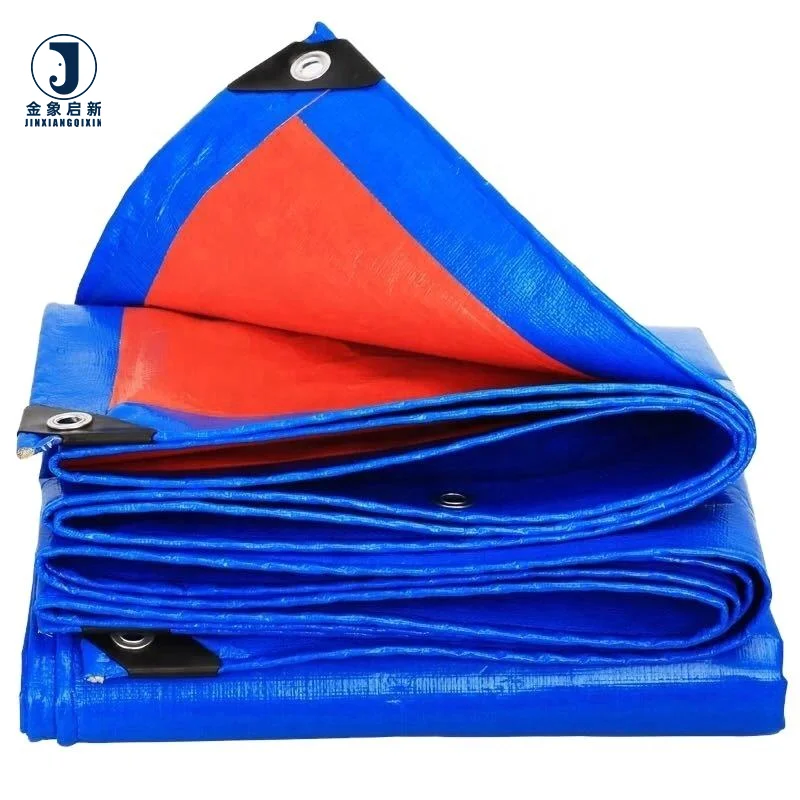
| Construction | Heavyweight |
| Color | Customizable |
| Size | Customizable |
| Finish | Plain style |
Application Suitability
| Application | Exposure & Requirement |
|---|---|
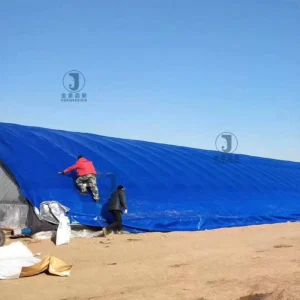
| Outdoor tent coverings | Prolonged sun exposure, rain contact, repeated setup and teardown flexing |
| Car and vehicle protection | UV degradation risk, dust and moisture ingress, abrasion from wind-driven movement |
| Outdoor event covers | Large-span unsupported draping, sudden weather shifts, crowd-adjacent handling wear |
| Tarpaulin distributor stock | Container-load volume purchasing, consistent roll quality across inventory batches |
| Tent and awning manufacturing | Bulk fabric-by-the-roll procurement, cut-and-sew downstream processing compatibility |
Why Batch Consistency Matters More Than Quoted GSM for PE Tarpaulin Roll Buyers
A quoted weight means nothing if half the rolls in your container arrive lighter or shift in shade.
When importing PE Tarpaulin roll stock at container scale, the gap between what the proforma invoice states and what the receiving warehouse actually measures creates downstream losses that compound quickly. Distributors who sell onward face customer complaints when adjacent panels on a single installation show visible color drift. Fabricators cutting tent panels from mismatched rolls absorb waste from sections that fail incoming inspection. The problem is rarely fraud — it is usually inadequate in-process control at the coating and winding stages [NEED_CITE: common causes of roll-to-roll variation in woven PE tarpaulin production].
Color and Weight Uniformity Across a Full Container Load
Roll-to-roll consistency is the metric that separates a reliable PE Tarpaulin wholesale supply relationship from a series of one-off purchases. When a single 20-foot or 40-foot container holds dozens of rolls destined for the same end-use project, even minor deviations in coating weight or pigment dispersion become visible once the fabric is unrolled and installed side by side. Our QA process checks GSM at defined intervals across every production run, and color readings are taken against the approved reference before winding [NEED_CITE: standard practice for inline GSM sampling in coated fabric mills]. This means the rolls you receive match the sample you approved, not a different batch from a different week.
Downstream Fabrication Depends on Predictable Material Behaviour
Tent makers and awning fabricators who buy PE tarpaulin by the roll need every roll to behave identically on the cutting table and under the heat welder. A roll that is marginally lighter than its neighbor may weld at a different temperature threshold, producing inconsistent seam strength across a single production run. A roll with slightly different pigment loading may absorb heat differently during welding, leading to visible discoloration along the seam line. This is why batch consistency is not a cosmetic concern — it is a fabrication yield issue that directly affects your output quality and rejection rates.
Reading the Specs: What Heavyweight PE Woven Construction Actually Delivers
The heavyweight designation in PE woven tarpaulin refers to the combined mass of the base fabric and the laminated PE coating layers. This total GSM figure determines how the material handles under tension — a heavier woven base provides greater resistance to tearing propagation, which matters when a cut edge or puncture point is subjected to wind load on a tent roof or a draped cover. The plain weave structure of the base fabric creates a regular grid that distributes stress evenly across warp and weft yarns, reducing the chance of localized failure. The PE lamination on both faces provides the waterproof barrier and the surface that accepts printing or branding in downstream converting. UV resistant treatment, where specified, slows the photo-degradation of the PE polymer chains that causes embrittlement over time. Mildew-proof treatment is relevant for applications where the fabric remains in contact with damp ground or is stored folded while still moist — the treatment inhibits fungal growth that would otherwise stain and weaken the base fabric fibers [NEED_CITE: mechanisms of anti-mildew treatment in woven PE fabrics].
The Hidden Cost of Ignoring Roll-Level Inspection Data
When incoming PE tarpaulin rolls are accepted without per-roll GSM verification, the financial exposure surfaces later in the supply chain. A distributor who ships lighter-than-specified rolls to a construction contractor may face a rejection claim when the material tears during installation on scaffolding. A tent rental company that fabricates from inconsistent rolls discovers mid-season that replacement panels do not match the color of the existing inventory, forcing a full replacement rather than a patch. These are not warranty claims against the manufacturer — they are absorption costs that the buyer carries because the incoming material was not verified at the point of receipt. The cost of a single rejected container load dwarfs the inspection effort that would have caught the deviation at the mill [NEED_CITE: financial impact of incoming material quality failures in industrial fabric distribution].
What This Supply Relationship Brings to Volume Buyers
Three full production lines and 36 sets of professional equipment support container-scale PE tarpaulin orders without splitting your shipment across multiple production windows, which is where batch variation typically enters. A 10-person R&D team handles custom width and color development, producing samples within days so you can approve before bulk coating begins. Dedicated QA/QC at every production stage — from yarn selection through coating, winding, and packing — means that the pre-shipment inspection record reflects actual measured data, not a checklist ticked at the loading dock. The material specification sheet accompanying your order states the exact base fabric, coating composition, and treatment applied to your batch, giving your own warehouse a documented baseline for incoming checks. Roll packing lists provide exact roll count, net weight, and container loading plan, so your logistics team can plan unloading and racking before the vessel arrives.
Documentation & Verification
- Material specification sheet stating base fabric denier, coating weight, and applied treatments for your batch
- Pre-shipment inspection record with measured GSM and color reading per roll
- Roll packing list with individual roll weight, total roll count, and container load plan
- Certificate of origin and customs documentation prepared for your destination market
- Test documentation for UV resistant and mildew-proof claims where applicable
Fabrication, Handling & Storage
- Heat weld PE tarpaulin rolls at temperatures suited to the heavyweight woven construction — test a short seam first
- Cut with rotary or hot-knife tools to prevent fraying of the plain weave base fabric edges
- Store rolls upright on pallets in covered areas to avoid flattening the PE coating surface
- Avoid dragging rolls across concrete floors to protect the outer coating layer from abrasion
- Unroll and allow material to relax before tensioning on tent frames or event structures
- Clean with mild detergent and soft brush — avoid solvents that may degrade the PE lamination
Structuring Your PE Tarpaulin Roll Inquiry
To match your project correctly, share the application, required width, and target annual volume so we can confirm production capacity and lead time. Specify color references or Pantone codes if batch consistency across multiple orders is a priority. Let us know whether you need rolls only or cut-to-size sheets, and whether downstream fabrication such as heat welding or eyeleting is planned so we can adjust the material recommendation accordingly.
Frequently Asked Questions
Q: How is roll-to-roll color consistency controlled across a bulk PE tarpaulin order?
A: Color is checked against the approved sample reference at the coating stage and again before winding. Every roll in your order is produced within the same production window using the same pigment batch, and readings are recorded in the pre-shipment inspection report so you can verify on arrival.
Q: What custom widths and roll lengths are available, and what are the minimums?
A: Widths and roll lengths are set based on your downstream cutting requirements and container loading efficiency. Minimums depend on the specific width and color requested — provide your target dimensions and we confirm feasibility and container load plan before sampling begins.
Q: How is GSM verified on each roll before shipment?
A: GSM is measured at defined points along each roll during the winding stage and recorded in the inspection record. The pre-shipment documentation includes measured weight per roll, allowing your receiving team to cross-check against the material specification sheet that accompanies the shipment.
Q: What is the container loading capacity by roll count and weight?
A: Loading plans are calculated per order based on roll diameter, width, and weight. We provide a detailed packing list showing roll count, net weight, and positioning within the container so your warehouse can plan unloading sequence and storage allocation in advance.
Q: How are rolls packed and protected during ocean freight?
A: Each roll is wrapped to protect the PE coating surface from abrasion and moisture during transit. Rolls are secured on pallets within the container to prevent shifting during handling and sea transit, and the packing list identifies each roll for easy matching against your purchase order on arrival.